
Transitioning your growing baby into larger diapers is a natural milestone, but for eco-conscious parents in the Philippines, it also brings an opportunity to minimize environmental impact. Finding a reliable “lampin big size” (big size cloth diaper) that fits older babies and active toddlers comfortably while preventing leaks is the key to maintaining a sustainable, zero-waste routine. By choosing larger-cut cloth diapering systems made from natural, breathable fibers, you can significantly reduce single-use plastic waste, save money, and keep your child comfortable in our demanding tropical climate.
As your child transitions from infancy to toddlerhood, their diapering needs change dramatically. Standard diapers may begin to leak, leave red marks, or restrict movement, making the switch to a dedicated larger size essential for both comfort and performance.
Why Switch to Big Size Cloth Diapers for Older Babies and Toddlers
As babies grow into active, heavier toddlers, their physical proportions and daily movements change. Many toddlers lean out as they begin walking and running, while others retain their beautifully chunky thighs. Standard one-size-fits-most diapers often start to pinch, sag, or fail to provide adequate coverage around the waist and hips. Transitioning to a dedicated big size cloth diaper ensures your child can move freely without chafing or restriction.
Products mentioned in this guide
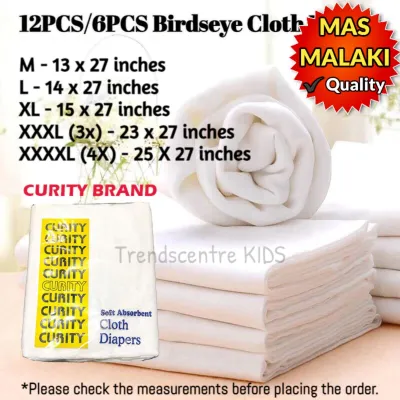
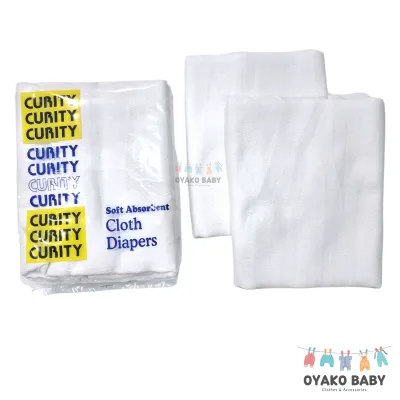
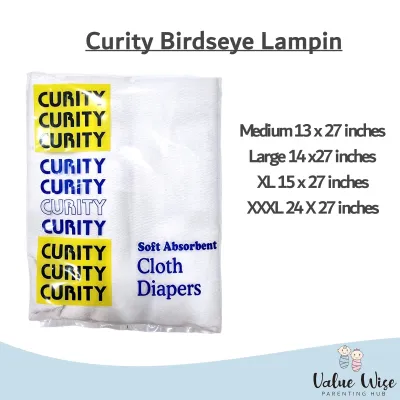
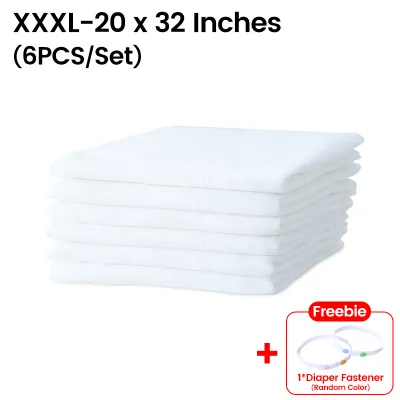
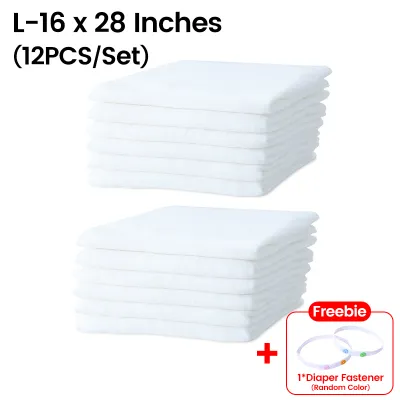
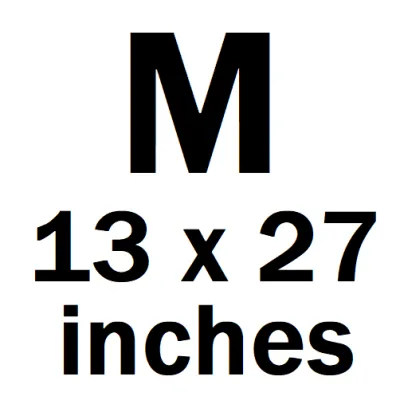
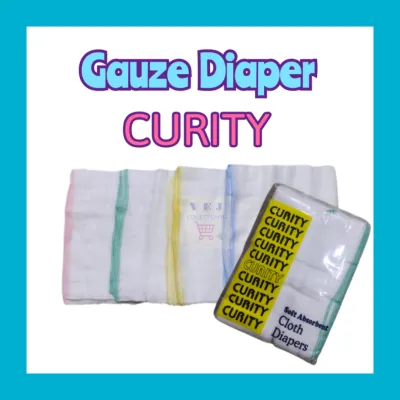
Prices are valid at publication and may change. Please refer to the product page for the latest price.
From an environmental perspective, the impact of switching to reusable diapers at this stage is profound. In the Philippines, municipal solid waste systems face significant challenges, and single-use disposable diapers represent a massive portion of non-biodegradable landfill waste. These plastic-heavy disposables can take hundreds of years to decompose, often clogging local waterways and contributing to environmental degradation. By opting for cloth alternatives, you prevent thousands of disposable diapers from ending up in local dumpsites.
The financial and practical benefits of a larger-sized cloth diaper stash are equally compelling. Toddlers often remain in diapers for three or more years before completing toilet training, meaning a single set of high-quality cloth diapers will see daily use for a long period. Furthermore, well-maintained cloth diapers are highly durable and sustainable, allowing you to reuse them for younger siblings or pass them on to other eco-conscious families in your community, maximizing their lifecycle.
Key Features to Look for in Eco-Friendly Big Size Cloth Diapers
Finding the right big size cloth diaper requires looking past generic marketing terms and focusing on specific structural features. Because older babies have different physical demands and higher output, evaluating these key elements will help you build a reliable and sustainable diapering system.

Weight and Size Limits Many standard cloth diapers are rated up to 15 kilograms, but active toddlers or larger-built babies often outgrow these limits before they are ready for potty training. Look for extended-size diapers specifically labeled for toddlers, or one-size-fits-most (OSFM) designs that feature generous rise snaps and waist tab extenders. It is crucial to verify the manufacturer’s stated maximum weight limits and measure your child’s thighs and waist rather than relying solely on age recommendations, as every baby’s growth pattern is unique.
Sustainable Materials The choice of fabric directly impacts both the environment and your baby’s skin health. Prioritize natural, unbleached fibers such as organic cotton, bamboo, and hemp for the absorbent layers. These materials are highly renewable, biodegradable, and gentle on sensitive skin. Look for certified organic fabrics, which you should verify directly through the manufacturer’s official documentation. These natural fibers are highly breathable, which is vital for preventing heat rashes in the humid Philippine climate.
Absorbency and Wicking Older babies produce a much larger volume of urine at one time than infants. Your diaper system must feature a high-capacity absorbent core paired with a reliable stay-dry wicking layer, such as microfleece or athletic wicking jersey (AWJ). This combination keeps wetness away from your toddler’s skin, reducing the risk of diaper dermatitis during long afternoon naps or active outdoor play.
Durability and Washability Tropical laundry routines can be demanding on fabrics and hardware. Diapers must withstand frequent washing, high-spin cycles, and intense sun exposure without losing their structural integrity. Look for durable, reinforced resin snaps rather than hook-and-loop fasteners, which can wear out, collect lint, or scratch sensitive skin over time. High-quality elastics in the legs and waist are essential to prevent sagging and leakage.
Top Types of Cloth Diapers for Larger Babies
When managing a larger baby or toddler, the diapering system you select should balance convenience, drying speed, and absorbency. Different designs serve different parts of your daily routine, especially when navigating the humid weather and seasonal rains of the Philippines.
All-in-One (AIO) Diapers with Extended Weight Limits
All-in-One diapers are the closest equivalent to disposables in terms of ease of use. Because the waterproof outer shell and the absorbent inner layers are sewn together as a single piece, they require no assembly, folding, or stuffing. This makes them an excellent choice for busy households, visits to relatives, or when leaving your child with grandparents or daycare providers who may be less familiar with cloth diapering.
To prevent leaks on highly active toddlers, prioritize AIOs that feature deep, double leg gussets. However, keep in mind that because all the thick layers are permanently attached, AIOs take the longest time to dry. In the high humidity of the Philippines, you will need to plan your wash cycles carefully, particularly during the monsoon season when indoor drying is necessary.
Fitted Diapers with Waterproof Covers
Fitted diapers are constructed entirely of absorbent material, meaning the entire diaper—from the waist to the legs—soaks up moisture. Because they do not have a built-in waterproof layer, they must be paired with a separate waterproof diaper cover made of polyurethane laminate (PUL) or thermoplastic polyurethane (TPU). This combination offers unmatched absorbency and leak protection, making it the gold standard for overnight use or for toddlers who are heavy wetters.
When the diaper is soiled, you simply wash the fitted portion and can often reuse the waterproof cover after a quick wipe, provided it has not been soiled with feces. This separate design allows the absorbent fitted diaper to open up fully in the wash, resulting in faster drying times compared to AIOs. When purchasing, ensure the waterproof cover has a generous, deep cut to completely enclose the bulky fitted diaper without leaving any cotton or bamboo edges exposed to wick moisture onto clothing.
Pocket Diapers with Customizable Inserts
Pocket diapers feature a waterproof outer layer and an inner stay-dry lining that has an opening or “pocket” at the back or front. This pocket allows you to slide in whatever absorbent inserts your baby needs. The primary advantage of pocket diapers is their extreme versatility; as your baby grows and their wetting patterns change, you can customize the absorbency by mixing and matching different insert materials.
For a larger baby, you might combine a fast-absorbing bamboo insert on top with a slow-absorbing, high-capacity hemp insert underneath. Pocket diapers are highly practical for daily use in the Philippines because they disassemble completely for washing. The separate shell and inserts dry very quickly on the clothesline, making it easier to maintain a smaller, more efficient diaper rotation.
How to Ensure a Proper Fit and Prevent Leaks for Active Toddlers
Even the highest-quality big size diaper will leak if it is not fitted or maintained correctly. Active toddlers put diaper elastics and absorbency limits to the test, making proper adjustment and care essential.
Checking the Fit A proper fit is your first line of defense against leaks. When putting on a big size cloth diaper, ensure the waist is snug but comfortable; you should be able to slide two fingers easily between the diaper band and your child’s tummy. The leg elastics must be tucked neatly into the groin crease (like underwear) rather than sitting on the outer thighs. Check that there are no gaps around the legs when your toddler crawls or sits, and ensure that no inner fabric is peeking out of the waterproof shell, as this will cause moisture to wick onto their clothes. If you notice persistent redness, skin irritation, or chafing that does not resolve with fit adjustments, stop using the diaper and consult a pediatrician or qualified healthcare professional.
Boosting Absorbency Safely If you notice your toddler is soaking through their diaper in less than two hours, it is time to boost the absorbency. You can add thin natural fiber inserts, often called boosters or doublers, into the pocket or laid inside the cover. Hemp is particularly well-suited for this because it is incredibly dense and holds a large amount of liquid without adding significant bulk. Avoid stacking too many thick inserts, as an overly bulky diaper can restrict your toddler’s natural hip movement, affect their gait, or create gaps around the legs that lead to leaks.
Preventing Compression Leaks Compression leaks occur when a saturated absorbent insert is squeezed, forcing liquid out like a wet sponge. This commonly happens when toddlers sit for long periods in car seats, high chairs, or stroller straps, or when they wear tight-fitting clothing. To prevent this, dress your child in loose-fitting rompers, harem pants, or clothing with a generous cut in the diaper area. If you use synthetic microfiber inserts, consider replacing them with natural fibers like bamboo or organic cotton, which hold onto liquid much better under pressure.
Routine Maintenance Over time, laundry detergents, fabric softeners, minerals from hard water, and diaper creams can build up on the fibers of your cloth diapers. This buildup creates a barrier that repels moisture instead of absorbing it, leading to sudden leaks and strong ammonia or musty odors. If you notice your inserts are repelling water, you may need to strip them. Always consult the manufacturer’s care instructions before performing any deep cleaning or stripping routine to avoid damaging the waterproof membranes or elastics. To prevent buildup in your regular wash, avoid using fabric softeners, choose a clean-rinsing detergent free of optical brighteners or synthetic fragrances, and ensure your rinse cycles are thorough.
Where to Find Sustainable Cloth Diapers in the Philippines
Sourcing authentic, high-quality big size cloth diapers locally requires knowing where to look and how to verify product claims. Utilizing local resources ensures you get products suited to our climate while supporting sustainable businesses.
Online Marketplaces Finding a quality “lampin big size” is highly convenient through local online marketplaces and e-commerce platforms. When searching, use specific terms such as “toddler cloth diaper,” “extended size pocket diaper,” or “big size cloth diaper.” To ensure you are buying safe, durable products, always check the seller’s ratings and read customer reviews carefully. Look for reviews that mention the longevity of the elastics and whether the materials feel soft and breathable. Be cautious of ultra-cheap listings that do not clearly state the fabric composition, as these may use low-grade synthetics that wear out quickly.
Local Eco-Baby Boutiques For guaranteed quality and authentic eco-friendly materials, consider purchasing directly from specialized local baby boutiques and independent sustainable shops. Many of these businesses are founded by parents who understand the unique challenges of diapering in a tropical climate. They curate high-quality, certified organic brands and offer personalized customer support. If you are unsure about sizing, their customer service teams can guide you on the best fit based on your child’s specific weight and measurements.
Community Groups The cloth diapering community in the Philippines is incredibly active and supportive. Joining local social media groups, forums, and online parenting communities is an excellent way to get real-world recommendations. Experienced moms can share which brands hold up best against local hard water and high humidity. These communities also feature active buy-and-sell or trade sections where you can purchase gently used, high-quality big size diapers at a fraction of the retail price, further reducing your environmental footprint.
Frequently Asked Questions (FAQ)
How many big size cloth diapers do I need for a toddler?
For an older baby or toddler, a baseline stash of 15 to 20 big size cloth diapers is generally sufficient. At this stage, toddlers urinate less frequently than infants but in much larger volumes, meaning you will go through fewer diaper changes per day (typically 5 to 7 changes). However, when calculating your stash size, you must account for your washing frequency and the local weather. In the humid climate of the Philippines, line-drying can take longer, especially during the rainy season. Having a slightly larger stash ensures you always have clean, dry diapers on hand while others are on the line.
Are cloth diapers suitable for overnight use for older babies?
Yes, cloth diapers are highly effective for overnight use, even for older babies and heavy wetters, provided you configure them correctly. The key is to maximize absorbency without causing leaks. A fitted diaper made of organic cotton or bamboo, paired with a high-quality, breathable waterproof cover, is an exceptional overnight solution. You can place a dense hemp booster inside the diaper to handle the long hours of sleep. Ensure the diaper fits snugly around the waist and legs to contain all moisture throughout the night.
How do I wash and maintain cloth diapers in a humid climate?
Washing cloth diapers in the Philippines requires extra attention to prevent mold, mildew, and ammonia buildup caused by high humidity. Start with a cold pre-wash or rinse to remove waste, followed by a warm main wash with a reliable, residue-free detergent. Ensure the diapers are rinsed thoroughly to remove all soap residue. Hang your diapers and inserts to dry in direct sunlight whenever possible, as UV rays act as a natural sanitizer and help fade stains. During the rainy season, dry them indoors in a well-ventilated area with an electric fan or dehumidifier to ensure they dry completely within 24 hours, preventing mildew.
Community discussion
Share your experience or ask a question. Comments are reviewed before publication.