
Quick Answer: What Makes the Best Bed Protector?
Selecting a bed protector for baby sleep environments involves balancing two critical priorities: absolute safety and reliable moisture defense. In the Philippines, this task is further complicated by year-round high temperatures and humidity. The ideal protector is not defined by a single brand or price point, but by three non-negotiable criteria: a perfectly snug fit, a highly breathable top layer, and a safe, quiet waterproof barrier.
For infants, safety must always override aesthetics or secondary comfort features. A loose or poorly fitting protector can bunch up, creating a serious suffocation or entrapment hazard. In a tropical climate, a protector that traps heat can quickly lead to overheating or painful skin irritations like prickly heat, locally known as bungang-araw. Therefore, the best choice is one that secures tightly beneath the mattress while allowing optimal airflow.
Crib vs. Bassinet Protectors: Sizing and Fit Guide
Navigating the differences between crib and bassinet mattresses is the first step in ensuring a safe sleep environment. While many international brands follow standard dimensions, mattresses available in the Philippine market can vary significantly. Standard crib mattresses are typically around 28 by 52 inches (approximately 71 by 132 centimeters), but local wooden cribs and custom-built furniture often feature non-standard dimensions, such as 24 by 48 inches.
Products mentioned in this guide
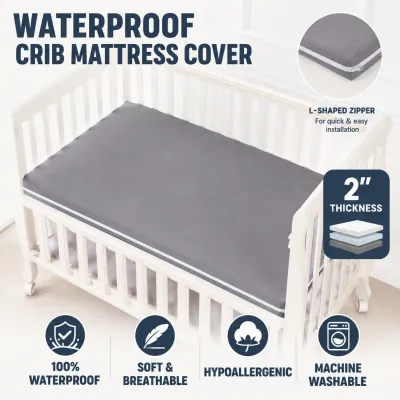
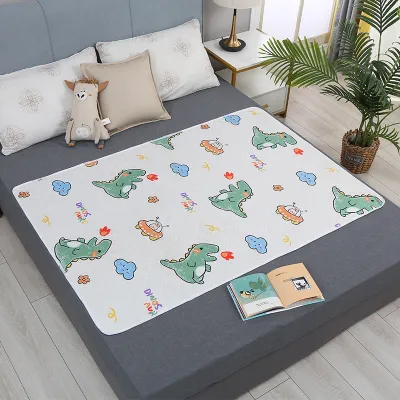
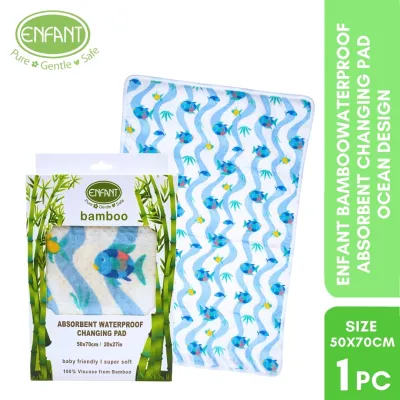
Prices are valid at publication and may change. Please refer to the product page for the latest price.

Because of these discrepancies, you must never purchase a bed protector based solely on the label “standard crib.” Always use a physical measuring tape to determine the exact length, width, and depth of your baby’s mattress. Mattress depth is particularly critical; a protector designed for a 6-inch deep mattress will slide and bunch if placed on a thin 2-inch or 3-inch foam mattress, creating dangerous folds of loose fabric.
Bassinets introduce even more structural variety, often featuring oval, rectangular, or hourglass shapes. Bassinet mattresses are much smaller and thinner than crib mattresses. Under no circumstances should you attempt to tuck a folded crib-sized protector under a bassinet mattress. The excess fabric cannot be safely secured, presenting a direct suffocation risk. Always source a protector specifically tailored to the exact shape and dimensions of your bassinet model.
To verify that a bed protector for baby is safe for use, you must apply the “snug fit” rule. Once installed, the protector should wrap tightly around and under the mattress, held firmly in place by strong, high-quality elastic borders. You should not be able to easily pull the fabric upward from the center of the mattress. Perform a simple physical test: if you can slide more than two fingers between the edge of the mattress and the protector, or if the mattress corners bend upward under the tension, the fit is incorrect and unsafe.
Before completing any purchase, use this quick checklist to guarantee a proper fit:
- Measure the mattress length, width, and depth using a standard measuring tape.
- Compare these measurements against the exact product dimensions listed on the packaging or online product description.
- Verify that the protector features a fully elasticized skirt rather than simple corner straps, which can easily slip off.
- Confirm that the protector is designed for the specific mattress type (crib, bassinet, or playpen) to avoid compatibility issues.
Must-Have Features for the Philippine Climate
The tropical climate of the Philippines requires careful consideration of materials to prevent heat retention and skin issues. Infants cannot regulate their body temperature as efficiently as adults, making them highly susceptible to overheating. The top layer of the protector—the surface closest to the baby’s fitted sheet—must be made of highly breathable, natural fibers.
Materials such as 100% organic cotton, bamboo viscose, or soft cotton muslin are excellent choices for the surface layer. Cotton is naturally hypoallergenic and highly absorbent, helping to draw minor dampness away from the skin. Bamboo viscose offers superior moisture-wicking properties and feels naturally cool to the touch, which is highly beneficial during the sweltering summer months. These breathable textiles allow air to circulate freely, significantly reducing the risk of heat rash and keeping your baby comfortable throughout the night.
Beneath this breathable top layer lies the waterproof barrier, which must be both safe and functional. Older, traditional protectors often utilized polyvinyl chloride (PVC) or vinyl backings. These materials are highly discouraged for infant sleep spaces; they are completely impermeable to air, trapping body heat and sweat against the baby’s body. Furthermore, vinyl backings are stiff and produce a loud, metallic crinkling sound whenever the baby shifts, which can easily disrupt light sleep cycles.
Instead, look for protectors that utilize Thermoplastic Polyurethane (TPU) as the waterproof membrane. TPU is a modern, flexible material that features microscopic pores. These pores are small enough to block liquid water molecules from passing through to the mattress, yet large enough to allow water vapor and air molecules to escape. This unique structural property provides reliable waterproofing while maintaining a level of breathability that PVC simply cannot match. Additionally, TPU is naturally silent and flexible, ensuring the mattress remains quiet during movement.
In the Philippines, frequent washing is a necessity due to high humidity and regular diaper leaks. During the rainy season (the monsoon months), indoor drying can take a significant amount of time, increasing the risk of musty odors or mildew. Choosing a bed protector with quick-dry capabilities is therefore highly practical. Lightweight protectors that combine a thin cotton or bamboo top with a flexible TPU backing dry much faster than heavily padded or quilted alternatives, allowing you to wash, dry, and reuse the protector within the same day.
Recommended Types of Bed Protector for Baby
When searching for a bed protector for baby, understanding the structural categories available will help you make an informed decision based on your specific daily routine and environment.
Fitted Waterproof Protectors with Cotton Tops
This category represents the most common and versatile option for daily nursery use. These protectors are designed like a fitted sheet, featuring a soft cotton terry or lightly quilted cotton top surface bonded directly to a waterproof TPU backing. The skirt of the protector is typically made of a stretchy polyester mesh with a strong elastic band that wraps completely under the mattress.
The primary benefit of this design is its comprehensive coverage and stability. Because it wraps around the entire mattress, it remains securely in place even if your baby rolls or wiggles during sleep. The cotton terry surface is highly effective at absorbing minor spills, drool, or small diaper leaks before they can pool on the surface. However, a notable limitation is that heavily quilted models can be bulky. In highly humid conditions, these thicker layers retain water during the wash cycle and require a longer drying time, which may necessitate keeping multiple spares on hand.
Breathable Bamboo or Muslin Protectors
Specifically engineered for hot climates and babies with sensitive skin, these protectors utilize bamboo-derived rayon or open-weave cotton muslin for the top layer. The fibers are woven in a manner that maximizes airflow, creating a cooling sensation that is highly beneficial in non-air-conditioned rooms or during warm afternoon naps.
The major advantage of bamboo and muslin is their exceptional moisture-wicking capability. They pull sweat away from the baby’s skin much faster than standard cotton, helping to maintain a dry and comfortable sleep surface. The trade-off, however, is that these materials are generally thinner than quilted cotton. While they excel at temperature regulation, they have a lower physical absorption capacity. This means that in the event of a major diaper blowout, the liquid will be stopped by the TPU backing but may spread laterally across the sheet, requiring an immediate change of all bedding.
Multi-Layer Absorbent Pads (Washable Underpads)
These are flat, rectangular pads consisting of an absorbent top layer, a middle polyester fill layer, and a non-slip waterproof bottom backing. Unlike fitted protectors, these pads do not wrap around the entire mattress; instead, they are laid flat on top of the fitted sheet to provide targeted protection in specific areas, such as directly under the baby’s torso.
These pads are highly convenient for quick cleanups, especially during nighttime diaper changes, as you can simply swap out the soiled pad without removing the entire fitted sheet. They are also highly portable, making them excellent for travel, diaper-free floor play, or temporary use on a changing table. However, they carry a significant safety limitation: because they are not secured around the mattress, they can easily bunch up, shift, or be pulled up by an active baby. To prevent suffocation hazards, these pads should only be used under direct caregiver supervision and must be removed from the crib during unsupervised sleep.
Safety Boundaries and Care Instructions
Maintaining the structural integrity of your bed protector is essential for preserving both its safety features and its waterproofing capabilities. Always read and strictly follow the manufacturer’s care instructions attached to the product label before washing.
When washing a waterproof bed protector for baby, use a gentle cycle with warm or cold water. Avoid using extremely hot or boiling water, as excessive heat can warp, crack, or completely delaminate the TPU waterproof backing, rendering the protector useless. Use a mild, baby-safe liquid detergent. Avoid fabric softeners, bleach, or strong chemical stain removes; fabric softeners leave a chemical residue that coats the fibers, significantly reducing both the breathability and the natural absorbency of the top cotton or bamboo layer.
Drying requires equal care, particularly in a tropical environment where high heat is a risk. The safest method is to air-dry the protector out of direct, intense sunlight, as extreme solar heat can degrade the synthetic TPU membrane. If you are using a clothes dryer, select a low-heat or air-fluff cycle. Never iron the bed protector, as the direct heat of an iron will instantly melt the waterproof barrier and ruin the fabric.
You must establish a routine to inspect the bed protector regularly. Every time you change the bedsheets, take a moment to visually inspect the protector for signs of wear. Check the elastic borders to ensure they have not stretched out or lost their tension; if the protector fits loosely or slides easily off the corners, discard it immediately to prevent suffocation risks. Inspect the underside waterproof layer for any peeling, cracking, or pinholes. If you notice any deterioration, or if the fabric develops persistent mold spots or musty odors from improper drying during the rainy season, replace the protector immediately.
Frequently Asked Questions (FAQ)
Can I use a regular bed protector for a baby crib?
No, you should never use an adult, twin, or standard toddler bed protector on a baby crib. Regular bed protectors are designed for much larger mattresses, meaning they will have a significant amount of excess fabric when placed on a crib mattress. This loose material cannot be secured tightly, creating dangerous folds and pockets of fabric that present a severe suffocation, entanglement, and sudden infant death syndrome (SIDS) risk. Always purchase protectors that are specifically manufactured, tested, and labeled for infant cribs or bassinets, and verify that the dimensions match your specific mattress.
How many bed protectors do I need for a newborn?
For a primary crib, it is highly recommended to have at least two to three fitted bed protectors. This inventory allows you to quickly replace a soiled protector during a late-night diaper leak while the other is in the laundry. Because drying times can be unpredictable in the Philippines due to high humidity or rainy weather, having a third spare ensures you are never left without a dry, safe protector. For a bassinet, one or two protectors are typically sufficient, as infants generally outgrow bassinets within three to six months, making a larger investment unnecessary.
Community discussion
Share your experience or ask a question. Comments are reviewed before publication.