
When you are out and about with your baby, managing a soiled diaper requires a reliable containment strategy to keep your diaper bag clean and odor-free. The ideal choice depends on your immediate environment, your personal stance on waste, and how you prefer to handle cleanup. Parents generally choose between three primary options: single-use scented disposal bags, resealable ziplock-style bags, and reusable waterproof wet bags.
To identify the best fit for your daily routine, consider this quick decision framework:
- Scented Disposal Bags: Best if you prioritize single-use convenience, quick tying, and immediate fragrance masking while on the move.
- Ziplock-Style Bags: Best if you require a highly reliable, airtight physical seal to trap both liquids and intense odors without relying on added perfumes.
- Reusable Wet Bags: Best if you are committed to an eco-friendly, zero-waste routine and do not mind washing the containment bag alongside your regular laundry.
Evaluating Scented Disposal Bags for Quick Convenience
Single-use scented diaper bags are a popular choice for parents who value speed and convenience. These bags are typically sold in compact rolls or small pop-up boxes, making them incredibly easy to tuck into the side pockets of a diaper bag. They are designed for quick disposal, allowing you to wrap the diaper, tie the handles, and discard the bundle in the nearest waste bin without a second thought.
Products mentioned in this guide
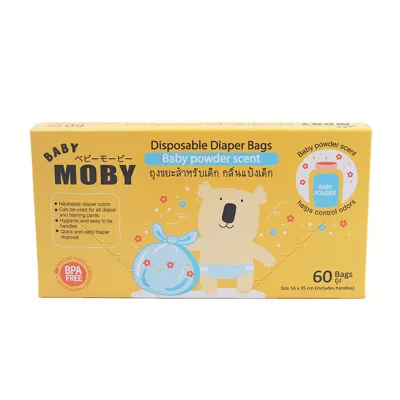
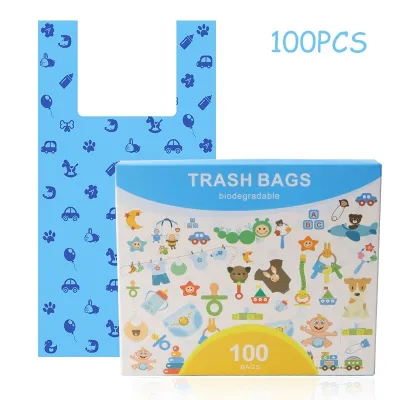
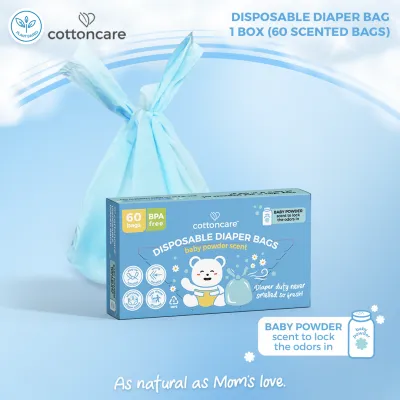
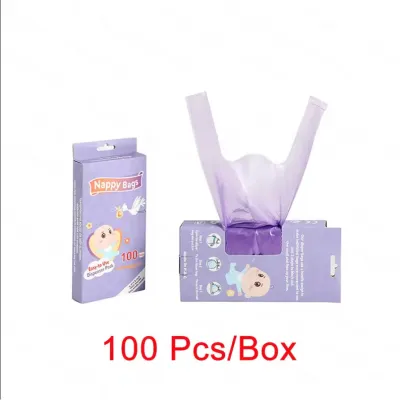
Prices are valid at publication and may change. Please refer to the product page for the latest price.
However, it is important to understand how these bags manage odor. Most scented bags rely on synthetic fragrances to mask unpleasant smells rather than trapping them completely. In warm, tropical conditions, the combination of a strong artificial perfume and a soiled diaper can sometimes create an even more overwhelming scent. If you or your baby are sensitive to synthetic fragrances, these additives might also cause mild skin irritation during handling.
When choosing scented bags, pay close attention to the thickness of the plastic and the strength of the seams. Very thin bags are prone to tearing, especially when stretched by bulky toddler diapers or punctured by the stiff adhesive tabs of disposable diapers. Look for options that specify a high-density plastic or reinforced bottom seals to prevent accidental leaks before you reach a trash receptacle.
Assessing Ziplock-Style Bags for Airtight Containment
Resealable ziplock-style bags offer a highly effective, fragrance-free alternative for containing diaper waste. Unlike scented bags that rely on fragrance masking, ziplock bags use a physical, interlocking track seal to create an airtight barrier. This seal is exceptionally good at trapping both moisture and volatile odor molecules inside the bag, preventing them from escaping into the main compartment of your diaper bag.

For the best results, opt for freezer-grade resealable bags rather than standard sandwich bags. Freezer bags are manufactured with significantly thicker plastic, which provides superior puncture resistance against diaper tabs, clothing snaps, or toys floating around in your bag. This added thickness also acts as a stronger barrier against gas permeation, keeping odors contained for longer periods.
One trade-off of using ziplock bags is the lack of built-in handles for easy tying. You must manually press the air out of the bag and slide the track closed to secure it. In high-heat environments, such as a diaper bag left in a parked car or carried under the midday sun, trapped air can expand and put pressure on the seal. In these intense conditions, double-bagging or choosing a heavy-duty slider-style zipper can provide an extra layer of security.
Considering Reusable Wet Bags for Eco-Friendly Routines
Reusable wet bags are the gold standard for environmentally conscious parents, whether you use cloth diapers or disposable ones. These bags are typically made from fabric lined with a waterproof layer, such as Thermoplastic Polyurethane (TPU) or Polyurethane Laminate (PUL). This construction allows the bag to hold wet, soiled items securely without letting moisture seep through to the rest of your diaper bag gear.
While the upfront cost of a reusable wet bag is higher—often ranging from a few hundred pesos (₱) to more—the long-term savings are substantial compared to continuously buying single-use plastic bags. A single wet bag can be washed and reused hundreds of times, significantly reducing your household’s plastic waste footprint. They also come in various aesthetic designs and sizes, allowing you to coordinate them with your diaper bag.
Managing a wet bag does require a consistent maintenance routine. Because the fabric lining traps moisture, leaving a soiled diaper inside a wet bag for too long in a humid climate can quickly lead to mold, mildew, and stubborn, sour odors. You must commit to emptying the wet bag and washing it thoroughly on a regular basis, ensuring it dries completely in a well-ventilated area or under direct sunlight before packing it again.
Key Factors to Verify Before Packing Your Diaper Bag
Before purchasing any bag type or packing your diaper bag for a day out, take a moment to inspect the physical properties of your chosen containment method. Relying on a bag that fails under pressure can ruin your diaper bag lining and create an unsanitary mess. Focus on these three critical areas during your selection process:
- Odor Control Mechanism: Determine if the bag relies on chemical masking or a physical barrier. If you prefer a fragrance-free environment or have a sensitive nose, prioritize physical barriers like thick ziplock tracks or heavy-duty zippered wet bags over scented plastics.
- Leak-Proof Reliability: Inspect the seams of disposable bags by gently pulling them apart to check for weak spots. For reusable wet bags, verify that the inner lining is fully intact, free of cracks, and that the zipper area is reinforced to prevent liquid from seeping through the fabric teeth.
- Capacity and Sizing: Ensure the bag size matches your baby's current diaper size. Newborn diapers fit easily into almost any bag, but larger toddler diapers (especially size 5 or 6) require a wider opening and more volume to seal comfortably without tearing the plastic.
Building a Reliable Diaper Bag Waste Kit
Instead of relying on just one bag type, many experienced parents assemble a hybrid waste kit tailored to different outing scenarios. By combining the strengths of various bag styles, you can handle quick diaper changes at a mall restroom, a park bench, or a friend’s house with minimal stress.
A practical setup involves keeping one medium-sized reusable wet bag in your main compartment to act as your primary waste station. Inside this wet bag, tuck a few spare heavy-duty ziplock bags. If you encounter an exceptionally messy diaper, you can seal it inside a ziplock bag first to trap the odor and liquid, then place that sealed bag inside the wet bag for double-layered protection.
If permitted by the manufacturer of your reusable wet bag, you can place a small, baby-safe charcoal odor-absorbing pouch inside the bag to help neutralize lingering smells. Always establish a strict routine to check your diaper bag waste kit immediately upon returning home. Emptying the soiled contents and sanitizing the containment bags right away prevents bacterial growth and ensures your gear is fresh for your next family adventure.
Frequently Asked Questions (FAQ)
Can I use regular grocery plastic bags for soiled diapers?
While using leftover grocery bags is a common way to repurpose household plastic, they are generally unreliable for containing soiled diapers. Thin single-use shopping bags often have microscopic tears, pre-punched ventilation holes, or weak bottom seams that easily split under the weight of a wet diaper. Furthermore, they offer virtually no barrier against odors, meaning unpleasant smells will quickly permeate your entire diaper bag and any nearby items.
How do I stop a reusable wet bag from smelling?
To prevent odors from building up in a reusable wet bag, empty it as soon as you return home. Turn the bag inside out and wash it according to the manufacturer’s instructions, typically using a gentle, fragrance-free detergent. Avoid fabric softeners or bleach, which can degrade the waterproof TPU or PUL lining over time. Line drying the bag in a sunny, well-ventilated area is highly recommended, as natural sunlight helps neutralize lingering odors and prevents mold growth.
Are biodegradable diaper bags a good alternative?
Biodegradable diaper bags offer a compromise between single-use convenience and environmental responsibility, but they have specific limitations. These bags are designed to break down under specific composting conditions, which are rarely met in standard landfills where most diaper waste ends up. Additionally, biodegradable plastics tend to have lower moisture resistance and tear strength than standard plastics, meaning they may degrade or leak if left holding wet diapers inside a warm diaper bag for an extended period.

Community discussion
Share your experience or ask a question. Comments are reviewed before publication.