
Finding the right baby wipes travel pack for sensitive skin in the Philippines requires looking beyond marketing buzzwords. While many brands label their travel packs as “sensitive” or “hypoallergenic,” the safest choice depends entirely on your baby’s specific skin triggers, such as reactions to synthetic fragrances, harsh preservatives, or physical friction. There is no single universal winner; water-purified wipes generally offer the safest baseline for highly reactive skin, while plant-based options suit parents who need thicker, more durable wipes for heavy diaper messes.
In a tropical climate, heat and humidity can exacerbate skin irritation, making diaper rash more likely. A portable pack must contain gentle ingredients and feature reliable packaging that prevents the wipes from drying out. By understanding the differences between water-purified, plant-based, and clinical formulations, you can confidently select a travel pack that protects your baby’s skin barrier.
Core Safety Standards for Sensitive Skin Travel Wipes
Evaluating a baby wipes travel pack for sensitive skin starts with a strict look at the ingredient list. The primary culprits behind contact dermatitis and skin irritation in infants are alcohol, synthetic fragrances, and harsh preservatives. Alcohol is highly drying, while synthetic fragrances often contain complex chemical mixtures that trigger allergic reactions. Preservatives like parabens and methylisothiazolinone (MIT) are notorious skin sensitizers and should be avoided entirely on any label you inspect.
Products mentioned in this guide
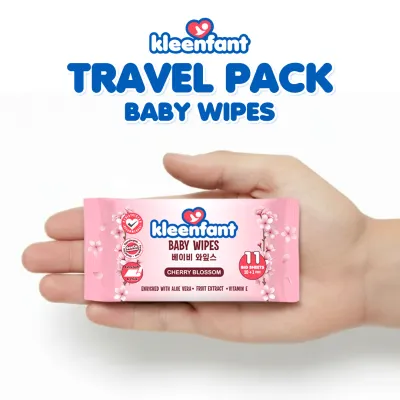
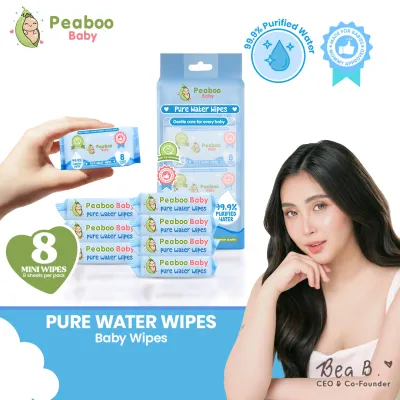
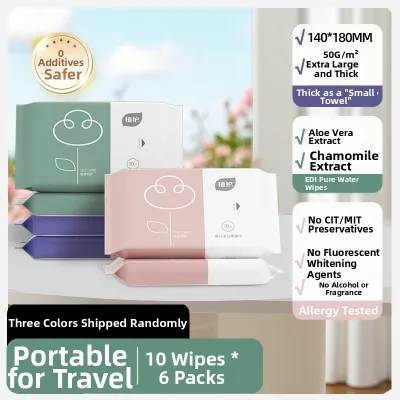
Prices are valid at publication and may change. Please refer to the product page for the latest price.
A baby’s skin is thinner and more permeable than adult skin, making it highly susceptible to environmental irritants. Healthy infant skin maintains a slightly acidic pH level, which forms a protective barrier known as the acid mantle. Using wipes that are not pH-balanced can disrupt this barrier, leaving the skin vulnerable to bacteria and yeast infections, which are particularly common in warm, humid tropical environments. Look for travel packs that explicitly state they are pH-balanced to help maintain this natural defense system.
Texture and material thickness play an equally critical role in skin health. Coarse or thin wipes require more wiping strokes and physical pressure to clean up a mess, creating mechanical friction that can scrape and irritate delicate skin. A high-quality sensitive wipe should feel soft and plush, lifting messes away in a single, gentle swipe.
Many parents rely on labels like “dermatologically tested” or “pediatrician-approved” as a guarantee of safety. However, these terms are not universally standardized. Always treat these labels as a helpful starting point rather than an absolute safety guarantee, and perform a patch test on a small area of your baby’s skin before using a new brand on a trip. If severe redness, swelling, or persistent rash occurs, stop using the product immediately and consult a qualified pediatrician.
Comparing Travel Wipe Formulations for Reactive Skin
When browsing the baby care aisle or online marketplaces, you will find that sensitive travel wipes generally fall into three distinct categories: water-purified, plant-based, and clinical formulations. Each category approaches skin sensitivity differently, balancing the simplicity of ingredients with physical cleaning efficiency.

The main trade-off when choosing a formulation is between ingredient simplicity and cleaning power. Minimalist formulations with very few ingredients are exceptionally gentle but may require more effort to clean sticky messes. Conversely, wipes with added plant extracts or mild cleansing agents might clean more efficiently but introduce a slightly higher risk of botanical allergies. Balancing these factors ensures you do not carry a pack that either irritates your baby’s skin or fails to clean them effectively on the go.
Water-Purified Wipes (99% Water Formulations)
Water-purified wipes represent the most minimalist approach to baby skin care, typically consisting of 99% or more purified water combined with a tiny fraction of a mild preservative or fruit extract. Because they contain almost no chemical additives, these wipes are highly recommended for newborns, infants with highly reactive skin, or babies prone to frequent diaper rash flare-ups. They are also exceptionally versatile, making them safe for wiping milk spills from a baby’s face or cleaning sticky hands during outdoor excursions.
However, because they lack specialized cleansing agents, they may feel less slippery on the skin, sometimes requiring you to use more wipes per diaper change. Additionally, because water is a breeding ground for bacteria, these wipes rely on highly specialized, mild preservatives to stay sterile. If a pack is left open or exposed to high heat, the preservative system can break down more quickly than in traditional wipes.
Plant-Based and Bamboo Wipes
For parents who prioritize durability and material thickness, plant-based and bamboo wipes offer an excellent alternative. These wipes are typically made from natural fibers like bamboo viscose or wood pulp, which are naturally softer and stronger than synthetic polyester blends. The structural integrity of bamboo fibers allows manufacturers to create thicker wipes that do not tear or stretch out of shape during heavy diaper changes, allowing you to clean up significant messes with just one or two sheets.
While the physical material of these wipes is highly gentle, parents must carefully inspect the liquid formulation. The label “plant-based” often refers only to the fabric of the wipe, while the liquid solution might still contain hidden botanical allergens, essential oils, or natural fragrances like lavender or citrus. Ensure that any plant-based travel pack you choose is also certified fragrance-free and formulated without volatile essential oils.
Clinical and Hypoallergenic Wipes
Clinical and hypoallergenic wipes are specifically formulated for babies dealing with chronic skin conditions like eczema, extreme dryness, or severe contact allergies. These formulations often include soothing dermatological ingredients such as aloe vera, chamomile, or colloidal oatmeal, which are designed to calm active irritation and help rebuild the skin’s moisture barrier. They are highly effective for targeted use during active flare-ups when standard wipes cause visible discomfort.
Despite their soothing intentions, botanical extracts like chamomile or aloe vera can occasionally trigger allergic contact dermatitis in highly sensitive individuals. When evaluating clinical wipes, look for recognized seals of approval from independent organizations, such as eczema associations, which verify that the product has undergone rigorous allergen screening. Because these specialized wipes can be more expensive, many parents choose to keep them reserved for diaper changes during active skin flare-ups.
What to Verify on the Travel Pack Label Before Buying
Before purchasing a baby wipes travel pack from an online marketplace or physical store, you should perform a systematic check of the product packaging and label. Start by reading the ingredient list, paying close attention to the first three ingredients, which make up the vast majority of the liquid formula. If water is not the very first ingredient, or if you spot terms like “parfum,” “aroma,” or “fragrance” near the end of the list, the pack is unsuitable for highly sensitive skin.
In the tropical climate of the Philippines, packaging design is just as important as the formulation inside. Travel packs with simple sticker seals are highly prone to losing their adhesive strength due to humidity, dust, and repeated opening, which quickly leads to dried-out, useless wipes. For travel, prioritize packs that feature a rigid plastic flip-top lid over the dispensing opening. This hard seal locks in moisture, protects the wipes from environmental contaminants, and ensures that the last wipe in the pack is just as wet as the first.
Portability is another key factor to balance against your travel habits. While a larger pack of 80 wipes offers better value, it adds significant weight and bulk to your diaper bag. For short outings, look for compact travel packs containing 10 to 30 wipes, which fit easily into a stroller organizer or a small purse. However, if you choose smaller packs, calculate the cost per wipe in ₱ to ensure you are not paying an excessive premium for the convenience of the smaller packaging.
Finally, be cautious of environmental claims like “flushable” or “biodegradable” on travel wipe packaging. Even if a wipe is labeled as flushable, local plumbing systems and municipal sewage infrastructure in the Philippines are rarely designed to handle these materials, and flushing them can lead to severe clogs and plumbing damage. Always dispose of used baby wipes in a trash bin, regardless of what the packaging claims. If you prefer biodegradable options, choose them for their lower environmental footprint during manufacturing, but continue to dispose of them in standard waste receptacles.
Decision Framework: Choosing the Right Travel Pack
To make your final decision, evaluate your baby’s current skin condition alongside your typical travel scenarios. If your baby is a newborn, has highly reactive skin, or is currently recovering from a severe diaper rash, choose water-purified wipes. These minimalist formulas provide the lowest risk of chemical irritation and are versatile enough to use on the face and hands without leaving a sticky residue.
If you frequently handle heavy diaper messes on the go and need a wipe that will not tear or fold over during use, choose plant-based or bamboo wipes. These provide the physical thickness and surface area needed to clean efficiently with fewer wipes, provided you verify that the liquid formula is entirely free of essential oils and added fragrances. They are ideal for older babies who have transitioned to solid foods and require a more robust cleaning material.
If your baby has been diagnosed with eczema or suffers from chronic dry patches, choose clinical or hypoallergenic wipes. These specialized formulas offer targeted soothing benefits to help calm active irritation, though you should always verify that the product carries a recognized sensitive skin seal. Keep these on hand for active flare-ups, and consider switching back to simple water-purified wipes once the skin has healed to minimize long-term exposure to botanical extracts.
Before finalizing your purchase, perform a quick physical check of the travel pack. Avoid buying if the pack lacks a secure, resealable hard lid, if the ingredient list contains unrecognized chemical preservatives like MIT, or if the pack feels unusually light or dry when squeezed. Taking these precautions ensures that your diaper bag is always stocked with safe, effective, and moist wipes ready for any travel emergency.
Frequently Asked Questions (FAQ)
Can I use regular baby wipes on sensitive skin during short trips?
It is highly discouraged to use regular baby wipes on sensitive skin, even for brief outings or short trips. Regular wipes often contain higher concentrations of synthetic fragrances, alcohol, and stronger preservatives designed to extend shelf life, all of which can rapidly trigger contact dermatitis or diaper rash on reactive skin. While an older toddler with robust skin might tolerate a regular wipe in an emergency, infants and babies with a history of eczema or skin sensitivity should always have their dedicated sensitive travel packs on hand to avoid painful flare-ups.
How do I prevent travel wipes from drying out in humid climates?
To prevent travel wipes from drying out in the humid and warm climate of the Philippines, always ensure the plastic flip-top lid or sticker seal is pressed completely flat and sealed tight immediately after pulling out a wipe. Avoid leaving travel packs in direct sunlight, hot diaper bags, or inside a parked car, as high temperatures accelerate evaporation and can degrade the mild preservative systems. If the original adhesive seal fails during a trip, you can preserve the remaining wipes by transferring the entire pack into a clean, airtight zip-top plastic bag or a reusable travel wipe dispenser.
Community discussion
Share your experience or ask a question. Comments are reviewed before publication.