
Finding the gentlest baby wipe in the Philippines requires looking beyond flashy packaging and focusing on your baby’s specific skin triggers. There is no single “best” brand for every infant, as sensitive skin reacts differently to preservatives, textures, and botanical extracts.
To make an informed decision, parents can use a conditional decision framework. If your newborn has highly reactive skin or conditions like eczema, choose 99% water wipes with minimal preservatives to reduce the risk of flare-ups. If your older infant is transitioning to solid foods and has messier diaper changes, opt for fragrance-free, hypoallergenic wipes that offer balanced cleaning agents and skin conditioners. If you prioritize environmental sustainability alongside skin health, look for plant-based, biodegradable fibers like bamboo, ensuring they lack heavy textures that could cause friction.
Always verify the manufacturer’s label for specific sensitive skin certifications rather than relying solely on front-of-pack marketing terms.
Products mentioned in this guide
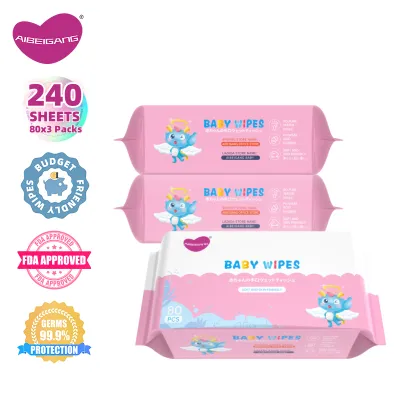
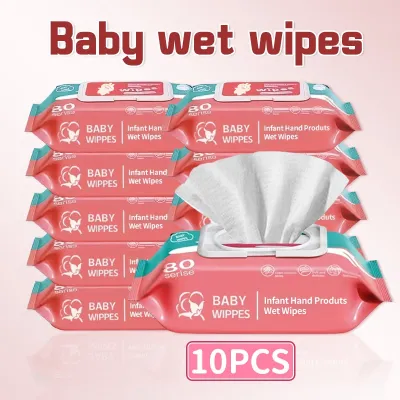
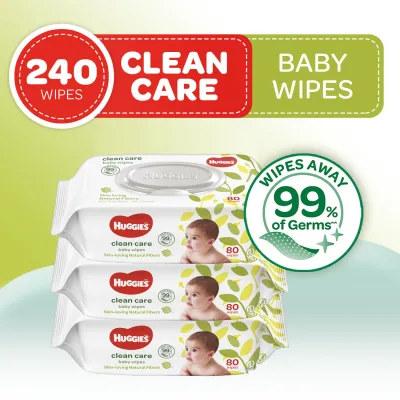
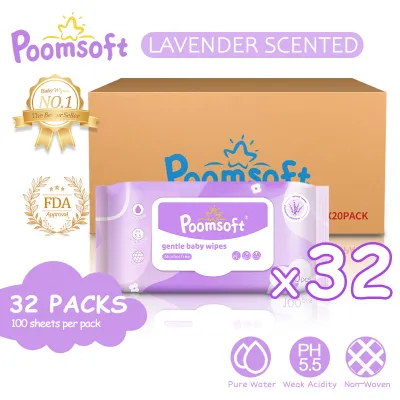
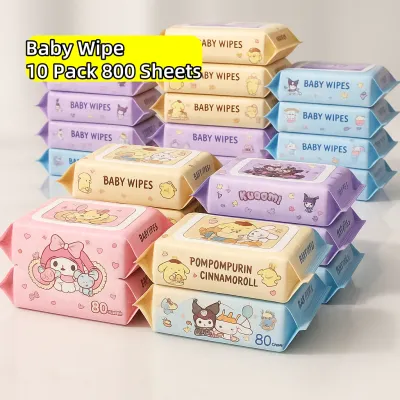
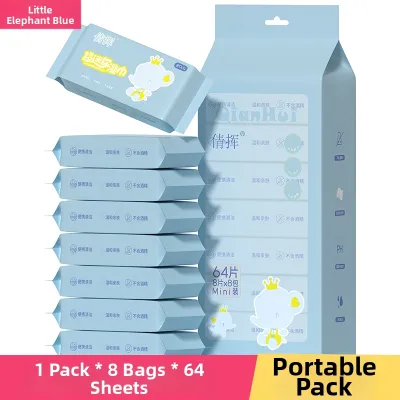
Prices are valid at publication and may change. Please refer to the product page for the latest price.
What to Look for on the Label: Ingredients and Certifications to Verify
To protect your baby’s delicate skin barrier, especially in the hot and humid tropical climate of the Philippines, you must become an active label reader. High humidity and heat can exacerbate skin friction and sweat rash, making chemical irritants in wipes even more damaging to compromised skin.
When evaluating packaging, there are several common ingredients you should avoid or verify. Alcohol, specifically denatured alcohol or isopropyl alcohol, should be avoided entirely as it strips moisture and causes severe dryness. Parabens and phenoxyethanol are preservatives used to prevent bacterial growth; while necessary in some water-based formulations, they can trigger reactions in highly sensitive infants, so many parents prefer to verify their absence. Synthetic fragrances are among the leading causes of contact dermatitis in infants and should be avoided completely.
Look for labels that explicitly state “Dermatologically Tested” or “Pediatrician Approved.” These claims indicate the formulation has undergone clinical evaluation under professional supervision, though parents should still verify the testing standards on the manufacturer’s official website. Additionally, check if the product is pH-balanced. A baby’s skin naturally has a slightly acidic pH of around 5.5, and using wipes that match this level helps maintain the skin’s natural protective barrier.
Additionally, understand the difference between “unscented” and “fragrance-free” products. “Unscented” products may still contain masking fragrances—chemicals added to neutralize the natural, sometimes unpleasant smell of the raw ingredients. “Fragrance-Free” means no fragrance chemicals or masking agents have been added to the product, making it the safer choice for easily irritated skin.
Comparing Wipe Categories for Easily Irritated Skin
Navigating the baby care aisle in local supermarkets or online marketplaces can be overwhelming. To simplify your decision, baby wipes can generally be grouped into three primary categories: 99% water wipes, fragrance-free hypoallergenic formulas, and plant-based textured options.

The ideal choice for your household is not static; it often shifts as your baby grows, their skin barrier matures, and their dietary habits change.
99% Water Wipes
Water-based wipes have revolutionized infant skincare by offering the closest alternative to a traditional cotton ball and warm water wash. By keeping the ingredient list extremely short—typically consisting of 99% purified water and a fraction of a percent of a mild food-grade preservative—these wipes drastically reduce the risk of contact dermatitis and irritation.
However, parents must weigh certain practical trade-offs. Because they lack heavy cleansing agents, you may find yourself using more sheets per diaper change to clean up sticky or oily messes. Additionally, the minimal preservative content means these wipes often have a shorter shelf life once opened, requiring you to use the pack within a few weeks to prevent mold or bacterial growth, which is especially important in the warm, humid climate of the Philippines.
This category is highly recommended for the newborn stage, when the skin barrier is exceptionally thin and vulnerable, as well as for infants diagnosed with active eczema or severe skin hypersensitivity.
Fragrance-Free and Hypoallergenic Formulas
As babies transition to solid foods, diaper changes naturally become more challenging, requiring wipes with greater cleansing efficiency. Fragrance-free, hypoallergenic formulas are engineered to bridge this gap by incorporating mild, skin-conditioning agents (such as aloe vera or chamomile extracts) alongside gentle surfactants that lift waste without stripping the skin’s natural oils.
When evaluating these products, it is important to remember that “hypoallergenic” is not a legally standardized term. Parents should verify that the manufacturer has conducted independent patch testing or holds certifications from recognized dermatological bodies. Reading the ingredient list in descending order of concentration can also help you determine if beneficial soothing agents are present in meaningful amounts or just added for marketing.
This category becomes highly practical for daily use once your baby reaches toddlerhood. Their skin barrier has strengthened, and the added conditioning ingredients help soothe the skin during frequent, heavy cleanups without triggering allergic reactions.
Plant-Based and Textured Wipes
For eco-conscious households in the Philippines, plant-based wipes made from biodegradable materials like bamboo or organic cotton offer an appealing way to reduce plastic waste. These natural fibers are inherently soft and highly absorbent, making them excellent vehicles for gentle cleansing solutions.
However, parents of babies with highly sensitive skin must exercise caution regarding physical texture. Many plant-based wipes feature embossed patterns or heavy textures designed to grab more waste per swipe. While efficient, this physical texture can create excessive friction on compromised skin barriers, potentially worsening redness or chafing in humid tropical weather.
The best use case for textured, plant-based wipes is for older infants with healthy, intact skin, or for cleaning hands and faces after messy outdoor play, where the physical gripping power of the wipe is highly beneficial.
How to Patch Test a New Wipe Brand Safely
Before introducing any new wipe brand to your baby’s sensitive diaper area, performing a controlled patch test is a highly recommended safety measure. This simple step can prevent widespread skin irritation and discomfort.
To conduct a patch test, take a single wipe from the new pack and gently swipe a small, clean area on your baby’s inner arm or the back of their leg. Allow the liquid to dry naturally, and do not wash the area for at least 24 hours.
During this observation period, monitor the test site closely for any signs of localized irritation. Look for redness, raised bumps, dry patches, or swelling. In some cases, a baby might show signs of discomfort or increased fussiness when the area is touched. Keeping a simple skin diary during this time can help you track which formulations cause mild changes in skin texture.
If you observe any of these negative reactions, immediately discontinue use of the product. Wash the area gently with cool water and apply a mild, pediatrician-approved barrier cream. If the reaction is severe, spreads, or does not improve within a couple of days, consult your pediatrician for professional guidance.
Buying Guide: Where to Shop and What to Check Before Checkout
Ensuring the safety of your baby’s skincare routine also involves smart purchasing habits. Many busy wifes and mothers in the Philippines balance household budgets while prioritizing their children’s skin health. With the rise of online marketplaces, counterfeit baby products have become a real concern. To guarantee authenticity, always purchase your wipes from official brand stores, authorized pharmacies, or reputable physical supermarkets.
To manage your household budget effectively, do not simply compare the price per pack. Instead, calculate the price per sheet by dividing the total cost of the pack by the number of wipes inside (₱ per sheet). This allows you to make accurate value comparisons across different brands and packaging sizes, especially when buying in bulk.
When purchasing in bulk online, always check the product description or ask the seller for the expiration date. Ensure the packaging seals are completely intact upon delivery, as compromised seals can lead to dried-out wipes or, worse, bacterial contamination. Store your bulk inventory in a cool, dry place away from direct sunlight to preserve the formulation’s integrity in our tropical climate.
Frequently Asked Questions (FAQ)
Is it safe to use adult wet wipes on a baby with sensitive skin?
No, it is not safe to use adult wet wipes on an infant’s sensitive skin. Adult wipes are formulated for mature skin, which has a different pH balance and a much stronger natural barrier. Consequently, adult formulations often contain stronger preservatives, higher concentrations of alcohol, and intense synthetic fragrances that can cause immediate chemical burns, severe dryness, or contact dermatitis on a baby’s delicate skin. Avoid using them for diaper changes, facial cleaning, or on any areas of compromised infant skin.
Should I switch wipe brands if my baby develops a mild rash?
A mild diaper rash does not always mean the wipe brand is at fault. It is important to differentiate between diaper rash caused by trapped moisture and friction, and contact dermatitis triggered by specific ingredients in the wipe. If you suspect the wipe is the culprit, temporarily switch to a simpler ingredient list, such as 99% water wipes, or use sterile cotton balls soaked in warm water for diaper changes. Monitor the skin closely for improvement. If the rash persists, spreads, develops blisters, or causes your baby significant pain, consult a healthcare professional immediately for an accurate diagnosis and treatment plan.

Community discussion
Share your experience or ask a question. Comments are reviewed before publication.