
Finding the right baby wipes for sensitive skin in the Philippines requires looking beyond attractive packaging. In a tropical climate with high heat and humidity, a baby’s skin is particularly vulnerable to sweat, friction, and diaper rash. Because every infant’s skin chemistry is unique, a brand that works perfectly for one baby might cause irritation for another. The safest approach is to compare options based on ingredient transparency, material gentleness, and verified safety claims.
Rather than searching for a single universal winner, parents should focus on building a personalized selection framework. This involves analyzing ingredient lists, assessing the physical texture of the wipe, and understanding how to verify safety claims on local retail shelves. By learning what to look for, you can confidently navigate the baby care aisle and choose wipes that keep your baby clean without causing discomfort.
Key Ingredients to Avoid and Seek for Sensitive Skin
When evaluating baby wipes for sensitive skin, the ingredient list on the back of the pack is your most valuable tool. Many commercial wipes contain additives that preserve shelf life or add pleasant scents but can easily strip the natural moisture barrier of delicate skin. For babies prone to eczema, contact dermatitis, or heat rash, these ingredients can trigger immediate flare-ups.
Products mentioned in this guide
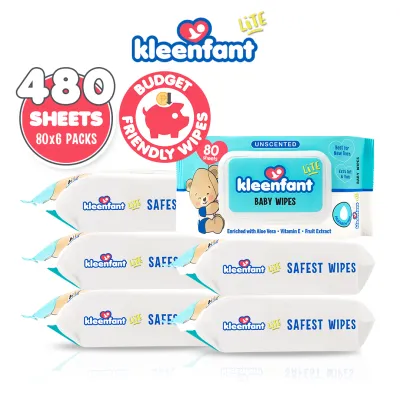
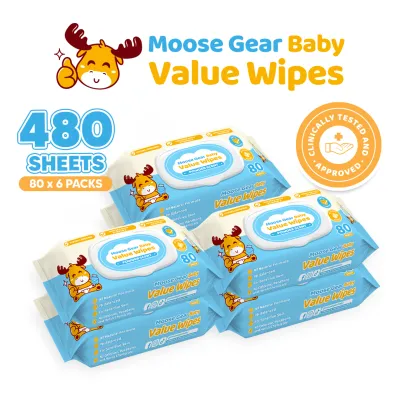
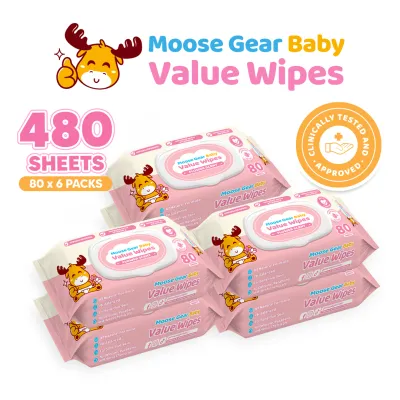
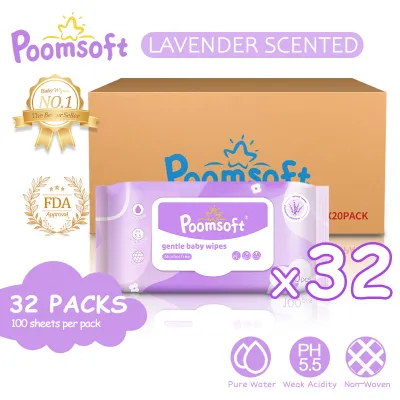
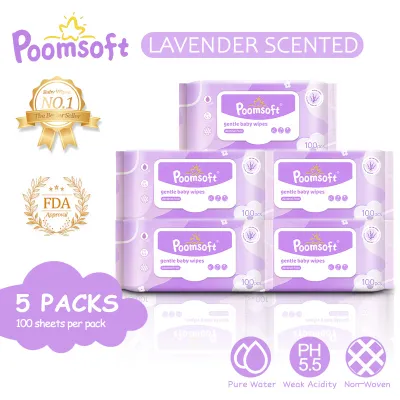
Prices are valid at publication and may change. Please refer to the product page for the latest price.
The first category of ingredients to avoid is synthetic fragrances. Even if a product smells clean, added perfumes are a primary source of skin sensitization. Alcohol, specifically denatured or isopropyl alcohol, should also be avoided as it dries out the skin rapidly and causes stinging on raw areas. Additionally, look out for harsh preservatives such as methylisothiazolinone (MIT) and methylchloroisothiazolinone (CMIT), which have been linked to allergic contact dermatitis, as well as parabens used to extend shelf life.
Instead, prioritize wipes with a high concentration of water and minimal secondary ingredients. Safe formulations typically feature purified or medical-grade water as the primary component, often comprising over 99% of the liquid solution. Mild, plant-derived surfactants may be included to help lift away oily residue without stripping the skin. Soothing botanical extracts, such as aloe vera or chamomile, can offer gentle hydration, though caregivers must always verify that their baby does not have a specific allergy to these natural ingredients.
To verify “water-based” or “pure water” claims, check the order of ingredients on the packaging. Ingredients are legally required to be listed in descending order of concentration. In a high-quality sensitive wipe, water (often listed as aqua) should be the first ingredient. If you notice active chemical compounds, fragrances, or complex preservatives listed near the top, the wipe may contain a lower water ratio than the front label suggests.
Material and Texture: What Works Best for Delicate Skin
The physical composition of a baby wipe is just as important as the liquid solution it carries. The friction caused by repeatedly wiping a baby’s skin can break down the delicate epidermal barrier, especially during frequent diaper changes in hot weather. Choosing a material that minimizes friction while effectively lifting waste is essential for preventing irritation.

Most baby wipes are made from either plant-based fibers, synthetic plastics, or a blend of both. Plant-based fibers like cotton, bamboo, or viscose are generally softer, more breathable, and highly absorbent. Synthetic fibers, such as polyester, are durable and cheap to produce but can feel rougher against compromised skin and do not absorb liquid as efficiently. For sensitive skin, prioritizing wipes made predominantly from natural, biodegradable fibers helps reduce mechanical irritation.
Thickness and texture also play a critical role in how a wipe performs. Thin wipes often bunch up or tear, forcing caregivers to use multiple sheets and apply more pressure, which increases skin friction. A thicker, high-density wipe provides a protective cushion, allowing for a clean sweep with minimal pressure. While smooth weaves are ideal for wiping the face and sensitive areas, a lightly textured or embossed pattern can be useful for catching heavy messes in fewer passes, provided the material itself remains soft.
Finally, consider the moisture retention of the material. A wipe must hold enough liquid to glide smoothly across the skin without dragging. If the material density is too low, the liquid may pool at the bottom of the pack, leaving the top wipes dry and abrasive. High-quality materials distribute the liquid formulation evenly throughout the entire stack, ensuring that every sheet pulled from the pack is sufficiently damp to clean gently.
How to Read Labels and Verify Safety Claims
Navigating the marketing terms on baby wipe packaging can be confusing for parents trying to make safe choices. Manufacturers frequently use terms that sound clinical or reassuring, but these claims are not always standardized. Understanding how to interpret these labels helps you separate genuine safety features from clever marketing.
One of the most common points of confusion is the difference between “unscented” and “fragrance-free” products. An unscented wipe may still contain chemical masking agents designed to neutralize the natural smell of the raw ingredients, which can still irritate highly sensitive skin. In contrast, a fragrance-free label indicates that no scent-producing chemicals or masking agents have been added to the formulation. For babies with reactive skin or eczema, fragrance-free is always the safer choice.
Terms like “hypoallergenic” and “dermatologically tested” are widely used but require careful interpretation. “Hypoallergenic” simply means the product is formulated with ingredients that are less likely to cause allergic reactions, but it does not guarantee that a reaction will never occur. “Dermatologically tested” indicates that the product was evaluated by or in consultation with a dermatologist, but it does not reveal the parameters of the test, the sample size, or whether any participants experienced mild irritation. These labels should be viewed as helpful starting points rather than absolute safety guarantees.
To verify safety standards locally, look for official regulatory indicators on the packaging. In the Philippines, cosmetic products, including baby wipes, should ideally be registered with the Food and Drug Administration (FDA). You can check for an FDA notification number or registration mark on the label. Additionally, look for seals from recognized pediatric associations or independent dermatological institutes, which indicate that the formulation has undergone external review.
Comparing Popular Wipes: A Decision Framework
With dozens of baby wipe brands available in the Philippine market, finding the right one requires a structured comparison. Instead of relying on trial and error with random brands, parents can establish a practical decision framework based on availability, cost-efficiency, and packaging functionality.
First, evaluate the consistent availability of the brands on your shortlist. A wipe that works wonderfully but is frequently out of stock in local supermarkets, neighborhood pharmacies, or authorized online stores can cause unnecessary stress. Relying on obscure imported brands may force you to switch suddenly to an untested brand when your supply runs out, risking a skin reaction. Choose brands that maintain a steady supply chain in your local area or on reliable ecommerce platforms.
Second, calculate the true cost per wipe rather than comparing the upfront price of the package. To do this, divide the total retail price of the pack by the number of individual wipes inside (₱ per sheet). Often, larger bulk packs or multi-packs offer a significantly lower cost per wipe than small travel packs. However, keep in mind that a slightly more expensive, thicker wipe that cleans a mess in a single pass can be more economical in the long run than a cheap, thin wipe that requires three or four sheets per change.
Third, examine the packaging design, which is particularly important in the humid and warm climate of the Philippines. Wipes with a simple adhesive sticker seal tend to lose their stickiness quickly due to dust, moisture, and repeated opening, leading to dried-out wipes and potential bacterial contamination. Packaging featuring a rigid, plastic flip-top lid provides a much tighter seal, preserving the moisture content of the wipes and keeping them hygienic until the very last sheet is used.
Practical Tips for Testing and Using Wipes Safely
Even when a baby wipe brand meets all your criteria on paper, you must introduce it carefully to ensure your baby’s skin tolerates the formulation. Taking a systematic approach to testing new products minimizes the risk of widespread skin irritation or allergic reactions.
Before using a new brand of wipes all over your baby’s body, perform a simple patch test. Take a single wipe and gently dab a small, discreet area of your baby’s skin, such as the inner forearm or the upper thigh. Allow the liquid to dry naturally and do not wash the area for at least twenty-four hours. Monitor the spot closely over the next one to two days for any signs of a localized reaction.
During the testing period and throughout regular use, watch for early signs of skin irritation. These include localized redness, small raised bumps, dry or flaky patches, swelling, or signs of discomfort when the area is touched. If you observe any of these symptoms, immediately stop using the wipes and wash the affected area with plain, lukewarm water and a mild, soap-free cleanser.
If a skin reaction does not improve within a few days of discontinuing the wipes, or if the redness spreads, blisters, or causes significant distress to your baby, consult a pediatrician or a pediatric dermatologist. Avoid applying over-the-counter medicated creams or home remedies without professional guidance, as these can sometimes worsen the irritation on a compromised skin barrier.
Frequently Asked Questions (FAQ)
Can I use baby wipes on a newborn's face and hands?
While some standard baby wipes are gentle enough for general use, the skin on a newborn’s face and hands is thinner and more sensitive than the diaper area. Additionally, babies frequently put their hands and fingers into their mouths, increasing the risk of ingesting chemical residues left behind by wipes. If you must use wipes on these areas, ensure they are specifically labeled as safe for face and hands, fragrance-free, and food-grade. For daily cleaning at home, using a clean cotton ball or a soft washcloth dipped in plain, lukewarm water remains the safest and gentlest option.
Are water wipes truly better for sensitive skin than standard wipes?
Water-based wipes with minimal ingredients are highly beneficial for babies with extremely reactive skin, eczema, or active diaper rash, as they minimize the risk of chemical exposure. However, because they lack strong cleansing agents, they may require slightly more physical effort to clean greasy or heavy messes. It is also important to note that high-water formulations still require some form of mild preservative or antimicrobial agent to prevent the growth of mold and bacteria in the moist pack. Always check the label to ensure the preservative used is gentle and non-irritating.
How should I store baby wipes to prevent them from drying out or growing mold?
To maintain the quality and safety of your baby wipes, store them in a cool, dry place away from direct sunlight and heat sources, which can accelerate moisture evaporation and encourage bacterial growth. Always ensure the plastic flip-top lid or adhesive seal is pressed down firmly after every single use. If you purchase bulk packs, keep the unopened packages sealed in their original boxes. If you notice a strange odor, discoloration, or dry edges on the wipes, discard the pack immediately, as these are signs of contamination or product degradation.
Community discussion
Share your experience or ask a question. Comments are reviewed before publication.