
Finding the right baby walker in the Philippines involves balancing mobility with physical comfort. The key to a successful choice lies in the ‘upoan ng walker’—the seat. A high-quality, adjustable, and well-padded seat ensures that your baby remains ergonomically supported while preventing discomfort from heat and friction. By focusing on seat design, parents can provide a safe and pleasant environment for their little ones to explore.
Why Seat Comfort and Adjustability Matter
The hip joints of an infant are highly flexible and still forming, consisting largely of pliable cartilage. If a baby walker seat is poorly designed, too narrow, or lacks structural support, it can force the baby’s legs into an unnatural, dangling position. This uneven distribution of weight puts unnecessary pressure on the developing hip joints. An ergonomic seat design supports the baby’s thighs and buttocks, promoting a healthier sitting posture and reducing physical strain.
Babies experience rapid growth spurts during their first year of life. A walker seat that fits perfectly one week might become tight, restrictive, or uncomfortable the next. Without adjustable features, parents are often forced to retire expensive baby gear prematurely, leading to unnecessary expenses. A highly adjustable seat allows you to modify the height and depth to accommodate your baby’s changing proportions, extending the product’s usability and offering better long-term value for your family budget.
Products mentioned in this guide
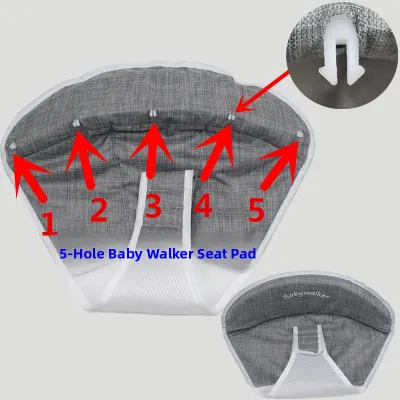
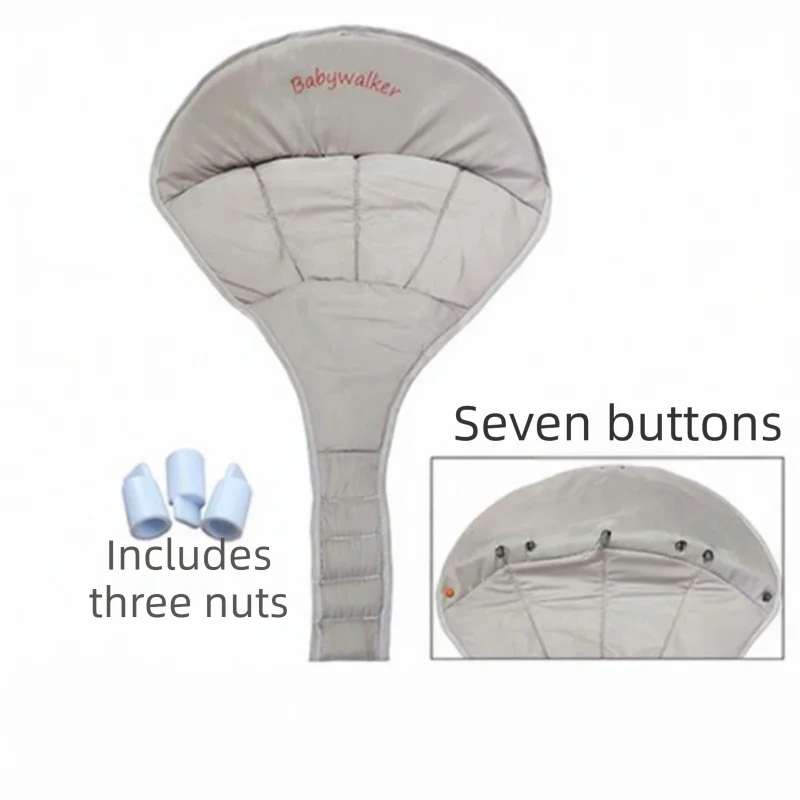
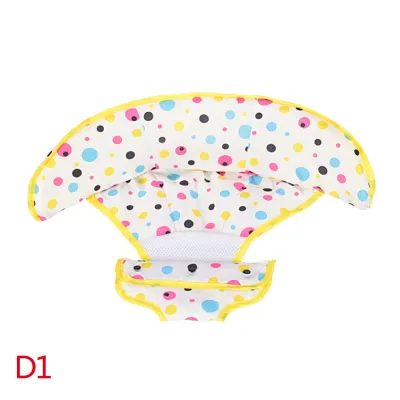
Prices are valid at publication and may change. Please refer to the product page for the latest price.
The tropical climate of the Philippines, characterized by high temperatures and humidity, presents unique challenges for infant gear. Babies sweat easily, and their delicate skin is highly prone to friction-induced chafing and heat rash, locally known as ‘bungang-araw’. If the walker seat is made of heavy, non-breathable synthetic fabrics, it will trap moisture and heat against the baby’s skin. Opting for seats with breathable mesh panels and moisture-wicking fabrics is crucial for keeping your baby dry, cool, and comfortable during active play.
Key Features to Look for in an Adjustable Walker Seat
Most quality baby walkers feature a multi-level frame adjustment system, allowing you to raise or lower the entire tray. However, premium models also offer seat-specific depth or strap adjustments. This dual-adjustment capability is vital because it allows you to fine-tune the distance between the seat bottom and the floor, ensuring your baby’s feet can make proper contact with the ground. This prevents them from dangling helplessly or bending their knees excessively.

According to general pediatric guidelines, when a baby is in a walker, their feet should be able to rest flat on the floor or touch the ground comfortably with the balls of their feet. This positioning allows them to push off safely and naturally. If the seat is adjusted too high, they will strain on their tiptoes; if it is too low, their knees will bend too much, which can hinder proper leg development. Always refer to the manufacturer’s manual to verify the recommended foot positioning for your specific model.
Padding is another critical factor to evaluate before making a purchase. Cheaply made walkers often feature thin polyester fabric stretched over a rigid plastic frame. Within minutes of use, this padding compresses completely, leaving the baby sitting directly on hard plastic. Look for seats with high-density foam padding that offers resilient support. The padding should be thick enough to cushion the baby’s pelvic bones while remaining firm enough to prevent them from sinking too deeply into the seat.
Hygiene is a major consideration for any baby product used daily. Between drool, spilled milk, teething biscuits, and occasional diaper blowouts, the seat of the walker will inevitably get dirty. A seat cover that is permanently attached to the frame is a recipe for bacterial growth and unpleasant odors. Prioritize models with fully removable, machine-washable seat covers. Check the care label to ensure the fabric can withstand frequent washing without shrinking or losing its shape.
The width of the seat base must be carefully balanced to ensure safety and comfort. A seat that is too wide can cause a smaller baby to slide around or lean awkwardly to one side, leading to poor spinal alignment. Conversely, a seat that is too narrow can pinch the baby’s thighs and restrict blood circulation. Look for a design that features a padded, adjustable crotch strap, allowing you to customize the fit as your baby gains weight and wears thicker diapers.
The height of the backrest plays a significant role in supporting your baby’s developing torso. Younger infants who are just beginning to use a walker still require external support to maintain an upright posture. A high, rigid backrest provides essential support for the lower back and thoracic spine, preventing slouching. As your baby grows taller and stronger, a supportive backrest continues to act as a safety barrier, preventing them from arching their back and leaning dangerously far over the edge of the walker.
How to Evaluate and Test Walker Seats Before Buying
When shopping at physical baby stores or department stores in the Philippines, take the time to conduct a hands-on evaluation of the display models. Do not rely solely on visual appeal. Press your hand firmly into the center of the seat to assess the thickness and resilience of the padding. Shake the seat unit to check for any wobbling or loose attachments. The seat should feel firmly integrated into the walker’s frame, with no risk of detaching while in use.
Try adjusting the height settings yourself to ensure the mechanisms operate smoothly. The locking mechanisms should require a deliberate action to unlock, ensuring they cannot be accidentally triggered by a sibling or the baby’s own movements. Once locked, apply downward pressure on the seat to verify that it holds firm and does not slip or collapse. A secure locking system is critical for preventing sudden drops that could startle or injure your baby.
If you prefer the convenience of online shopping on local e-commerce platforms, you must rely on careful research. Start by thoroughly reading the product specifications, looking for detailed descriptions of the seat materials, adjustment levels, and dimensions. Do not hesitate to message the seller to ask specific questions about the padding thickness, fabric breathability, and frame stability.
Customer reviews are an invaluable resource when shopping online. Search the review section using specific keywords such as ‘manipis’ (thin), ‘mainit’ (hot), ‘matigas’ (hard), or ‘madaling labhan’ (easy to wash). Pay close attention to reviews written by parents who have used the walker for several months, as they can provide insights into how well the seat fabric holds up after multiple washes and whether the adjustment mechanisms remain secure over time. Look at user-uploaded photos to verify the actual color, texture, and stitching quality.
Always prioritize the manufacturer’s official weight, height, and developmental limits over generic age recommendations. A label that reads ‘suitable for 6 to 12 months’ is merely a general guideline. Your baby’s physical development is unique. Before purchasing, measure your baby’s current weight and height, and compare them to the product’s specified limits. Ensure your baby has achieved the necessary developmental milestones, such as holding their head up steadily and sitting unassisted, before introducing them to a walker.
Safety Boundaries and When to Transition Away From the Walker
Every baby walker is engineered to support a specific weight and height range. Exceeding these limits compromises the structural integrity of the frame and the seat. If your baby exceeds the maximum weight limit, the seat seams may tear, or the height adjustment locks may fail under the load. Furthermore, if your baby’s torso sits too high relative to the tray, their center of gravity shifts upward, significantly increasing the risk of the walker tipping over during sudden movements.
It is crucial to recognize when your baby has outgrown the walker developmentally. Walkers are designed to assist babies who are learning to find their footing, but they are not meant for babies who can already stand or walk independently. If you notice your baby pulling themselves up to a standing position using the walker’s tray, attempting to climb out of the seat, or showing frustration at being confined, it is time to transition them to other activities. At this stage, a push-walker or an open floor play area is much more beneficial for their motor skills.
Regardless of how comfortable or adjustable the walker seat is, safety guidelines must be strictly followed. Pediatricians and child development experts recommend limiting a baby’s time in a seated walker to short sessions of 15 to 20 minutes. Prolonged use can actually delay independent walking by encouraging abnormal walking patterns, such as toe-walking, and reducing the time babies spend crawling and pulling up naturally. Constant, active adult supervision is mandatory whenever your baby is in the walker. Ensure the environment is completely flat, free of stairs, steps, rugs, electrical cords, and any hazards the baby could reach from their elevated position.
Frequently Asked Questions (FAQ)
Are padded walker seats safe for babies with sensitive skin?
Yes, provided you choose models made from hypoallergenic, breathable, and non-toxic fabrics. In the humid climate of the Philippines, sweat and moisture can easily build up in the folds of the seat fabric, creating a breeding ground for bacteria and fungi. This can lead to skin irritation, chafing, or heat rash. To protect your baby’s sensitive skin, wash the removable seat cover regularly using a gentle, fragrance-free baby detergent. Always ensure the seat is completely dry before reattaching it to the walker to prevent mold and mildew growth.
Can I add extra cushions to a walker seat for more comfort?
No, you should never add aftermarket cushions, pillows, or folded blankets to a baby walker seat. Doing so poses a severe safety risk. Unapproved padding can alter your baby’s center of gravity, making the walker unstable and significantly increasing the risk of tipping. Additionally, extra cushions can prevent the built-in safety harness from fitting securely, allowing your baby to slip out of the seat or become trapped in an unsafe position. If your current walker seat lacks sufficient comfort, it is safer to replace the walker with a model that features high-quality, built-in padding rather than attempting to modify it yourself.
Community discussion
Share your experience or ask a question. Comments are reviewed before publication.