
Selecting a baby walker for boys in the Philippines requires balancing your child’s curiosity with the physical realities of your home. While vibrant designs featuring cars, space themes, and animals can keep your little boy highly engaged, safety remains the absolute priority. The ideal baby walker for boys must provide a secure, stable environment that accommodates their rapid physical development while navigating typical local home layouts, from smooth ceramic tiles to multi-level townhouses.
To make an informed decision, you must look beyond color schemes and toy trays. A high-quality walker must support proper posture, prevent accidents, and offer developmental value. By understanding what features to prioritize and how to prepare your living space, you can select a product that supports your baby’s transition to independent mobility safely and effectively.
How to Choose a Safe and Engaging Baby Walker for Boys
Safety and Stability Features
Products mentioned in this guide
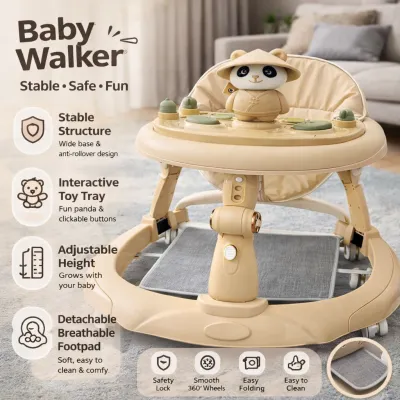
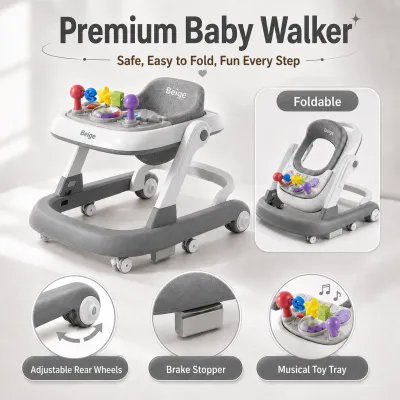
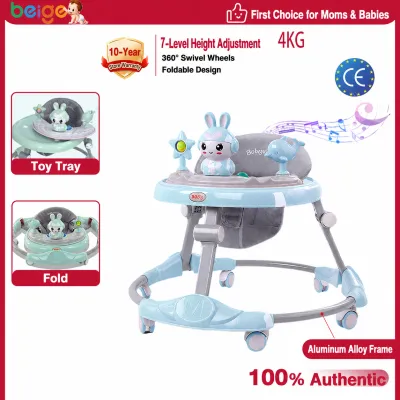
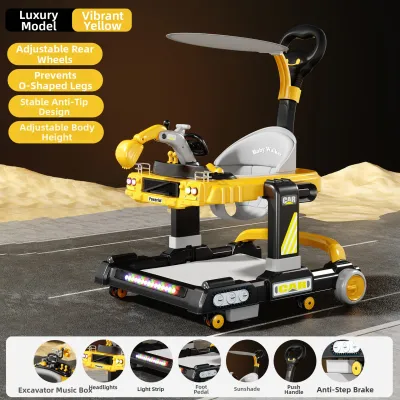
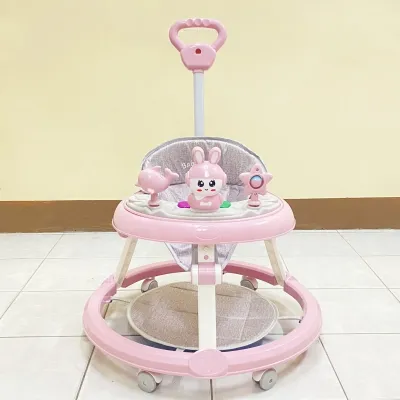
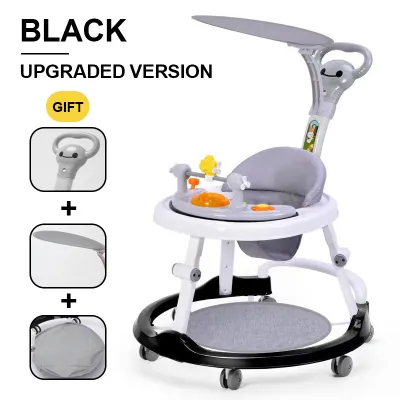
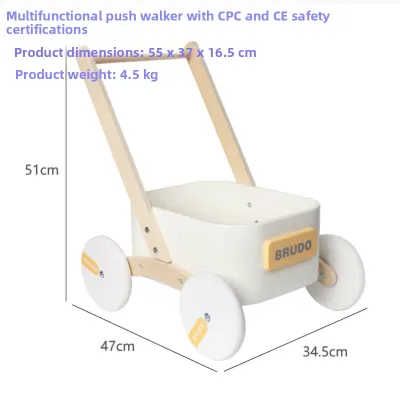
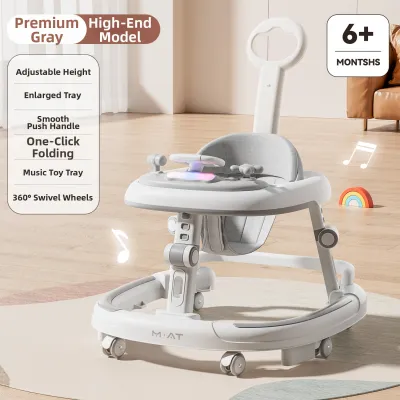
Prices are valid at publication and may change. Please refer to the product page for the latest price.
The physical structure of a baby walker is your first line of defense against tipping and falls. When evaluating different models, look for a wide, oversized base that extends significantly beyond the upper frame. This wide footprint lowers the center of gravity and prevents the walker from tipping over if your baby bumps into furniture or walls.
Additionally, check for the inclusion of anti-slip pads or friction strips on the underside of the base. These safety features are designed to automatically grip the floor and halt the walker’s momentum if a wheel slips over an edge, such as a threshold or a small step. Ensure these pads are made of durable, high-friction materials that can withstand daily wear and tear.
Adjustability and Flooring Compatibility
A baby’s physical alignment in a walker is crucial for healthy bone and muscle development. Look for models that offer multiple height adjustment levels. When your baby is seated, their feet must rest flat on the floor with a slight bend in the knees. If only their tiptoes touch the ground, it can strain their calf muscles and encourage an unnatural walking gait.
The type of flooring in your home heavily influences how a walker performs. Many homes in the Philippines feature polished ceramic tiles, marble, or smooth hardwood. On these surfaces, standard plastic wheels can slide too quickly, making it difficult for a young baby to control their speed. Look for walkers equipped with rubberized wheels or adjustable speed-control mechanisms. Rubber grips provide essential traction, preventing the walker from slipping out from under your baby, while speed controls allow you to lock or restrict wheel rotation as your baby builds leg strength.
Design, Themes, and Interactive Trays
For baby boys, interactive trays featuring vehicle dashboards, steering wheels, gears, and animal figures are highly engaging. These themes tap into their natural curiosity and encourage fine motor skills, such as grasping, turning, and pressing. However, it is vital to choose an activity tray that promotes learning without causing sensory overstimulation.
Look for toys that offer tactile variety—such as fabric textures, rotating beads, and mechanical gears—rather than relying solely on flashing lights and loud electronic noises. If the walker features musical toys, ensure it has a reliable volume control switch or a complete mute option. In close-knit Filipino households or multi-generational homes, the ability to lower the volume is a highly practical feature that prevents unnecessary noise fatigue for the rest of the family.
Top Types of Baby Walkers for Boys to Consider
To help you navigate the options available in local department stores and online marketplaces, we have categorized the most common types of walkers based on their design, functionality, and suitability for different home environments.

Best Convertible Walkers for Extended Use
Convertible walkers offer exceptional long-term value because they adapt to your baby’s growing developmental needs. These multi-functional designs typically transition from a traditional sit-in walker to a walk-behind push toy, and sometimes even into a stationary activity table. For an active baby boy, a car- or truck-themed convertible walker can serve as a personal “ride-on” toy long after they have learned to walk independently.
When choosing a convertible model, look for robust locking mechanisms that secure the frame when changing modes. The transition from a sit-in walker to a push toy must require a deliberate, multi-step process that a child cannot accidentally trigger.
What to verify before purchasing:
- Weight and Height Limits: Check the manufacturer's documentation for the maximum weight capacity in each mode. Sit-in modes often have lower weight limits (typically around 11 to 12 kilograms) compared to push-behind modes.
- Frame Lock Integrity: Ensure the frame locks securely into place without wobbling when converted.
- Wheel Locking: Verify if the rear wheels can be locked or restricted to prevent the walker from rolling away too quickly when used as a push toy.
Best Activity Walkers for Sensory and Motor Development
If your primary goal is to keep your baby boy mentally and physically engaged while they sit, look for a walker with a highly interactive front tray. These models are designed to stimulate hand-eye coordination and cognitive development. Popular designs for boys often feature miniature steering wheels that turn, gear shifters that click, and colorful shape sorters.
The physical actions required to operate these toys—such as sliding a bead, turning a key, or pressing a button—help develop the small muscles in your baby’s hands and fingers. This fine motor practice is just as important as the gross motor practice of leg movement.
What to verify before purchasing:
- Removable Toy Tray: Ensure the entire activity tray can be easily detached. Removing the tray reveals a flat surface underneath, which is highly convenient for serving quick snacks or using the walker as a temporary resting spot.
- Battery Compartment Security: Check that the battery compartment on the toy tray is secured with a screw to prevent curious hands from accessing the batteries.
- Ease of Cleaning: Look for plastic toys with minimal deep crevices where dirt, drool, or food crumbs can accumulate.
Best Compact and Foldable Walkers for Small Spaces
For families living in urban condominiums, townhouses, or apartments where space is at a premium, a bulky, non-folding walker can quickly become an obstacle. Compact, foldable walkers are designed to collapse flat, allowing you to slide them under a sofa, tuck them behind a door, or pack them into a car trunk for family trips.
When shopping for a compact model, pay close attention to the folding mechanism. It must fold down easily with a release button or lever, yet feature a safety lock that prevents the frame from collapsing while your baby is inside. Additionally, look for lightweight materials that do not sacrifice structural integrity.
What to verify before purchasing:
- Folded Height: Ensure the collapsed walker is thin enough to fit into your designated storage space.
- Seat Pad Washability: In the hot and humid Philippine climate, babies sweat frequently, and spills are common. Choose a model with a seat pad that is easily removable and explicitly labeled as machine-washable.
- Base Stability: Confirm that the compact design still features a wide, flared base when fully unfolded, as a narrow base increases the risk of tipping.
Essential Safety Rules and Supervision Guidelines
No matter how many safety features a baby walker has, it can never replace active adult supervision. Walkers give babies a level of mobility and speed they are not naturally prepared for, allowing them to reach hazards quickly. To keep your baby boy safe, you must adhere to strict safety practices and prepare your home environment thoroughly.
The Rule of Constant Supervision
A baby walker must never be used as a babysitter or a safe zone where a child can be left unattended. When your baby is in the walker, you or another caregiver must remain in the same room, keeping them within direct line of sight and arm’s reach at all times. A baby in a walker can move at speeds exceeding one meter per second, meaning they can reach a hazard in the blink of an eye.
Comprehensive Room-Proofing Checklist
Before placing your baby in a walker, you must secure the entire room to eliminate potential hazards. Use this checklist to prepare the space:
- Block All Stairs and Steps: Install secure, hardware-mounted safety gates at the top and bottom of all stairways. Pressure-mounted gates are not strong enough to stop a rolling walker.
- Secure Loose Rugs and Cords: Remove throw rugs, doormats, and loose electrical cords that could catch on the walker's wheels and cause it to tip over.
- Keep Hot Liquids and Hazards Out of Reach: Because a walker raises your baby's height, they can reach higher than usual. Ensure hot coffee, sharp objects, tablecloths, and heavy items are placed far back on tables and countertops.
- Restrict Access to Wet Areas: Keep bathroom doors firmly closed and ensure there is no access to swimming pools, laundry tubs, or open water containers, as drowning is a significant risk with wheeled mobility gear.
Time Limits and Physical Posture
To prevent muscle strain and ensure healthy physical development, limit your baby’s time in a traditional sit-in walker to short intervals of 15 to 20 minutes per session. Overusing a walker can lead to muscle fatigue and encourage poor posture, such as walking on tiptoes.
Babies need plenty of unstructured floor time—such as tummy time, crawling, and sitting independently—to develop the core strength, balance, and coordination required for natural walking. A walker should only be a minor supplement to their daily physical activity, not the primary method of movement.
When to Retire the Walker
You must stop using the baby walker immediately when your baby reaches any of the following milestones or physical limits:
- Attempts to Climb Out: If your baby boy tries to pull himself up or climb out of the seat, the risk of a fall increases dramatically.
- Independent Standing or Walking: Once your baby can stand alone or take steps without support, the walker has served its purpose.
- Manufacturer Limits: Stop use immediately if your baby exceeds the maximum weight or height limits specified in the product manual.
Alternatives to Traditional Sit-In Baby Walkers
If you are concerned about the safety risks of traditional wheeled sit-in walkers, or if your pediatrician advises against them, there are excellent alternatives that support your baby boy’s development without the same mobility hazards.
Push Walkers (Baby Push Toys)
Unlike sit-in walkers, push walkers require your baby to stand on their own feet and balance themselves while pushing the toy forward. This action supports natural walking mechanics, as it forces the baby to engage their core muscles, find their balance, and place their feet flat on the ground.
Look for sturdy push toys with a heavy base to prevent them from tipping forward when your baby pulls themselves up. Many push walkers feature engaging designs, such as miniature lawnmowers, shopping carts, or car dashboards, which appeal directly to active baby boys. Some models also include speed-adjustable rear wheels to prevent the toy from rolling away too quickly on smooth floors.
Stationary Activity Centers
Stationary activity centers, also known as jumpers or stationary entertainers, provide the upright positioning and interactive play of a walker but without any wheels. Your baby sits in a suspended seat that allows them to bounce, spin 360 degrees, and interact with surrounding toys, all while remaining safely in one spot.
These centers eliminate the risk of rolling down stairs or reaching dangerous objects. Many models feature exciting themes for boys, such as jungle safaris, space exploration, or race cars. To ensure safety, always check the manufacturer’s guidelines regarding weight limits and ensure your baby’s feet can touch the base properly.
Frequently Asked Questions (FAQ)
At what age can a baby boy start using a walker?
Readiness for a baby walker is determined by physical milestones rather than age alone. Generally, a baby can start using a walker when they can sit up completely unassisted, hold their head up steadily without support, and show a strong interest in moving their legs. This developmental stage typically occurs between 6 to 9 months of age. Always check the manufacturer’s documentation for the specific minimum age, weight, and height requirements of your chosen model.
Do baby walkers delay walking development?
Yes, excessive use of traditional sit-in walkers can delay natural walking development. When a baby is suspended in a seat, they do not have to balance their own body weight or engage their core muscles to stay upright. This can lead to an over-reliance on the walker and encourage walking on tiptoes, which can tighten the Achilles tendon. To support natural development, prioritize supervised floor play, crawling, and pulling up on furniture, and limit walker sessions to short intervals.
Community discussion
Share your experience or ask a question. Comments are reviewed before publication.