
Choosing the right baby toothbrush is a vital first step in establishing a lifetime of healthy oral hygiene. The best tool for your child depends entirely on their physical oral development, transitioning from soft silicone finger brushes or sterile gum wipes for newborns to silicone training brushes during early teething, and finally to ultra-soft nylon-bristled brushes once multiple teeth emerge. Selecting an inappropriate brush can lead to gum discomfort, ineffective plaque removal, or even safety hazards like choking.
By matching the toothbrush design to your baby’s specific developmental milestones, you ensure that oral care remains both safe and highly effective. This guide details how to choose the right toothbrush type for each stage, how to maintain strict hygiene standards in humid climates, and how to transition your child smoothly toward independent brushing.
Quick Guide: Matching Toothbrush Types to Your Baby's Stage
To help you make an immediate, informed decision, the table below maps out the recommended oral care tools based on your baby’s age and developmental milestones. These categories align with standard physical growth phases and typical price ranges in the local market.
Products mentioned in this guide

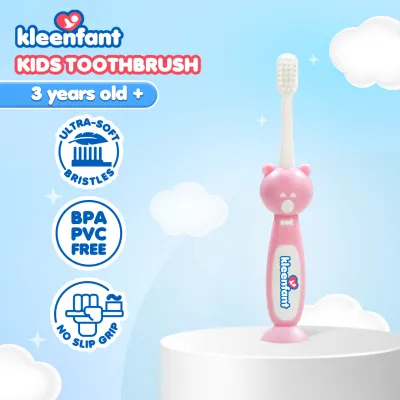

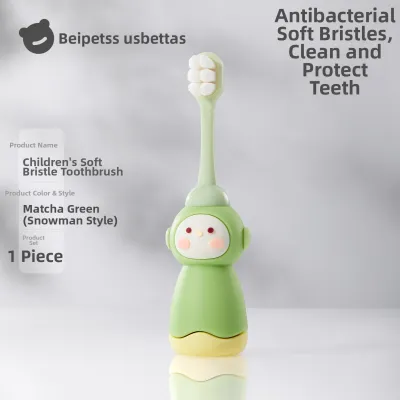
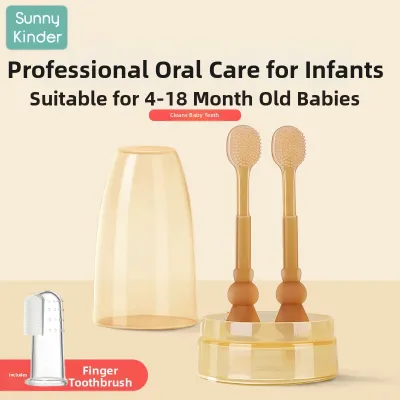
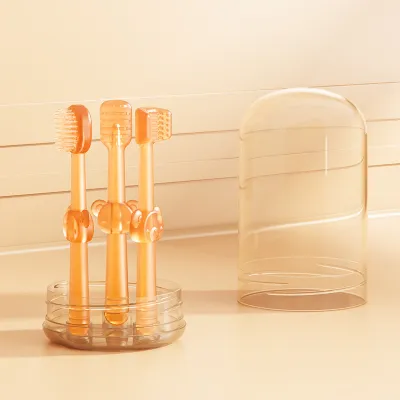
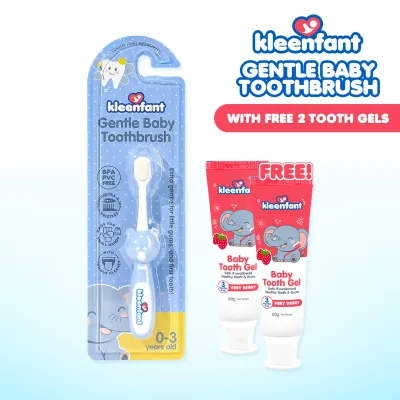
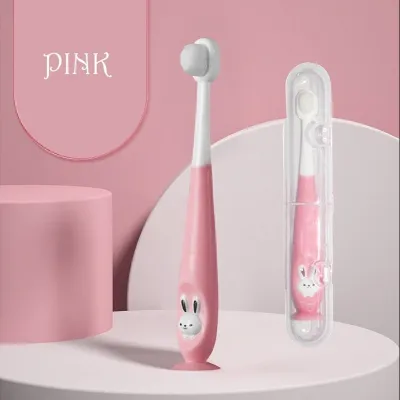
Prices are valid at publication and may change. Please refer to the product page for the latest price.
| Age Stage | Recommended Tool Type | Key Developmental Milestone | Primary Oral Care Goal | Typical Price Range (PHP) |
|---|---|---|---|---|
| 0 to 6 Months | Silicone finger brushes or sterile gum wipes | No teeth erupted; milk-only diet | Cleaning gums and tongue; desensitizing the oral cavity | Under ₱150 |
| 6 to 12 Months | Silicone training toothbrushes with choke guards | First primary teeth erupting; active teething | Soothing sore gums; introducing the physical habit of brushing | ₱150 to ₱400 |
| 12+ Months | Ultra-soft, nylon-bristled toddler toothbrushes | Multiple teeth erupted; first molars appearing | Efficient plaque removal; establishing a daily brushing routine | ₱150 to ₱500+ |
Every baby develops at their own unique pace, meaning chronological age is only a rough guideline. You should rely primarily on your child’s individual teething timeline and the specific manufacturer guidelines printed on product packaging rather than age ranges alone. If your baby erupts their first tooth early, or if their teeth are slow to emerge, adjust your choice of oral care tools to match their current physical development.
Why Development Stages Dictate Your Toothbrush Choice
A baby’s oral cavity undergoes rapid physical changes during the first two years of life. Before the first tooth erupts, the gums are highly vascular, sensitive, and easily irritated. Using a standard bristled brush during this pre-teething stage can cause micro-abrasions on the delicate oral mucosa, leading to pain and a negative association with oral care. Gentle stimulation with a soft cloth or a smooth silicone finger brush is all that is required to clear away milk residue and keep the gums healthy.

When active teething begins, babies experience a strong instinctual urge to bite and chew to relieve pressure on their swollen gums. During this phase, a traditional toothbrush is highly vulnerable to being chewed to pieces, which presents a severe choking hazard if bristles or plastic fragments break off. Silicone training brushes are specifically engineered to withstand this biting force, providing safe teething relief while simultaneously introducing the physical sensation of having a brush in the mouth.
Once multiple teeth erupt and meet each other, particularly when the first molars emerge, the oral care objective shifts from gum stimulation to active plaque removal. Silicone nubs and ridges are physically incapable of sweeping away the sticky bacterial plaque that accumulates in the deep grooves and tight spaces between real teeth. Transitioning to ultra-soft nylon bristles is necessary at this stage to prevent early childhood caries, commonly known as baby bottle tooth decay.
Always check product labels carefully before making a purchase. Manufacturers design baby toothbrushes with precise age, weight, and developmental recommendations to ensure structural safety and age-appropriate dimensions. Verifying these details helps you avoid purchasing a brush that is too large for your baby’s mouth or lacks essential safety features like choke guards.
Best Finger Brushes and Gum Wipes for Pre-Teething (0–6 Months)
What to Look For in Pre-Teething Tools
When selecting oral care tools for a baby who has not yet erupted teeth, material safety must be your absolute priority. Look for finger brushes made from 100% food-grade or medical-grade silicone that are explicitly labeled as free from BPA, phthalates, PVC, and latex. These materials are chemically inert, non-toxic, and highly resistant to bacterial growth, making them safe for daily contact with your infant’s mouth.
The texture of the finger brush should offer gentle, dual-sided functionality. One side should feature incredibly soft, rounded silicone nubs or micro-bristles to sweep away milk residue from the tongue, while the opposite side should have smooth massage ridges to soothe tender gums. This textured variety helps desensitize your baby’s mouth, making them much more receptive to oral care as they grow older.
An ergonomic, snug fit on the adult finger is another critical safety feature to verify. If a finger brush is too loose, it can easily slip off during use, posing an immediate choking hazard to your infant. Choose designs that feature a tapered interior or an integrated safety ring that you can grip with your thumb to keep the brush firmly anchored to your finger throughout the cleaning process.
Usage and Hygiene in Humid Climates
To clean your baby’s mouth, gently slip the clean finger brush over your index finger and moisten it slightly with clean, cooled boiled water. Gently wipe the upper and lower gums, the inside of the cheeks, and the surface of the tongue to clear away stubborn milk residue. This simple routine should be performed at least once a day, preferably before bedtime, to prevent the buildup of bacteria that can cause sour breath or oral thrush.
Sterilization of these tools must be performed strictly according to the manufacturer’s provided care instructions. While high-quality food-grade silicone can typically withstand boiling water or steam sterilization, some cheaper plastics or low-grade silicone blends may warp, degrade, or release harmful chemicals when exposed to extreme heat. Always verify the maximum temperature limit specified on the product packaging before placing any oral care tool in a steam sterilizer or boiling pot.
In warm, highly humid tropical climates like the Philippines, damp silicone and fabric gum wipes are highly susceptible to rapid mold growth and bacterial colonization. After cleaning and sterilizing, you must dry the finger brush thoroughly in a well-ventilated, clean area away from direct sunlight. Avoid storing damp brushes in enclosed plastic travel cases or dark drawers, as these stagnant environments promote the growth of black mold spots that can compromise your baby’s health.
Best Silicone Training Toothbrushes for Early Teething (6–12 Months)
Essential Safety and Design Features
The most critical safety feature to look for in a silicone training toothbrush is a built-in choke guard. This is typically a wide, circular shield or an oversized, loop-shaped handle that physically prevents the baby from inserting the brush too far into their mouth or throat. Without a reliable choke guard, a baby who is practicing holding their own brush could easily gag, choke, or suffer severe throat trauma if they trip and fall while holding the tool.
Always verify that the training brush is constructed entirely of BPA-free, food-grade silicone by inspecting the product packaging for certified safety labels. High-quality silicone is flexible, durable, and gentle on inflamed gums, making it the perfect material for babies who are actively cutting their first teeth. Avoid any brushes that feature painted designs, glued-on parts, or hard plastic cores that could potentially splinter or leach harmful chemicals when chewed.
The handle design should be optimized for dual-stage grip. It must be short, chunky, and textured so that your baby can easily grasp it with their developing fine motor skills, yet shaped in a way that allows you to comfortably hold and guide the brush at the same time. Many popular training brushes feature animal-inspired shapes, such as banana peels or penguin wings, which serve as highly effective, slip-resistant handles for tiny hands.
Transitioning from Chewing to Cleaning
During the early teething stage, your baby will naturally want to treat their training toothbrush as a teething toy. You can encourage this by letting them hold and chew on the soft silicone brush under your close supervision, which helps them associate oral care with comfort and play. While they chew, the textured silicone nubs will gently massage their gums and help clean the surfaces of their newly erupted front teeth.
However, self-chewing alone is not sufficient to maintain proper oral hygiene. Once your baby has finished exploring the brush, you must take control of the tool to perform the actual, thorough cleaning of their teeth and gums. Use gentle, circular motions to sweep away food particles and plaque, ensuring that you reach the back areas of the mouth where saliva can pool and encourage bacterial growth.
Because baby teeth can be surprisingly sharp, you must perform routine safety checks on all silicone training brushes before every single use. Inspect the silicone bristles and the choke guard closely for any signs of degradation, micro-tears, deep bite marks, or loose pieces. If you detect any damage, discard the brush immediately and replace it with a new one, as loose silicone fragments can easily be swallowed or inhaled by your baby.
Best Soft-Bristle Toothbrushes for Toddlers (12+ Months)
Bristle and Head Specifications
When your toddler reaches approximately 12 months of age and has erupted multiple teeth—including their first primary molars—it is time to transition to a traditional toothbrush. The bristles of this brush must be labeled as “extra-soft” or “ultra-soft” and should ideally be made from high-quality nylon or polyester. These fine, flexible bristles are essential for sweeping away sticky plaque from the deep grooves of the molars and the gaps between teeth without scratching the thin, developing tooth enamel or irritating the delicate gum line.
The brush head must be exceptionally small, compact, and rounded to match the tight physical dimensions of a toddler’s mouth. A brush head that is too large will be highly uncomfortable, making it difficult to maneuver around the back molars and increasing the likelihood of triggering your child’s gag reflex. Look for heads that feature a soft, rubberized coating around the outer edges to cushion the inner cheeks and gums against accidental bumps during brushing.
An ergonomic, non-slip handle is another indispensable feature for toddler toothbrushes. The handle should be chunky and covered in rubberized, high-friction grip patterns to help your toddler practice their grip as they attempt to brush independently. At the same time, the handle must be long enough for you to comfortably grasp the end, allowing you to maintain ultimate control and guide the brushing motion to ensure every tooth surface is thoroughly cleaned.
Establishing a Safe Brushing Routine
Introducing toothpaste is a major milestone in your toddler’s oral care routine. Local pediatric dental authorities in the Philippines generally recommend using a tiny smear of fluoride toothpaste—no larger than a single grain of rice—as soon as the first teeth erupt, provided the child is supervised to prevent swallowing. However, because local water supplies and individual dietary habits vary widely across different regions, you should always consult your pediatric dentist to receive personalized recommendations regarding fluoride use and dosage.
Active parental supervision and assistance are absolutely mandatory during this stage of development. Toddlers do not possess the manual dexterity or the cognitive understanding required to clean their own teeth effectively, often simply sucking the toothpaste off the brush or focusing only on their front teeth. Allow your child to practice brushing first to build their confidence, but always follow up by thoroughly brushing their teeth yourself to ensure all plaque is removed.
To maintain optimal hygiene and cleaning efficiency, you must replace your toddler’s toothbrush at least once every three months. The fine bristles will naturally wear down, splay outward, and lose their ability to clean effectively over time. Additionally, you should discard and replace the toothbrush immediately if your child recovers from an infectious illness, such as a cold, flu, or hand-foot-and-mouth disease, or if you notice that the bristles have become frayed, bent, or discolored.
Safety and Maintenance Checklist for Baby Oral Care
To ensure your baby’s toothbrush remains hygienic and safe to use, establish a strict daily cleaning and storage routine. After every brushing session, rinse the toothbrush thoroughly under warm, running water to flush away all remaining toothpaste, food particles, and saliva. Shake off any excess water and store the brush in a strictly upright position in a clean cup or holder, allowing it to air-dry completely.
Never store your baby’s toothbrush inside a closed plastic travel cap, a damp drawer, or a dark cabinet, as these stagnant, humid environments are highly conducive to the rapid proliferation of mold, mildew, and harmful bacteria. Additionally, ensure the toothbrush holder is positioned far away from the toilet area to prevent potential aerosol contamination from toilet flushes. If you use a shared family toothbrush holder, make sure your baby’s brush head does not physically touch other family members’ brushes to prevent the cross-transmission of cavity-causing bacteria.
Regularly inspect the toothbrush for clear discard conditions that indicate it is no longer safe for use. If you observe any frayed or splayed bristles, torn silicone parts, visible black mold spots, or unexplained plastic discoloration, discard the brush immediately. Using a compromised toothbrush can damage your baby’s delicate gums, introduce harmful pathogens into their mouth, or present a dangerous choking hazard if worn parts break off during brushing.
+-------------------------------------------------------------------------+
|                       BABY ORAL CARE SAFETY WARNINGS                    |
+-------------------------------------------------------------------------+
|  1. NEVER leave a baby or toddler unattended with any toothbrush.       |
|  2. DO NOT allow your child to walk, run, or crawl while holding a      |
|     toothbrush, as a sudden fall can cause severe throat trauma,       |
|     choking, or eye injuries.                                           |
|  3. ALWAYS verify specific product warnings and age recommendations     |
|     on the packaging before purchase.                                   |
|  4. CONSULT a pediatric dentist if you are unsure about your baby's     |
|     oral development or have questions about their teething progress.   |
+-------------------------------------------------------------------------+
Frequently Asked Questions (FAQ)
When should I start using toothpaste on my baby's toothbrush?
You should generally transition from using water-only brushing to using a tiny smear of toothpaste—about the size of a single grain of rice—as soon as your baby’s first primary teeth begin to erupt. It is highly recommended to consult your pediatric dentist for personalized fluoride recommendations. They can evaluate your child’s specific risk of tooth decay, taking into account local water fluoridation levels, dietary factors, and overall oral health to determine whether fluoride or non-fluoride toothpaste is most appropriate for your baby’s current stage.
Can I use a regular soft adult toothbrush for my toddler?
No, you should never use an adult toothbrush for a baby or toddler, even if the packaging claims the bristles are soft. Adult toothbrushes feature brush heads that are far too large for a child’s small mouth, which can cause physical pain, bruising, and a severe gag reflex that may make your child fear brushing. Furthermore, the bristles on adult brushes are often too stiff for delicate toddler gums, and the long, thin handles do not allow toddlers to develop a proper grip or let parents maintain safe control during brushing.
How do I properly sterilize silicone baby toothbrushes?
To properly sterilize a silicone baby toothbrush, you must always check the manufacturer’s product label first to identify the specific temperature limits of the materials used. Many high-quality, food-grade silicone brushes can safely withstand boiling water for up to five minutes or be placed in a standard steam sterilizer. However, excessive heat can quickly degrade lower-quality silicone blends, warp plastic components, or melt protective handles, so you must strictly adhere to the manufacturer’s approved sterilization methods and discard any brush that shows signs of heat damage.
Community discussion
Share your experience or ask a question. Comments are reviewed before publication.