
Finding the right baby swing in the Philippines is a major milestone for parents looking to balance household tasks with their baby’s comfort. A high-quality baby swing provides a secure, soothing environment that mimics the natural movement of a parent’s arms. However, a swing that works wonders for a sleepy newborn can quickly become impractical, or even unsafe, for an active older baby.
To make an informed purchase, you must understand how your baby’s physical development dictates the type of swing they need. Newborns require complete physical support and gentle, rhythmic motions to help them transition to life outside the womb. Older babies, on the other hand, demand structural durability, secure restraint systems, and interactive elements that cater to their growing curiosity and physical strength. Selecting the wrong model can lead to developmental discomfort or safety hazards, making it crucial to evaluate your options carefully.
In the tropical Philippine climate, practical considerations like fabric breathability, ease of cleaning, and power reliability during sudden weather disruptions also play a major role in your decision. By focusing on your baby’s current developmental stage and weight, you can select a swing that offers the maximum benefit for your family. This guide breaks down the essential selection criteria, safety rules, and structural features you must verify before buying.
Products mentioned in this guide
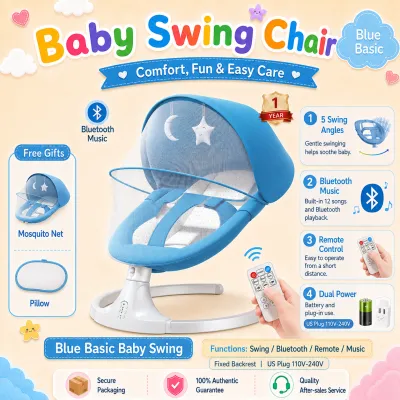
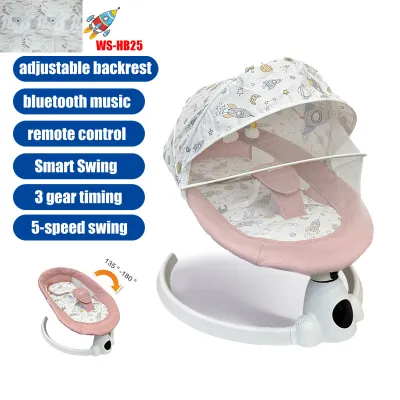
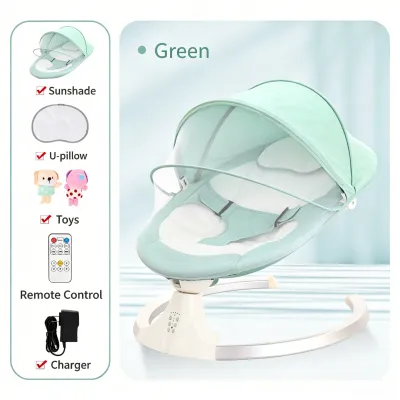
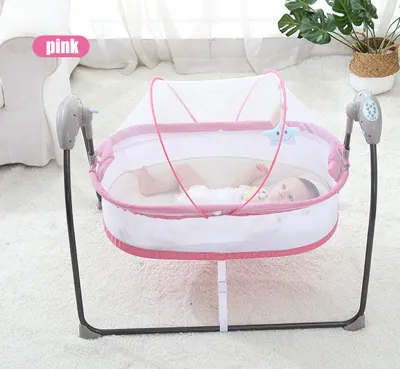
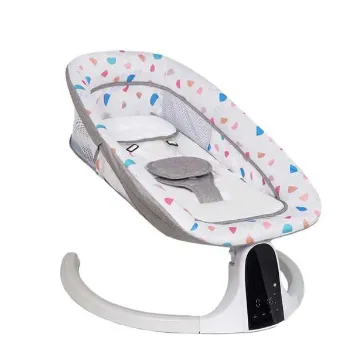
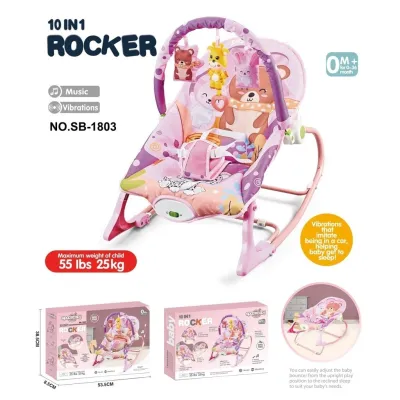
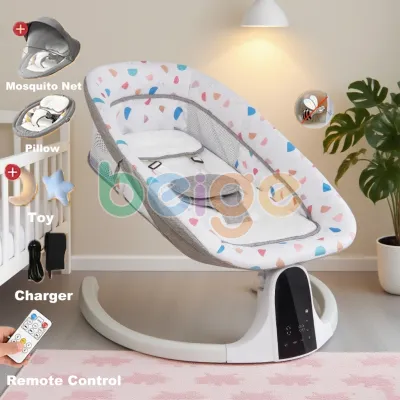
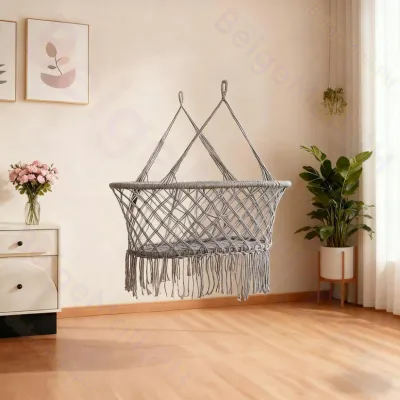
Prices are valid at publication and may change. Please refer to the product page for the latest price.
How to Choose a Baby Swing Based on Your Baby's Age
Your baby’s age, weight, and motor skills are the ultimate deciding factors when choosing a baby swing. Infants undergo rapid physical changes during their first year, meaning a swing’s structural design must align precisely with their muscle development. Placing a baby in a swing that does not match their developmental stage can strain their delicate spine or fail to keep them securely contained.
Newborns from birth to around six months old lack the muscle strength to support their own heads and trunks. They require a swing that offers a deep recline and specialized head support to prevent their heads from slumping forward, which can compromise their airway. The motion must be gentle and consistent, designed to soothe rather than entertain. At this stage, the primary goal of the swing is to provide a calm, womb-like environment.
Once a baby reaches approximately six months of age, their physical needs shift dramatically. Older babies have developed head control, are learning to sit up, and are highly motivated to interact with their surroundings. They require a swing that allows for a more upright seating position so they can look around. Because they are heavier and much more active, the swing must feature a robust frame that remains stable during vigorous movement, along with a more secure harness system.
When evaluating any baby swing, you should focus on four primary dimensions:
- Weight Capacity: Every swing has a strict minimum and maximum weight limit specified by the manufacturer. You must verify these limits on the product label before use, as exceeding them can cause the motor to fail or the frame to buckle.
- Harness Type: Swings generally come with either a 3-point harness (securing the waist and crotch) or a 5-point harness (adding shoulder straps). While a 3-point harness may suffice for a stationary newborn, a 5-point harness is essential for older, more active babies who can wiggle or lean forward.
- Motion Directions: Some swings move strictly front-to-back, while others offer side-to-side swaying or multi-directional glide patterns. Multi-directional options are highly versatile, allowing you to discover which motion your baby prefers.
- Power Source: Swings are powered by AC wall adapters, batteries, or a combination of both. In the Philippines, where localized power outages can occur during the rainy season, a dual-power model offers valuable peace of mind.
Always check the manufacturer’s physical label and instruction manual to confirm the age and weight parameters before making your purchase. Never rely solely on retail descriptions or generic age recommendations, as specifications vary widely between brands.
Top Baby Swing Features and Picks for Newborns (0-6 Months)
For the first six months of life, a newborn’s safety and comfort depend on physical support. Because newborns cannot support their own heavy heads, the swing seat must have a deep recline. Look for models that offer adjustable recline angles, allowing you to lay the seat back significantly. The seat fabric should be plush yet highly breathable; in warm Philippine weather, soft mesh panels or hypoallergenic cotton covers help prevent heat rash and keep your newborn comfortable.

An infant insert is another vital feature for newborns. These padded cushions cradle the baby’s body and keep their head centered, preventing it from tilting sideways. Ensure that any insert or head support is removable so you can wash it frequently, as spit-ups and diaper leaks are common. The motion settings must include ultra-low speeds, as fast or jerky movements can startle or overstimulate a young baby.
Multi-directional swings are highly beneficial for newborns because they mimic different soothing techniques. A side-to-side sway often replicates the gentle rocking motion of a parent’s arms, which can be highly effective at calming a fussy infant. Front-to-back motion simulates a traditional swing and may appeal to babies who prefer a more pronounced sensation of movement. Having both options increases the likelihood that the swing will successfully soothe your newborn.
When shopping in the Philippines, you will encounter several product types designed specifically for newborns. Portable compact swings are excellent for smaller living spaces or for moving from room to room. Premium multi-motion infant seats offer advanced, high-tech gliding motions that slide smoothly. When evaluating these options, prioritize models that feature a sturdy, low-profile base and a secure 3-point or 5-point harness.
Before placing your newborn in any swing, verify that the seat is locked into its most reclined position. Limit swing sessions to short intervals, and always maintain direct line-of-sight supervision. A baby swing is a supervised activity tool, not a place for unsupervised rest.
Top Baby Swing Features and Picks for Older Babies (6+ Months)
As your baby crosses the six-month mark, their relationship with the baby swing changes. They are no longer content simply lying back and swaying; they want to see what is happening around them. To accommodate this, look for swings with adjustable seat backs that can be locked into an upright position. This allows your baby to observe their environment, engage with family members, and enjoy the swing as an interactive play space.
Entertainment features become highly valuable during this stage. Look for swings equipped with overhead toy bars, rotating mobiles, or electronic consoles that play cheerful melodies and nature sounds. These features encourage hand-eye coordination as your baby reaches for dangling toys. The seat cover must be exceptionally durable and easy to clean, preferably machine-washable, as older babies are prone to drooling, teething, and messy snack times.
Because older babies are heavier and highly active, structural stability is paramount. Look for swings with wide, heavy bases made of steel or reinforced aluminum. The feet of the swing should have non-slip rubber grips to prevent the frame from sliding across polished wood or tiled floors, which are common in Philippine homes. A secure 5-point harness is absolutely mandatory at this stage; active babies will lean, twist, and attempt to sit up, and shoulder straps are necessary to prevent them from tumbling out of the seat.
When selecting a swing for an older baby, focus on models with higher weight capacities, often extending up to 9 kg to 11 kg or more. Some convertible swing-to-rocker models allow you to detach the seat from the motorized base, transforming it into a manual rocker or stationary toddler chair. This extends the product’s lifespan and provides excellent value for your investment.
Keep a close eye on your baby’s physical milestones. The moment your baby attempts to sit up unassisted, tries to climb out of the seat, or reaches the manufacturer’s maximum weight limit, you must stop using the swing immediately. Continuing to use the swing past these milestones poses a severe tipping hazard.
Quick Comparison: Newborn vs. Older Baby Swing Needs
To help you quickly identify the features that matter most for your baby’s current developmental stage, refer to the comparison table below:
| Feature | Newborns (0-6 Months) | Older Babies (6+ Months) |
|---|---|---|
| Primary Goal | Soothing, calming, and resting | Entertainment, sensory play, and observation |
| Recline Position | Deep, near-flat recline | Upright or semi-upright seating |
| Harness Requirement | 3-point minimum (5-point preferred) | 5-point essential |
| Motion Preference | Gentle, slow, continuous sway | Variable speeds and bouncy, interactive motions |
| Weight Limit Focus | Low minimum weight (typically 2.5–3 kg) | High maximum weight capacity (typically 9–11+ kg) |
Some manufacturers offer convertible 2-in-1 or 3-in-1 swings designed to bridge the gap between these two stages. These models typically feature a detachable seat that can transition from a reclined infant cradle to an upright toddler rocker. Before purchasing a convertible model, you must carefully verify the weight and age limits for each individual configuration, as the maximum weight limit for the motorized swing mode is often lower than the limit for the manual rocker mode.
Essential Safety Rules and When to Stop Using the Swing
No matter how convenient a baby swing is, safety must always come first. The most critical safety rule is that a baby swing is not safe for sleep. If your baby falls asleep in the swing, you must immediately transfer them to a firm, flat crib, bassinet, or playpen. The semi-upright angle of a swing seat can cause a sleeping baby’s heavy head to slump forward onto their chest, compressing their airway and leading to positional asphyxiation. This risk is particularly high for newborns who lack neck control.
You must also monitor your baby’s physical development to know exactly when to retire the swing. Stop using the swing immediately if your baby exhibits any of the following milestones:
- They can sit up completely unassisted.
- They attempt to push up on their hands and knees or climb out of the seat.
- They reach the manufacturer's maximum weight or height limit.
Always place the baby swing on a flat, stable floor surface. Never place a swing on elevated surfaces such as beds, sofas, dining tables, or kitchen countertops. The motion of the swing, combined with the baby’s movement, can cause the unit to slide off the edge, resulting in severe fall injuries.
Finally, always register your purchase with the manufacturer. This ensures you will receive direct notifications regarding any safety recalls, product updates, or parts replacements. Taking a few minutes to fill out the registration card or online form is a simple but vital step in keeping your baby safe.
Frequently Asked Questions (FAQ)
Can a newborn sleep in a baby swing overnight?
No, a newborn must never sleep in a baby swing overnight or for any extended, unsupervised period. Baby swings are not approved or designed for safe infant sleep. The semi-inclined angle of the swing seat poses a serious risk of positional asphyxiation, as a newborn’s weak neck muscles cannot prevent their head from falling forward and blocking their airway. If your baby falls asleep while swinging, gently remove them and place them on their back on a firm, flat mattress in a crib or bassinet immediately.
How long can a baby stay in a swing per day?
It is recommended to limit your baby’s time in a swing to short intervals of 30 minutes or less per session, up to a maximum of one hour total per day. Spending excessive time in a swing restricts your baby’s natural movement and can delay important motor milestones, such as rolling, crawling, and sitting. Additionally, resting in a semi-upright seat for prolonged periods can contribute to positional plagiocephaly, commonly known as flat head syndrome. Use the swing as a temporary tool for soothing, and prioritize floor play and tummy time for your baby’s physical development.
Are plug-in or battery-operated baby swings better?
Both power sources have distinct advantages depending on your lifestyle and home setup. Plug-in swings provide consistent, reliable power without the recurring cost of batteries, making them ideal for high-use areas near an electrical outlet. Battery-operated swings offer superior portability, allowing you to move the swing outdoors or to areas without nearby plugs. In the Philippines, a dual-power swing that offers both options is highly practical, ensuring the swing remains functional during localized power outages. Always ensure that power cords are kept completely out of your baby’s reach to eliminate strangulation hazards.

Community discussion
Share your experience or ask a question. Comments are reviewed before publication.