
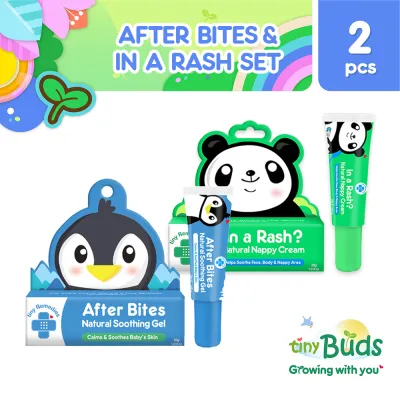
In the tropical climate of the Philippines, insect bites are an almost daily challenge for parents. The combination of high humidity and year-round warm temperatures creates an ideal breeding ground for mosquitoes and other biting insects. When a baby gets bitten, their immediate instinct is to scratch, which can quickly lead to broken skin, discomfort, and secondary bacterial infections. Finding a reliable, gentle remedy is a top priority for caregivers searching for effective solutions like after bites tiny buds to soothe their little ones. However, because an infant’s skin is incredibly delicate and highly sensitive, choosing the right soothing product requires careful evaluation of ingredients, formulations, and safety profiles.
Quick Guide: What Makes an After-Bite Product Baby-Safe?
Understanding what makes an after-bite product truly safe for babies is the first step in protecting your child’s delicate skin barrier. Infant skin is structurally different from adult skin; it is up to 30% thinner, loses moisture more rapidly, and is significantly more permeable. This increased permeability means that whatever you apply to your baby’s skin is absorbed much more quickly and deeply into their system. Consequently, products formulated for adults or older children can easily overwhelm a baby’s developing organs and trigger severe localized or systemic reactions.
To ensure a product is safe, your absolute first step must always be to check the manufacturer’s age recommendations printed on the packaging. Do not assume that a product labeled “natural” or “gentle” is safe for a newborn. Many formulations are specifically segmented by developmental stages, distinguishing between products suitable for newborns, infants aged six months and older, or toddlers. Suitability must always be verified using the product’s official documentation rather than relying solely on a marketing name.
Products mentioned in this guide
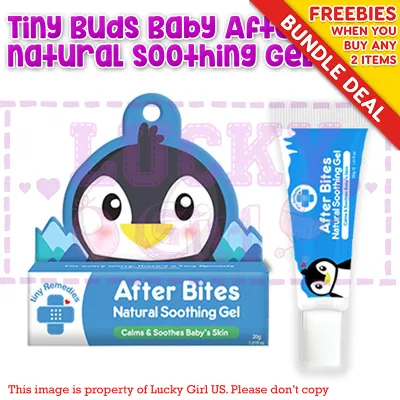
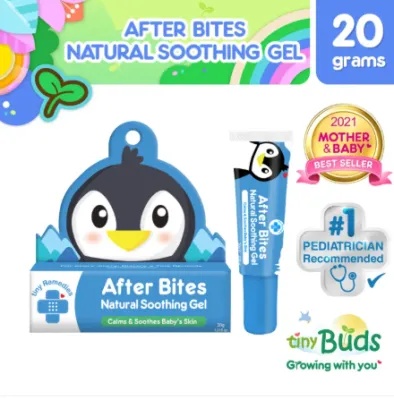
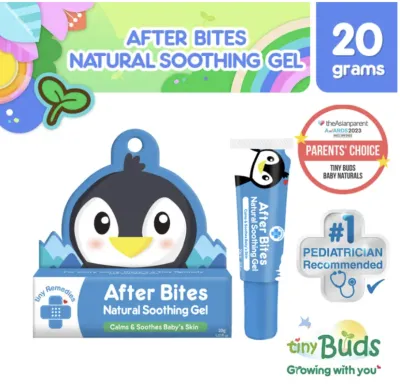
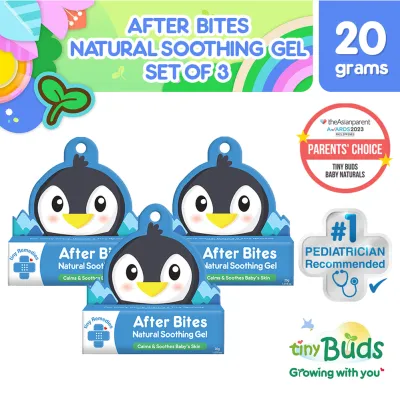
Prices are valid at publication and may change. Please refer to the product page for the latest price.
Before applying any new soothing cream or gel to an active bite, performing a patch test is highly recommended to rule out individual sensitivities. Furthermore, you should avoid introducing strong active ingredients, such as synthetic topical anesthetics or high-strength steroids, without explicit guidance from your pediatrician. The ideal after-bite solution is one that respects the fragile nature of infant skin while offering targeted, age-appropriate relief from itching and inflammation.
Key Ingredients to Look For and Avoid
Reading and understanding the ingredient list on baby skincare products is an essential skill for modern parents. Manufacturers often use marketing terms that can be misleading, but the ingredient deck on the back of the bottle always reveals the true nature of the formulation. When evaluating after-bite remedies, you want to focus on ingredients that actively support the skin’s natural healing process while avoiding harsh chemicals that can cause systemic harm.

Gentle Ingredients for Soothing Relief
To calm the intense itch of an insect bite and reduce localized redness, look for time-tested, low-risk ingredients that work in harmony with delicate skin.
- Colloidal Oatmeal: This ingredient is highly regarded for its skin-protecting and anti-inflammatory properties. It contains active compounds called avenanthramides, which help inhibit inflammatory pathways in the skin. When applied to a bite, colloidal oatmeal forms a micro-fine, protective barrier over the skin, locking in moisture and physically blocking environmental irritants while soothing the urge to scratch.
- Aloe Vera: Known for its high water content and natural cooling properties, aloe vera provides immediate physical relief to warm, inflamed bites. It helps lower the localized skin temperature, reducing the throbbing sensation often associated with mosquito bites.
- Calamine: A classic dermatological choice, calamine consists of zinc oxide and a small amount of ferric oxide. It serves as a mild astringent that helps dry up any weeping or oozing from scratched bites while delivering a gentle, cooling sensation that distracts the baby from the itch. Additionally, zinc oxide acts as a mild antiseptic, helping to prevent minor infections.
- Chamomile Extract: Rich in bisabolol, chamomile extract is excellent for reducing redness and swelling. It works at a cellular level to calm irritated skin tissues without causing dryness.
While these ingredients are generally safe, parents must remain vigilant and check the label for added synthetic fragrances or artificial dyes. These additives serve no therapeutic purpose and are among the most common triggers for contact dermatitis in young children.
Harsh Chemicals to Keep Away from Baby Skin
While adult after-bite sticks often rely on strong chemical agents to provide instant relief, these same substances can be highly toxic to infants.
- Camphor and Menthol: These ingredients create a strong cooling or tingling sensation that can easily overwhelm a baby's nervous system. Camphor, in particular, is rapidly absorbed through thin skin and can lead to serious systemic toxicity if ingested or applied over large areas. Menthol can also cause respiratory distress in very young infants if applied near the face or chest.
- Hydrocortisone: While low-dose hydrocortisone is sometimes prescribed for severe localized swelling, you should never use over-the-counter steroid creams on your baby without a pediatrician's direct authorization. Prolonged or improper use of topical steroids on thin infant skin can lead to skin thinning, systemic absorption, and adrenal suppression.
- Essential Oils: Undiluted or highly concentrated essential oils, such as eucalyptus, peppermint, or tea tree oil, are far too potent for babies. They can cause severe chemical burns, contact allergies, and respiratory irritation when the vapors are inhaled. Even botanical oils like citronella, while useful as repellents on intact skin, should not be applied to broken or inflamed bite marks.
- Ammonia and Strong Antihistamines: Many commercial after-bite pens contain ammonia to neutralize insect venom, which is highly alkaline and can cause severe chemical irritation on baby skin. Similarly, topical antihistamines (such as diphenhydramine creams) should be avoided unless recommended by a doctor, as they can cause sensitization and paradoxical agitation when absorbed through the skin.
Best Types of Soothing Solutions for Tiny Buds
The physical format of an after-bite product plays a major role in how effective and comfortable it is for your baby, especially given the hot and humid climate of the Philippines. Choosing the right consistency ensures the product stays in place without causing secondary skin issues like heat rash or clogged pores.
Lightweight Lotions and Creams
Liquid and cream formulations are highly versatile and are particularly suited for situations where a baby has received multiple bites across a larger area of the body.
In a humid tropical environment, lightweight, water-based lotions are highly preferable. The high humidity in the Philippines (often exceeding 80%) affects sweat evaporation. When sweat cannot evaporate, it mixes with heavy creams, leading to sweat gland blockage and heat rash (miliaria rubra). Water-based formulations absorb rapidly into the skin, delivering active soothing ingredients without leaving a heavy, occlusive layer.
However, if your baby has naturally dry or eczema-prone skin, a slightly richer cream containing ceramides or shea butter may be beneficial to help rebuild the compromised skin barrier. When using these thicker creams, apply them sparingly and only to the specific bite sites to prevent heat retention. Always observe how your baby’s skin reacts in different microclimates, such as air-conditioned rooms versus fan-cooled outdoor areas.
Targeted Roll-Ons and Cooling Gels
For single, isolated bites, targeted application formats offer unmatched convenience and hygiene.
Roll-on applicators are an excellent choice for parents on the go. The roll-on ball allows you to apply the soothing liquid directly to the bite without having to touch the irritated skin with your fingers. This significantly reduces the risk of transferring bacteria from your hands to your baby’s skin, and it keeps your fingers clean and free of residue.
Cooling gels are another highly effective format for localized relief. These water-based gels glide on smoothly and evaporate quickly, providing an immediate physical cooling sensation that mimics the relief of an ice pack without the intense cold. Because they leave no sticky or greasy residue behind, they prevent environmental dust, dirt, or sand from adhering to the bite, which is particularly useful during outdoor play or trips to the park.
Selecting After Bites: Tiny Buds and Baby-Safe Alternatives
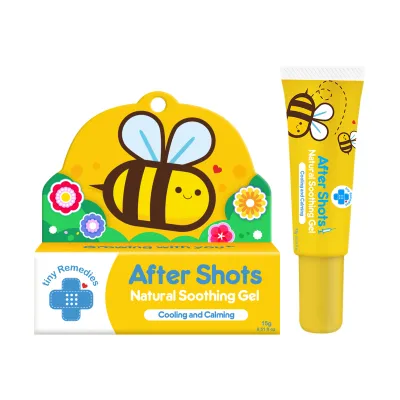
When searching for the best products, parents frequently come across popular search terms and brand pairings like after bites tiny buds. Navigating these options requires a methodical approach to ensure you are purchasing authentic, age-appropriate formulations that suit your baby’s specific needs.
Many trusted local and international brands offer specialized baby skincare lines designed to address insect bites. When evaluating these products, do not rely solely on the brand name or attractive packaging. It is vital to visit the manufacturer’s official website or read the product packaging directly to verify the exact age suitability, complete active ingredient list, and expiration dates. A product line may include several formulations that look similar but are intended for different age brackets.
It is also important to demystify the terms “natural” and “organic.” While these labels are highly appealing, they do not automatically guarantee that a product is hypoallergenic or allergen-free for your infant. Natural plant extracts, such as chamomile, calendula, or lavender, can still trigger allergic reactions in babies with sensitive skin. Always review the full ingredient list to ensure there are no hidden botanical irritants.
Furthermore, the risk of counterfeit or improperly stored baby skincare products is a serious concern, especially when purchasing through online marketplaces. Heat and humidity can degrade natural active ingredients, rendering them ineffective or even irritating. To protect your baby, only purchase after-bite products from authorized pharmacies, official brand flagship stores, or reputable baby specialty retailers. Look for intact security seals, clear batch codes, and manufacturing dates to ensure the product has been stored in temperature-controlled environments.
Safe Application Routine and When to See a Doctor
Applying an after-bite product is not just about rubbing cream onto a spot; it requires a clean, systematic routine to maximize soothing benefits and prevent complications like secondary infections.
Step 1: Preparation Before applying any product, wash your hands thoroughly with soap and water. Gently clean your baby’s insect bite using mild, fragrance-free baby soap and cool water. This removes any lingering insect saliva, dirt, or bacteria from the skin surface. Pat the area completely dry with a clean, soft towel; avoid rubbing, which can worsen the itch and spread inflammation.
Step 2: Patch Testing If you are using a product for the very first time, perform a patch test. Apply a tiny, pea-sized amount of the lotion or gel to a small, unaffected area of your baby’s skin, such as the inner forearm or the side of the calf. Monitor the area for 24 hours. If you notice any redness, swelling, bumps, or signs of discomfort, wash the product off immediately and do not use it on insect bites.
Step 3: Application Once safety is verified, apply a very thin, even layer of the soothing product directly onto the bite. Avoid slathering large amounts, as excess product can clog pores or be wiped off onto clothing and bedsheets. To prevent your baby from scratching the bite and introducing bacteria from under their fingernails, keep their nails trimmed short and smooth. For infants, using soft cotton mittens can provide an extra layer of protection during sleep.
Medical Red Flags While most insect bites are harmless and resolve within a few days, you must monitor the area closely for complications. Stop using any over-the-counter soothers immediately and consult your pediatrician if you observe any of the following warning signs:
- Swelling that spreads rapidly beyond the immediate area of the bite.
- The bite site feels hot to the touch, looks increasingly red, or begins oozing pus, which are classic signs of a secondary bacterial infection.
- Your baby develops a fever, becomes unusually lethargic, or shows signs of systemic distress.
- Signs of a severe systemic allergic reaction (anaphylaxis) appear, such as widespread hives, facial or lip swelling, wheezing, or difficulty breathing. In the event of respiratory distress or facial swelling, seek emergency medical care immediately. Do not rely on over-the-counter after-bite creams to treat systemic allergic reactions or infections.
Frequently Asked Questions (FAQ)
Can I use adult after-bite products on my baby?
No, you should never use adult after-bite products on an infant or toddler. Adult formulations frequently contain high concentrations of active ingredients like camphor, menthol, ammonia, or strong antihistamines. Because a baby’s skin is much thinner and more permeable than adult skin, these chemicals are absorbed into the bloodstream at a much higher rate, posing a risk of systemic toxicity. Additionally, strong vapors from ingredients like menthol can cause respiratory irritation or bronchospasms in young infants. Always choose products specifically formulated and labeled for babies.
How often should I apply soothing lotion on a baby's bug bite?
You must strictly follow the specific manufacturer’s instructions printed on the product label regarding application frequency. Most baby-safe soothing lotions are designed for application two to three times a day. If your baby’s itching, redness, or discomfort persists or worsens after a few days of regular, compliant application, stop using the product and consult your pediatrician for a professional assessment and alternative treatment options.
What is the difference between mosquito repellents and after-bite soothers?
Mosquito repellents and after-bite soothers serve completely opposite purposes in skincare. Repellents, which often contain active ingredients like Picaridin, DEET, or specific botanical oils, are designed strictly for prevention; they deter insects from landing on the skin and must never be applied to broken skin, open wounds, or existing insect bites. Conversely, after-bite soothers are formulated solely to calm inflammation, reduce itching, and repair the skin barrier after a bite has already occurred. They do not contain repellent properties and will not prevent new insect bites.
Community discussion
Share your experience or ask a question. Comments are reviewed before publication.