
The transition to weaning is an exciting milestone, but it fundamentally alters your daily preparation routines. When your baby begins exploring solid foods, their reliance on milk gradually shifts, changing how you prepare, carry, and store formula. Finding the best baby milk powder container for weaning-stage babies in the Philippines requires balancing portability, strict moisture protection against tropical humidity, and long-term versatility. The ideal container not only keeps formula dry and safe from spoilage but also adapts to hold snacks and small meals as your child grows.
How Weaning Changes Your Milk Powder Storage Needs
During the first six months, your baby’s nutrition comes entirely from breast milk or formula, meaning you likely rely on large, heavy tins sitting on your kitchen counter. However, as solid foods—such as fruit purees, mashed vegetables, and infant cereals—are introduced, the volume of formula your baby consumes per feed begins to decrease. This shift means you no longer need to prepare massive quantities of milk at once, but you do need to manage a more complex, mixed-feeding schedule throughout the day.
This transitional phase increases your need for portability. Instead of staying home near your primary sterilization and preparation setup, you are more likely to take your weaning baby out for short trips, doctor visits, or family gatherings in local parks and malls. Carrying a massive, half-empty tin of formula in your diaper bag is highly impractical. You need compact, lightweight storage solutions that allow you to transport precise, pre-measured portions of milk powder alongside your baby’s new solid snacks.
Products mentioned in this guide
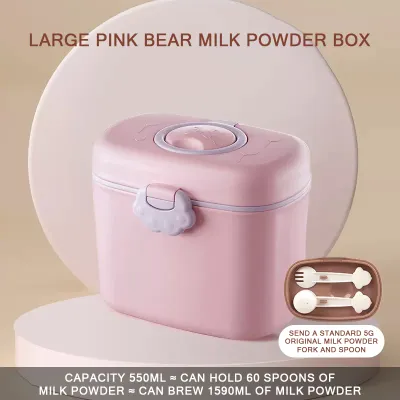
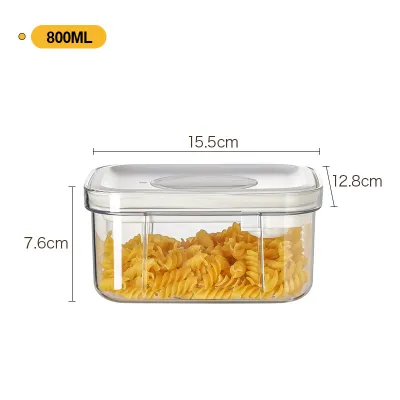
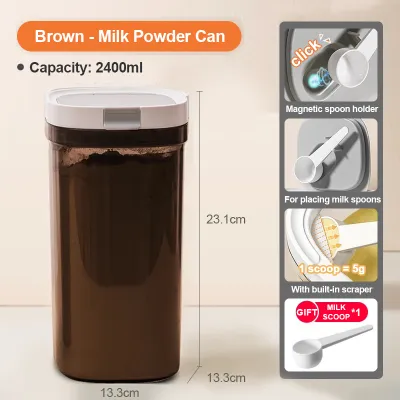
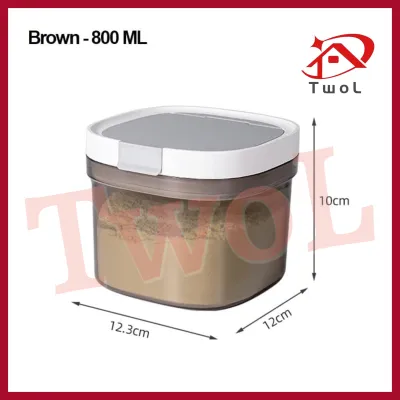
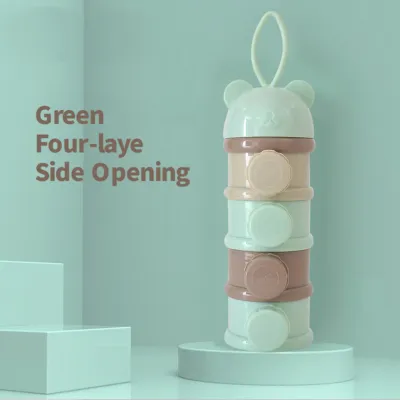
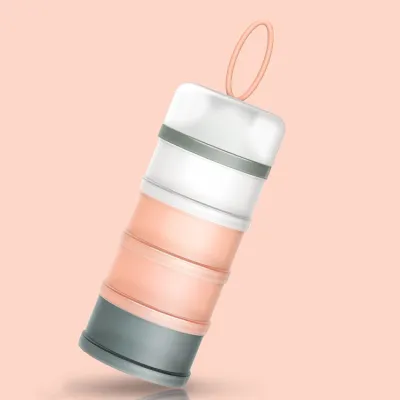
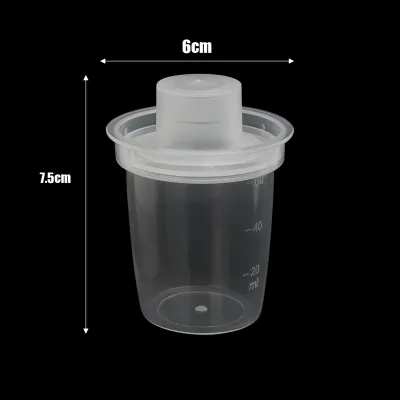
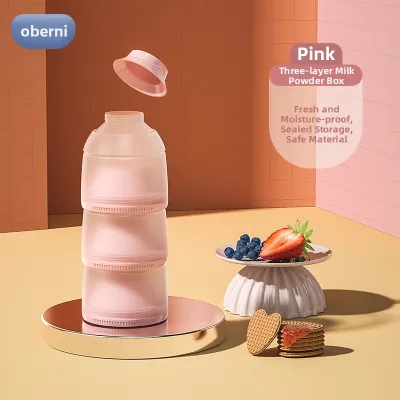
Prices are valid at publication and may change. Please refer to the product page for the latest price.
Furthermore, weaning requires a transition from single-purpose items to multi-functional gear. A standard formula dispenser that only works for powder quickly becomes obsolete once your child transitions fully to table foods. Investing in versatile, multi-purpose containers—such as stackable cups that can hold formula today and sliced fruits or puff snacks tomorrow—ensures you get maximum utility and value from your purchases during this fast-paced developmental stage.
Essential Features for Baby Milk Powder Containers in a Tropical Climate
The tropical climate of the Philippines introduces specific challenges for food storage, particularly high relative humidity and warm temperatures. When choosing a baby milk powder container, you must prioritize features that protect the powder from spoilage, clumping, and contamination while ensuring the material remains safe under repeated washing and sterilization.

- Material Safety and Chemical Composition: Always verify that any container you purchase is made of high-quality, food-grade materials that are completely free from Bisphenol A (BPA) and Bisphenol S (BPS). Common safe plastics include Polypropylene (PP), Tritan, and Polyphenylsulfone (PPSU), which are known for their durability and heat resistance. Silicone components, such as sealing rings, must also be food-grade. Because chemical leaching risks increase when plastics are exposed to heat and sunlight, reading the manufacturer's material declarations on the packaging or official product manuals is a vital safety step before purchase.
- Airtight Seals and Moisture Protection: High humidity, especially during the rainy season or habagat months, can easily cause fine milk powder to absorb moisture from the air. This leads to clumping, which makes accurate scooping difficult and creates an environment where bacteria and mold can thrive. Look for containers equipped with robust, airtight sealing mechanisms, such as thick silicone gaskets and secure snap-locking lids or one-touch button seals. A truly airtight seal blocks out moisture, ambient heat, and common household pests like ants, keeping the powder dry and sterile.
- Practical Usability and Design: When you are holding a hungry, crying baby, your storage container must be easy to operate with one hand. Look for wide-mouth designs that allow you to scoop powder cleanly from the container without spilling it over the edges. Built-in levelers or scraper bars are incredibly helpful, as they let you level off each scoop accurately without needing to use a separate knife or utensil. Clear, visible measurement markings on the side of the container help you monitor how much powder is left and ensure you are dispensing the correct volume.
- Ease of Cleaning and Hygiene: In warm climates, any leftover milk residue trapped in hard-to-reach areas can quickly spoil and harbor harmful bacteria. Choose containers with minimalist designs, rounded corners, and minimal crevices. Ensure that all silicone rings and gaskets are fully detachable so you can wash and dry them separately. Avoid containers with complex, non-removable lid mechanisms that can trap water during washing, as trapped moisture is a primary cause of hidden mold growth.
Recommended Container Types for Weaning Babies
As your baby transitions to solid foods, your daily routine will dictate which type of container is most useful. Some parents require compact travel gear for quick errands, while others need robust home systems to store formula bought in economical refill pouches. Understanding the distinct categories of containers helps you select the right mix for your lifestyle.
Multi-Compartment Portable Dispensers
These containers are specifically engineered for travel and on-the-go feeding. They typically feature three to four separate, stacked compartments, allowing you to pre-measure exact portions of formula for multiple feedings throughout the day.
- Pre-Portioned Convenience: By pre-measuring the powder at home, you eliminate the need to carry scoops or guess measurements while in a public restroom or a moving vehicle. You simply rotate the lid or stack the active compartment on top to pour.
- Detachable Funnel Lids: Look for models that include a narrow, funnel-shaped spout or lid. This design ensures that the powder flows smoothly into the narrow neck of your baby bottle without spilling, minimizing waste and mess.
- Capacity Limits: While highly portable, these dispensers are designed for single-day trips and require frequent refilling. They are best suited for parents who frequently run errands or travel short distances with their baby.
Airtight Stackable Storage Canisters
If you prefer to buy formula in large, economical foil refill pouches rather than expensive metal tins, airtight stackable canisters are an essential home storage solution. These canisters allow you to transfer bulk powder into a highly secure, easy-to-use container in your kitchen pantry.
- Space-Efficient Organization: Stackable designs feature recessed lids that allow multiple canisters to sit securely on top of one another, maximizing vertical space in your cabinets or on your countertops.
- Secure Locking Mechanisms: These canisters often utilize heavy-duty latches or lid-mounted button locks that compress a thick silicone gasket against the inner rim. This creates a powerful barrier against the humid Philippine air and keeps household pests out.
- Long-Term Freshness: By keeping bulk powder sealed away from light and air, these canisters maintain the nutritional integrity of the formula over several weeks, making them ideal for home use.
Dual-Use Snack and Powder Cups
As weaning progresses, your baby will begin eating finger foods like teething rusks, puff snacks, and small pieces of soft fruit. Dual-use cups are designed to bridge the gap between formula feeding and solid snacking.
- Seamless Transition: These containers often feature interchangeable lids. You can use a solid, airtight lid when carrying milk powder, and then swap it for a snack lid once your baby starts self-feeding.
- Spill-Proof Snack Lids: High-quality dual-use cups come with soft, flexible silicone flaps or slotted lids. These flaps allow your baby to reach their fingers inside to grab a puff or cereal loop while preventing the contents from spilling out if the cup is dropped or shaken.
- Excellent Lifespan and Value: Because they easily transition from milk powder storage to toddler snack cups, these items remain highly useful long after your baby has completely finished their weaning journey, offering excellent long-term value.
Cleaning, Sterilizing, and Maintaining Your Containers
Maintaining strict hygiene is critical when handling infant feeding gear. Because milk powder contains proteins and fats that can easily spoil, improper cleaning can lead to bacterial contamination, posing health risks to your weaning baby.
- Daily Washing Guidelines: After every use, disassemble the container completely, removing all lids, funnels, and silicone seals. Wash all parts thoroughly in warm, soapy water using a mild, baby-safe dishwashing liquid. Use a dedicated bottle brush with soft nylon bristles or a silicone brush to clean the bottom corners, screw threads, and crevices. Avoid using abrasive scrubbing pads or harsh steel wool, as these can create microscopic scratches in the plastic where bacteria and mold can easily hide.
- Understanding Sterilization Limits: Not all plastics are created equal when it comes to heat tolerance. Before exposing your containers to high temperatures, always consult the manufacturer’s care instructions.
- PP and PPSU: These materials can generally withstand steam sterilization, boiling water, or UV sterilizers. However, check the packaging to confirm the maximum temperature limit (usually around 110°C for PP and up to 180°C for PPSU).
- Tritan and Certain Silicones: Some food-grade plastics may warp, cloud, or develop micro-cracks if subjected to extreme heat or prolonged boiling. If the manufacturer advises against heat sterilization, stick to thorough washing with warm, soapy water and air-drying.
- Critical Drying Protocols for Humid Climates: In the Philippines, the ambient humidity can make drying a slow process. However, you must ensure that every component of the container is completely dry before adding any milk powder. Even a single drop of trapped moisture will cause the powder to clump immediately, creating a breeding ground for mold and bacteria. Place the washed, disassembled parts on a clean, elevated drying rack in a well-ventilated area away from direct sunlight. Avoid using kitchen towels to dry the interiors, as towels can transfer lint and bacteria back onto the clean surfaces.
- Routine Maintenance and Safety Checks: Inspect your storage containers weekly for signs of wear and tear. Pay close attention to the silicone seals; if they appear discolored, feel stiff, or show visible tears, they will no longer provide an airtight seal and must be replaced. If you notice any deep scratches, persistent cloudiness, or lingering sour milk odors that do not disappear after washing, it is time to discard the container and replace it to ensure your baby’s food remains safe.
Repurposing Containers as Your Baby Eats More Solids
Once your baby transitions fully to solid family meals and no longer requires formula, you do not need to throw away your high-quality storage containers. Repurposing these items is a sustainable, cost-effective way to extend their lifespan and keep your kitchen organized.
- Storing Homemade Baby Food: Airtight canisters and stackable cups are excellent for storing homemade baby food purees, mashed fruits, or pre-measured portions of dry baby cereals. If you prepare baby food in batches, you can portion them into these containers for organized storage in your refrigerator. However, before placing any plastic container in the freezer or microwave, you must verify the manufacturer's temperature ratings. Look for the freezer-safe (usually a snowflake symbol) and microwave-safe symbols on the bottom of the container or in the product manual. Never microwave plastic containers unless they are explicitly certified as microwave-safe by the manufacturer.
- Organizing Snacks and Dry Goods: As your child grows into a toddler, these containers remain perfect for carrying dry snacks like raisins, crackers, or cheese cubes during trips to the park or playground. The airtight seals ensure that crispy snacks do not go soft or stale in the humid air, saving you money on wasted food.
- Non-Food Storage Solutions: Beyond the kitchen, these multi-compartment and stackable containers are highly useful for organizing small household items. You can use them to store small baby accessories like hair clips, safety pins, or pacifiers. They also make excellent organizers for travel toiletries, craft supplies, or small toy parts, ensuring that these durable products continue to serve your family for years to come.
Frequently Asked Questions (FAQ)
Can I use regular kitchen food storage containers for milk powder?
While many standard kitchen food storage containers are labeled as food-safe and BPA-free, they are generally not ideal for storing baby milk powder. Standard kitchenware often lacks the highly specialized, heavy-duty airtight seals required to block out the intense humidity of the Philippine climate, which can lead to premature powder clumping and spoilage. Furthermore, baby-specific containers are designed with wide mouths that easily accommodate standard formula scoops and often feature built-in levelers to ensure precise measurements. Baby products are also subjected to rigorous safety testing standards specifically tailored for infant health, giving you peace of mind that standard kitchenware may not provide.
How often should I replace plastic milk powder containers?
There is no fixed expiration date for plastic milk powder containers, but their lifespan depends heavily on the material quality, frequency of use, and cleaning methods. As a general rule, you should inspect the containers regularly and replace them immediately if you notice signs of degradation. These signs include deep scratches on the inner walls, persistent cloudiness, warping from heat exposure, or lingering odors that remain after thorough washing. Deep scratches are particularly hazardous because they can harbor bacteria and mold spores that regular washing cannot reach. If the silicone sealing rings lose their elasticity, stretch out, or tear, the container will no longer protect the powder from moisture and should be replaced.
Community discussion
Share your experience or ask a question. Comments are reviewed before publication.