
Feeding your baby while away from home requires careful planning, especially when managing powdered formula. The best baby milk powder container for travel depends on your specific trip duration, feeding setup, and destination. For quick daily errands, a pre-measured portion dispenser minimizes hassle and keeps your diaper bag light. For multi-day trips, a dedicated, airtight sealed canister is essential to protect the powder from moisture. In tropical climates, keeping the formula dry is the primary challenge, making a reliable, airtight container a critical purchase for every parent on the go.
Understanding Your Feeding Scenarios: Daily Outings vs. Long Trips
To choose the right container, start by analyzing your typical travel habits. Daily outings—such as a quick stroll through a local mall, a visit to the pediatrician, or a brief afternoon playdate—usually require only one or two feeds. For these short excursions, carrying a bulky tub of formula is unnecessary and takes up valuable space in your diaper bag. Instead, a lightweight, compact option that holds just enough powder for your immediate needs is the most practical choice.
Extended travel presents entirely different challenges. Whether you are planning a weekend trip to a provincial resort, embarking on a long road trip, or taking a flight, you must pack enough formula to last several days. These longer journeys require a storage solution that can hold a larger volume of powder securely while protecting it from external elements. Luggage space, ease of packing, and how often you will need to prepare a bottle while in transit all play a role in determining which container design fits your itinerary.
Products mentioned in this guide
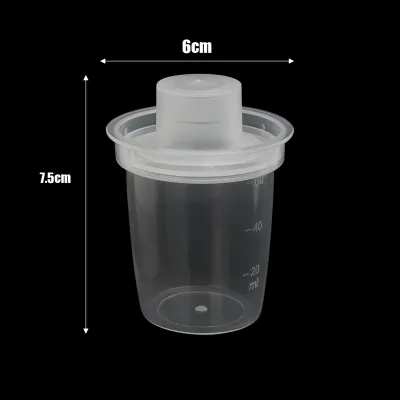
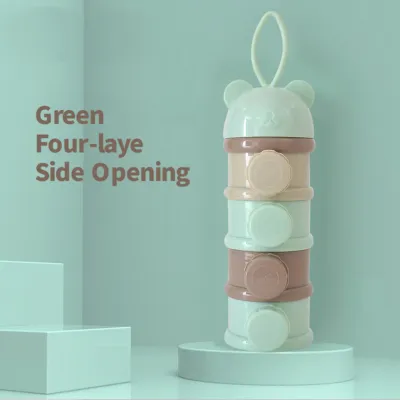
Prices are valid at publication and may change. Please refer to the product page for the latest price.
Environmental factors are equally important, particularly in hot and humid tropical climates like the Philippines. High humidity levels can cause powdered formula to clump quickly if it is exposed to the air. Clumped powder is not only difficult to measure accurately, but it can also harbor moisture that encourages bacterial growth. For parents traveling in tropical regions, an airtight seal is not just a convenient feature; it is a fundamental safety requirement to keep the formula fresh and safe for your baby.
Comparing Container Designs for Specific Travel Needs
No single baby milk powder container design can perfectly accommodate every travel scenario. The ideal setup often depends on finding the right balance between speed of preparation, space-saving portability, and bulk storage capacity. By understanding the strengths and limitations of each design, you can choose the option that best matches your family’s travel workflow.

Portion Dispensers for Quick Day Trips
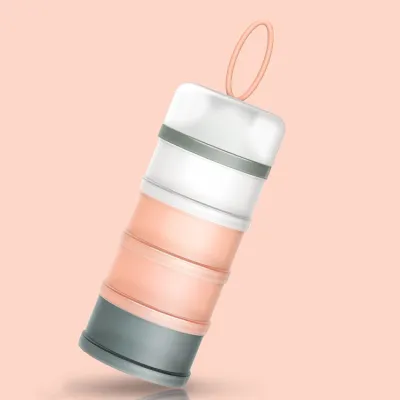
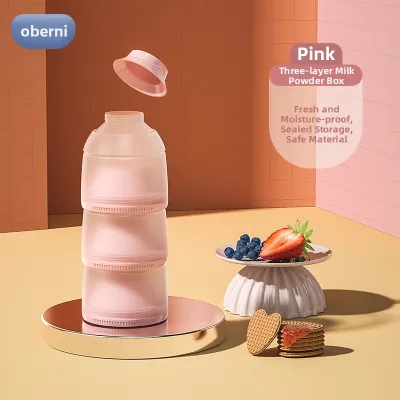
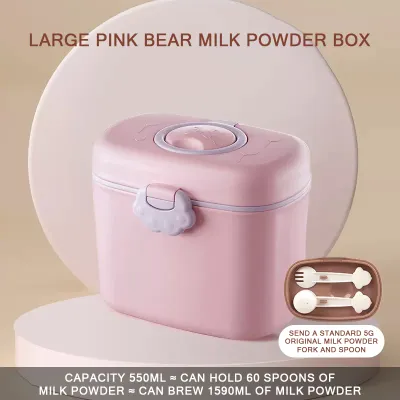
Portion dispensers are designed specifically for speed and convenience during short outings. These containers typically feature three or four separate compartments, each holding a pre-measured amount of formula powder. When your baby is hungry, you simply align the dispensing spout with a compartment and pour the powder directly into your baby bottle. This system eliminates the need for measuring scoops while you are in a moving vehicle, a busy public space, or a crowded shopping center.
When selecting a portion dispenser, it is crucial to examine the design of the pouring spout. Ensure that the funnel or spout is narrow enough to fit comfortably inside the neck of your specific baby bottles. If you use standard-neck bottles, a wide spout can lead to powder spilling down the sides of the bottle, resulting in inaccurate feeding ratios and unnecessary waste. Conversely, if you use wide-neck bottles, verify that the spout allows the powder to flow freely without clogging.
While portion dispensers excel at convenience, they have clear capacity limits. They are ideal for a single day of errands but are not designed to hold enough powder for multi-day trips. Attempting to refill a portion dispenser while away from a clean, stable kitchen counter increases the risk of introducing moisture and contaminants to the powder. For longer trips, these dispensers are best used as a secondary tool alongside a larger bulk container.
Sachet Holders for Flexible and Lightweight Travel
For parents who prefer the ultimate level of portability, single-serve formula sachets are a highly convenient option. Sachet holders are specialized, hard-shell cases or structured organizers designed to store and protect these pre-packaged foil packets. This setup is particularly useful for families who want to avoid measuring and scooping altogether while traveling, as each sachet contains a pre-measured, factory-sealed single portion of formula.
The primary function of a sachet holder is to safeguard the fragile foil packaging from physical damage. In a packed diaper bag, loose sachets can easily be crushed, punctured, or torn by keys, toys, or the sharp edges of other baby gear. A punctured sachet exposes the formula to air and humidity, rendering it unusable. A dedicated, rigid holder keeps the sachets organized, clean, and intact, ensuring you always have a safe feed ready.
Using a sachet system also offers unmatched space-saving benefits. As you use up the sachets during your trip, the overall volume of your formula storage decreases, freeing up space in your luggage. You can pack the exact number of feeds required for your journey, plus a few extras for emergencies, without carrying any excess bulk. This makes sachet holders an excellent choice for minimalist travelers or short weekend getaways.
Sealed Canisters for Extended Stays
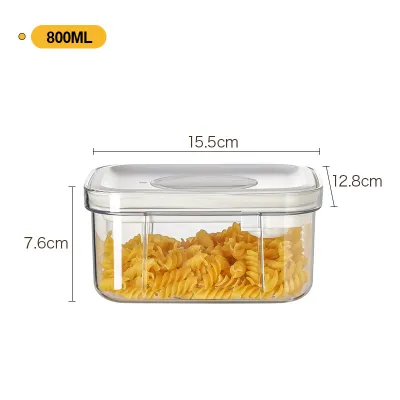
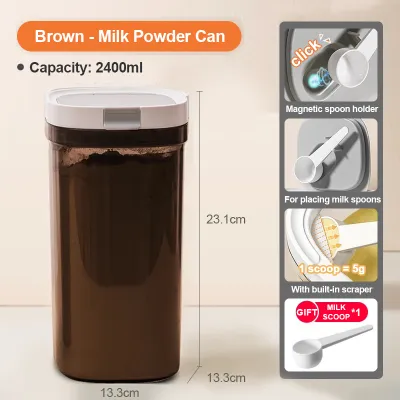
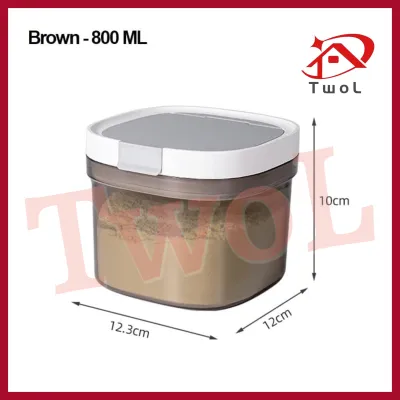
When you are traveling for several days or visiting areas where your baby’s specific formula brand is difficult to purchase, a sealed canister is the most reliable option. These containers are essentially smaller, highly durable versions of your home formula tub. They allow you to transport a substantial amount of bulk powder safely, making them ideal for extended vacations, traveling with multiple formula-fed infants, or situations where single-serve sachets are not a viable option.
Operating a bulk canister requires a different workflow than pre-portioned options. Because you must scoop the powder for each bottle, you must pack a separate, clean measuring scoop. Storing the scoop directly inside the powder canister is a common habit, but it introduces a high risk of cross-contamination. Every time your fingers touch the scoop, you can transfer moisture or bacteria to the remaining powder. It is safer to store the scoop in a separate, sterile container or zip-top bag between uses.
Before purchasing a travel canister, carefully inspect the locking mechanisms and silicone seals. Travel often involves sudden changes in atmospheric pressure, such as during flights, or continuous vibrations from bumpy road trips. A weak lid can easily pop open under pressure, spilling expensive formula all over your luggage. Look for canisters with heavy-duty snap-locks, secure latching systems, or vacuum-seal buttons that ensure the lid remains firmly in place throughout your journey.
Essential Features to Verify Before Purchasing
To ensure your chosen baby milk powder container is safe, durable, and easy to use, you must look beyond brand names and aesthetic designs. Verifying specific physical traits and material certifications on the product packaging or manufacturer documentation is the best way to make an informed decision. Quality travel containers in the local market generally range from ₱150 to ₱800, depending on the material and sealing technology.
First, prioritize material safety by verifying that the container is made from food-grade, BPA-free materials. Look for high-quality plastics such as polypropylene (PP), polyethersulfone (PES), or polyphenylsulfone (PPSU), or opt for food-grade stainless steel. Because these containers will directly hold your baby’s nutrition, checking for official food-contact safety certifications on the product label is a necessary step. Avoid purchasing unbranded containers that lack clear material disclosures.
Second, evaluate the quality of the airtight sealing mechanism. A reliable seal is the only barrier protecting the dry powder from ambient humidity, which is especially critical in tropical climates. Examine the container for a thick, flexible silicone O-ring or gasket around the lid. Test the locking mechanism to ensure it creates a tight, physical compression when closed. Vacuum-seal containers, which expel excess air with the press of a button, offer an extra layer of protection against moisture ingress.
Third, consider the ergonomics of pouring and scooping. If you choose a canister, a wide-mouth opening is essential so you can easily reach inside with a scoop without scraping your knuckles or spilling powder. Some advanced travel canisters feature a built-in leveler or scraper bar, allowing you to measure accurate, level scoops of formula even when you are away from home. For portion dispensers, look for smooth interior walls that prevent powder from sticking to the corners during pouring.
Finally, assess how easy the container is to clean and sanitize. Formula residue can quickly accumulate in tight crevices, hinges, or around the edges of silicone seals, creating a breeding ground for harmful bacteria. Choose designs that can be completely disassembled, allowing you to remove and wash the silicone gaskets separately. Verify the manufacturer’s care instructions to determine if the container can withstand steam sterilization, boiling water, or dishwasher cycles without warping or degrading.
Practical Tips for Packing and Maintaining Formula on the Go
Maintaining the quality and safety of your baby’s formula while traveling requires consistent hygiene and storage practices. By combining the right gear with smart packing strategies, you can ensure every feed is prepared safely, regardless of your location.
A highly effective cross-scenario strategy is to use a hybrid packing system. Keep a larger, airtight sealed canister at your travel base—such as your hotel room or a relative’s house—to store your main supply of bulk powder. Each morning, before heading out for the day, transfer the exact number of servings you will need into a compact portion dispenser. This approach keeps your daily diaper bag light while keeping your bulk supply clean, dry, and secure at your base.
Moisture control is your primary defense against formula spoilage. Before opening any formula container or handling a scoop, ensure your hands are completely clean and thoroughly dried. Even a single drop of water introduced into the container can cause the powder to clump and spoil. Additionally, never store your formula containers in direct sunlight, near hot vehicle engines, or inside a parked car trunk, as extreme heat can degrade the nutritional quality of the formula and cause condensation to form inside the sealed container.
When traveling without access to your usual home sterilizing equipment, you must adapt your cleaning routine safely. Wash the container thoroughly with mild, baby-safe dish soap and clean water. If the local tap water quality is uncertain, perform a final rinse using cooled, boiled water or bottled water. Allow all components to air-dry completely on a clean paper towel before refilling them; never use a damp container to store dry formula powder.
Regularly inspect your travel containers for signs of wear and tear. Over time, frequent washing and travel vibrations can cause plastic to develop micro-scratches, which can harbor bacteria and become difficult to sanitize. Silicone seals can also warp, stretch, or lose their elasticity, compromising the airtight barrier. If you notice deep scratches, persistent sour milk odors, or a loose-fitting lid, stop using the container immediately and replace it to ensure your baby’s food remains safe.
Frequently Asked Questions (FAQ)
Can I use a regular kitchen food storage container for baby formula?
While standard kitchen food storage containers are convenient, they are generally not recommended for storing baby formula. Many household containers are not fully airtight, allowing humidity to seep in and cause the powder to clump. Additionally, plastic containers can absorb strong odors and oils from previously stored foods, such as garlic or spices, which can transfer to the formula and cause your baby to reject the bottle. If you must use a general container, verify that it is brand new, explicitly certified as food-grade, completely BPA-free, and features a high-quality silicone seal dedicated solely to formula storage.
How long can I keep pre-portioned formula in a dispenser before it goes bad?
Dry formula powder stored in a clean, airtight portion dispenser can typically remain fresh for a few days, provided it is kept in a cool, dry place away from direct sunlight. However, because travel containers are opened and closed frequently, they are exposed to ambient humidity more than a sealed factory tub. To minimize the risk of moisture exposure and clumping, it is best to fill your portion dispenser close to your time of departure rather than days in advance. Always refer to your specific formula manufacturer’s guidelines regarding how long the powder can be stored once transferred out of its original packaging.
Community discussion
Share your experience or ask a question. Comments are reviewed before publication.