
Selecting the right baby food storage container for on-the-go feeding in the Philippines requires balancing leak-proofing, thermal protection, and structural durability. The country’s tropical climate, high humidity, and varied transit conditions mean that standard household containers often fall short when packed into a diaper bag for a trip to a local mall, park, or daycare center. Parents must prioritize containers that preserve food freshness under high temperatures while remaining easy to pack and clean.
An ideal portable container prevents messy spills during bumpy commutes and keeps homemade purees or snacks safe from rapid spoilage. By understanding the specific design features, material trade-offs, and packing strategies suited for tropical environments, caregivers can confidently feed their infants anywhere. This guide breaks down the essential criteria for choosing travel-ready containers and matches the best options to different outing scenarios.
Essential Features for Travel-Friendly Baby Food Containers
When transitioning from home feeding to outdoor adventures, the physical demands on baby gear increase significantly. A standard kitchen container that sits upright in a refrigerator does not have the structural integrity required to survive being jostled inside a diaper bag. The primary defense against messy accidents is a robust, engineered sealing mechanism.
Products mentioned in this guide
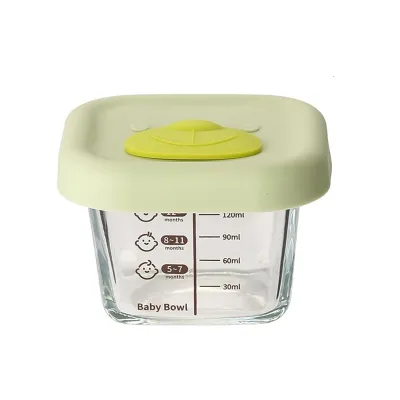
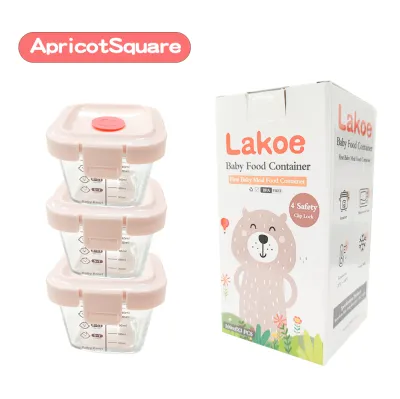
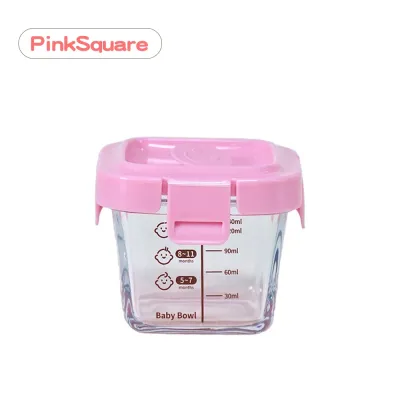
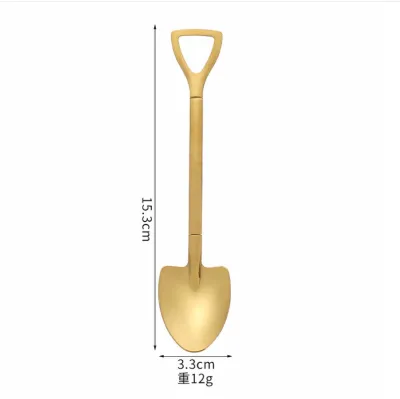
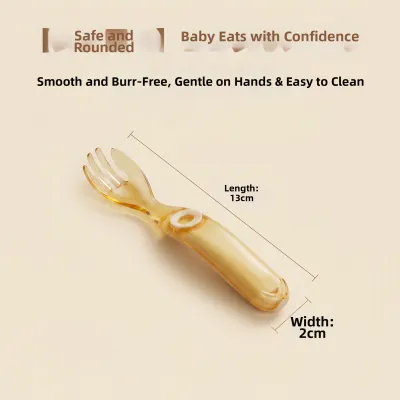
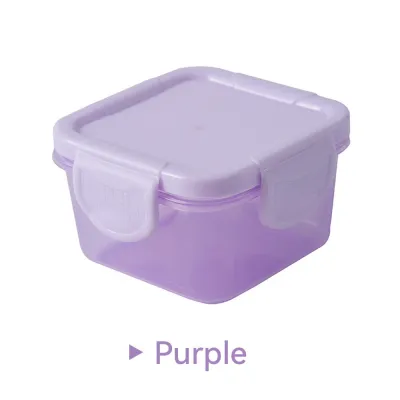
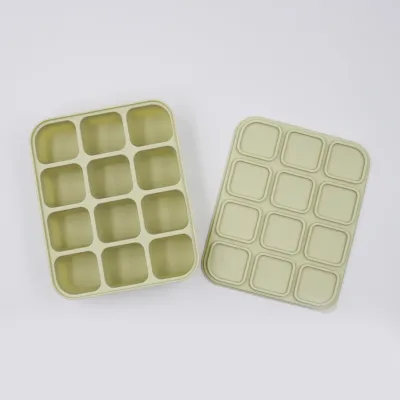
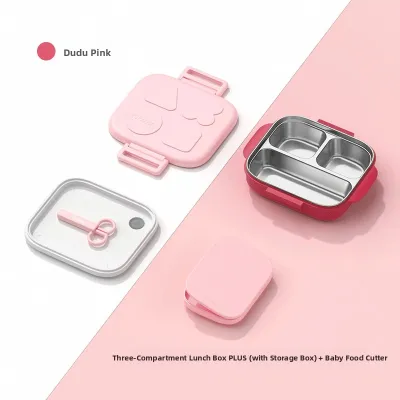
Prices are valid at publication and may change. Please refer to the product page for the latest price.
Look for containers equipped with thick silicone sealing rings and heavy-duty snap-lock lids on all four sides. These multi-latch systems compress the silicone gasket to create an airtight and watertight barrier, ensuring that liquid-heavy purees, such as blended papaya or squash, do not seep out. Screw-on lids with deep threads also offer reliable protection, provided they are aligned correctly before tightening.
Portability and space optimization are equally critical when packing for a day out. Containers with modular, stackable designs allow parents to maximize the limited vertical space inside insulated lunch boxes or diaper bags. Lightweight profiles and ergonomic shapes—such as slim cylinders or rounded squares—fit more naturally into standard side pockets, leaving room for other baby essentials like diapers, changes of clothes, and toys.
Durability is another non-negotiable factor when traveling with infants. Dropping a container on a hard concrete sidewalk, mall floor, or outdoor bench is an inevitable part of parenting. Caregivers should opt for shatterproof, high-impact materials that will not crack, splinter, or lose their sealing capability upon impact.
Before making any purchase, always check the manufacturer’s product documentation and labels. These resources provide crucial information regarding age-appropriate use, weight limits, and specific care instructions. Verifying these details ensures the container is safe for your baby’s developmental stage and matches your intended sterilization and cleaning routines.
Choosing the Right Container for Your Specific Outing
Different travel scenarios demand different container configurations. Matching your storage gear to the duration and environment of your trip prevents overpacking while ensuring your baby’s nutritional needs are met efficiently.

Quick Trips to the Mall or Errands
Short trips to air-conditioned shopping centers or quick neighborhood errands generally require minimal preparation. For these brief outings, heavy or bulky storage systems are unnecessary, as you will likely only need to manage a single feeding session before returning home.
Small, single-portion pods or flexible silicone cups with secure lids are ideal for these quick turnarounds. These compact containers hold exactly one serving of puree or soft finger foods, keeping the diaper bag light and uncluttered.
Opt for extremely lightweight designs that are easy to slip into a small pouch. Once the feeding is finished, these containers can be easily wiped down or temporarily rinsed in a mall restroom, then packed away compactly until they can be thoroughly sanitized at home.
Outdoor Park Visits and Picnics
Outdoor environments in the Philippines present unique challenges, primarily due to direct sunlight, high ambient temperatures, and the lack of immediate refrigeration. When feeding your baby at a park, playground, or beach, maintaining food temperature is vital for safety.
Insulated stainless steel jars or double-walled containers are highly recommended for these settings. These specialized vessels help keep cold purees chilled or warm meals at an appealing temperature while you sit outdoors, minimizing the rate of bacterial growth in warm weather.
Shatterproof construction is essential for outdoor use, as surfaces are often rough, dusty, or uneven. Choose models designed with wide-mouth openings, which allow you to scoop food directly from the container with a baby spoon while balancing on a park bench or picnic blanket.
Daycare or Long-Day Outs
Full-day excursions or daycare drop-offs require a more structured approach to food storage. Caregivers must pack multiple meals, keep different food textures separate, and ensure that daycare staff can easily identify and prepare each portion.
Multi-compartment bento-style boxes or interlocking, stackable jar sets are excellent for long days. These designs allow you to organize breakfast, lunch, and snacks in a single, organized unit, preventing different food groups from mixing and spoiling.
Select containers made from microwave-safe materials so that caregivers can reheat the food safely and quickly. It is also beneficial to choose dishwasher-safe parts for easy cleaning at the end of a long day, and containers with flat, smooth lid surfaces where you can write your baby’s name, the date, and heating instructions with a dry-erase marker.
Comparing Materials: Silicone, Plastic, and Stainless Steel
Each material used in baby food storage containers offers distinct advantages and limitations. Understanding these differences allows parents to select the material that best aligns with their daily routines, budget, and safety preferences.
- Silicone: Food-grade silicone is highly valued for its extreme flexibility, durability, and resistance to temperature extremes. Many silicone containers are designed to be collapsible, allowing them to fold down flat when empty to save valuable bag space. They are generally safe for use in the freezer, microwave, and dishwasher. However, silicone can sometimes retain strong food odors or vibrant colors from ingredients like carrots or sweet potatoes if not washed immediately after use.
- BPA-Free Plastic: High-quality, BPA-free plastic containers are exceptionally lightweight, widely available, and budget-friendly, with multi-pack sets often costing under ₱500. They are excellent for organizing large batches of food. The primary drawbacks are their susceptibility to staining from tomato- or carrot-based purees and their vulnerability to warping. Parents must strictly follow the manufacturer's specified temperature limits when microwaving or dishwashing plastic components to prevent degradation.
- Stainless Steel: Double-walled stainless steel containers offer unmatched durability, hygiene, and temperature retention. They do not absorb odors, stain, or leach chemicals, making them a highly sanitary option for long-term use. The main trade-off is that stainless steel is not microwave-safe; if food needs to be warmed up, it must be transferred to a separate microwave-safe bowl first. They also tend to be heavier and carry a higher initial price point.
Standard, non-reinforced glass is generally not recommended for on-the-go feeding due to the high risk of breakage and its heavy weight. If you prefer glass, only use containers specifically engineered for travel, which feature thick, thermal-shock-resistant borosilicate glass wrapped in a thick, protective silicone sleeve.
Packing Strategies and Food Safety for Tropical Outings
Managing food safety in a tropical climate requires strict adherence to temperature control. High humidity and consistent heat accelerate the growth of harmful bacteria in fresh, preservative-free baby food. Implementing proper packing techniques is just as important as choosing the right container.
Always use a high-quality insulated lunch bag lined with reusable gel ice packs when transporting perishable baby food. Position the food containers directly adjacent to the frozen ice packs to maintain a cold environment inside the bag during transit.
As a general food safety standard, discard any perishable baby food—such as meat, dairy, fish, or cooked vegetable purees—that has been left at room temperature for more than two hours. In the intense heat of the Philippines, where outdoor temperatures can easily exceed 32°C, this safe window drops to just one hour. If you are in doubt about how long a container has been sitting in the heat, it is always safest to discard the food.
Before storing or reheating food, always verify the manufacturer’s specific temperature thresholds for your chosen containers. Some plastics may be safe for freezing but not for high-heat sterilization, while certain silicone lids should not be subjected to microwave heat. Strictly adhering to these guidelines prevents material failure and chemical leaching.
For a seamless feeding experience, pack a dedicated, clean feeding spoon inside a protective travel case, a waterproof silicone bib that can be wiped clean instantly, and a pack of baby-safe wet wipes. Having these cleaning supplies readily available ensures you can maintain excellent hygiene even when a sink and running water are not nearby.
Frequently Asked Questions (FAQ)
Can I microwave baby food directly in silicone or plastic containers?
While many high-quality silicone and BPA-free plastic containers are explicitly labeled as microwave-safe, you must always verify the manufacturer’s specific heat limits printed on the packaging or product manual. Never assume all plastics or silicones behave the same way under high heat. Before microwaving, remove any lids, collars, or silicone seals that are not rated for microwave use to prevent warping or pressure buildup. Always stir the heated food thoroughly from the bottom up and test the temperature on your wrist to ensure there are no localized hot spots that could burn your baby’s mouth.
How do I prevent leaks when carrying purees in my diaper bag?
To prevent leaks, always inspect the silicone sealing ring inside the lid before packing to ensure it is seated flat in its groove and completely free of food debris, lint, or moisture. Avoid overfilling the container; leave at least a half-inch of headspace at the top, especially if the food was previously frozen and may still be expanding. For absolute peace of mind during long transit rides, place your sealed food containers inside a clean, reusable zip-top bag. This secondary barrier acts as a reliable safety net, catching any unexpected drips before they can contact your diaper bag lining.
Community discussion
Share your experience or ask a question. Comments are reviewed before publication.