
Selecting the right baby food storage container for outings in the Philippines requires balancing convenience, durability, and strict food safety. Whether you are planning a quick trip to a local mall, spending an afternoon at a neighborhood park, or preparing meals for daycare, how you pack and store your baby’s food directly impacts its freshness and safety. In a tropical climate characterized by high temperatures and elevated humidity, standard household containers often fall short when taken on the road.
The most effective solutions for on-the-go feeding combine robust leak-proof seals, lightweight materials, and reliable thermal properties. For warm purees and porridges, vacuum-insulated stainless steel jars are indispensable for preserving temperature without relying on external heating sources. Meanwhile, lightweight silicone pods and modular bento-style boxes offer excellent flexibility for dry snacks and cool finger foods. Finding the ideal option involves understanding your specific daily routing, your baby’s current developmental stage, and the environmental factors unique to tropical climates.
What to Look for in Travel-Friendly Baby Food Containers
When evaluating baby food containers for travel, your first line of defense against messy diaper bag spills is a highly secure leak-proof mechanism. Look for containers equipped with thick silicone sealing rings embedded in the lids, reinforced by locking side clips or deep screw-top threads. Before packing a container for an outing, perform a quick water-test at home: fill it with water, seal it tightly, and shake it vigorously over the sink. If even a single drop escapes, the seal may be compromised, misaligned, or insufficient for transit.
Products mentioned in this guide
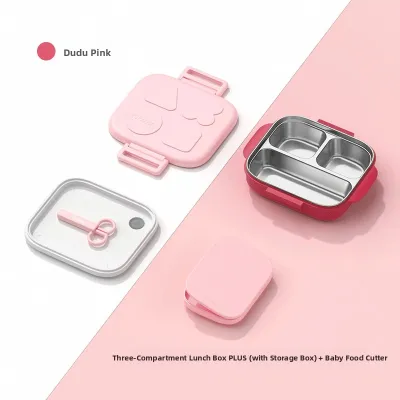
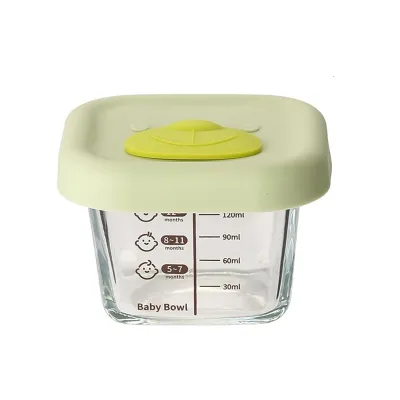
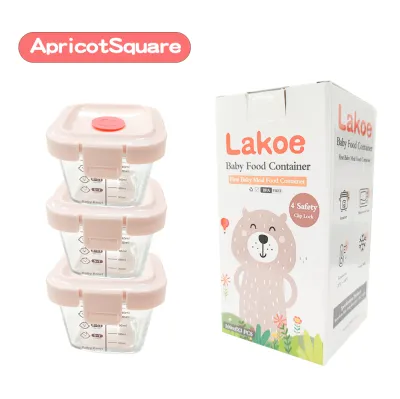
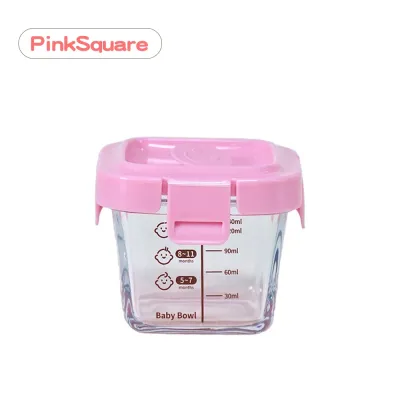
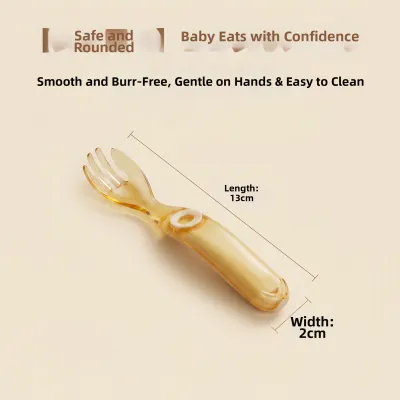
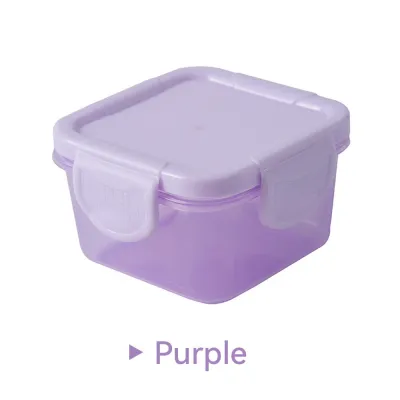
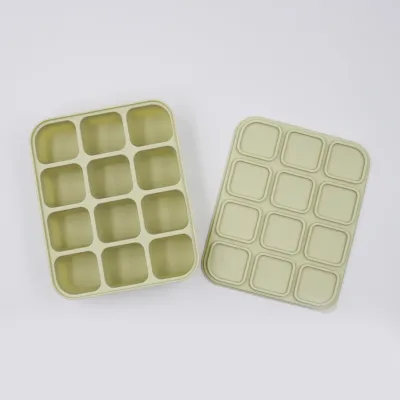
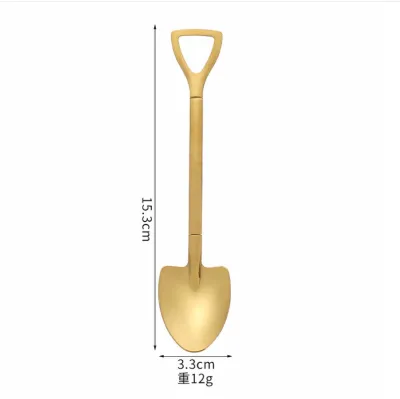
Prices are valid at publication and may change. Please refer to the product page for the latest price.
Portability and weight are equally critical when you are already carrying diapers, wipes, toys, and spare clothes. Heavy glass jars, while excellent for home storage, add unnecessary weight to your diaper bag and carry the risk of shattering on hard concrete or mall tile floors. Prioritize lightweight materials with a compact footprint that stack neatly or nest together when empty. Consider how the container’s shape fits into the dedicated insulated pockets of your diaper bag, as bulky or awkwardly shaped items can waste valuable storage space.
Material safety must always be verified through physical product labels and packaging rather than relying on generic product titles or online marketplace descriptions. Look for explicit food-grade certifications, such as compliance with international food safety authorities, and clear “BPA-free” and “BPS-free” labels. Because chemical regulations and manufacturing standards vary, physically inspecting the product packaging for certified safety symbols ensures you are using materials that will not leach harmful chemicals into your baby’s food when exposed to heat or acidic ingredients.
Finally, prioritize designs featuring wide mouths and minimal internal crevices. When you are away from home, you rarely have access to a full kitchen sink, specialized bottle brushes, or sanitizing equipment. A container with a wide opening allows you to easily scoop out food with travel spoons and makes quick rinsing in a public restroom or park tap much more manageable. Avoid lids with complex, non-removable parts or deep, narrow grooves where food residue can easily hide and spoil before you return home.
Best Container Types for Different Outing Scenarios
Selecting the right container format depends heavily on what your baby is eating and where you plan to feed them. Matching the container type to your specific outing scenario ensures that meals remain appetizing, safe, and easy to manage without unnecessary stress.

Insulated Jars for Warm Meals at the Park or Mall
For outings where you cannot easily access a microwave or hot water bath, such as outdoor parks or busy shopping centers, vacuum-insulated stainless steel jars are highly effective. These double-walled containers are designed to maintain the temperature of warm purees, stews, or porridges for several hours. Because thermal performance varies significantly by brand, container volume, and starting food temperature, always check the manufacturer’s specifications for exact temperature retention limits before relying on them for long trips.
To maximize heat retention, always pre-warm the insulated jar before adding your baby’s food. Fill the empty container with boiling water, secure the lid, and let it sit for five to ten minutes to heat the inner stainless steel walls. Carefully pour the water out, immediately transfer the piping-hot baby food into the jar, and seal it quickly. Before feeding your baby, always stir the food thoroughly and test a small portion on the inside of your wrist to ensure it has cooled to a safe, comfortable temperature.
Silicone Pods and Cups for Purees and Soft Snacks
Silicone pods and cups are exceptionally well-suited for younger babies who are primarily eating smooth purees, mashed fruits, or soft, single-ingredient foods. Many high-quality silicone containers feature collapsible designs that fold down flat when empty, saving massive amounts of space in your diaper bag for the return trip. The natural flexibility of food-grade silicone also makes it easy to gently squeeze or pop out frozen puree portions directly into a serving bowl if needed.
However, this flexibility requires extra caution regarding lid security. Because silicone bodies are pliable, squeezing or compressing the container inside a packed diaper bag can easily pop off a loose-fitting lid, resulting in a major spill. Always ensure that the silicone containers you choose feature rigid plastic rims or highly secure snapping or screwing lid mechanisms that lock firmly in place. Keep in mind that flexible silicone has minimal insulating properties, making these containers best suited for cool or room-temperature items unless they are stored inside an insulated cooler bag with ice packs.
Compartmentalized Boxes for Toddler Finger Foods
As your baby transitions to solid foods and toddlerhood, their nutritional needs shift toward varied finger foods, cut fruits, and dry snacks. Compartmentalized bento-style boxes are the ideal solution for this stage, allowing you to pack a variety of items—such as steamed sweet potato cubes, soft-cooked carrots, and teething crackers—in a single container. The physical dividers prevent different textures and flavors from mixing, ensuring that dry snacks remain crisp and do not absorb moisture from damp fruits or vegetables.
While these multi-compartment boxes are highly practical for organized snacking at daycare or during picnics, parents must recognize their limitations. Most standard compartmentalized boxes are not completely leak-proof between the individual sections, meaning that thin purees, yogurts, or juicy fruits can easily seep into adjacent compartments and make dry foods soggy. Reserve these boxes strictly for solid, dry, or semi-dry finger foods, and use separate, dedicated leak-proof jars for any liquid or highly wet food components.
Keeping Baby Food Safe in a Tropical Climate
Managing food safety in the warm, humid climate of the Philippines requires strict adherence to temperature control. Bacteria thrive and multiply rapidly in the “Danger Zone,” which ranges from 4°C to 60°C. In tropical conditions where daily temperatures frequently hover around 30°C or higher, perishable baby food can become unsafe much faster than in cooler climates.
As a general rule, perishable baby food should never be left at room temperature for more than two hours. In typical Philippine outdoor conditions or non-air-conditioned environments where the ambient temperature exceeds 32°C, this safe window drops to a maximum of one hour. To extend this timeframe and protect your baby from foodborne illnesses, always store perishable containers inside an insulated cooler bag packed with reusable gel ice packs. Position the ice packs directly against the food containers to maintain a cold, safe environment throughout your journey.
Protecting your gear from direct environmental heat is another simple yet overlooked safety measure. Never leave your diaper bag inside a parked car, as interior vehicle temperatures can skyrocket within minutes, rapidly spoiling any food stored inside. Similarly, avoid hanging your diaper bag or cooler bag directly under the sun on a stroller handle; instead, store it in the lower basket of the stroller where it is shaded, or keep it in air-conditioned spaces whenever possible.
Once a feeding session has begun, establish a strict rule regarding leftover food. When you dip a spoon into a container, feed your baby, and then dip the spoon back into the food, saliva is introduced into the container. Saliva contains enzymes and bacteria that immediately begin breaking down the food, accelerating spoilage and bacterial growth in warm weather. Any food left in a container after your baby has finished eating must be discarded immediately; never save saliva-contaminated leftovers for a later feeding.
Cleaning and Maintaining Portable Containers on the Go
Maintaining clean, sanitary baby food containers while traveling in a humid environment is essential for preventing the growth of mold, mildew, and stubborn odors. The high humidity in the Philippines creates a perfect breeding ground for bacteria on damp surfaces, making prompt care highly important.
Whenever possible, perform a quick rinse immediately after your baby finishes eating. Use a small amount of clean water to wash out major food residues, or wipe the interior with a clean paper towel. If you travel frequently, keeping a compact, travel-sized bottle brush and a small container of baby-safe dish soap in your diaper bag allows you to clean containers thoroughly in mall baby-care rooms or handwashing stations, preventing food from drying, crusting, and staining the container walls.
Once you return home, a thorough deep-cleaning process is necessary to protect the integrity of your storage gear. Completely disassemble all lids, paying close attention to removable silicone gaskets and sealing rings. Food particles and moisture easily slip beneath these seals, creating hidden pockets of mold that are difficult to spot at a glance. Wash all parts in warm, soapy water, using a small detailing brush to clean out narrow grooves, and rinse them thoroughly.
Before reassembling and storing your containers, ensure every single component is completely air-dried in a well-ventilated, dry area. Storing a container with even a tiny amount of trapped moisture in a closed cabinet will almost certainly result in black mold growth within a day or two. Regularly inspect your containers for signs of wear and tear; replace any silicone seals that have lost their elasticity or developed cracks, and discard plastic containers that are deeply scratched, as these micro-crevices can harbor harmful bacteria even after rigorous washing.
Frequently Asked Questions (FAQ)
Can I microwave baby food directly in these portable containers?
Always verify microwave safety by physically checking for the manufacturer’s microwave-safe symbol on the bottom of the container or on its original packaging. Stainless steel containers must never be placed in a microwave under any circumstances, as they reflect microwaves and can damage your appliance. If using microwave-safe plastic or silicone containers, always remove or vent the lids completely before heating to prevent dangerous pressure buildup or warping. After heating, stir the food thoroughly to eliminate hot spots and test the temperature on your wrist before feeding.
How long can baby food stay safe in a container without an ice pack?
At room temperature, perishable baby food remains safe for a maximum of two hours. However, in the high-heat conditions typical of the Philippines, where outdoor temperatures often exceed 32°C, this safe limit is reduced to just one hour. If your outing will last longer than these brief windows, you should always pack your baby food containers inside an insulated cooler bag alongside frozen gel ice packs to prevent rapid bacterial growth and food spoilage.
Community discussion
Share your experience or ask a question. Comments are reviewed before publication.