
Selecting the right baby food storage container set for travel requires balancing absolute leak-proofing, drop-resistant durability, and thermal safety. When you are away from the convenience of your kitchen, you need containers that can withstand being tossed into a packed diaper bag, survive accidental drops on hard surfaces, and keep purees fresh. Choosing the ideal set means looking beyond basic home storage models to find designs specifically optimized for portability, temperature control, and easy cleaning.
To make an informed choice, caregivers must evaluate how different materials and closure systems perform under the stress of transit. The right container set not only prevents messy spills but also ensures your baby’s meals remain uncontaminated and safe to consume, no matter where your journey takes you.
Core Challenges of Feeding Babies Outside the Home
Transitioning from structured home feeding routines to the unpredictability of travel introduces several logistical hurdles. At home, you have immediate access to stable refrigeration, precise heating appliances, and dedicated sterilization equipment. On the road, you must transport perishable meals through varying environments while keeping them fresh and appetizing for your little one.
Products mentioned in this guide
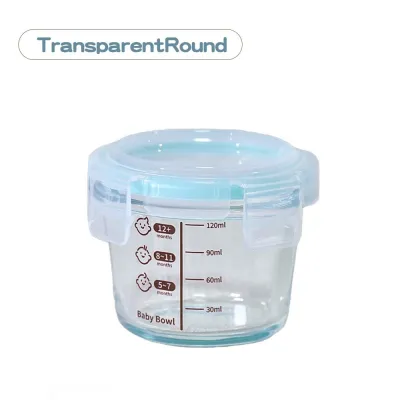
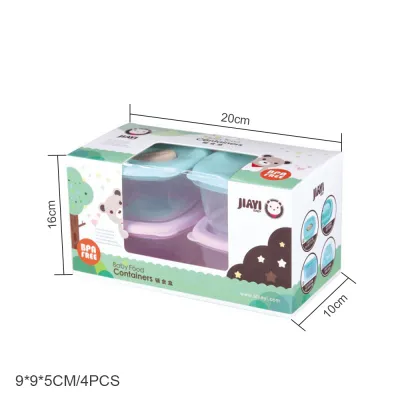
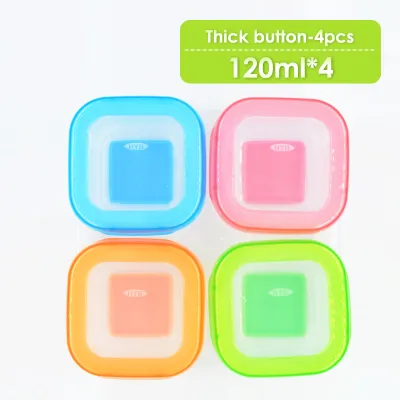
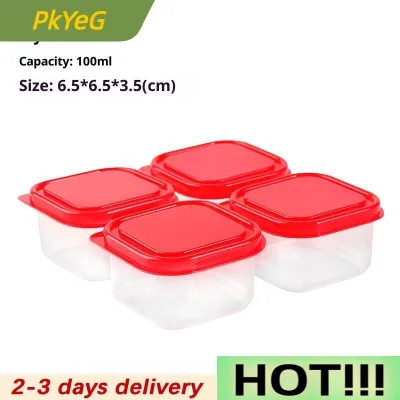
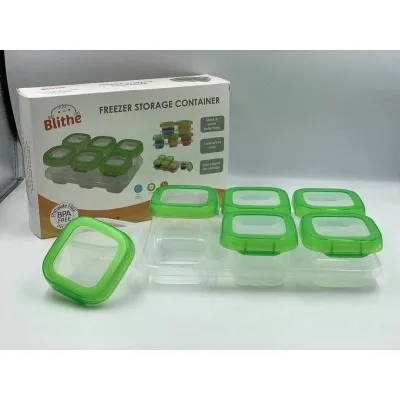
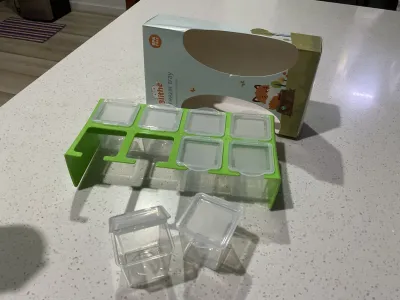
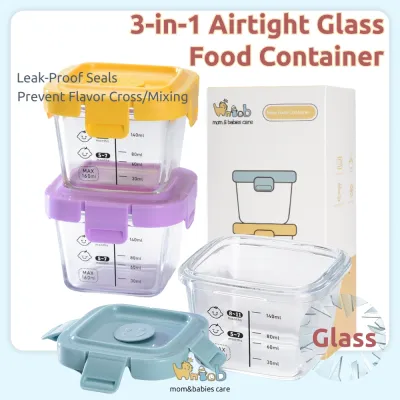
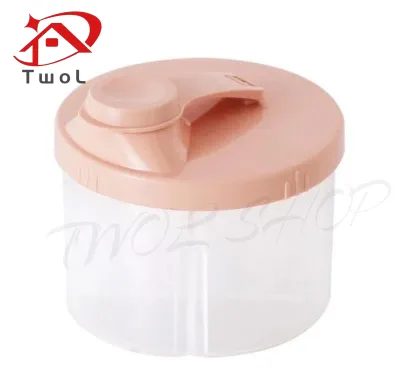
Prices are valid at publication and may change. Please refer to the product page for the latest price.
In the Philippines, the tropical climate and high relative humidity present a significant challenge. Warm ambient temperatures accelerate food spoilage, turning fresh fruit and vegetable purees, meat blends, or breast milk into breeding grounds for harmful bacteria in a matter of hours. This makes temperature control a primary safety concern during outdoor activities, mall trips, or long family road trips.
Diaper bags are high-friction, high-movement environments where containers are constantly jostled, squeezed, and flipped upside down. A container lid that stays secure while sitting flat on a refrigerator shelf can easily fail when pressed against heavy packages of baby wipes, spare clothes, and toys. A single leak can ruin expensive gear, soil clean garments, and leave you without a usable meal when your baby is hungry and distressed.
Bulky, non-stackable containers quickly consume precious bag space, making packing inefficient. Carrying multiple oversized jars for tiny, single-ounce portions of pureed food adds unnecessary weight and clutter. A truly travel-ready container set must offer a compact, space-saving footprint, a hermetic seal that remains intact under physical pressure, and materials that handle rapid temperature transitions smoothly.
Must-Have Features for a Travel-Ready Container Set
When evaluating a baby food storage container set for on-the-go use, prioritize specific design elements that address the realities of travel. Before purchasing, always check the manufacturer’s physical packaging and product documentation to verify the recommended age range, developmental stage suitability, and specific method of use.

Leak-Proof Mechanisms Simple press-on or snap-on lids often fail under pressure or warp after repeated sterilization cycles. For travel, look for sets featuring heavy-duty locking clips—ideally a four-sided locking system—paired with integrated silicone gaskets. This combination creates an airtight, watertight barrier that prevents liquid purees or thin broths from seeping out, even when the container is stored completely upside down.
Portability and Stacking Every square inch of your diaper bag is valuable. High-quality travel sets feature modular designs where containers of different sizes stack securely on top of one another without sliding. Some sets offer nesting capabilities, allowing empty containers to fit inside one another and lids to snap together, which dramatically frees up space in your bag once the food has been consumed.
Portion Sizing Infants in the early stages of weaning (typically around 6 months of age) consume only 1 to 2 ounces per meal, while older babies (8 to 12 months) may eat 4 to 6 ounces. Carrying a large container for a small portion introduces excess air, which can accelerate food oxidation and spoilage. Opt for a set that offers graduated sizes, such as 2-ounce and 4-ounce cups, featuring clear, molded measurement markings on the side to help you track your baby’s exact intake.
Cross-Scenario Compatibility An excellent travel container must be highly versatile. It should transition seamlessly from the home freezer directly into an insulated travel bag, and then safely heat up in a microwave, bottle warmer, or portable food steamer at your destination. Ensure the product is rated to withstand rapid temperature changes without cracking or warping.
Comparing Materials: Silicone, Plastic, and Glass for Travel
Each container material offers distinct advantages and trade-offs regarding weight, durability, hygiene, and ease of use during travel. Understanding these differences helps you match the container set to your specific travel itinerary.
Food-Grade Silicone Silicone is highly favored for travel because it is lightweight, flexible, and virtually indestructible. If a silicone container slips from your hands onto a concrete pavement or a tiled mall floor, it will not shatter or crack. However, silicone can sometimes retain food odors or oils over time, and because the material is pliable, you must ensure the lid is fully locked so that squeezing the sides of the container does not accidentally pop the seal.
BPA-Free Plastics High-quality, BPA-free plastics like polypropylene offer an ultra-lightweight, highly rigid, and shatterproof option. These sets are often very affordable, with prices in the Philippines typically ranging from ₱300 to ₱800 depending on the number of pieces. When choosing plastic, verify the manufacturer’s maximum heat-tolerance limits, as some cheaper plastics can warp during high-heat sterilization. Be aware that highly pigmented foods, such as carrots or squash, can permanently stain plastic over time.
Glass (Borosilicate) Borosilicate glass is the gold standard for hygiene because it is non-porous, stain-resistant, and does not retain food odors or harbor bacteria. It handles extreme temperature transitions beautifully. The primary drawbacks for travel are weight and fragility. If you prefer glass, choose a set that includes thick, protective silicone sleeves to absorb physical shocks from drops and provide a non-slip grip for wet hands.
Safety Verification Do not rely solely on online marketplace descriptions or generic keywords to guarantee safety. Always physically inspect the product packaging to confirm that the set is certified free from Bisphenol A (BPA), Bisphenol S (BPS), phthalates, and PVC. If you observe any cracking, deep scratching, or warping of the material over time, stop using the container immediately and replace it.
Packing Strategies and Temperature Control for Food Safety
Keeping baby food at safe temperatures during transit is critical, especially when navigating warm, humid tropical conditions. Bacteria thrive in warm environments, making proper thermal management your primary defense against food contamination.
Managing the Danger Zone The temperature range between 4°C and 60°C is commonly referred to as the food safety “Danger Zone,” where bacteria can multiply rapidly. In the Philippines, where daily temperatures regularly exceed 30°C, perishable baby food containing meats, dairy, or fresh vegetable purees should never be left at room temperature for more than two hours. If the outdoor temperature is exceptionally high, this safe window drops to just one hour.
Insulated Bags and Ice Packs Always transport your baby food storage container set inside a dedicated insulated thermal bag. For maximum cooling efficiency, place multiple frozen gel ice packs directly adjacent to the food containers. Do not simply lay one ice pack at the bottom of the bag; instead, sandwich the containers between ice packs to maintain a consistently cold environment.
Pre-Chilling and Freezing Techniques Before packing, place your empty storage containers in the refrigerator for 10 to 15 minutes to remove any residual warmth. If you are planning a long road trip—such as driving from Manila to Tagaytay or heading to a beach in Batangas—freeze your prepared purees solid directly inside the containers the night before. The frozen food will act as its own ice pack, slowly and safely thawing over several hours inside your insulated bag.
Separating Wet and Dry Components To minimize the risk of spoilage and reduce the weight of your diaper bag, separate your baby’s meals. Pack dry ingredients, such as baby cereal, oatmeal, or powdered formula, in dry, airtight containers. Carry clean, warm water in a separate vacuum-insulated thermal flask. Mix the dry ingredients with the liquid only at the exact moment of feeding to ensure a fresh, safe meal with zero risk of premature spoilage.
On-the-Go Cleaning and Maintenance Tips
Washing and sanitizing baby food containers while away from home requires preparation, especially when clean water or kitchen facilities are limited.
Immediate Rinsing As soon as your baby finishes eating, rinse the container immediately with clean water. Dried puree, especially starchy foods like sweet potato or rice cereal, becomes incredibly difficult to scrub away once dry and can quickly foster bacterial growth inside your diaper bag. If running water is unavailable, use a baby-safe wet wipe to thoroughly clean out the bulk of the food residue before sealing the container back in your bag.
Packing a Travel Cleaning Kit Keep a small, dedicated cleaning kit in your diaper bag. This kit should include a travel-sized bottle of baby-safe, fragrance-free dish soap, a collapsible mini bottle brush, and a small, fine-tipped scrubber. The small scrubber is essential for cleaning out the tight crevices of silicone lid gaskets, where trapped moisture and food residue can easily lead to mold or mildew growth.
Air-Drying Protocols When staying in hotels or visiting family, wash all container components thoroughly with warm, soapy water. Avoid leaving wet containers sealed or trapped inside a damp diaper bag. Instead, lay the washed pieces out on a clean paper towel or a portable drying rack in a well-ventilated area to air-dry completely. If you suspect a container has developed mold or cannot be thoroughly cleaned, stop using it and consult the manufacturer’s care guidelines or replace the item.
Frequently Asked Questions (FAQ)
Can I freeze baby food directly in travel containers?
Yes, many high-quality silicone, plastic, and borosilicate glass travel containers are rated as freezer-safe by their manufacturers. However, because liquids and purees expand as they freeze, you must leave at least a half-inch of headspace at the top of the container to prevent the lid from popping off or the material from cracking. Always verify the manufacturer’s exact temperature thresholds on the physical packaging before freezing.
How long can prepared baby food stay safe in an insulated bag?
Generally, prepared baby food can remain safe in a high-quality insulated bag with active, frozen ice packs for up to 4 hours. In hot tropical climates, this safe window can decrease rapidly. If you are uncertain about the temperature inside your bag, use a clean food thermometer to verify that the food has remained below 4°C. If you suspect the food has warmed up or spoiled, do not feed it to your baby; when in doubt, consult your pediatrician or a qualified pediatric healthcare professional for guidance.
Community discussion
Share your experience or ask a question. Comments are reviewed before publication.