
Feeding your baby fresh, nutritious meals while running errands, traveling, or visiting family requires careful planning. A primary challenge is finding a reliable baby food container with cover that keeps purees, mashed fruits, and solid snacks intact during transit.
In warm, humid environments, food safety becomes an immediate concern, as high temperatures accelerate spoilage. Additionally, a single leak can ruin a diaper bag, turning a pleasant outing into a messy cleanup operation.
The ideal container keeps pre-prepared meals secure, fresh, and easy to serve while navigating public spaces. Choosing the best option depends heavily on your baby’s current feeding stage, the duration of your trip, and how you plan to store and reheat the meal.
Products mentioned in this guide
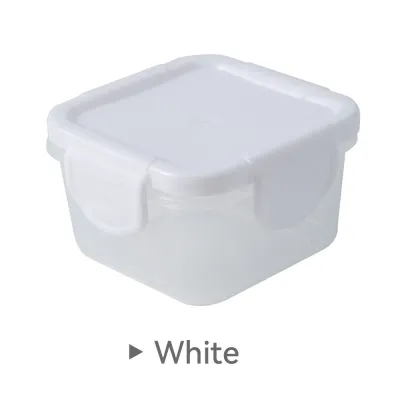
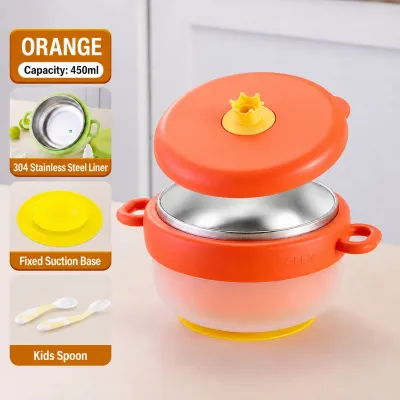
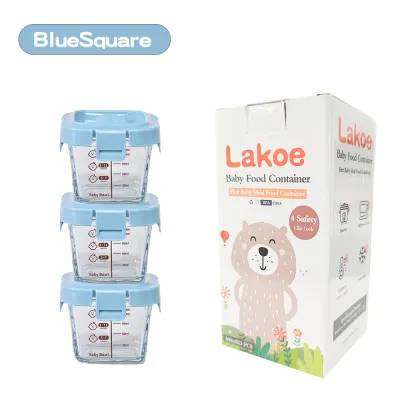
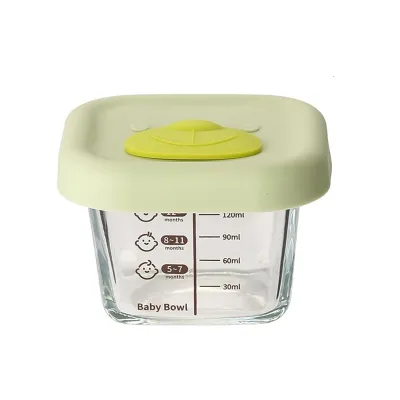
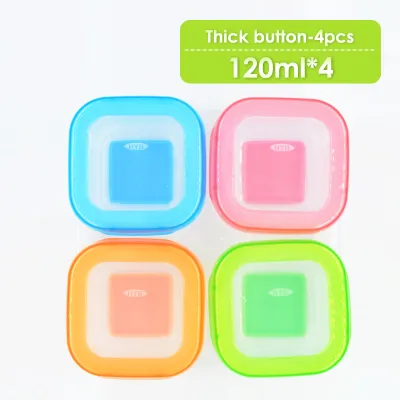
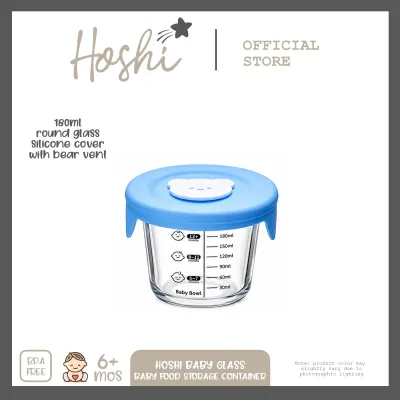
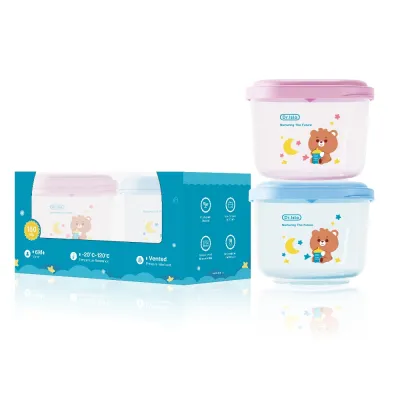
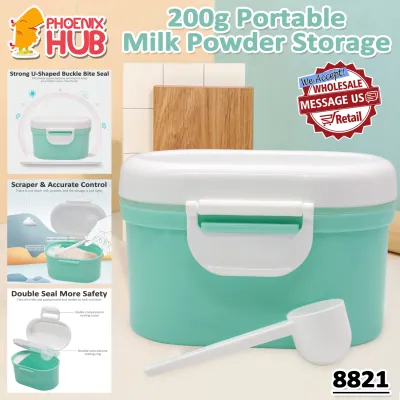
Prices are valid at publication and may change. Please refer to the product page for the latest price.
What to Look for in a Leak-Proof Baby Food Container with Cover
Selecting the right storage gear requires looking beyond attractive designs to evaluate the structural integrity and materials of each container. When feeding on the go, a container must withstand being jostled inside a packed diaper bag while maintaining a perfect seal.
It should also match your daily routine, whether that involves quick microwave heating or keeping food chilled in an insulated cooler. By focusing on a few critical design features, you can ensure your baby’s food remains clean, contained, and ready to serve.
Secure Lids and Leak-Proof Seals
The lid mechanism is the most critical line of defense against accidental spills and food exposure. Silicone sealing rings provide an airtight barrier that prevents liquids from escaping, but they must be properly seated in the lid to function.
Snap-lock mechanisms, which feature four lateral clips that latch onto the container rim, offer high physical security and are less likely to pop open if dropped. Screw-top designs are highly effective for liquid purees, as the threaded closure creates uniform pressure across the seal.
Before trusting a new container on a trip, perform a simple water test at home. Fill it with water, secure the lid, and shake it vigorously over a sink or leave it upside down on a paper towel for an hour to verify its leak-proof integrity.
Material Safety and Durability
Different materials offer distinct advantages and trade-offs for travel, requiring parents to balance weight, durability, and heating options.
- Glass: Highly hygienic, resistant to scratches, and does not absorb food odors or stains, making it excellent for long-term use. However, glass containers are heavy to carry and run the risk of breaking if dropped on hard outdoor surfaces.
- Stainless Steel: Exceptionally durable, lightweight, and opaque, which helps protect light-sensitive nutrients in baby food. The primary trade-off is that stainless steel cannot be placed in a microwave, meaning you must rely on hot water baths or external heating methods.
- Food-Grade Silicone: Flexible, virtually unbreakable, and often collapsible to save space when empty. While highly portable, silicone can sometimes retain soapy odors or strong food smells if not washed thoroughly.
- BPA-Free Plastic: Lightweight, highly affordable, and virtually shatterproof, making it a popular choice for quick trips. However, plastic is prone to scratching over time, which can harbor bacteria, and it can easily stain when holding tomato-based or carrot purees.
Always check the manufacturer’s label on the packaging to verify the exact temperature limits for microwave, dishwasher, and freezer safety, as these ratings vary widely across brands.
Portability and Capacity
Matching the container’s capacity to your baby’s developmental stage prevents carrying unnecessary bulk and reduces food waste.
For younger babies starting on solid foods, small containers holding 2 to 4 ounces (60 to 120 ml) are ideal for single-portion purees. As your baby grows and consumes larger meals or varied snacks, transition to containers holding 6 to 8 ounces (180 to 240 ml).
Look for space-saving features such as stackable designs that lock together, integrated carrying loops, or covers with built-in spoon compartments. These design details help keep your diaper bag organized and ensure you always have a clean utensil ready when your baby is hungry.
Best Container Materials for Different Travel Scenarios
No single container is perfect for every situation, so matching the material to your specific outing ensures the best balance of convenience and food preservation. Whether you are running a quick errand at a local mall or taking a long road trip, selecting the right container makes feeding time much more manageable.

Short Trips and Daily Errands
For quick outings lasting only a couple of hours, such as a trip to the supermarket or a short playdate, lightweight convenience is the top priority.
Food-grade silicone cups or BPA-free plastic containers with secure snap lids are excellent choices for these brief excursions. These containers add minimal weight to your diaper bag and are easy to open and close while holding a baby.
Since you will return home before the food is exposed to prolonged heat, you do not need heavy insulation or complex sealing systems. Instead, focus on compact, stackable designs that slide easily into the side pockets of your bag for quick access.
Long Travel, Road Trips, and Flights
Extended journeys require containers that can withstand constant movement, altitude changes, and long periods without refrigeration.
Insulated stainless steel jars or thick glass containers protected by silicone sleeves are the most reliable choices for long-distance travel. Stainless steel provides excellent physical durability against bumps and drops, while its thermal properties help maintain food temperature when paired with an insulated cooler bag.
For flights or bumpy road trips, screw-top lids are highly recommended because they resist pressure changes better than simple snap-on lids. Pairing these sturdy containers with reusable ice packs inside your travel bag ensures that perishable purees remain at a safe temperature until serving.
Outdoor Picnics and Park Visits
Feeding your baby outdoors presents unique challenges, particularly the lack of clean surfaces and handwashing facilities.
In these environments, look for containers designed for self-contained feeding, such as those with built-in spoon holders or attached folding spoons. A wide-mouth container design is highly beneficial, as it allows you to scoop food easily without spilling or needing to transfer the meal to a separate bowl.
Opaque materials, such as colored silicone or stainless steel, are particularly useful for outdoor meals because they shield the food from direct sunlight. This sun protection helps prevent the rapid warming and degradation of delicate ingredients, ensuring the meal remains appetizing and safe.
Keeping Baby Food Safe and Fresh in Tropical Climates
Operating in warm, tropical climates requires strict adherence to food safety principles to protect your baby from foodborne illnesses. High ambient temperatures and humidity create an ideal environment for rapid bacterial growth in perishable baby food.
As a general rule, perishable baby food should not sit at room temperature for more than two hours. In hot climates where temperatures frequently exceed 32°C, this safe window shrinks to just one hour, making temperature control a critical priority.
To extend freshness during transit, always store your filled containers inside an insulated cooler bag packed with frozen gel packs. Keep the cooler bag zipped closed as much as possible, and avoid leaving it in direct sunlight or inside a hot parked car.
Before feeding your baby, always perform a quick check by inspecting the container for any swelling, smelling the food, and testing a small portion to ensure it has not spoiled. If you notice any sour smell, unusual texture, or lid swelling, discard the food immediately.
Additionally, consult the specific manufacturer’s guidelines for your container’s hot and cold retention limits. Do not assume a standard container will function as a high-performance thermos unless it is explicitly certified and rated for thermal retention by the brand.
How to Clean and Maintain Travel Containers on the Go
Maintaining strict hygiene for baby food containers is essential, especially when you are away from home and lack access to a full kitchen setup. Proper care not only protects your baby from harmful bacteria but also extends the lifespan of your storage gear.
On-the-Go Rinsing Immediately after your baby finishes eating, rinse the container and lid with bottled water or clean tap water. Allowing food residue to dry inside the container makes deep cleaning much more difficult later and encourages bacterial growth. If you cannot rinse the container immediately, seal it tightly to keep the moisture in, and wash it thoroughly as soon as you return home.
Deep Cleaning at Home Once back home, disassemble all parts of the container completely, paying close attention to the lid assembly. Remove any silicone sealing rings or gaskets, as moisture and food particles easily trap behind them, leading to hidden mold growth. Wash all components in warm, soapy water using a dedicated bottle brush to scrub into tight corners and crevices. Allow all parts to air dry completely on a clean rack before reassembling them for storage.
Sterilization Regular sterilization helps ensure your travel containers remain completely hygienic for your baby. The appropriate sterilization method depends entirely on the container material, so always check the manufacturer’s care instructions first. Glass and high-grade silicone can generally withstand boiling water or steam sterilization without degrading. For plastic components, strictly observe the recommended heat limits, as excessive heat can cause warping, cracking, or the breakdown of materials. If a container shows signs of deep scratching, cracking, or persistent odor that cannot be removed, stop using it and replace it to maintain food safety.
Frequently Asked Questions (FAQ)
Can I microwave baby food directly in these travel containers?
Whether you can microwave a container depends entirely on its material and the manufacturer’s explicit guidelines. Glass and high-grade silicone are generally microwave-safe, but you must always remove the lids, seals, and any metal components before heating. Stainless steel and certain plastics should never be placed in a microwave, as doing so can damage your appliance or leach chemicals into the food.
How do I stop tomato-based baby food from staining plastic containers?
To minimize staining, rinse the plastic container with cold water immediately after use instead of letting the food sit. Applying a very thin coating of food-safe oil, such as olive oil, to the inside of the container before filling it can also create a protective barrier. Alternatively, dedicate glass or stainless steel containers specifically for highly pigmented foods like carrots, pumpkins, and tomatoes.
Are collapsible silicone containers safe for hot purees?
Collapsible silicone containers are safe for warm or hot foods only if they are made from high-quality, food-grade silicone certified for high temperatures. Before pouring hot food inside, verify the manufacturer’s maximum temperature rating on the packaging. Always ensure the container is fully expanded and placed securely on a flat, stable surface before filling to prevent accidental collapse and hot spills.
Community discussion
Share your experience or ask a question. Comments are reviewed before publication.