
As babies transition from crawling to pulling themselves up and taking their first tentative steps, the home suddenly transforms into a landscape of potential hazards. Sharp corners on coffee tables, rigid edges on wooden desks, and hard marble countertops present significant risks of bumps, bruises, or more serious impact injuries. Finding the right baby protector edge solution is a critical step in creating a secure environment where your little one can explore safely. Because every home features a unique mix of furniture materials and shapes, a single type of guard cannot solve every safety challenge. You must match the physical properties of the protector to the specific characteristics of your furniture to ensure both reliable protection and the preservation of your household items.
Quick Guide to Matching Protectors and Furniture
Selecting the perfect protective barrier requires balancing impact absorption, visual impact, and adhesive reliability. In tropical climates like the Philippines, where high humidity and elevated temperatures can compromise adhesive bonds, choosing the correct material-to-surface pairing is especially critical. Before diving into the technical specifications of each material, this quick-reference guide outlines the most effective pairings based on common household furniture types.
| Furniture Material | Recommended Protector Material | Primary Edge Profile | Key Decision Factors |
|---|---|---|---|
| Solid Wood | High-Density NBR Foam | L-Shaped or Thick Corner Cushions | High impact absorption; requires strong, wood-safe adhesive. |
| Glass | Food-Grade Silicone | U-Shaped (Channel) | High transparency; wraps around top and bottom lips securely. |
| Metal | Low-Profile Rubber or Fabric | Flat Rolls or Custom Strips | Low visual profile; flexible enough to wrap around narrow rails. |
| Marble / Stone | Soft Silicone or PVC | L-Shaped or Curved Corner Guards | Residue-free adhesive to prevent staining porous surfaces. |
When assessing these options, prioritize the infant’s developmental stage. For example, a baby who is actively teething will interact with furniture differently than a toddler who is running and prone to high-velocity slips. Always verify the manufacturer’s age recommendations and weight limits where applicable, and maintain active caregiver supervision regardless of the protective measures installed.
Products mentioned in this guide
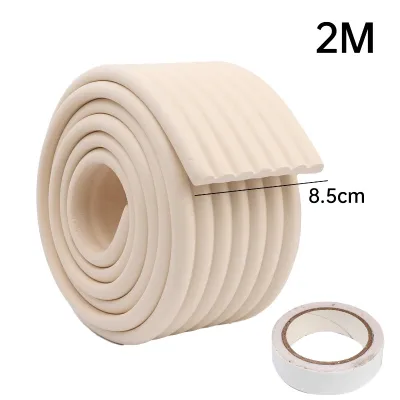
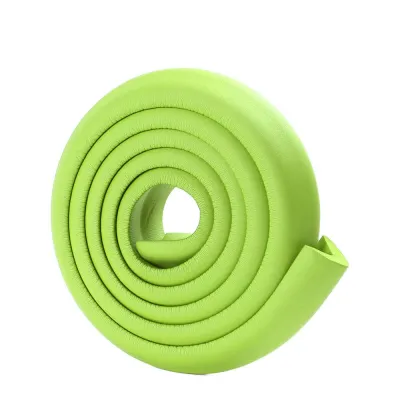
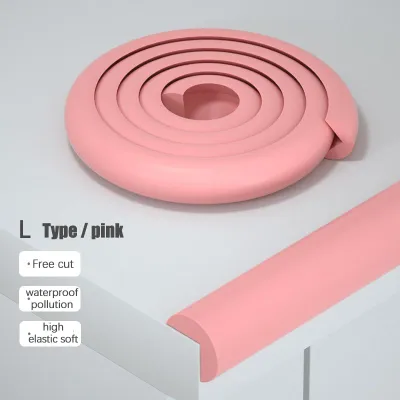
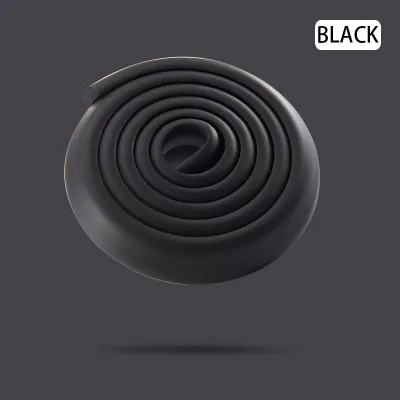
Prices are valid at publication and may change. Please refer to the product page for the latest price.
How to Match Baby Protector Edge Materials to Furniture Surfaces
The material of your furniture determines not only how a collision will feel to your child but also how well an adhesive will stick to the surface. Applying the wrong protector can lead to immediate peeling, especially in humid environments, or can permanently ruin delicate wood veneers and porous stones. Understanding the physical properties of foam, silicone, rubber, and PVC allows you to choose a solution that stays firmly in place while providing the necessary cushioning.

Foam Protectors for Wood and High-Impact Zones
High-density foam, typically made from Nitrile Butadiene Rubber (NBR), remains the industry standard for high-impact zones. This material is exceptionally soft and thick, making it ideal for heavy, solid wood furniture such as dining tables, TV consoles, and writing desks. When a toddler loses their balance, the cellular structure of high-density foam compresses to absorb the bulk of the kinetic energy, significantly reducing the risk of serious head injuries.
However, foam protectors come with distinct trade-offs that parents must consider. From an aesthetic standpoint, foam is bulky and highly visible, which can clash with your home decor. More importantly, the soft, squishy texture of foam is highly appealing to teething babies. Infants may attempt to bite, chew, or peel the foam, which can quickly turn the protector itself into a choking hazard.
To mitigate these risks, caregivers must verify the product labels for safety standards. Look for certifications indicating that the foam is free from heavy metals, phthalates, and flame retardants. Because these standards can change, always verify the manufacturer’s current safety documentation before purchasing. If you notice your baby successfully biting off pieces of the foam, stop using the protector immediately and transition to a firmer material or restrict access to that piece of furniture.
Silicone and Rubber for Glass, Metal, and Aesthetics
For homeowners who prefer a minimalist look or need to protect sleek, modern furniture, silicone and rubber are excellent alternatives. Transparent silicone protectors are virtually invisible on glass coffee tables, acrylic shelves, and light-colored wood, allowing the natural design of your furniture to show through. Rubber, while less transparent, offers a highly durable, low-profile barrier that resists wear and tear much better than foam.
In terms of safety performance, silicone and rubber are firmer than foam. They do not compress as deeply, meaning they offer slightly less impact absorption during a high-speed collision. However, they are highly effective at blunting sharp, knife-like edges into rounded, safe surfaces. Because silicone is incredibly tough, it easily resists the biting and chewing of teething infants, making it a highly durable choice for high-contact areas.
When selecting silicone options, caregivers should verify that the material is labeled as food-grade or BPA-free. This is particularly important if the protected edges are at eye level or within easy reach of a baby who is prone to exploring with their mouth. Ensure that the selected silicone is firm enough to resist tearing but flexible enough to bend around the specific contours of your furniture.
PVC and Plastic for Wide Edges and Flat Surfaces
Polyvinyl Chloride (PVC) and rigid plastic guards are specialized solutions designed for specific structural needs. These materials are semi-rigid or hard, offering a structured channel that fits snugly over flat surfaces, wide fireplace hearths, or thick countertop overhangs. Unlike foam, which can sag over time, rigid PVC maintains its shape and provides a consistent, clean barrier along extended straight lines.
The primary advantage of PVC is its incredible durability and ease of cleaning. In busy households, kitchen countertops and low walls are prone to spills, grease, and dirt. PVC protectors can be wiped clean with a damp cloth and mild soap without degrading the material. The trade-off, however, is a significantly lower level of shock absorption. PVC is designed to prevent cuts and scrapes from sharp corners rather than cushioning heavy falls.
Before purchasing rigid plastic or PVC guards, precise measurement is mandatory. You must measure the exact thickness of your furniture edge to ensure the rigid channel fits snugly. A loose fit will allow the baby to easily pull the guard off, while a fit that is too tight can crack the protector or damage the furniture finish. Always check the manufacturer’s sizing charts and verify the dimensions of your furniture before ordering.
Selecting the Right Profile for Edge Shapes
The geometry of your furniture dictates the physical shape, or profile, of the protector you need. Using the wrong profile leads to poor adhesion, exposed sharp edges, and a higher likelihood that your child will pull the guard off during play.
L-Shaped, U-Shaped, and Flat Strips
Edge protectors generally fall into three primary cross-sectional shapes, each engineered for specific types of furniture edges:
- L-Shaped Protectors: These are designed with a simple 90-degree angle, making them the perfect match for standard rectangular tables, cabinet tops, and square shelves. They cover the top edge and the vertical face of the furniture, shielding your child from direct downward impacts.
- U-Shaped Protectors: Also known as channel guards, these profiles wrap completely around an edge, covering the top, the outer face, and the bottom lip. They are highly recommended for thin surfaces, such as glass table tops, metal shelving, or thin wooden panels, where a child could bump into either the top or bottom edge.
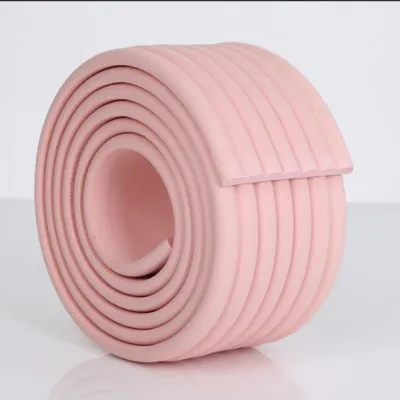
- Flat Strips and Rolls: These profiles lack a pre-molded bend, making them highly flexible. They are ideal for wide, flat surfaces, curved furniture edges, or wrapping around cylindrical objects such as crib rails, round table legs, or banisters.
Corner Guards vs. Continuous Rolls
When planning your baby-proofing strategy, you will need to choose between pre-molded corner guards and continuous rolls.
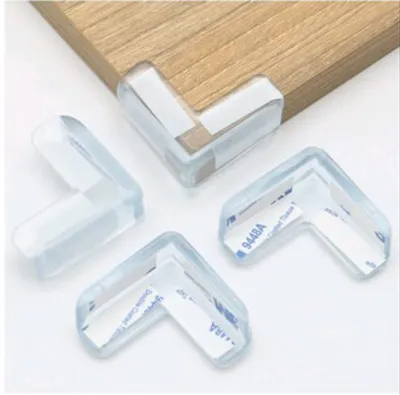
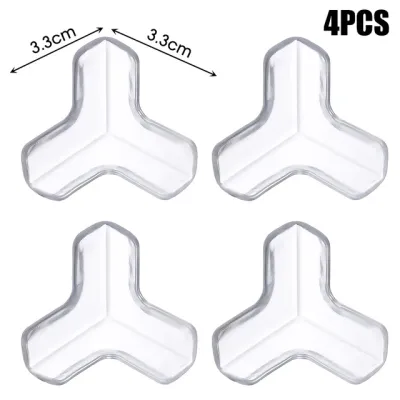
Pre-molded corner guards are designed specifically for the sharp 90-degree intersections of tables and desks. Because they are molded as a single piece, they fit securely over corners without requiring complex folding or cutting. This design minimizes seams, making it much harder for curious little fingers to find leverage and peel the guard away.
Continuous rolls, on the other hand, offer maximum flexibility and cost-effectiveness. They allow you to protect long, unbroken edges, such as the sides of a long dining table or a low TV console. You can cut continuous rolls to the exact length you need using heavy-duty scissors or a utility knife.
When cutting continuous rolls, take extra care to ensure clean, straight cuts. Jagged cuts or uneven edges can create small gaps where dust and moisture can collect, weakening the adhesive. Furthermore, rough cuts on rigid plastic or PVC rolls can create sharp plastic burrs, which pose a scratch hazard to your child. Always smooth down any cut edges before applying them to your furniture.
Recommended Protector Types for Common Household Furniture
To help you implement an effective safety plan, let us look at the specific recommendations for the most common furniture items found in typical homes.
Wooden Dining Tables and Desks
Wooden dining tables and study desks are high-traffic areas where children frequently play, eat, and crawl. Because these pieces are often made of heavy solid wood or delicate wood veneers, they require a balance of high impact protection and careful adhesive management.
For these surfaces, high-density foam L-shaped guards or thick rubber corner cushions are highly recommended. These materials provide the deep cushioning needed to protect a toddler who might bump their head while crawling under or standing next to the table.
When installing these protectors, you must use a strong, furniture-safe adhesive that can withstand the constant pulling and tugging of a child. However, before applying any heavy-duty double-sided tape, check the specific finish of your wood. Delicate wood veneers, antique varnishes, or soft pine can easily peel or discolor when the adhesive is eventually removed. If your furniture has a delicate finish, consider using lighter, residue-free adhesives or temporary tension-based guards, and always test a small, hidden area first.
Glass Coffee Tables and Display Cabinets
Glass furniture presents a double hazard: the edges are exceptionally sharp, and the material itself can shatter under extreme impact. Protecting these items requires a solution that covers the edge completely without putting undue stress on the glass.
Clear silicone U-channel guards are the premier choice for glass coffee tables and display cabinets. The U-shape wraps around both the top and bottom of the glass pane, ensuring complete coverage. Because the silicone is transparent, it preserves the clean, airy aesthetic of the glass furniture, making it less tempting for the baby to pull on.
Proper installation on glass requires meticulous surface preparation. Glass surfaces must be completely clean, dry, and free of fingerprints, dust, or oils before applying the adhesive. Any moisture or oil trapped under the tape will cause the adhesive to fail rapidly, especially in humid tropical climates. For the best results, use corner-specific silicone bumpers for the sharp 90-degree points, and connect them seamlessly with straight silicone U-channel strips along the sides.
Marble Countertops and Metal Bed Frames
Marble countertops, stone kitchen islands, and metal bed frames present unique material challenges due to their hardness, temperature, and surface texture.
For marble and natural stone surfaces, soft silicone or rubber profiles are highly recommended. Natural stone is highly porous, meaning standard chemical adhesives can seep into the stone, causing permanent etching, staining, or discoloration. To prevent this, look for protectors that utilize gentle, residue-free acrylic adhesives specifically labeled as safe for stone surfaces. Avoid leaving adhesives on natural stone for years without inspection, as long-term exposure can make removal difficult.
For metal frames, such as steel bed frames or metal crib rails, flat foam rolls or fabric-covered edge guards are the most effective solutions. Metal surfaces are often cold and slippery, which can cause standard adhesive tapes to slide or lose grip over time. Wrapping a flexible foam roll or a secure, fabric-based wrap around the metal bars provides a stable, slip-resistant safety barrier. If you are protecting a crib rail, verify that the guard is securely fastened and cannot be loosened by the child, as loose wraps can pose a serious entanglement hazard.
Adhesive Safety and Furniture Protection
The success of any baby-proofing effort depends heavily on the quality of the adhesive and how well it survives your local environment. In the Philippines, the combination of high tropical humidity and warm temperatures poses a constant challenge to adhesive longevity. Moisture in the air can slowly degrade the bond between the tape and the furniture surface, causing the edges of the protector to curl or peel.
To ensure ongoing safety, caregivers should perform regular visual and physical checks on all installed edge protectors. Tug gently on the corners once a week to verify that the adhesive remains strong. If a protector becomes loose, replace the adhesive tape immediately to prevent the guard from falling off or becoming a choking hazard.
When the time comes to remove the protectors, follow a careful, damage-free removal framework:
- Apply Gentle Heat: Use a hairdryer on a low or medium setting to warm the adhesive. This softens the glue, making it much easier to peel away without tearing the furniture's surface finish.
- Peel Slowly: Pull the protector back slowly at a flat angle, rather than pulling straight up, to minimize stress on wood veneers or paint.
- Use Safe Solvents: If adhesive residue remains, test a small amount of cooking oil (such as coconut or olive oil) or a dedicated mild adhesive remover on a hidden area of the furniture first. Once verified safe, gently rub the residue with a soft microfiber cloth.
Always check both your furniture manufacturer’s care instructions and the protector’s adhesive specifications before application. If instructions conflict, or if you are dealing with an unidentified or highly antique material, consult a furniture restoration professional before applying any chemical adhesives.
Frequently Asked Questions (FAQ)
Are silicone edge protectors safe if a baby chews on them?
While 100% food-grade silicone is non-toxic, chemical-free, and inherently safer than cheap plastics, baby edge protectors are not designed, tested, or approved as teething toys. If your infant is in a highly active teething phase, they may still manage to bite off small pieces of silicone or compromise the adhesive backing. Caregivers must regularly inspect all installed protectors for visible bite marks, tears, or loose edges. If you detect any damage, remove the protector immediately and replace it, or restrict your child’s access to that area to prevent choking hazards.
How do I remove adhesive residue from wood furniture without damaging it?
Removing stubborn adhesive residue from wood requires patience and gentle techniques to avoid stripping the varnish or veneer. Start by applying mild heat with a hairdryer on a low setting for 30 to 60 seconds to soften the remaining glue. Gently roll the softened residue off with your fingers. For any remaining sticky spots, apply a few drops of a mild oil, such as mineral oil or coconut oil, to a soft microfiber cloth and rub the area gently in circular motions. Avoid using harsh chemical solvents, acetone, abrasive scrubbers, or sharp metal scrapers, as these will permanently scratch or strip the wood’s protective finish.
Community discussion
Share your experience or ask a question. Comments are reviewed before publication.