
Quick Answer: Finding the Safest Dry Wipes for Sensitive Skin
When a baby suffers from persistent diaper rash, eczema, or contact dermatitis, every diaper change can feel like an invitation to more irritation. Finding the safest baby dry wipes for sensitive skin in the Philippines is not about chasing a specific brand name or a flashy logo. Instead, the safest choice relies entirely on understanding the raw material composition and the manufacturing standards behind each product.
For parents managing highly reactive skin, the optimal approach is to prioritize dry wipes made of 100% natural, unbleached fibers—such as pure cotton or organic bamboo—processed without chemical binders or synthetic fragrances. Because dry wipes contain no added liquid, they eliminate the need for the chemical preservatives and surfactants that keep wet wipes shelf-stable but often trigger allergic reactions.
To protect a compromised skin barrier, caregivers should pair these dry wipes with plain, lukewarm water, sterile saline, or a pediatrician-approved liquid cleanser. Relying solely on front-of-pack “hypoallergenic” claims is rarely enough; verifying the actual fiber content and choosing a product with zero chemical additives is the most reliable way to ensure your baby’s skin remains calm and clear.
Products mentioned in this guide
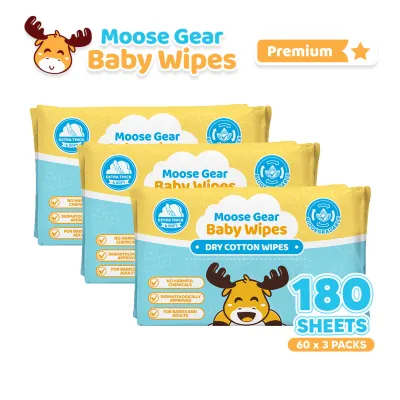
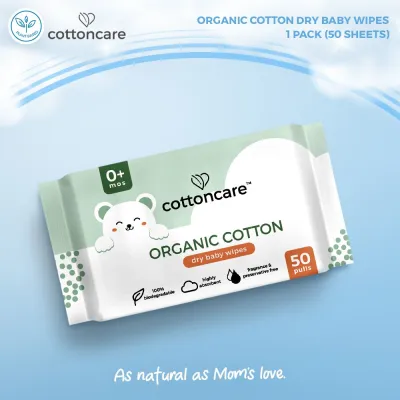
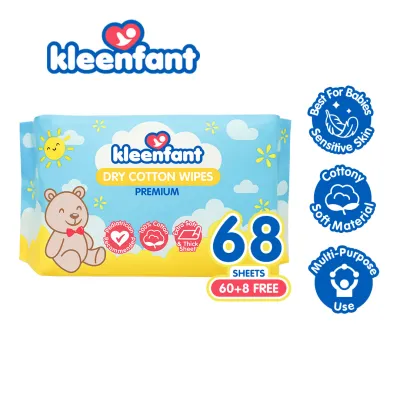
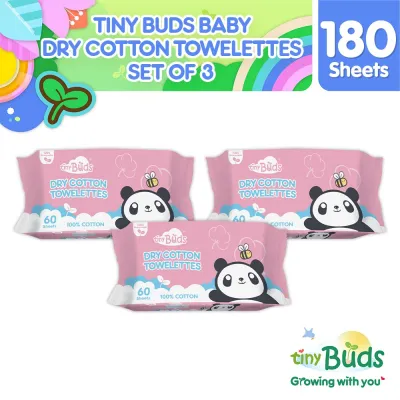
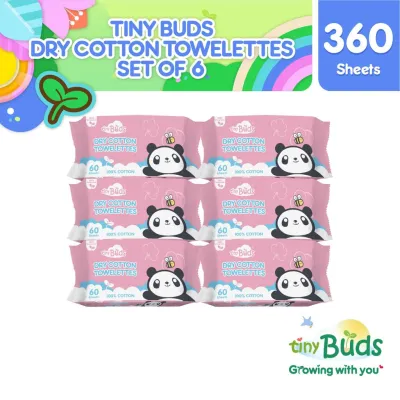
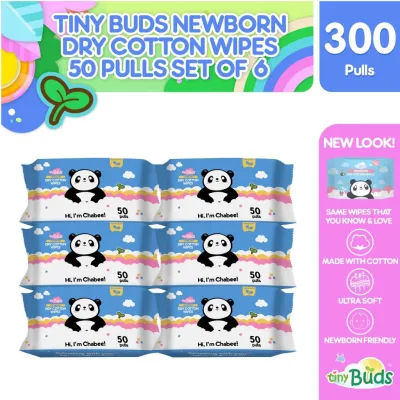
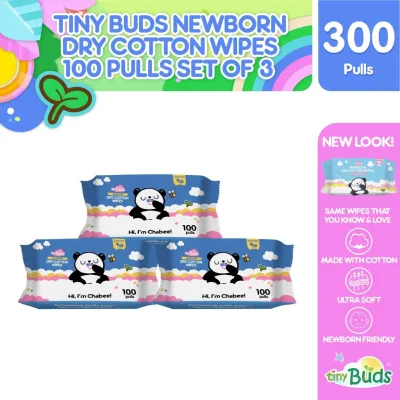
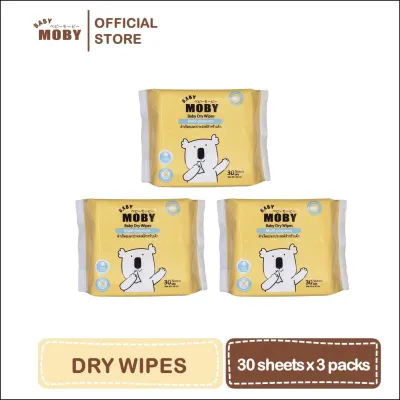
Prices are valid at publication and may change. Please refer to the product page for the latest price.
Why Switch to Dry Wipes for Irritated or Eczema-Prone Skin?
Traditional pre-moistened wet wipes are undeniably convenient, but their very design presents challenges for highly sensitive or compromised baby skin. To prevent mold, bacteria, and yeast from growing in a dark, wet plastic package, manufacturers must formulate wet wipes with a complex blend of preservatives, antimicrobial agents, and surfactants. While these chemicals are safe for healthy skin, they can easily penetrate a damaged skin barrier, causing stinging, contact dermatitis, or flare-ups of infantile eczema.

By contrast, baby dry wipes are manufactured and packaged completely dry, which naturally eliminates the need for preservatives, chemical stabilizers, or artificial fragrances. When you use a dry wipe, you gain absolute control over the liquid that touches your baby’s skin. You can choose to moisten the wipe with freshly boiled and cooled water, sterile saline, or a specific emollient recommended by your pediatrician, ensuring that no unnecessary chemical irritants are introduced during cleanup.
Furthermore, the physical action of wiping can cause mechanical friction, which worsens existing diaper rash or skin inflammation. Dry wipes, particularly those made from high-quality natural fibers, are designed to be exceptionally soft and highly absorbent when wet. This allows caregivers to gently pat or wipe away messes with minimal pressure, reducing the physical friction that damages the delicate stratum corneum of a newborn or infant.
In a tropical climate like the Philippines, where heat and humidity can exacerbate sweat rashes and diaper dermatitis, minimizing chemical exposure is even more critical. Standard wet wipes can leave behind a thin film of surfactants and moisture that traps heat against the skin, whereas a dry wipe moistened with plain water leaves the skin clean, fresh, and free of chemical residues, allowing the skin barrier to heal naturally.
Core Comparison Dimensions for Baby Dry Wipes
To make an informed choice, parents must look beyond marketing claims and evaluate dry wipes across three core dimensions: fiber source, chemical processing, and physical texture.
Material and Fiber Source: Cotton vs. Bamboo vs. Blends
The foundational material of a dry wipe determines its softness, strength, and safety. Pure 100% cotton is widely considered the gold standard for sensitive skin because its natural fibers are incredibly soft, hypoallergenic, and structurally stable when wet. Cotton fibers do not easily shed or leave behind lint, which is crucial when cleaning open rashes or raw skin.
Bamboo is another popular natural alternative, praised for its high absorbency and natural silkiness. However, because bamboo requires chemical processing to transform tough woody stalks into soft fibers, parents should verify that the manufacturer uses a mechanical or closed-loop non-toxic process. Whichever natural material you prefer, always check the packaging to confirm that the product is indeed 100% natural, rather than a blend.
Many budget-friendly wipes on the market are synthetic blends containing polyester, viscose, or rayon. While these materials can feel soft to the touch when dry, they do not absorb water as effectively as pure cotton or bamboo. Instead, synthetic fibers tend to smear moisture across the skin, requiring more wipes per change, and their plastic-based structures can create micro-abrasions on highly sensitive or inflamed skin.
Chemical Processing and Hidden Additives
Even when a wipe is made from natural cotton or bamboo, the manufacturing process can introduce chemicals that remain on the fibers. Many conventional wipes undergo chlorine bleaching to achieve a pristine white color, a process that can leave trace residues. To avoid this, look for labels that explicitly state “chlorine-free” or “unbleached,” which indicates the fibers have been processed safely.
Fluorescent brightening agents (FBAs) are another common additive used to make dry wipes look artificially bright and clean under light. These optical brighteners can easily transfer to a baby’s skin during use, potentially causing contact allergies or irritation over time. Choosing wipes certified free from FBAs ensures that no unnecessary cosmetic chemicals come into contact with your baby’s delicate skin barrier.
It is also vital to distinguish between “unscented” and “fragrance-free” labels. An “unscented” product may still contain chemical masking agents designed to neutralize the natural smell of the raw materials, which can irritate sensitive skin. A truly safe dry wipe will be labeled “fragrance-free,” indicating that absolutely no perfume, fragrance, or masking chemicals have been added at any stage of production.
Texture, Thickness, and Absorbency
The physical structure of a baby dry wipe dictates how efficiently it cleans and how gentle it feels on the skin. Dry wipes generally come in two finishes: embossed and smooth. Embossed wipes feature a textured pattern, such as raised dots or waves, which helps grab and hold solid diaper messes with minimal wiping effort. Smooth wipes, on the other hand, offer a completely flat surface that is ideal for wiping highly sensitive areas like the eyes, face, or severely inflamed skin where any texture might cause friction.
Thickness is another critical factor, typically measured in grams per square meter (GSM). High-quality dry wipes usually range from 50 to 80 GSM, providing a thick, plush barrier that prevents the wipe from tearing or folding over during use. A thicker wipe not only protects the caregiver’s hands from coming into contact with messes but also holds more liquid, allowing you to complete a diaper change with fewer wipes.
When a wipe is too thin (below 40 GSM), it tends to saturate quickly, lose its shape, and tear easily when wet. This often forces parents to stack multiple wipes together, which increases overall consumption and reduces the cost-effectiveness of the product. Investing in a thicker, high-GSM dry wipe ensures both physical durability and a gentler, more supportive cushion for irritated skin.
How to Evaluate Brands Available in the Philippines
Navigating the baby care aisle in local supermarkets or browsing online marketplaces in the Philippines can be overwhelming, with dozens of brands claiming to be “all-natural” or “pediatrician-approved.” To find a product that is truly safe for sensitive skin, parents must learn to read beyond the front-of-pack marketing slogans. Turn the package over and look for a clear, detailed breakdown of the fiber percentages and manufacturing disclosures. A trustworthy brand will explicitly state “100% Cotton” or “100% Bamboo” rather than using vague terms like “cottony soft” or “natural fibers,” which often mask synthetic polyester blends.
Dermatological testing and clinical certifications are highly valuable, but they must be verified rather than taken at face value. Look for recognized seals from independent dermatological institutes or pediatric associations. If a brand claims to be hypoallergenic, check if they provide transparent access to their testing standards or ingredient lists on their official website.
In the Philippines, many parents purchase baby dry wipes in bulk from e-commerce platforms to save on costs. While bulk buying is highly practical, it requires extra vigilance regarding packaging integrity. High humidity, heavy rainfall, and transit conditions can expose packages to moisture, dust, or pests. When your order arrives, inspect the outer plastic packaging carefully for any punctures, tears, or broken seals. If a package is compromised, moisture can enter and foster mold growth inside the dry wipes, making them unsafe for use on a baby’s skin.
Lastly, pay close attention to the structural integrity of the wipe when it is wet. Some brands use chemical binders—essentially synthetic glues—to hold the fibers together. When these wipes are moistened, they may release chemical residues or shed tiny fibers and lint onto the baby’s skin, which can clog pores or irritate open wounds. A premium dry wipe should rely on water-jet spinning (spunlace technology) to interlock the fibers mechanically, ensuring the wipe remains completely intact and chemical-free even when fully saturated.
Decision Framework: Choosing the Right Dry Wipe Profile
To help you make the best decision for your baby’s specific skin needs, use this practical framework to choose the ideal dry wipe profile.
- Choose 100% Unbleached Cotton Wipes if: Your baby has active infantile eczema, severe diaper dermatitis, or highly reactive skin that turns red with the slightest friction. Unbleached cotton wipes provide the absolute softest texture and contain zero chemical residues from bleaching agents, making them the safest choice for cleaning delicate facial areas, runny noses, and inflamed diaper regions.
- Choose Bamboo or Thick Embossed Wipes if: You need high absorbency and structural durability to clean up heavy, solid messes, and your baby's skin is only mildly sensitive or prone to occasional, standard diaper rash. The natural strength of bamboo fibers combined with an embossed texture allows you to clean thoroughly with fewer wipes, making this a highly efficient and eco-friendly option for daily diapering.
- Neither may fit if: The brand's packaging uses vague language like "cotton-soft" without disclosing the exact fiber percentages, or if the wipes begin to pill, shed lint, or fall apart when wet. Wipes that leave fiber residues behind can trap moisture and bacteria against broken skin, worsening irritation rather than relieving it.
- Verify first if: You are introducing a new dry wipe brand to your baby's care routine. Always perform a simple patch test by wiping a small, non-sensitive area of your baby's skin, such as the inner forearm, with a moistened wipe and waiting 24 hours to check for any redness or swelling. If your baby's skin shows persistent redness, dryness, or signs of infection, stop using the product immediately and consult a qualified pediatrician.
Safe Usage and Storage in a Tropical Climate
The tropical climate of the Philippines, characterized by high temperatures and intense humidity, presents unique challenges for storing dry baby products. While dry wipes do not contain water, the natural cotton or bamboo fibers can absorb moisture from the surrounding air if the packaging is left open or stored in a damp environment. This trapped moisture, combined with warm ambient temperatures, creates an ideal breeding ground for mold, mildew, and environmental bacteria.
To prevent contamination, always store dry wipe packages in a cool, dry place away from direct sunlight, and avoid keeping bulk stock in high-humidity areas like bathrooms. Ensure the resealable plastic sticker or lid is pressed down firmly after every use. When extracting a wipe from the package, make sure your hands are completely clean and dry, or use dedicated, sanitized tongs to avoid transferring dirt or moisture to the remaining wipes in the pack.
When preparing dry wipes for use, only moisten the exact number of wipes you need for the immediate diaper change. It can be tempting to pre-soak a large batch of wipes in a container for convenience, but doing so in a warm, humid climate without preservatives will quickly lead to bacterial growth within 24 hours. For the safest results, moisten each wipe individually with freshly boiled and cooled water, distilled water, or sterile saline right before application, ensuring a clean and hygienic clean every single time.
Frequently Asked Questions (FAQ)
Can I use dry wipes with regular tap water for a newborn?
While tap water is generally acceptable for older babies with healthy skin, it is highly recommended to use freshly boiled and cooled water, distilled water, or sterile saline for newborns and babies with compromised skin barriers. Municipal tap water can contain trace minerals, chlorine, or environmental bacteria that may irritate raw, sensitive skin or open rashes. Using purified or sterile water ensures that you are not introducing potential irritants to your baby’s delicate skin.
Do dry wipes expire or degrade in humid environments?
Unlike pre-moistened wet wipes, dry wipes do not have a strict expiration date because they lack liquid ingredients. However, natural fibers like cotton and bamboo are biodegradable and can degrade, become brittle, or lose their softness over several years. In humid climates, prolonged exposure to air can cause the wipes to absorb ambient moisture and develop mold. Always inspect the wipes for any off-odors, yellow discoloration, or dampness before using them on your baby.
Community discussion
Share your experience or ask a question. Comments are reviewed before publication.