
Setting up a nursery in the Philippines requires balancing comfort, safety, and tropical climate challenges. Finding the best crib and changing table set means looking for furniture that maximizes space, matches your home’s aesthetic, and keeps your baby secure. A high-quality crib for baby combined with a matching changing table simplifies the early years of parenting by keeping sleep and diaper-changing essentials in one organized zone.
While buying separate furniture pieces is always an option, purchasing a coordinated set offers distinct advantages in both function and style. By understanding what to look for in terms of safety, material quality, and space efficiency, you can make an investment that supports your child’s development from infancy through toddlerhood.
Why Buy a Crib and Changing Table Combo?
Purchasing a coordinated nursery set offers significant practical and financial advantages over buying separate furniture pieces. For many parents, the primary benefit is space efficiency. Many modern sets are designed with integrated footprints, where the changing station attaches directly to one side of the crib. This layout is exceptionally beneficial for standard bedroom layouts and smaller nursery spaces, as it eliminates the awkward gaps and wasted floor space that often occur when placing two standalone furniture items.
Products mentioned in this guide
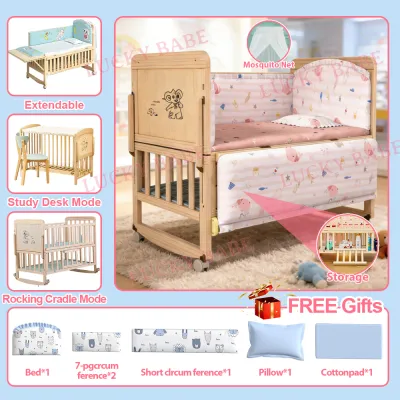
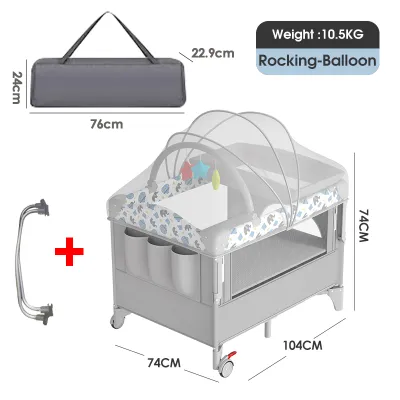
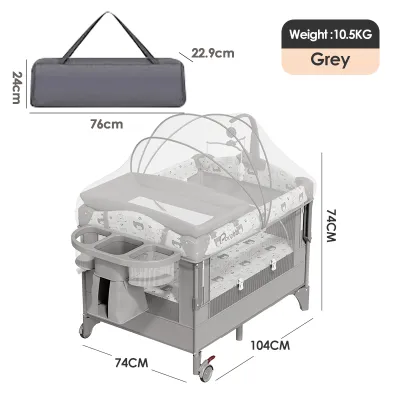
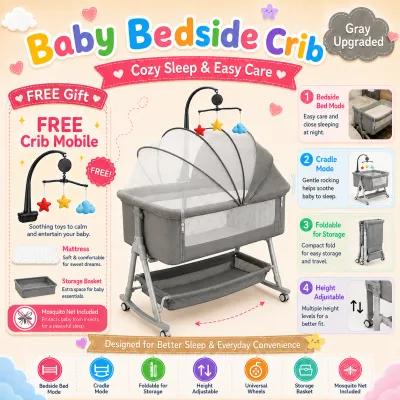
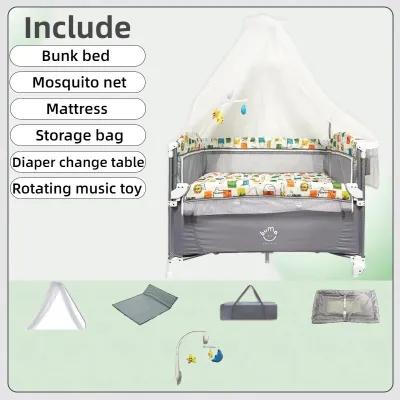
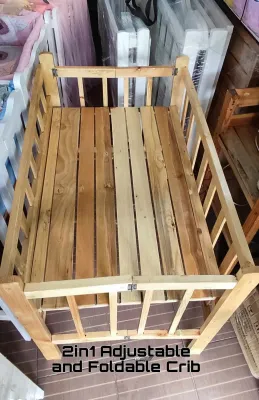

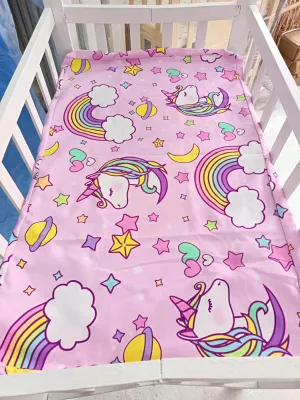
Prices are valid at publication and may change. Please refer to the product page for the latest price.
There is also a clear aesthetic benefit to buying a matched set. Coordinated sets ensure that the wood finishes, paint colors, and hardware designs match perfectly. Achieving a cohesive look can be surprisingly difficult when sourcing items from different manufacturers, as wood stains like oak, cherry, or white finishes vary widely across brands. A matching set instantly gives the nursery a polished, calming, and intentional look.
From a purchasing perspective, bundling these two essential items simplifies your decision-making process. Instead of spending hours comparing dimensions, heights, and styles across multiple retailers, you can secure your primary nursery furniture in a single purchase. Bundled sets also frequently offer better overall financial value, as manufacturers often discount package deals compared to buying a separate crib and changing table individually.
Non-Negotiable Safety and Quality Checks Before You Buy a Crib for Baby
Before evaluating specific styles or aesthetics, you must prioritize structural safety and material compliance. A crib for baby is a sanctuary where your infant will spend hours unsupervised, making rigorous safety checks absolute non-negotiables for every parent.

Crib Safety Standards
- Slat Spacing: Verify that the distance between the crib slats is no more than 6 centimeters (2.3 inches). This precise spacing prevents a baby's head or limbs from becoming trapped between the bars.
- Mattress Fit: The mattress must fit snugly within the crib frame. If you can fit more than two fingers between the edge of the mattress and the crib side, the mattress is too small, creating a dangerous gap where an infant could become wedged.
- Drop-Side Warning: Ensure the crib has a fixed-side design. Drop-side cribs have been widely banned internationally due to mechanical failure risks, so avoid any new or secondhand models featuring movable sides.
Changing Table Stability
- Raised Barriers: The changing surface must feature raised protective barriers on all sides—ideally at least 5 centimeters high—to prevent your baby from rolling off.
- Safety Straps: Look for a changing table or pad equipped with an adjustable safety strap to secure your baby during diaper changes.
- Anti-Tip Anchors: Changing tables can become top-heavy, especially as your baby grows and becomes more active. The set should include wall-anchoring hardware to secure the unit firmly to the wall and prevent tip-over accidents.
Material and Finish Integrity
- Non-Toxic Certifications: Confirm that all paints, stains, and finishes are certified non-toxic and lead-free. Look for recognized safety standards, such as GREENGUARD Gold or JPMA certifications, on the product packaging or manufacturer documentation.
- Humidity Resistance: Solid wood options like rubberwood, beech, or sustainably sourced pine are highly durable. If choosing engineered wood (like MDF), ensure it is treated to withstand high humidity without warping, swelling, or promoting mold growth.
Manufacturer Guidelines
- Weight and Age Limits: Always consult the manufacturer's documentation for exact weight capacities and age limits. Some changing tables are only rated up to 11 kilograms (24 pounds), meaning you must stop using them once your baby reaches that threshold.
- Caregiver Supervision: No safety feature replaces active caregiver supervision. Never leave your baby unattended on a changing table, even for a split second, and always keep one hand on your child during diaper changes.
Best Types of Crib and Changing Table Sets for Your Needs
Nursery furniture sets come in several distinct configurations. Choosing the right type depends on your family’s long-term housing plans, budget, and the physical constraints of your home.
Convertible 3-in-1 or 4-in-1 Sets for Long-Term Use
Convertible sets are designed to grow alongside your child, offering an excellent long-term return on investment. A typical 3-in-1 or 4-in-1 crib transitions from a standard infant crib into a toddler bed (with a safety guardrail), a daybed, and eventually a full-size headboard and footboard. In these configurations, the attached changing table is often designed to detach and transition into a standalone nightstand or three-drawer dresser once your child is toilet-trained.
While these sets offer incredible longevity, they do have a few notable limitations. They are physically heavier and require a larger initial footprint, making them less suitable for temporary living situations or frequent moves. Additionally, the conversion kits—such as toddler guardrails and full-size bed rails—are rarely included in the base package and must be purchased separately. It is wise to buy these conversion accessories at the same time as the crib, as manufacturers may discontinue specific models or finishes by the time your child is ready to transition.
Compact 2-in-1 Sets for Small Spaces and Condominiums
For families living in urban apartments, condominiums, or those planning to share a master bedroom with their infant, compact 2-in-1 sets are highly practical. These sets typically pair a mini-crib (which has a smaller footprint than a standard crib) with a narrow, attached changing station or a space-saving fold-down changing board that sits securely over the crib rails.
The primary trade-off with compact sets is their limited lifespan. Because mini-cribs are shorter than standard models, taller babies will outgrow them more quickly, requiring you to transition your child to a toddler bed or single bed sooner. Under-crib storage is also typically reduced in these models. However, for parents who need a dedicated, functional nursery corner without sacrificing precious floor space, these compact designs are highly efficient.
Standard Budget-Friendly Sets for the Essentials
If you prefer traditional, straightforward furniture without complex conversion mechanisms, standard budget-friendly sets are an excellent option. These packages usually consist of a traditional, fixed-size wooden crib and a separate, freestanding changing table with two or three open shelves or drawers underneath. Because they do not rely on specialized conversion hardware, these sets are highly functional and cost-effective.
When shopping in the budget-friendly category, pay close attention to construction details. Inspect the stability of the joints, the smoothness of the drawer glides, and the quality of the assembly hardware. Lower-cost sets made from lightweight materials may require more frequent maintenance and tightening over time. These traditional sets are ideal for families who plan to keep the furniture in its original form to pass down to future siblings.
Setup and Maintenance Tips for a Tropical Climate
Operating in a tropical climate like the Philippines requires specific care to protect your nursery furniture from high humidity, heat, and moisture-related damage.
Strategic Room Placement
Position your baby’s crib and changing table set away from direct sunlight, air conditioning vents, and windows. Direct sunlight can cause wood finishes to fade, crack, or discolor over time. Placing the crib directly under or opposite an air conditioning vent can expose your baby to sudden temperature fluctuations and cold drafts. Keeping the furniture away from windows also protects it from unexpected rain splashes during the monsoon season and prevents potential safety hazards associated with window cords or screens.
Humidity and Moisture Management
High relative humidity can cause solid wood to swell, leading to sticky drawers, misaligned cabinet doors, and structural warping. It can also encourage the growth of mold or mildew, particularly on the underside of the changing pad or mattress. To mitigate these risks, ensure the nursery has consistent ventilation. Using a dehumidifier in the room can help maintain stable moisture levels. Additionally, always use a water-resistant, breathable cover on the changing pad and periodically lift the pad and mattress to inspect for any trapped moisture or dampness underneath.
Routine Structural Maintenance
Wood naturally expands and contracts in response to changes in temperature and humidity. This movement can gradually loosen the screws, bolts, and brackets holding the crib and changing table together. Establish a routine to inspect the structural integrity of the set every three to six months. Use the appropriate tools to gently tighten any loose hardware, taking care not to over-tighten and strip the wood. During these checks, run your hand along the wooden surfaces to inspect for any splinters, peeling paint, or rough edges that could harm your baby’s sensitive skin.
Where to Shop and Final Checkout Verifications
When you are ready to make a purchase, sourcing your furniture from reputable channels is essential for ensuring product safety and warranty support. Look for official brand stores, authorized baby specialty retailers, or verified flagship stores on major ecommerce platforms. Purchasing from these channels guarantees that you receive genuine products, valid warranties, and access to replacement parts if any hardware goes missing during assembly.
Before finalizing your purchase and proceeding to checkout, complete this essential verification checklist:
- Confirm Dimensions: Measure your designated nursery space carefully. Compare these measurements against the fully assembled dimensions of the furniture set, ensuring you have left enough clearance to open drawers, walk around the crib, and access the changing table comfortably.
- Verify Inclusions: Read the product description closely to see what is actually included. Many crib and changing table sets do not include the crib mattress, changing pad, or conversion kits in the base price, meaning you will need to budget for and purchase these items separately.
- Review Store Policies: Check the retailer's return and exchange policies, particularly regarding manufacturing defects or shipping damage. Confirm the estimated delivery timeline and check if the seller offers professional home assembly services, which can save you hours of labor and ensure the furniture is put together safely.
Frequently Asked Questions (FAQ)
Can I use a regular mattress for a crib and changing table set?
No, you must use a mattress that matches the exact dimensions specified by the crib manufacturer. Standard cribs and mini-cribs require specific mattress sizes and thicknesses to eliminate dangerous gaps. A mattress that is even slightly too small can leave spaces along the sides where an infant’s limbs or head could become trapped. Additionally, baby mattresses must be significantly firmer than adult mattresses to support safe sleep guidelines and reduce suffocation risks.
Is it safe to buy a second-hand crib and changing table set?
Buying secondhand can save money, but it carries inherent safety risks. Older models may not comply with current safety standards, such as the ban on drop-side cribs, or they may have been subject to manufacturer recalls. Secondhand sets may also suffer from structural fatigue, missing original hardware, or have been repainted with non-compliant, lead-based paints. If you choose to buy a used set, thoroughly inspect it for structural stability, verify that all original assembly manuals and parts are present, and search the manufacturer’s website to ensure the model has no active safety recalls.
Do I need a separate changing pad for the changing table?
Yes, the wooden or engineered wood surface of a changing table is not designed for direct diaper changes. You must purchase a separate, contoured changing pad to provide a comfortable, supportive, and hygienic surface for your baby. Ensure the changing pad fits securely within the safety barriers of your changing table, is equipped with its own safety straps, and features a wipeable, water-resistant cover that is easy to sanitize after use.
Community discussion
Share your experience or ask a question. Comments are reviewed before publication.