
Selecting the right bottle storage organizer baby product is essential for maintaining a seamless feeding routine when away from home. When traveling with an infant, keeping milk at a safe temperature and ensuring bottles remain sterile is a constant logistical challenge. The ideal solution combines robust thermal insulation, smart spatial design, and durable, easy-to-clean materials that protect your baby’s nutrition.
In tropical climates like the Philippines, where high temperatures and humidity accelerate bacterial growth, choosing a high-quality portable organizer is not just a matter of convenience, but a critical safety measure. A reliable organizer ensures that breast milk or formula remains fresh, accessible, and ready for your child whenever hunger strikes.
Core Features to Look for in an On-the-Go Bottle Organizer
High-density open-cell foam or specialized aluminum foil backings help maintain a stable internal climate. In hot weather, milk temperature can rise rapidly, causing rapid spoilage of breast milk or prepared formula. To prevent this, look for bags with thick, multi-layered insulation that can hold cold temperatures for several hours when paired with ice packs. Portable bottle organizers in the Philippines range from budget-friendly options around ₱300 to premium, multi-functional travel bags costing upwards of ₱1,500.
Products mentioned in this guide
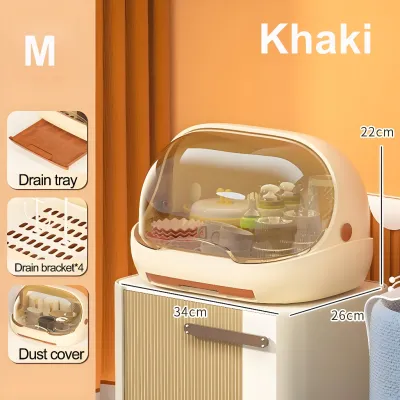
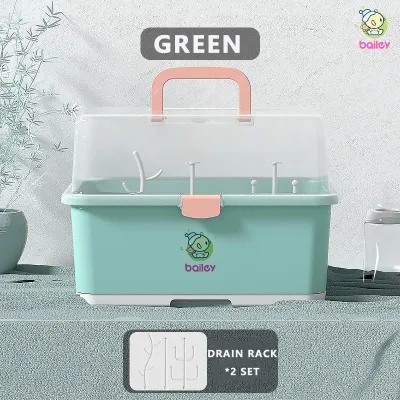
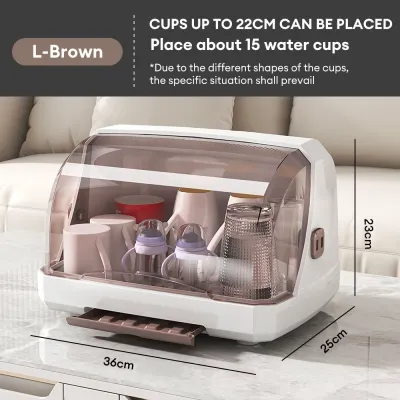
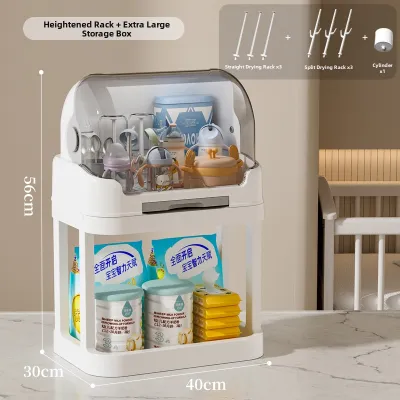
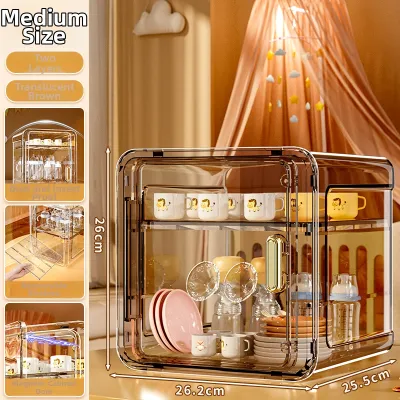
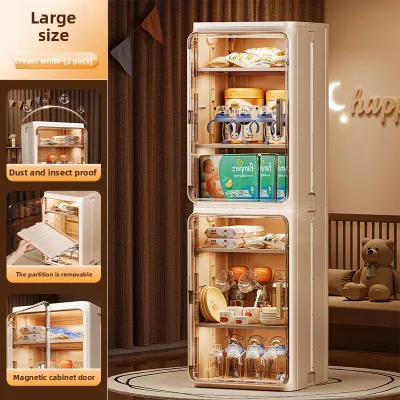
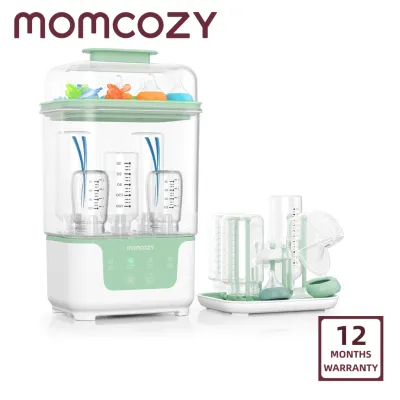
Prices are valid at publication and may change. Please refer to the product page for the latest price.
A good organizer should have dedicated, upright slots to prevent leakage. Wide-neck bottles, which are common among modern baby brands, require wider pockets than standard slim bottles. Look for bags with adjustable dividers or flexible mesh pockets that can adapt to different bottle shapes, breast pump shields, and small food containers.
Because these bags store items that go directly into your baby’s mouth, the interior lining must be completely non-toxic. Verify that the product label explicitly states it is BPA-free, lead-free, and phthalate-free. Water-resistant outer fabrics like heavy-duty nylon or polyester protect the contents from external dirt, while leak-proof inner linings prevent spilled milk from soaking through the entire bag.
Hands-free carrying is a lifesaver when managing a stroller, diaper bag, and baby. Look for organizers equipped with adjustable, padded shoulder straps or integrated stroller straps with secure buckles. Sturdy top handles allow for quick grabs during rapid transitions, such as boarding public transport or navigating crowded shopping malls.
Matching the Organizer to Your Outing Scenario
Quick Errands and Short Trips
For short trips lasting one to two hours, a bulky organizer is often unnecessary and cumbersome. A compact single or double bottle sleeve is the most efficient choice for these brief excursions. These smaller options fit easily inside a standard handbag or clip directly onto a stroller handlebar without adding significant weight.

These compact holders typically feature a simple, streamlined design with a single quick-access zipper. This allows you to retrieve a bottle with one hand while holding your baby with the other. While highly convenient, the primary trade-off is the lack of storage space for auxiliary items like formula dispensers, extra nipples, or burp cloths, meaning you must carry those separately.
Full-Day Outings and Travel
When planning full-day trips, family gatherings, or long travel days, your storage requirements expand significantly. A larger-capacity organizer capable of holding four to six bottles is necessary to sustain your baby throughout the day. These bags are designed with structured walls to keep multiple bottles upright and secure, minimizing the risk of messy spills during transit.
These high-capacity organizers feature dedicated compartments for ice packs, ensuring even distribution of cold air. They also include multiple exterior and interior pockets to house essential accessories such as pacifiers, silicone bibs, formula dispensers, and clean burp cloths. This centralized storage keeps all feeding-related items clean and separated from general diapering gear.
Temperature Control and Milk Safety on the Move
The insulating material of a bottle bag does not generate cold; it merely retains it. To keep milk safe, you must use high-quality gel ice packs that have been frozen solid for at least 12 hours prior to your trip. Place the ice packs directly adjacent to the bottles, ideally sandwiching them, to ensure maximum thermal transfer. Always refer to the ice pack manufacturer’s instructions to understand their specific cooling duration limits.
According to standard pediatric and public health guidelines, expressed breast milk can be safely stored in an insulated cooler bag with frozen ice packs for up to 24 hours. Prepared formula, however, has a much shorter safe window and should generally be consumed within two hours of preparation or kept cold for limited periods as recommended by the formula manufacturer. If you suspect the internal temperature of your organizer has risen to room temperature, discard the milk to prevent feeding-related illnesses.
When it is time to feed, you must warm the bottle safely. Avoid using microwaves, which create dangerous hot spots in the milk, and never leave bottles to warm in a hot vehicle. Instead, use a portable bottle warmer approved by your bottle manufacturer, or ask for a container of warm water at a local cafe to submerge the bottle for a few minutes. Always test the milk temperature on the inside of your wrist before feeding your baby.
Cleaning and Maintaining Your Bottle Bag
Spilled milk is a breeding ground for bacteria and sour odors, especially in warm, humid environments. After every outing, inspect the interior of your bottle bag for any drips or condensation. Wipe down the entire inner lining using a clean, damp microfiber cloth and a mild, baby-safe dish soap. Avoid using harsh chemical cleaners or bleach, which can degrade the protective waterproof lining.
Over time, your organizer will require a more thorough cleaning to remove deep-seated dirt and stubborn odors. Before washing, consult the manufacturer’s care label located inside the bag. Some fabric bags are machine washable on a gentle cycle, while others with structured internal frames or specialized insulation layers must be strictly hand-washed to maintain their shape and thermal integrity.
In humid climates like the Philippines, trapped moisture is the primary cause of mold and mildew development. After cleaning, leave all zippers, pockets, and flaps completely open. Hang the bag in a well-ventilated, shaded area to air dry completely before storing it in a closet. Never store a damp bottle bag, as mold spores can ruin the fabric and compromise the hygiene of your baby’s feeding equipment.
Frequently Asked Questions (FAQ)
How long does expressed breast milk stay safe in an insulated bag?
Under standard health guidelines, expressed breast milk remains safe for up to 24 hours when stored in a high-quality insulated cooler bag packed tightly with frozen ice packs. However, this duration is highly dependent on the ambient temperature and how often the bag is opened. For absolute safety, verify the specific cooling limits of your ice packs and check the physical coldness of the bottles before feeding.
Can I use a regular insulated lunch bag instead of a specific baby bottle organizer?
While a standard insulated lunch bag can offer basic temperature control in an emergency, it lacks the specialized features of a dedicated baby bottle organizer. Dedicated organizers feature vertical, bottle-shaped compartments that prevent tipping and leaks, stroller attachment straps for hands-free convenience, and easy-to-sanitize linings designed to resist sour milk odors. Investing in a specialized organizer ensures better hygiene and organization for infant feeding.
Community discussion
Share your experience or ask a question. Comments are reviewed before publication.