
Feeding your baby while navigating the busy streets, modern malls, or scenic travel destinations in the Philippines requires careful planning and the right gear. When you are away from the comfort of your home kitchen, keeping breast milk or infant formula safe, fresh, and securely contained becomes a primary concern. The tropical heat and high humidity of the local climate accelerate bacterial growth in milk, making a reliable airtight milk container an essential tool for any parent on the move.
Selecting the ideal container involves finding a balance between robust leak-proof engineering, material safety, and daily practicality. Whether you are commuting via public transit, embarking on a family road trip, or simply running errands in an air-conditioned mall, a high-quality container ensures that your baby’s nutrition remains uncontaminated and spill-free. By understanding the specific materials, sealing technologies, and safe handling practices suitable for tropical conditions, you can travel with absolute confidence.
Why Airtight and Leak-Proof Design Matters for Travel
Traveling with liquid gold or pre-measured formula in the Philippines presents unique environmental and logistical challenges. Diaper bags are routinely jostled during transit, whether you are riding in a vehicle, walking through crowded spaces, or passing through security checkpoints. A container with a subpar seal can easily succumb to pressure changes or physical movement, resulting in messy spills that ruin diaper bag essentials, clothes, and expensive electronics. Beyond the frustration of clean-up, a leaking container means wasted breast milk that took hours to pump, or formula that cannot be easily replaced while transit is ongoing.
Products mentioned in this guide
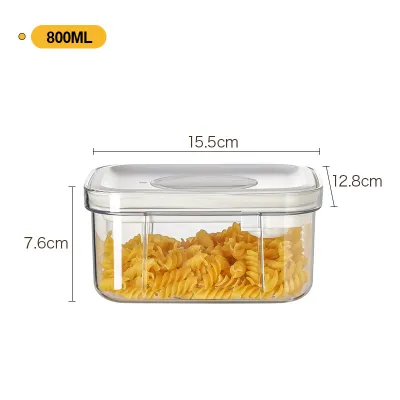
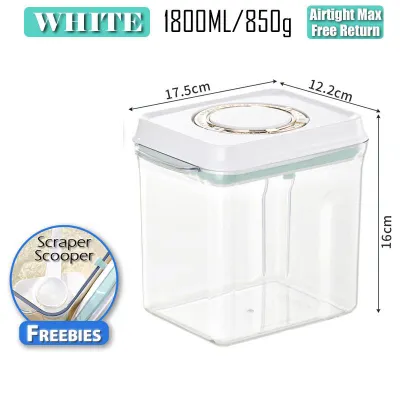
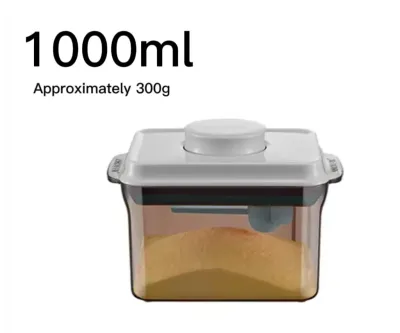
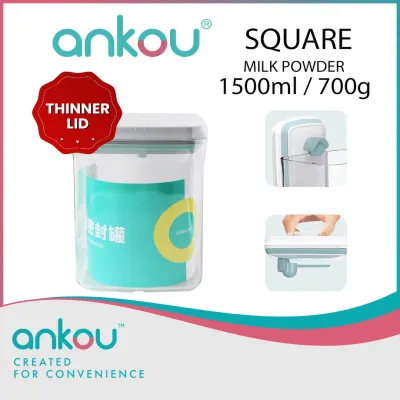
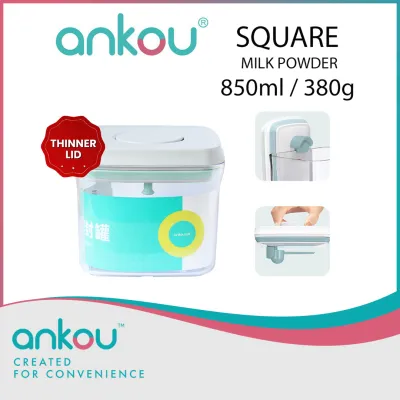
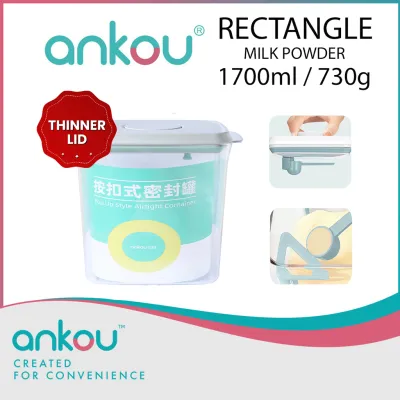
Prices are valid at publication and may change. Please refer to the product page for the latest price.
In a tropical climate where outdoor temperatures regularly exceed 30°C, a true airtight seal serves as your first line of defense against spoilage. High humidity and warmth create an environment where airborne bacteria and mold spores thrive. If a container is not hermetically sealed, microscopic contaminants can easily find their way inside, compromising the safety of the milk before you even open the lid. Furthermore, airtight seals prevent the milk from absorbing strong odors from other items in your diaper bag or the interior materials of your insulated cooler bag.
While an insulated cooler bag packed with frozen gel packs is mandatory for maintaining a safe temperature on hot days, it cannot compensate for a weak container seal. If liquid escapes the container, it pools at the bottom of the cooler bag, creating a breeding ground for bacteria and mold that is difficult to sanitize. Investing in a container with a reliable, airtight barrier ensures that the milk remains completely isolated from external elements, preserving its nutritional quality and safety until feeding time.
Key Features to Evaluate in Portable Airtight Milk Containers
Before purchasing any portable milk storage system, parents must carefully evaluate several critical features. Not all food storage options are engineered to handle the rigorous demands of infant feeding or frequent sterilization. Use this targeted checklist to assess the safety, usability, and long-term durability of your next container.

Material Safety and Heat Resistance
Always verify that the container is explicitly labeled as BPA-free, BPS-free, and constructed from food-grade materials. Because baby feeding gear requires frequent sterilization to eliminate harmful pathogens, the material must be capable of withstanding high temperatures without degrading, warping, or leaching chemicals. Parents should look for materials certified for steam, boiling water, or ultraviolet (UV) sterilization. Always check the manufacturer’s documentation to confirm the maximum temperature limit of the specific model you choose.
Sealing Mechanism Reliability
An airtight milk container relies entirely on the quality of its sealing mechanism. Look for containers that feature high-grade silicone gaskets or rings that compress tightly when the lid is secured. Common sealing designs include:
- Silicone Gasket Seals: These provide a highly secure compression barrier but must be completely removable to allow for thorough cleaning and drying to prevent mold growth in humid climates.
- Screw-Top Lids: These offer a classic, highly secure closure when threaded correctly, reducing the risk of accidental opening inside a packed bag.
- Snap-Lock Lids: These utilize side latches to lock the lid in place, providing a visual and tactile confirmation that the container is sealed.
Portability, Weight, and Space Efficiency
When packing a diaper bag for a full day of outings, every gram counts. Lightweight containers help minimize shoulder strain, especially if you are also carrying your baby in a wrap or structured carrier. Consider modular or stackable designs that fit neatly into the corners of your bag without wasting space. Some modern systems allow you to attach a nipple collar directly to the storage container, eliminating the need to pack separate feeding bottles and reducing the overall volume of gear you must carry.
Ease of Thorough Cleaning
Milk fat naturally clings to plastic and glass surfaces, leaving behind a residue that can harbor bacteria if not cleaned promptly. Look for containers with wide-mouth openings that allow your hand or a bottle brush to reach every corner easily. Avoid designs with intricate, non-removable parts, deep crevices, or narrow necks, as these are incredibly difficult to sanitize when you are away from home or staying in temporary travel accommodations.
Clear and Durable Measurement Markings
Accurate volume measurements are vital for tracking your baby’s daily intake and ensuring that infant formula is mixed to the precise ratio recommended by your pediatrician. Look for containers with highly visible, fade-resistant measurement markings. Molded-in or embossed markings are generally superior to painted ones, as they will not rub off or fade after repeated cycles of washing and high-heat sterilization.
Recommended Types of Airtight Milk Containers for Outings
The most practical container for your family depends heavily on your baby’s developmental stage, feeding volume, and your preferred sterilization routine. Always verify the manufacturer’s age recommendations, weight limits, and specific usage warnings on the product packaging before introducing a new container to your routine. Below are the three primary material types available in the local market, along with their distinct advantages and trade-offs.
BPA-Free Plastic and PPSU Containers
Polyphenylsulfone (PPSU) is a medical-grade plastic that has gained immense popularity among parents in the Philippines due to its exceptional durability and high heat resistance. Unlike standard plastics, PPSU can withstand temperatures up to 180°C, making it highly compatible with steam, boiling water, and UV sterilizers.
- Pros: PPSU is incredibly lightweight, shatterproof, and does not absorb stains or odors as easily as standard polypropylene (PP) plastics. Many premium PPSU storage systems, such as those from Hegen, feature innovative press-to-close, twist-to-open (PCTO) airtight lids that can be swapped directly for feeding teats, minimizing milk transfer.
- Cons: PPSU containers carry a premium price point compared to standard plastic options. Over time, any plastic container can develop micro-scratches from abrasive cleaning brushes, which can harbor bacteria and require the container to be replaced.
- Best For: Day-long family outings, active commutes, and parents prioritizing minimal bag weight without sacrificing high-temperature sterilization options.
Glass Containers with Protective Silicone Sleeves
For parents who prioritize material purity and want to avoid plastics entirely, borosilicate glass remains the gold standard. Borosilicate glass is highly resistant to thermal shock, meaning it can transition from cold storage to warm water baths without cracking.
- Pros: Glass is completely non-porous, meaning it will never absorb odors, discolor from use, or leach chemicals over time. It is exceptionally easy to clean, highly hygienic, and can be sterilized repeatedly at extreme temperatures without any material degradation.
- Cons: Glass is significantly heavier than plastic or silicone, adding noticeable weight to your travel bag. Despite the protection offered by fitted silicone sleeves, glass remains susceptible to breaking if dropped on hard surfaces like mall tile floors or concrete pavements.
- Best For: Short trips, newborn feeding where maximum hygiene is prioritized, and parents who prefer a long-lasting, non-plastic storage medium.
Silicone Storage Pods and Collapsible Cups
Food-grade silicone has emerged as a flexible, modern alternative for storing milk and baby food. These containers are soft, pliable, and highly resilient to both freezing temperatures and high-heat sterilization.
- Pros: Silicone containers, such as reusable silicone milk bags or pods from brands like Haakaa, are completely unbreakable and highly space-efficient. Many designs can be collapsed down when empty, saving valuable space in your diaper bag on the return journey. They are also highly versatile and can easily transition into snack pouches for older toddlers later on.
- Cons: Pliable silicone requires a steady hand when pouring liquid to prevent accidental spills. Additionally, silicone can absorb strong food odors if stored adjacent to pungent items, requiring specialized cleaning with baking soda or boiling water to refresh.
- Best For: Eco-conscious parents, extended travel where bag space is limited, and older babies transitioning to complementary solid foods.
Safe Storage and Handling Practices for Milk on the Go
Using an airtight milk container is only the first step in ensuring your baby’s health; you must also practice strict storage and hygiene protocols when away from home. Because tropical temperatures accelerate bacterial multiplication, adhering to safe handling guidelines is critical to preventing foodborne illness.
Temperature Control in Warm Climates
Expressed breast milk and prepared infant formula are highly perishable. In the Philippines, where ambient indoor and outdoor temperatures often exceed standard room temperature guidelines (25°C), you should never leave milk sitting out unprotected.
- Breast Milk: Freshly expressed breast milk should be placed in an airtight container and stored inside an insulated cooler bag with frozen gel packs immediately. Under these chilled conditions, breast milk can safely travel for up to 24 hours. Always consult your pediatrician or a certified lactation consultant for precise storage timelines tailored to your baby's health status.
- Prepared Formula: Once formula is mixed with water, it must be consumed within two hours at room temperature, or within one hour from the start of a feed. Any remaining formula after this window must be discarded immediately, as bacteria from the baby's saliva can multiply rapidly in the bottle.
The Strategy of Pre-Measuring Formula
To maximize safety and convenience when traveling, avoid pre-mixing formula with water beforehand. Instead, carry dry, pre-measured formula powder in a dedicated, dry airtight container or dispenser. Carry safe, warm drinking water in a separate, high-quality vacuum-insulated flask. When your baby is ready to feed, simply pour the pre-measured water into the feeding bottle, add the dry powder from your airtight container, and shake. This method guarantees a fresh, safe feed every time and eliminates the risk of premature spoilage during transit.
Practical Cleaning and Sanitizing on the Go
When you are away from your home sterilization setup, maintaining hygiene requires a systematic approach. Always wash your hands thoroughly with soap and clean water before handling any feeding equipment. If you must clean a container while traveling, follow these steps:
- Rinse Immediately: Rinse the container with clean, potable water immediately after feeding to prevent milk fats and proteins from drying and sticking to the surfaces.
- Wash with Baby-Safe Soap: Use a small travel bottle of dedicated baby dishwashing liquid and a clean, compact bottle brush to scrub all interior surfaces, paying close attention to the threads and silicone gaskets.
- Sanitize with Safe Water: Rinse thoroughly with safe, drinking-grade water. If hot water is available at your destination (such as a nursing room in a mall), perform a hot water rinse. Allow the components to air-dry completely on a clean paper towel before reassembling.
When to Discard Milk or Formula
Never risk your baby’s health if you suspect the milk has compromised safety. Always perform a sensory check before feeding. Inspect the milk for a sour or off-putting odor, visible curdling, or unusual separation that does not blend back together when the container is gently swirled. If your cooler bag’s ice packs have melted completely and the container feels warm to the touch, or if you lose track of how long a prepared bottle has been sitting out, discard the contents immediately. When in doubt, consult a qualified healthcare professional or pediatrician for guidance on infant feeding safety.
Frequently Asked Questions (FAQ)
Can I use regular food storage containers for baby milk?
While some standard household food containers feature airtight seals, they are generally not recommended for baby milk storage. Standard containers often lack the precise, fade-resistant volume markings required for accurate formula preparation and milk tracking. Furthermore, they may not be rated to withstand the frequent, high-temperature sterilization processes (such as boiling or steam) required to keep infant feeding gear safe. Baby-specific airtight containers are engineered from tested, food-grade materials that remain stable under extreme heat and are designed to fit seamlessly with standard feeding accessories.
How do I test if a milk container is truly leak-proof before traveling?
To avoid a messy surprise inside your diaper bag, perform a simple, low-risk water test at home before your trip. Fill the container with clean water, secure the airtight lid or cap firmly, and dry the entire exterior of the container completely with a towel. Place the container upside down or on its side on a dry sheet of paper towel. Leave it for 10 to 15 minutes, then gently shake or squeeze the container. If the paper towel remains completely dry and no moisture is visible around the seams, gaskets, or threads, your container’s seal is functioning correctly and is ready for travel.
Are airtight milk containers safe to freeze breast milk in?
Many airtight milk containers are safe for freezer storage, but you must always verify the manufacturer’s specific guidelines on the product packaging. Rigid plastic (like PPSU or PP) and specialized silicone containers are generally excellent for freezing. However, because liquid expands as it freezes, you must always leave at least one inch of headspace (expansion room) at the top of the container. Never fill a container to the brim before freezing, as the expanding milk can put extreme pressure on the lid, causing the seal to fail or the container to crack. If using glass, ensure it is specifically rated as freezer-safe borosilicate glass to prevent thermal shattering.
Community discussion
Share your experience or ask a question. Comments are reviewed before publication.