
Quick Answer: The Best Aimerie Style for First-Time Users
The pocket-style aimerie cloth diaper is generally the most recommended option for beginners. This specific style strikes an ideal balance between ease of use, customizable absorbency, and overall cost-effectiveness. Because the absorbent inserts are stuffed inside a dedicated pocket, the diaper goes onto your baby in a single, simple step, mimicking the convenience of a disposable diaper during changes.
While pocket diapers are the most popular starting point for new parents, your ultimate choice should depend on your daily laundry routine, your budget constraints, and your baby’s skin sensitivity. For instance, families without a clothes dryer in highly humid areas may prioritize styles that dry rapidly, while those sending their child to daycare might prioritize maximum convenience. Understanding how each style functions under daily wear and tear will help you build a diaper stash that fits your lifestyle perfectly.
How to Choose Your First Aimerie Cloth Diaper
Ease of Use
When you are dealing with a squirming, active baby, the speed and simplicity of a diaper change become paramount. You must consider who will be changing the diapers; if grandparents, babysitters, or other family members are assisting, a system with a steep learning curve can lead to frustration or improper fitting. A diaper that requires complex folding or precise manual adjustments may result in accidental leaks if the caregiver is rushed or inexperienced. Choosing a style that closely mirrors the intuitive application of a disposable diaper can significantly ease the transition for everyone involved.
Products mentioned in this guide
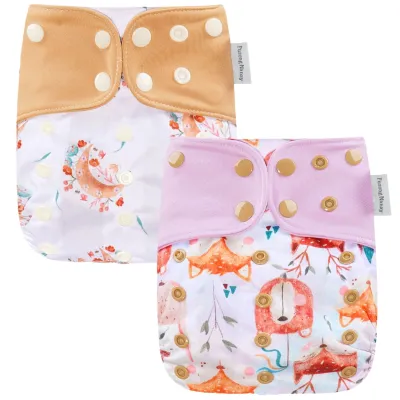
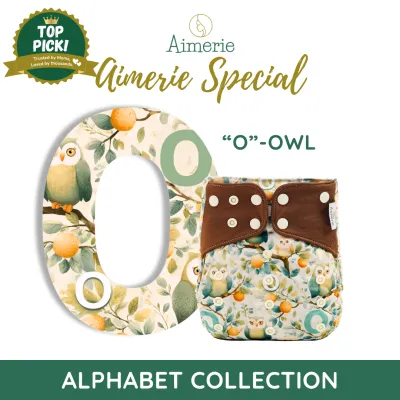
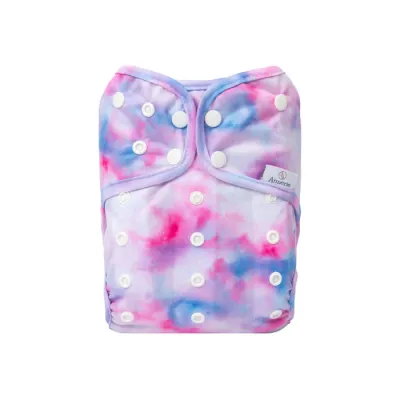
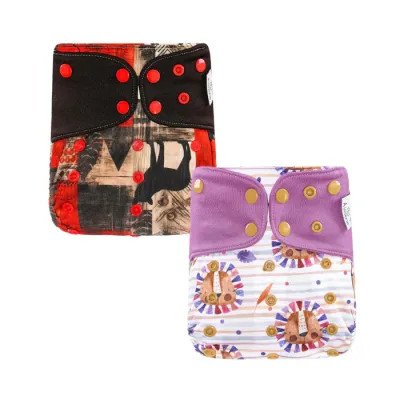
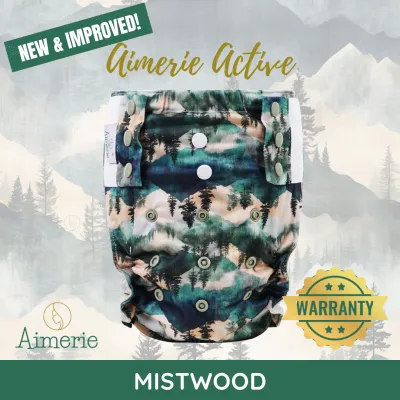
Prices are valid at publication and may change. Please refer to the product page for the latest price.

Washing and Drying in Tropical Climates
The tropical, highly humid climate of the Philippines introduces unique challenges for cloth diaper maintenance. Thicker, multi-layered fabrics naturally retain moisture longer, which can prolong drying times significantly, especially during the rainy season. If a diaper remains damp for too long on the drying rack, it becomes a breeding ground for musty odors, mold, and bacteria. You must evaluate your home’s drying setup—whether you rely on outdoor clotheslines, indoor drying racks, or electric fans—before choosing heavy, integrated diaper styles that demand extensive drying times.
Budget and Longevity
Transitioning to cloth diapers requires an upfront financial investment, but it offers substantial long-term savings compared to purchasing single-use disposables over several years. When evaluating different styles, compare the cost per diaper unit against how many changes you can get out of it daily. Some systems allow you to reuse the outer waterproof shell multiple times before washing, which reduces the total number of diapers you need to purchase. Additionally, look for durable snap configurations that allow the diaper to adjust as your baby grows, ensuring the product remains useful from infancy through toddlerhood.
Baby's Comfort and Skin Health
Your baby’s skin is thin, delicate, and highly susceptible to irritation from prolonged exposure to wetness and friction. High-quality cloth diapers utilize materials designed to either wick moisture away rapidly or provide a breathable barrier against the skin. However, every baby’s skin reacts differently to various fabrics and wetness levels. If your baby develops persistent rashes, severe redness, or signs of skin infection, you must stop using cloth diapers temporarily and consult a pediatrician immediately to address the underlying issue and prevent complications.
Comparing Aimerie Cloth Diaper Styles for Beginners
Aimerie offers distinct diaper configurations designed to accommodate different parenting priorities, household budgets, and laundry setups. To make an informed choice, it is highly recommended to verify current product availability, specific fabric compositions, and sizing charts directly on the brand’s official store or authorized online marketplaces.
| Style Name | Ease of Use | Drying Time | Upfront Cost | Best For |
|---|---|---|---|---|
| Pocket Diaper | High (after assembly) | Moderate | ₱₱ | Beginners wanting customizable absorbency and a dry feel |
| All-in-One (AIO) | Very High | Long | ₱₱₱ | Caregivers seeking the absolute simplest, no-prep routine |
| Cover and Insert | Moderate | Fast | ₱ | Budget-conscious families and rainy-season laundry routines |
Pocket Diapers: The Versatile Starter Choice
The Mechanics of Pocket Diapers A pocket diaper consists of a waterproof outer shell, typically made of polyurethane laminate (PUL) or thermoplastic polyurethane (TPU), sewn together with a soft, moisture-wicking inner lining. This design creates an opening or “pocket” at the back or front of the diaper. To prepare the diaper for use, you must manually stuff absorbent inserts—such as microfiber, bamboo, or hemp—into this pocket. The inner lining acts as a barrier, allowing liquid to pass through to the insert while keeping a dry layer directly against your baby’s skin.
Why Beginners Prefer Pocket Diapers The primary advantage of the pocket style is its highly customizable absorbency. For younger babies or light wetters, a single insert is usually sufficient to keep them dry. As your baby grows and begins wetting more heavily, you can easily slide a second insert or a highly absorbent booster into the pocket without adding excessive bulk. Because the inserts are completely separated from the shell during the wash cycle, they wash thoroughly and dry much faster than diapers with permanently attached absorbent layers.
Potential Drawbacks to Consider The main disadvantage of pocket diapers is the preparation time required after every laundry cycle. You must spend time stuffing the inserts back into the pockets before they can be placed in your baby’s drawer. Additionally, during diaper changes, you must manually pull the wet or soiled inserts out of the pocket before placing the components into your diaper pail. Some caregivers find this step inconvenient or unappealing compared to simpler systems.
What to Verify Before Purchasing Before buying, check the specific outer shell materials and the exact types of inserts included in the starter packages. Different insert materials offer varying levels of speed and capacity; for example, microfiber absorbs quickly but can suffer from compression leaks, while bamboo absorbs more slowly but holds more liquid. Confirm the weight range specified by the manufacturer to ensure the diaper shell will fit your baby’s current developmental stage.
All-in-One (AIO) Diapers: Maximum Convenience
The Mechanics of All-in-One Diapers All-in-One diapers are designed to function exactly like disposable diapers. In this style, the absorbent fabric layers are sewn directly to the waterproof outer cover, creating a single, unified piece. There are no pockets to stuff, no inserts to snap in, and no folding required. You simply place the diaper under your baby, secure the waist snaps, and go.
The Convenience Factor For parents who feel intimidated by the multi-step preparation of other cloth diaper styles, the AIO is an incredibly welcoming option. It is the easiest style to explain to babysitters, grandparents, or daycare staff who may be hesitant to use cloth. Because the entire diaper is washed as a single unit, there is no risk of losing inserts in the laundry or struggling to match correct pieces together during folding.
The Tropical Climate Limitation Despite their convenience, AIO diapers pose a significant challenge in humid climates. Because the thick, absorbent layers are permanently attached to the waterproof shell, airflow is restricted during the drying process. This results in exceptionally long drying times, often taking more than a full day to air dry completely during the rainy season. Furthermore, AIOs generally have a higher upfront cost per unit, and you cannot easily customize the absorbency if your baby outgrows the built-in capacity.
Care and Verification Tips If you choose to purchase AIO diapers, closely review the manufacturer’s specific washing and drying guidelines. Because the waterproof laminate is permanently bonded to the absorbent layers, exposing the entire diaper to high heat in a dryer or leaving it in intense, direct midday sunlight for too long can degrade the waterproof backing prematurely. Always verify the care labels to protect your investment.
Cover and Insert Systems: The Budget-Friendly Route
The Mechanics of Cover Systems The cover and insert system, often referred to as a two-part diaper, separates the waterproof barrier from the absorbent material completely. The diaper cover is simply a wipeable, waterproof shell with no inner fabric lining. To use this system, you lay an absorbent insert, prefold, or flat diaper directly inside the cover, secure it on your baby, and ensure no fabric protrudes past the waterproof edges.
Why It Saves Your Budget This system is highly economical because the waterproof cover does not need to be washed after every single use. If your baby has only wet the diaper, you can simply remove the wet insert, wipe the inside of the cover clean with a damp cloth, lay in a fresh insert, and reuse the cover. Typically, you can reuse a single cover three to four times before it requires a full wash, provided it has not been soiled by solid waste. This means you need to purchase far fewer covers to maintain a full-time diapering routine.
Drying and Washing Advantages Because the inserts are completely separate, they can be hung flat on a clothesline, allowing maximum air exposure and exceptionally fast drying times. This makes the cover system highly practical for households without mechanical dryers. Additionally, because the covers themselves are thin and contain no absorbent material, they dry within a couple of hours after being washed.
The Learning Curve The primary trade-off is that this system requires more hands-on management during diaper changes. You must ensure the insert is positioned correctly so it does not shift when your baby moves, as any shifting can lead to leaks. You must also feel comfortable handling wet inserts directly during changes. Verify if the brand offers standalone covers and what types of compatible flat or prefold inserts are recommended for a secure fit.
Essential Care Tips for the Philippine Climate
Designing an Effective Wash Routine
To maintain the absorbency and waterproof integrity of your aimerie cloth diaper stash, you must establish a consistent, thorough washing routine.
- Step 1: The Pre-Rinse
Always start with a short, cold rinse cycle without detergent to flush out urine and loose organic matter. This prevents stains and stops minerals from baking into the fabric fibers.
- Step 2: The Main Wash
Follow with a long, heavy-duty wash cycle using warm or room-temperature water and a cloth-diaper-safe detergent. Ensure the detergent does not contain fabric softeners, optical brighteners, or synthetic fragrances, which can leave a residue on the fibers.
- Step 3: The Extra Rinse
Finish with an additional rinse cycle to ensure all soap residues are completely cleared from the deep layers of the inserts.
Detergent and Additive Warnings
Never use fabric softeners or dryer sheets on your cloth diapers. These products leave a waxy coating on the fabric fibers, which causes them to repel liquid rather than absorb it, leading to immediate leaks. Avoid harsh chlorine bleach for routine washing, as it can degrade the elastic bands and break down the waterproof laminate over time. If you must sanitize your diapers due to a persistent yeast infection or heavy mineral buildup, consult the manufacturer’s guidelines for approved sanitizing agents to avoid voiding your warranty.
Localized Drying Strategies
In high-humidity environments, maximizing airflow is critical to preventing mold, mildew, and ammonia buildup in your diaper fabrics.
- Maximize Natural Airflow: Hang your inserts and covers on an outdoor clothesline (sampayan) where they can benefit from natural wind.
- Supervise Sun Exposure: Direct sunlight is an excellent natural stain remover and sanitizer. However, limit the exposure of waterproof shells and covers to intense, direct midday sun, as extreme heat can warp the laminate and damage the elastics.
- Indoor Solutions: On rainy days, hang your diapers indoors directly in front of an electric fan or near a dehumidifier to keep air moving and accelerate drying times.
Skin Health and Barrier Creams
To protect your baby’s skin from diaper dermatitis, change their diaper every two to three hours during the day, or immediately after they pass solid waste. Standard petroleum-based or zinc oxide diaper creams can create a stubborn, waterproof barrier on your cloth inserts, causing them to repel moisture and leak. If your baby requires a diaper cream, select a formula explicitly labeled as cloth-safe, or use a flushable or washable fleece liner to protect the diaper fabric from the cream. If a skin rash develops and does not improve within a few days, or if you notice signs of infection such as blisters or oozing, stop using cloth diapers immediately and seek professional medical advice from a pediatrician.
Frequently Asked Questions (FAQ)
How many Aimerie cloth diapers do I need for a newborn?
For full-time cloth diapering, a newborn stash of 24 to 36 diapers is generally recommended. Newborns urinate and defecate frequently, often requiring 10 to 12 changes per day. Having this quantity ensures you have enough clean diapers to use while a soiled batch is being washed and dried, which typically occurs every two days. If you plan to use cloth diapers part-time alongside disposables, a smaller starting stash of 10 to 12 diapers is usually sufficient to test the routine.
Can I use Aimerie cloth diapers at night?
Yes, you can use cloth diapers overnight, but standard daytime setups are often insufficient for a long stretch of sleep. To prevent overnight leaks, you will likely need to increase the diaper’s absorbency by adding a highly absorbent booster, such as a bamboo or hemp insert, underneath your primary insert. When boosting absorbency, ensure that the leg elastics still fit snugly against your baby’s thighs without creating gaps, as gaps will allow moisture to escape as the baby moves.
Are Aimerie cloth diapers suitable for daycare?
Pocket diapers and All-in-One styles are highly suitable for daycare environments because they are pre-assembled and go on just like a disposable diaper. Most daycare providers prefer these styles because they do not require extra steps or folding during busy change times. When sending cloth diapers to daycare, provide a water-resistant wet bag to store the soiled diapers safely, and clearly label your diaper shells and wet bags with your child’s name to prevent mix-ups.
Community discussion
Share your experience or ask a question. Comments are reviewed before publication.