
Newborn skin is a marvel of nature, but it is also incredibly delicate, thin, and highly susceptible to environmental stressors. For parents navigating the early weeks of parenthood, keeping their baby’s skin healthy and comfortable is a top priority. In tropical regions like the Philippines, where high heat and humidity are constant companions, skin issues like diaper rash, heat rash, and dry patches can develop rapidly. This often leads parents to search for reliable skincare solutions, with Bepanthen being one of the most recognizable names on the shelf. However, before applying any product to a newborn, it is vital to understand its safety profile, correct usage, and how to choose the right formulation.
Certain Bepanthen formulations are indeed suitable and safe for newborns, but safety is entirely dependent on using the correct product variant for its intended purpose. A newborn’s skin barrier is not fully matured at birth, meaning it absorbs topical substances much more readily than adult skin. Consequently, parents must exercise caution, read product labels meticulously, and follow strict application guidelines. This guide will help you identify baby-safe Bepanthen variants, perform safety checks, apply the product correctly in warm climates, and recognize when to seek professional medical advice.
Understanding Bepanthen Product Variants for Babies
Bepanthen is a well-known brand that offers a variety of skincare formulations, and it is a common mistake to assume that all of their tubes contain the exact same cream. Using the wrong variant on a newborn can lead to skin irritation or ineffective treatment. Parents must learn to distinguish between these products by carefully reading the front and back labels before making a purchase.
Products mentioned in this guide
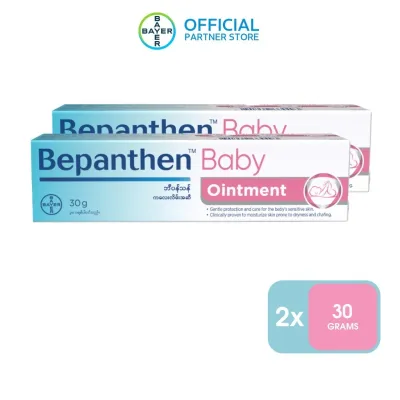

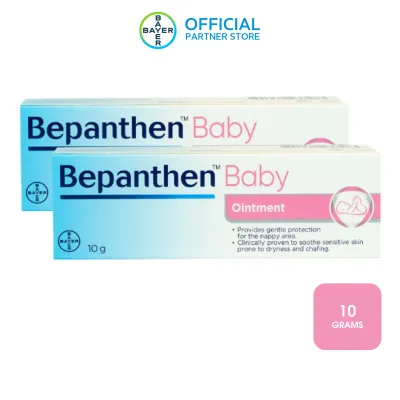
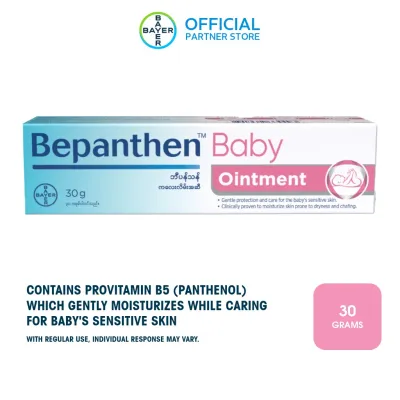
Prices are valid at publication and may change. Please refer to the product page for the latest price.
The most common variant designed specifically for infants is Bepanthen Nappy Care Ointment. This formulation is a thick, oil-rich ointment designed to create a breathable, protective barrier on the skin. It is formulated to shield the delicate diaper area from wetness and the irritating enzymes found in urine and stool. Because of its thick consistency, it stays on the skin longer, providing continuous protection during sleep or long stretches between diaper changes.
In contrast, standard Bepanthen Cream is typically a lighter, water-based formulation. It is designed to absorb quickly into the skin to soothe minor burns, sunburns, and dry skin patches. While it may be suitable for older children and adults, its lighter formulation does not provide the robust, moisture-blocking barrier required to prevent diaper rash in newborns. Using a light cream where a thick ointment is needed can leave the baby’s skin vulnerable to moisture-induced breakdown.
To ensure you are using a baby-safe product, always check the ingredient list on the packaging. Look for formulations that are free from added fragrances, artificial colorants, preservatives, and antiseptics, as these additives can easily irritate a newborn’s sensitive skin. The ideal baby variant should contain simple, nourishing ingredients like dexpanthenol (provitamin B5), which supports natural skin recovery, and lanolin, which helps seal in moisture without clogging pores.
Safety Precautions and Age-Related Guidelines
During the first month of a baby’s life, their skin is transitioning from the sterile environment of the womb to the outside world. Because the skin barrier is exceptionally fragile during this period, pediatricians generally recommend minimizing the use of any topical products on newborns under four weeks old. Unless specifically advised by a healthcare professional, it is best to consult your pediatrician before introducing any new skincare cream or ointment to a baby in their first month.

Before applying any Bepanthen product to a larger area of your baby’s body, performing a patch test is a highly recommended safety measure. This simple check helps ensure your baby does not have an underlying sensitivity or allergic reaction to any of the ingredients. To perform a patch test, follow these steps:
- Select a small, clean, and discreet area of the baby's skin, such as the inside of the upper arm or behind the knee.
- Apply a tiny, pea-sized amount of the cream or ointment to this area.
- Leave the product on the skin and monitor the spot closely for 24 hours, keeping the area clean and dry.
- Observe the test site for any signs of redness, swelling, tiny bumps, or warmth. If any reaction occurs, wash the area immediately with lukewarm water and discontinue use of the product.
Always take the time to locate and interpret the manufacturer warnings printed on the product packaging. Look for specific age restrictions, storage guidelines, and contraindications. For instance, some formulations may warn against use on broken or severely infected skin. Additionally, because tropical climates can cause ointments to separate or degrade, pay close attention to the recommended storage temperatures to ensure the product remains safe and effective.
How to Apply Bepanthen Cream Safely
Proper application is just as important as choosing the right product, especially in warm and humid environments. If moisture is trapped beneath a thick layer of ointment, it can create a breeding ground for bacteria and yeast, leading to severe diaper dermatitis. Therefore, preparing the skin correctly is the first and most crucial step in the application process.
Begin by gently cleansing the baby’s diaper area or dry skin patches. Use lukewarm water and a soft cotton cloth, or a mild, fragrance-free baby wash if necessary. Avoid harsh rubbing, which can damage the delicate skin barrier. Once clean, gently pat the skin completely dry with a clean, soft towel. Allow the skin to air-dry for a few moments before applying any product to ensure no residual moisture is trapped.
When applying Bepanthen Nappy Care Ointment during diaper changes, the goal is to create a thin, translucent protective barrier. Squeeze a small, pea-sized amount onto your clean fingertips and gently spread it over the diaper area, paying close attention to the skin folds where moisture tends to accumulate. The layer should be thin enough that you can still see the baby’s skin underneath; a thick, white paste is unnecessary and can make subsequent cleanings more difficult.
For general dry skin patches on other parts of the body, use the appropriate moisturizing cream variant. Apply a very small amount and gently massage it into the dry areas using light, circular motions until it is fully absorbed. Always adhere strictly to the frequency of application recommended on the product’s printed instructions, and avoid over-applying the product, which can overwhelm the baby’s delicate skin.
Recognizing Side Effects and When to Stop Use
While baby-specific Bepanthen formulations are designed to be gentle, every baby’s skin is unique, and adverse reactions can still occur. Parents must remain vigilant and monitor their newborn’s skin closely after application. Recognizing the early signs of an adverse reaction allows you to take immediate action to protect your baby’s comfort.
Observable signs of skin irritation or an allergic reaction include sudden redness that spreads beyond the application area, swelling, the appearance of tiny red bumps or hives, or skin that looks increasingly dry and flaky after use. You may also notice your baby showing signs of discomfort, such as crying or fussing when the area is touched, which indicates that the skin may be stinging or burning.
If you suspect your baby is having a negative reaction to the product, take these immediate, low-risk steps:
- Stop using the product immediately.
- Gently wash the affected area with lukewarm water and a soft cloth to remove any remaining cream or ointment.
- Pat the skin dry gently and leave it exposed to the air to cool down.
- Do not apply any other over-the-counter creams, home remedies, or oils to the irritated area, as this can complicate the reaction.
Knowing when to seek professional medical help is vital for your baby’s health. You should consult a pediatrician or a pediatric dermatologist immediately if the redness does not fade after discontinuing the product, or if you observe severe symptoms such as blistering, oozing pus, open sores, or if your baby develops a fever. Additionally, if a diaper rash does not show signs of improvement after three days of proper application, it may indicate a fungal infection or another underlying issue that requires a prescription treatment rather than an over-the-counter barrier cream.
Frequently Asked Questions (FAQ)
Can I use Bepanthen cream on my newborn's face?
You must check the specific product packaging to verify if facial application is permitted by the manufacturer. If the label indicates it is safe for facial use, apply only a very tiny amount, taking extreme care to completely avoid the sensitive areas around the eyes, nose, and mouth to prevent accidental ingestion or irritation. If your newborn has a facial rash, baby acne, or cradle cap, do not attempt to treat it with diaper barrier creams; instead, consult your pediatrician for a proper diagnosis and a safe, targeted treatment plan.
Is Bepanthen safe for premature babies?
Premature babies have exceptionally fragile, thin, and highly permeable skin because their skin barrier did not have full time to develop in the womb. Standard skincare guidelines and over-the-counter product recommendations for full-term newborns do not apply to premature infants. You must strictly follow the specific neonatal intensive care unit (NICU) protocols or the direct guidance of your neonatologist, and never apply Bepanthen or any other topical product without explicit medical authorization.

Community discussion
Share your experience or ask a question. Comments are reviewed before publication.