
Protecting your baby from mosquito bites is a top priority for parents, especially in tropical climates where mosquito-borne illnesses are a constant concern. However, before applying any Bellakang mosquito product to your newborn or infant, you must understand that safety depends entirely on the specific product formulation, the application method, and your baby’s precise age. There is no single rule that applies to all products under a brand name, as patches, sprays, and lotions use different active ingredients and delivery systems.
Delicate infant skin is highly sensitive and absorbs topical substances much more easily than adult skin. Because a baby’s metabolic and immune systems are still developing, ingredients that are perfectly safe for older children can cause irritation or adverse reactions in infants. Therefore, evaluating the safety of any mosquito protection product requires a methodical approach that prioritizes physical barriers first and chemical or botanical formulations second.
This guide provides a practical framework to help you evaluate Bellakang mosquito products, understand standard pediatric age limits, and implement safe application practices. By learning how to read product labels and combine topical protection with physical defenses, you can keep your baby safe from pests without compromising their health.
Products mentioned in this guide
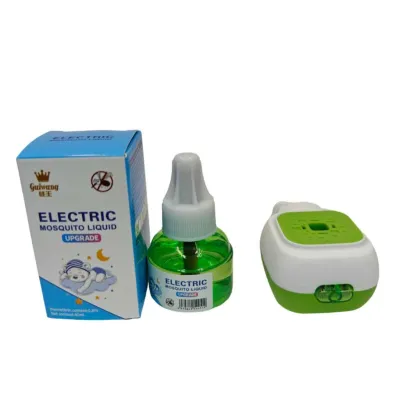
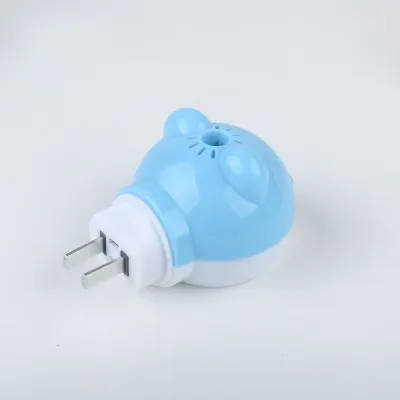
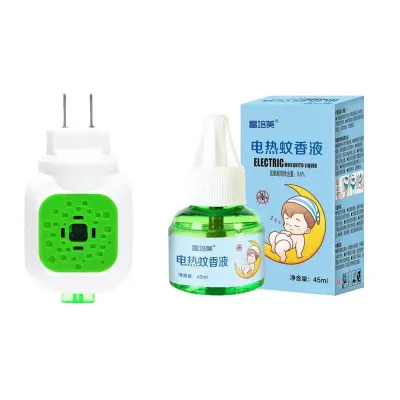
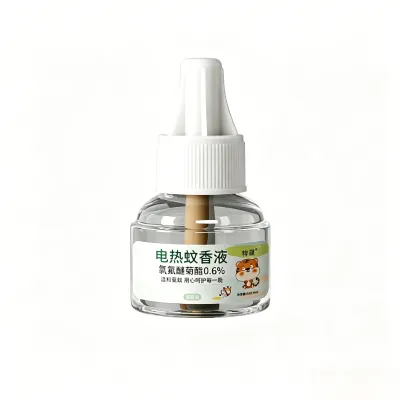
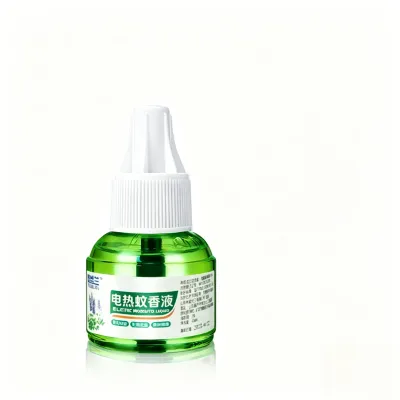
Prices are valid at publication and may change. Please refer to the product page for the latest price.
How to Verify the Safety of Bellakang Mosquito Products
Before purchasing or using any Bellakang mosquito product, your first step should always be a thorough inspection of the product packaging. Manufacturers are required to print critical safety information, including age restrictions and usage warnings, directly on the label. Never assume a product is safe for a newborn simply because it is marketed for babies or features gentle branding.
Start by looking for an explicit minimum age recommendation on the packaging. Many baby-friendly mosquito products are formulated specifically for infants over six months of age, while others may be restricted to toddlers or older children. If the packaging does not clearly state a minimum age, or if the labeling is vague, it is safest to err on the side of caution and avoid using it on an infant.
Next, verify the listed active ingredients and cross-reference them with established pediatric safety guidelines. Look for clear disclosures of what makes up the repellent formula, whether it relies on synthetic chemicals or natural essential oils. If the ingredient list is missing, incomplete, or written in a language you cannot easily translate, do not apply the product to your baby’s skin.
You should also look for recognized safety certifications or evidence of dermatological testing on the label. While these claims do not guarantee absolute safety, they indicate that the formulation has undergone basic evaluation for skin compatibility. Finally, read the warning section carefully to identify any specific instructions regarding use on sensitive areas, broken skin, or near the eyes and mouth.
Age-Specific Guidelines for Infant Mosquito Protection
Pediatric guidelines establish clear boundaries for mosquito protection based on a baby’s developmental stage. For newborns under two months of age, standard medical advice globally, including in the Philippines, strictly prohibits the use of any topical mosquito repellents. A newborn’s skin barrier is exceptionally thin, making them highly susceptible to absorbing chemicals and essential oils directly into their bloodstream. At this stage, your defense strategy must rely entirely on physical barriers, such as mosquito nets and protective clothing, to keep pests at bay.

As babies transition into the infant stage between two and six months of age, physical protection remains the primary and safest line of defense. While some mild, non-toxic formulations may claim to be suitable for this age group, you should exercise extreme caution. The infant’s skin is still developing its protective barrier, and their habit of putting their hands and feet into their mouths increases the risk of accidental ingestion. Always consult your pediatrician before introducing any topical repellent during this transitional window.
Once your baby reaches six months of age and older, their skin barrier is more resilient, and their body is better equipped to handle mild topical applications. At this stage, you can begin cautiously introducing approved baby-safe repellents, provided you follow the manufacturer’s instructions precisely. Even for older babies, topical repellents should be used sparingly and only when physical barriers are insufficient to manage the mosquito risk in your environment.
Key Ingredients to Check on Baby Mosquito Repellents
When evaluating Bellakang or any other baby mosquito products, the active ingredient list is your most valuable tool. Many products marketed for infants utilize plant-based essential oils, such as citronella, lemongrass, peppermint, or rosemary. While these natural ingredients are often perceived as safer, they can still cause contact dermatitis, skin redness, or respiratory irritation in sensitive babies. It is important to note that oil of lemon eucalyptus (OLE) or PMD, though natural, is explicitly not recommended by pediatric authorities for children under three years of age due to its potential to cause severe skin irritation.
If the product contains synthetic repellents, you must verify the specific chemical used and its concentration. DEET and Picaridin are two of the most common and thoroughly researched synthetic active ingredients. For infants over six months, pediatric guidelines generally recommend using DEET concentrations of no more than 10% to 30%, as higher concentrations do not offer better protection but do increase the risk of skin absorption. Picaridin is often favored by modern parents because it is highly effective while being less greasy and less likely to irritate sensitive skin.
Beyond the active repellents, pay close attention to the inactive ingredients, such as added fragrances, alcohol, and preservatives. Many commercial products contain synthetic perfumes to mask the strong scent of the repellent, but these fragrances are a leading cause of allergic skin reactions in infants. Opt for fragrance-free or hypoallergenic formulations whenever possible, and avoid products with high alcohol content, which can severely dry out and irritate delicate baby skin.
Safe Application and Precautions for Babies
How you apply a mosquito product is just as important as the ingredients it contains. To minimize the risk of skin irritation and accidental ingestion, never spray a repellent directly onto your baby’s face or body. Instead, dispense a small amount of the product onto your own hands first, rub your palms together, and then gently pat or rub the repellent onto the baby’s exposed skin or the outside of their clothing. This controlled application method prevents the product from misting into the air, where the baby could inhale it or get it in their eyes.
There are several areas on a baby’s body where mosquito repellent must never be applied. Avoid the baby’s hands and fingers entirely, as infants frequently rub their eyes and put their hands in their mouths, which can lead to painful eye irritation or toxic ingestion. Do not apply repellent near the eyes, nose, or mouth, and strictly avoid any areas of skin that are irritated, sunburned, scraped, or affected by diaper rash or eczema, as compromised skin absorbs chemicals much faster.
Establish a strict post-use cleaning routine to protect your baby’s skin over the long term. Once you and your baby return indoors to a mosquito-free environment, wash the treated skin thoroughly with mild baby soap and warm water to remove all product residue. If the repellent was applied over their clothing, wash those garments separately before the baby wears them again to prevent any lingering chemicals from transferring back onto their skin.
Always monitor your baby closely after applying any new product. If you observe signs of an allergic reaction, such as redness, swelling, hives, or if the baby begins coughing or wheezing, take immediate action. Wash the product off their skin with plenty of clean water and mild soap, and consult a pediatrician or seek medical attention right away, bringing the product packaging with you so the doctor can review the ingredient list.
Physical Alternatives to Chemical Mosquito Repellents
In many situations, especially for newborns or during high-humidity seasons in the Philippines, physical alternatives are the safest and most reliable way to protect your baby from mosquitoes. A high-quality, fine-mesh crib mosquito net is an essential investment for any nursery. When installing a net, ensure it is securely anchored and suspended well out of your baby’s reach to eliminate any risk of the baby pulling the netting down, which could present an entanglement or suffocation hazard. Regularly inspect the netting for any small tears or gaps where mosquitoes could slip through.
Your choice of baby clothing also plays a critical role in physical defense. Dress your baby in lightweight, loose-fitting, long-sleeved shirts and long pants that cover as much skin as possible. In hot, tropical climates, opt for highly breathable fabrics like organic cotton or bamboo, which provide excellent coverage without causing the baby to overheat. Light-colored clothing is highly recommended, as mosquitoes are naturally attracted to dark colors, and lighter fabrics make it easier to spot any insects that land on your baby.
Finally, optimize your home environment to reduce mosquito activity indoors. Ensure all windows and doors are fitted with tight-fitting, intact screens to prevent pests from entering your living spaces. You can also utilize indoor air circulation to your advantage; running a ceiling fan or a standing fan on a medium setting creates a constant breeze that disrupts a mosquito’s weak flight patterns, making it significantly harder for them to fly near or land on your sleeping baby.
Frequently Asked Questions (FAQ)
Can I use Bellakang mosquito patches on a newborn's skin?
No, you should never apply adhesive mosquito patches directly to a newborn’s skin. A newborn’s skin is extremely delicate, and the adhesives used on these patches can cause painful irritation, tearing, or allergic contact dermatitis when removed. Additionally, patches often contain highly concentrated essential oils that can be overwhelming for a newborn’s sensitive respiratory system if placed too close to their face. If you choose to use mosquito patches, they should only be attached to the outside of the baby’s clothing, stroller, or crib frame, and always well out of the baby’s reach to prevent them from peeling the patch off and putting it in their mouth. Always verify the manufacturer’s minimum age recommendation on the packaging before use.
What should I do if my baby has an allergic reaction to a mosquito repellent?
If you suspect your baby is having an allergic reaction to a mosquito repellent, act quickly by taking them to a sink or bath and gently washing the affected skin with mild baby soap and cool water to remove all remaining product. Avoid scrubbing the skin, as this can worsen the irritation. Once the skin is clean and dry, monitor the area closely for spreading redness, hives, swelling, or signs of respiratory distress such as coughing or wheezing. Do not apply any over-the-counter anti-itch creams or antihistamines without consulting a healthcare professional first. If the skin irritation does not improve, or if your baby shows any signs of systemic distress, contact your pediatrician or visit the nearest medical clinic immediately, making sure to bring the product packaging with you.
Community discussion
Share your experience or ask a question. Comments are reviewed before publication.