
Protecting your baby from mosquito bites is a top priority, especially during humid seasons when mosquito-borne illnesses like dengue become a major concern. If you are considering using Bella Kang mosquito repellent, the most important step is to verify the specific product label before application. Because formulations can vary, safety depends entirely on the active ingredients and age limits printed on your specific bottle.
Infant skin is highly sensitive and behaves differently than adult skin. Applying any topical product requires careful evaluation to prevent chemical irritation or systemic absorption. By learning how to read repellent labels and understanding pediatric safety guidelines, you can make an informed decision to keep your little one safe and comfortable.
Quick Answer: Is Bella Kang Mosquito Repellent Safe for Infants?
The safety of Bella Kang mosquito repellent for infants is not a simple yes-or-no question; it depends entirely on the specific formulation you have and the age of your baby. Parents must locate the “Active Ingredients” and “Directions for Use” sections on the packaging before applying the product. Never assume a repellent is safe for a newborn or infant without verifying these details on the physical bottle.
Products mentioned in this guide
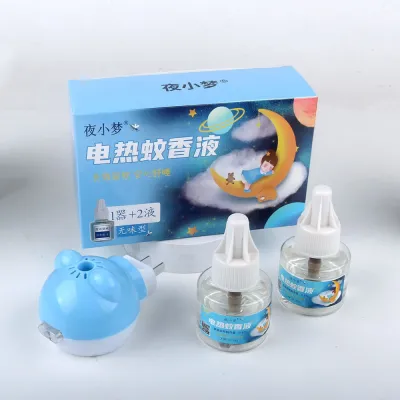
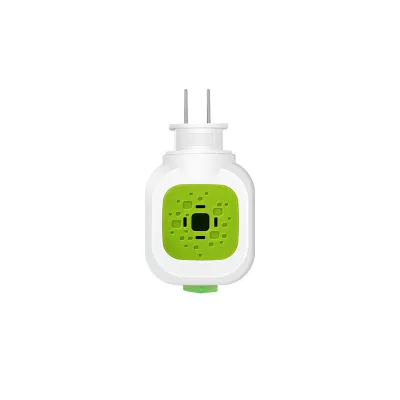
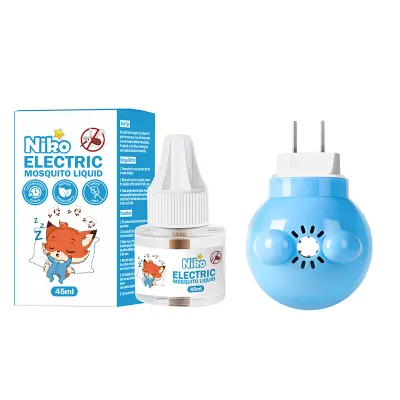
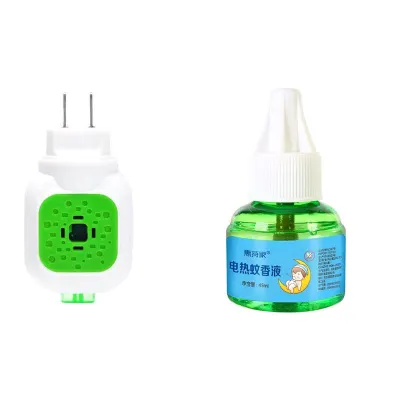
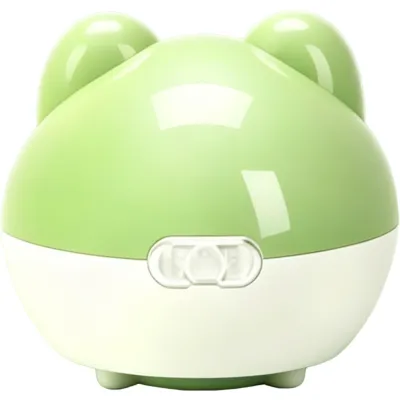
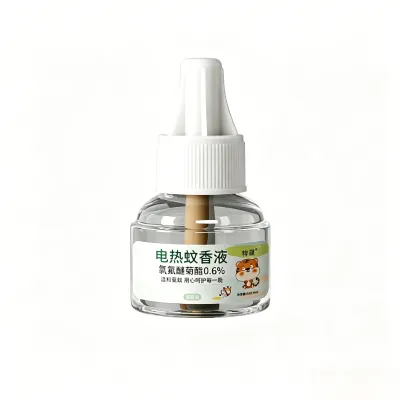
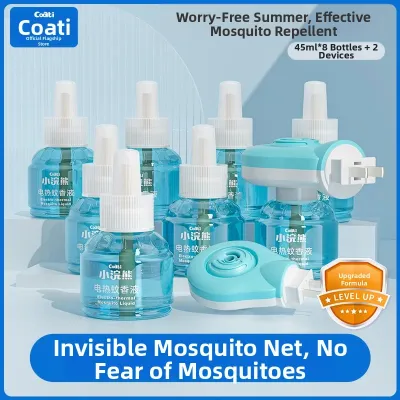
Prices are valid at publication and may change. Please refer to the product page for the latest price.
Many parents are drawn to marketing terms like “natural,” “organic,” or “plant-based” on repellent packaging. However, these terms do not automatically guarantee that a formula is safe for delicate infant skin. Certain natural plant extracts and essential oils can cause severe skin irritation or allergic reactions in young babies. Always rely on the manufacturer’s official age guidelines rather than general marketing claims.
If the product label does not explicitly state that it is safe for your baby’s specific age group, do not use it. For newborns and infants under six months of age, pediatricians generally recommend avoiding topical chemical repellents altogether. In these early months, physical barriers and environmental controls are the safest and most effective ways to prevent mosquito bites.
How to Verify Age Restrictions and Warnings on the Label
To determine if a Bella Kang repellent is appropriate for your child, start by searching the packaging for a minimum age statement. This is often written as “Do not use on children under X months” or “Safe for ages X and up.” These age thresholds are established because an infant’s skin barrier is thinner and more permeable than an adult’s, making them highly susceptible to absorbing topical chemicals into their bloodstream.

Next, carefully inspect the label for warnings regarding specific skin conditions. If your baby has eczema, extremely dry skin, sunburn, or any open scratches, topical repellents should not be applied to those areas. Damaged skin lacks a fully functioning barrier, which significantly increases the rate of product absorption and the risk of localized chemical burns or systemic side effects.
Finally, look for instructions regarding application frequency and maximum daily limits. Children’s metabolic systems process and clear absorbed chemicals much more slowly than adults. If a label restricts application to once or twice a day, strictly adhere to that limit. Exceeding the recommended daily usage can lead to an accumulation of active ingredients in your child’s system, posing unnecessary health risks.
Understanding Common Repellent Ingredients and Infant Safety
When evaluating the ingredients list on your Bella Kang repellent, it helps to understand how common active ingredients align with pediatric safety standards. DEET and Picaridin are two of the most widely studied synthetic ingredients. While highly effective, health authorities generally advise against using DEET on infants under two months of age, and recommend using low concentrations (typically 10% to 30%) for older babies and toddlers to minimize absorption risks.
Another common ingredient is Oil of Lemon Eucalyptus (OLE), also known by its synthetic derivative PMD. Although derived from natural sources, OLE and PMD are not recommended for use on children under three years of age. This restriction is due to a lack of comprehensive safety data for very young children and the potential for these concentrated botanical compounds to cause severe eye irritation if accidentally rubbed into the face.
Pure essential oils, such as citronella, lemongrass, eucalyptus, and peppermint, are frequently used in botanical repellents. While they do not carry the same chemical profile as synthetic ingredients, they are highly concentrated and can trigger allergic contact dermatitis or respiratory irritation in infants. Furthermore, natural oils evaporate rapidly, meaning they require frequent reapplication to remain effective, which increases the cumulative exposure of your baby’s skin to potential allergens.
Safe Application Rules if the Label Permits Use
If you have verified that the Bella Kang repellent label explicitly permits use on your child’s age group, you must follow strict application protocols to minimize risks. Apply the product only to exposed skin and the outside of your baby’s clothing. Never apply repellent underneath clothing, as the fabric can trap the product against the skin, increasing heat, moisture, and chemical absorption rates.
To prevent accidental ingestion or eye contact, never spray repellent directly onto a child’s face or hands. Instead, spray a small amount of the product onto your own palms first, then gently rub it onto your baby’s legs, arms, and the outer areas of their ears. Avoid the eye area, mouth, and any skin folds where the product might pool and cause chafing or irritation.
When combining mosquito protection with sun protection, always apply baby sunscreen first. Allow the sunscreen to absorb completely into the skin for at least fifteen to twenty minutes before applying the mosquito repellent over it. Avoid using combination sunscreen-repellent products, as sunscreen needs to be reapplied frequently, whereas repellent should be applied sparingly to avoid overexposure.
Once your child comes back indoors, wash the treated skin thoroughly with mild baby soap and warm water. This simple step removes any lingering chemical or botanical residue, preventing prolonged contact with the skin overnight. If the repellent was applied to their clothing, wash those garments separately before your baby wears them again.
Physical and Non-Chemical Mosquito Protection Alternatives
For infants who are too young for topical repellents, or for parents who prefer to avoid topical products altogether, physical barriers offer excellent protection. Utilizing a properly fitted, fine-mesh mosquito net over your baby’s crib, stroller, playpen, and infant carrier is highly effective. Ensure the netting is pulled taut and does not drape closely enough to the baby’s face to pose a suffocation hazard.
Dressing your baby in protective clothing is another highly reliable defense against bites. Opt for loose-fitting, light-colored garments made of breathable fabrics like cotton. Long-sleeved shirts and long pants cover vulnerable skin, while the loose fit prevents mosquitoes from biting directly through the fabric. Light colors are also less attractive to mosquitoes and make it much easier to spot any insects crawling on your child.
Managing your immediate environment is equally critical in reducing mosquito exposure. Regularly inspect your home and yard to eliminate any standing water in flower pots, buckets, toys, or drains, as these serve as breeding grounds for mosquitoes. Keeping window screens intact and using indoor fans to maintain active air circulation can also deter mosquitoes, as they are weak fliers and struggle to land in moving air.
Signs of Adverse Reactions and When to Stop Use
Even when you follow all safety guidelines, there is always a small risk that your baby’s skin may react negatively to a repellent. Monitor your child closely after application for any signs of localized irritation. These symptoms typically present as redness, swelling, a raised rash, hives, or persistent scratching and fussiness indicating itchiness or discomfort.
If you notice any of these signs, take immediate action by washing the product off your baby’s skin with cool water and a mild, fragrance-free soap. Gently pat the area dry with a clean towel rather than rubbing, which can further irritate the skin. Do not apply any additional topical creams or home remedies without consulting a healthcare professional.
Seek medical attention from a pediatrician if the skin irritation does not improve, if it spreads to other parts of the body, or if your baby exhibits systemic symptoms. Signs such as difficulty breathing, swelling of the lips or tongue, lethargy, or vomiting require immediate emergency medical care, as they may indicate a severe allergic reaction or systemic toxicity.
Frequently Asked Questions (FAQ)
Can I apply Bella Kang mosquito repellent to my baby's clothing instead of skin?
Applying repellent to clothing can be a helpful way to reduce direct skin contact, but you must first check the product label to ensure it is safe for fabrics. Some formulations contain ingredients that can stain, discolor, or degrade synthetic fibers. Additionally, ensure you do not apply the product to areas of the clothing that your baby might suck or chew on, such as sleeve cuffs or collars, to prevent accidental ingestion.
Is it safe to mix mosquito repellent with baby sunscreen?
You should never mix mosquito repellent and baby sunscreen together in your hand, nor should you use two-in-one combination products. Sunscreen requires frequent reapplication every two hours, especially after swimming or sweating, whereas mosquito repellent should be applied as infrequently as possible to avoid toxicity. Always apply sunscreen first, let it absorb completely, and then apply the repellent as a separate layer.
How often can I reapply the repellent on my toddler?
The reapplication frequency depends entirely on the active ingredients and the specific instructions printed on the product label. Never exceed the maximum daily application limit specified by the manufacturer. Keep in mind that applying more repellent or applying it more frequently does not provide stronger protection; it only increases the risk of skin irritation and chemical absorption.
Community discussion
Share your experience or ask a question. Comments are reviewed before publication.