
The Verdict: Are Bed Fences Safe for Babies?
Portable bed fences, commonly referred to as bed rails, are generally not safe for babies and infants under 2 years of age. While these mesh or wooden barriers seem like a practical way to keep a sleeping child from rolling off a large bed, they are structurally designed and safety-tested exclusively for older toddlers. Using them for an infant introduces severe, life-threatening hazards that standard nursery gear is specifically engineered to avoid.
Most commercially available bed fences are built for children between the ages of 2 and 5 who are transitioning from a crib to an adult-sized bed. Infants do not possess the developmental strength, motor skills, or head control to extricate themselves if they roll into a tight space. When placed on an adult bed modified with a portable rail, a baby faces a high risk of entrapment, strangulation, and suffocation.
In many households, particularly in warm and humid climates where family co-sleeping is a common cultural practice, parents often look to bed fences as an easy baby-proofing fix. However, modifying an adult bed with aftermarket barriers does not transform it into a safe sleep space. The safest sleep environment for a baby remains a firm, flat, and empty surface—such as a dedicated crib, bassinet, or play yard—that meets recognized safety standards.
Products mentioned in this guide
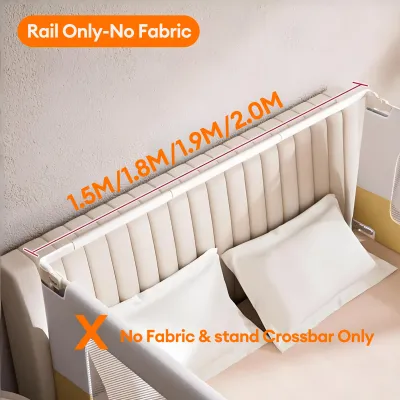
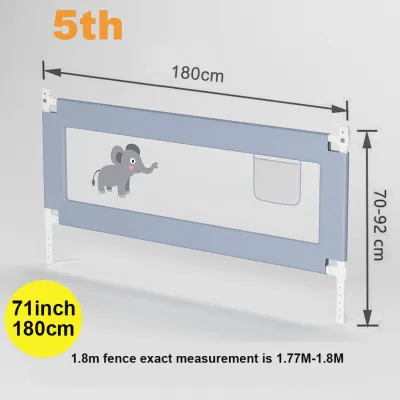

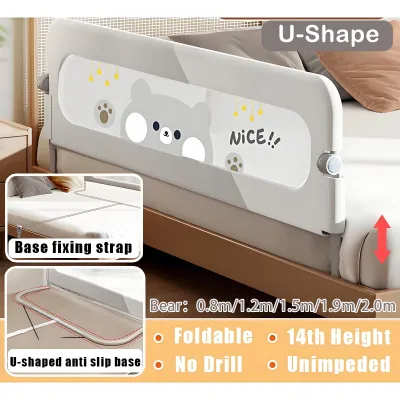
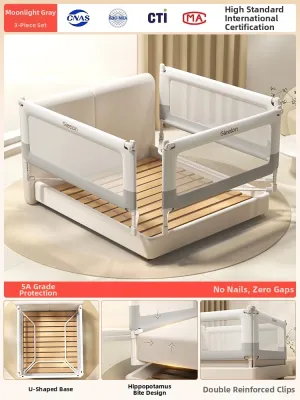
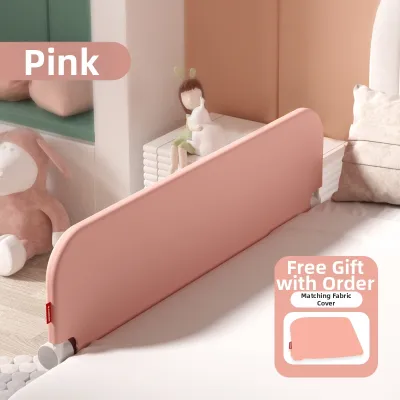
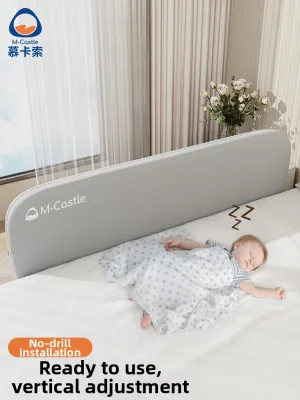
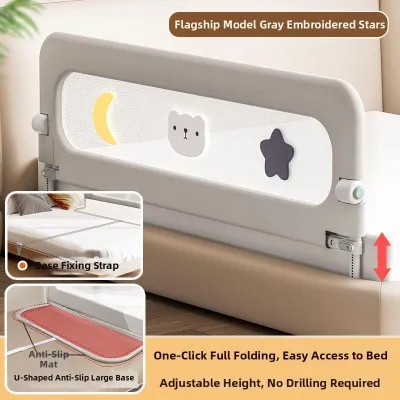
Prices are valid at publication and may change. Please refer to the product page for the latest price.
Understanding the Risks: Why Bed Rails Are Unsafe for Infants
To understand why bed fences are dangerous for infants, you must look at how adult beds and portable rails interact. Unlike a crib, which is a self-contained system with strict structural tolerances, an adult bed is made of separate, shifting components. When you attach a portable fence to an adult mattress, you create unpredictable physical dynamics that a vulnerable infant cannot navigate.

Babies lack the physical strength and coordination to rescue themselves when their breathing is compromised. If a baby rolls against a barrier, they cannot easily push themselves away or turn their heads to clear their airways. This physical limitation turns seemingly minor design gaps into fatal hazards within minutes.
Entrapment and Strangulation Hazards
The most significant hazard associated with bed fences is the creation of dangerous gaps. Adult mattresses are naturally soft and compress when weight is applied to the edge. When a baby rolls toward the side of the bed, their body weight can cause the mattress to sag, creating a wedge-shaped gap between the mattress and the bed fence.
Once a baby slips into this gap, they can easily become trapped. If their head or neck becomes wedged in the space between the mattress and the rail, or between the ends of the rail and the headboard, it can lead to positional asphyxia or strangulation. Because adult mattresses and bed frames are not standardized to integrate seamlessly with portable rails, guaranteeing a permanent, gap-free fit is nearly impossible.
Suffocation and Soft Bedding Risks
Suffocation is another critical risk when infants are placed near bed fences. If a baby rolls face-first into the mesh or solid fabric panel of a bed rail, they may not have the neck strength to turn away, rapidly restricting their oxygen supply. Even mesh panels, which are marketed as breathable, can restrict airflow when pressed tightly against a baby’s tiny nose and mouth.
Furthermore, adult beds are typically outfitted with soft mattresses, plush pillows, heavy comforters, and loose sheets. When combined with a bed fence, these soft materials can easily bunch up against the barrier, creating a highly dangerous environment where carbon dioxide can pool. Safe sleep guidelines consistently emphasize that infants require a firm, flat surface completely free of loose bedding, pillows, and soft vertical barriers.
When Are Bed Fences Actually Safe? Age and Development Guidelines
Bed fences transition from a hazard to a helpful tool only when a child reaches the appropriate developmental stage. Generally, bed rails are intended for children between 2 and 5 years old. At this stage, children have developed the physical strength, coordination, and cognitive awareness necessary to use them without the risk of catastrophic entrapment.
Before you install a bed fence, your child must meet several specific developmental milestones:
- Independent Mobility: The child must be able to climb in and out of an adult-sized bed entirely on their own.
- Physical Strength: They must have the motor control to easily push themselves away from a barrier or reposition their body if they roll against the rail.
- Cognitive Awareness: The child should have a basic understanding of the bed's boundaries and understand how to navigate the open areas of the bed safely.
During the transition phase from a crib to a “big kid” bed, a toddler bed fence serves as a temporary physical and psychological barrier. It is designed to prevent accidental roll-offs during active sleep cycles, not to cage a child in or replace active adult supervision. If you are unsure whether your child is developmentally ready to transition out of a crib or start using a bed rail, consult your pediatrician for personalized guidance.
Key Safety Features to Look for in a Toddler Bed Fence
If your child is of the appropriate age and has met the necessary milestones, selecting the right bed fence requires careful inspection of its design and specifications. Do not rely solely on appealing marketing descriptions on online marketplaces. Instead, look for concrete safety features and verify them against the manufacturer’s official documentation.
Always check the product label for specific age, weight, and mattress compatibility limits before making a purchase. A bed fence that is incompatible with your specific bed type can fail to perform safely, even if the product itself is well-made.
Secure Locking and Hinge Mechanisms
A safe bed fence must remain completely rigid when a child leans or rolls against it. Look for rails equipped with robust, child-proof locking hinges that prevent the barrier from accidentally folding down. The locking mechanism should require a deliberate, multi-step action to release, ensuring that a curious toddler cannot unlock it from the inside.
When evaluating a product, test the hinge tension and verify that the locking pins engage securely and automatically every time you raise the rail. Avoid models with flimsy plastic joints that can warp, crack, or degrade over time, especially in warm climates where material fatigue can occur more rapidly.
Gap Prevention and Mattress Anchors
To eliminate the risk of entrapment, the bed fence must be held tightly against the side of the mattress under tension. Look for models that utilize heavy-duty anchor straps or a solid under-mattress T-anchor system. These straps wrap completely around the mattress or secure firmly to the opposite side of the bed frame, preventing the rail from shifting outward.
Before purchasing, measure your mattress thickness and inspect your bed frame type, whether it is a box spring, a flat platform, or a wooden slatted base. Ensure the bed fence you select is explicitly compatible with your frame type, as a mismatch can prevent the anchor straps from tensioning correctly, leaving dangerous gaps.
Material, Breathability, and Certification Checks
In warm, humid tropical environments, proper ventilation is crucial for your child’s comfort and safety. High-density, tightly woven mesh panels are highly recommended over solid wood or plastic rails. Mesh allows for continuous airflow from electric fans or air conditioning units, reducing the risk of overheating during sleep while maintaining clear visibility so you can easily monitor your child.
Additionally, do not take safety claims at face value. Look for physical labels or manufacturer statements indicating compliance with recognized juvenile product safety standards, such as ASTM F2085 (Standard Consumer Safety Specification for Portable Bed Rails) or equivalent international safety benchmarks. Verify these certifications on the manufacturer’s website to ensure the product has undergone rigorous mechanical testing.
Safer Sleep Alternatives to Adult Beds with Fences
If you are looking for ways to keep your child safe without relying on risky aftermarket bed fences, several excellent alternatives exist. These options align with established child safety guidelines and are categorized by your child’s specific stage of development.
For Babies: Cribs, Bassinets, and Play Yards
For infants and babies under 2 years old, a standard-compliant crib, bassinet, or portable play yard (often called a playpen) is the gold standard for safe sleep. These products are engineered from the ground up with strict safety tolerances that portable bed fences simply cannot replicate on an adult bed.
- Cribs and Bassinets: These feature rigid, closely spaced slats and non-collapsible walls that prevent limb and head entrapment while providing a perfectly flat, firm sleeping surface.
- Portable Play Yards: These utilize tightly stretched, built-in mesh walls that are integrated directly into the frame, eliminating any possibility of shifting or creating dangerous gaps.
For Toddlers: Floor Beds and Toddler Beds
When your toddler is ready to transition out of a crib but is not yet ready for a high adult bed, you can skip the portable bed fence entirely by choosing low-profile sleeping arrangements.
- Floor Beds (Montessori-Style): Placing a firm toddler mattress directly onto a clean, dry floor, or onto a low-profile wooden pallet designed for ventilation, eliminates the risk of falls entirely. If the child rolls off the bed, they simply slide a few centimeters onto the floor, removing the need for any vertical barriers.
- Toddler Beds: These specialized beds are built low to the ground and feature built-in safety rails that are structurally integrated into the bed frame. Because these rails are part of the bed's original design, they do not shift or create the dangerous gaps associated with portable add-on fences.
Setup Rules and Daily Safety Checks for Bed Fences
If you have decided to use a bed fence for an eligible toddler, your safety responsibilities do not end after the initial installation. Regular maintenance and daily inspections are essential to ensure the barrier remains secure and does not pose a hazard over time.
When setting up the bed fence for the first time, follow these critical installation rules:
- Ensure a Flush Fit: The rail must press firmly against the side of the mattress with absolutely no visible gaps or room for movement when you push against it.
- Maintain Clearance: Install the bed rail so that there is a clearance of at least 9 inches (approximately 23 centimeters) between the ends of the rail and the headboard or footboard to prevent entrapment at the head and feet.
- Position Safely: Ensure the bed is positioned well away from windows, dangling blind cords, electrical outlets, and heavy furniture that a child could reach or use to climb over the rail.
Establish a quick daily or weekly inspection routine to keep the sleep space safe. Check the tension of the anchor straps to make sure they have not loosened with daily use, and inspect the mesh panels for any sagging, tears, or broken seams. Test the locking hinges to ensure they still engage smoothly and securely.
Finally, establish clear stop-use conditions. You must immediately remove and replace the bed fence if any structural component cracks, if the fabric tears, or if the locking mechanism fails to hold. Most importantly, if your child figures out how to unlatch the lock or attempts to climb over the top of the rail, remove the fence immediately, as it now poses a fall hazard rather than a safety barrier.
Community discussion
Share your experience or ask a question. Comments are reviewed before publication.