
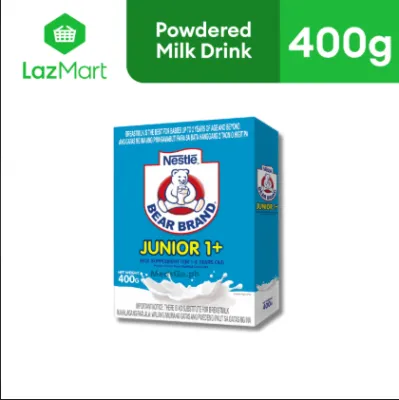
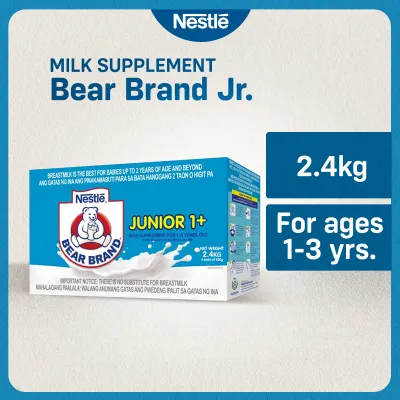
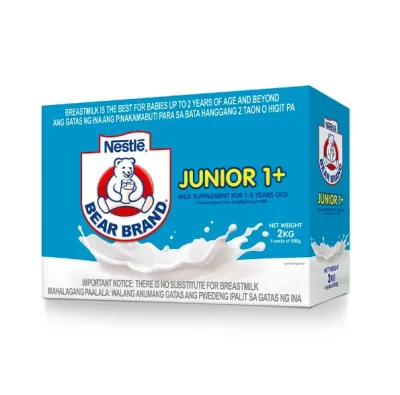
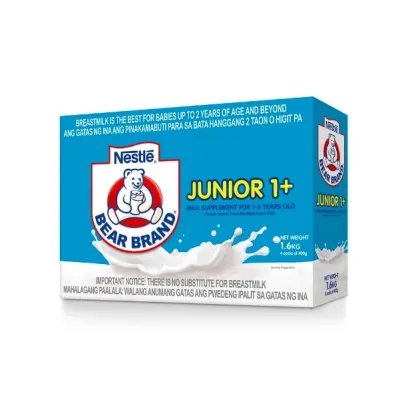
Choosing the right milk for a toddler between the ages of 1 and 3 is a major milestone for parents in the Philippines. With options ranging from budget-friendly local favorites to premium imported formulations, the decision often comes down to balancing your child’s specific developmental needs with your household budget. If you are exploring the grocery aisles, you have likely compared bearbrand junior 1 to 3 against household names like Nido, Enfagrow, and NAN.
There is no single “best” toddler milk for every child, as the ideal choice depends entirely on your toddler’s health profile, growth milestones, and digestive tolerance. You should choose Bear Brand Junior if your family budget is the primary driver and your child already eats a well-rounded diet of solid foods. Nido is an excellent choice if you want a widely accessible, highly palatable milk that picky eaters transition to easily. If your primary focus is supporting cognitive development with high levels of DHA and specialized lipids, Enfagrow fits a premium budget. For toddlers with sensitive stomachs who require extra support for digestive comfort, NAN offers specialized probiotic and protein profiles.
Remember that toddler milk is designed as a nutritional supplement, not a meal replacement. Before transitioning your child to any new milk product, always consult your pediatrician to ensure it aligns with your child’s growth, especially if they have allergies or underlying health conditions.
Products mentioned in this guide
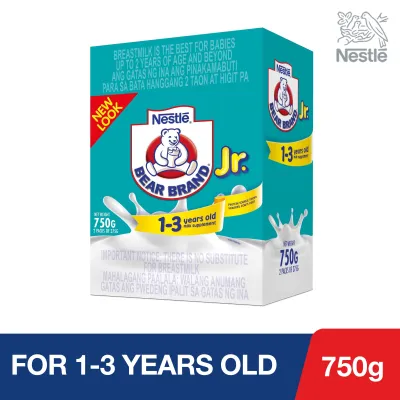
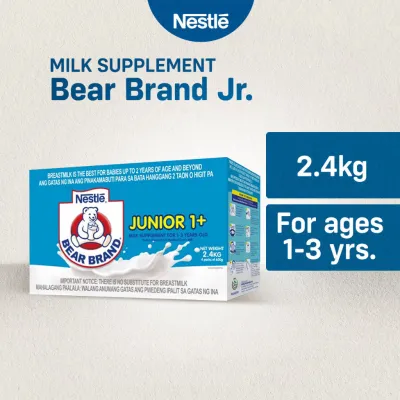
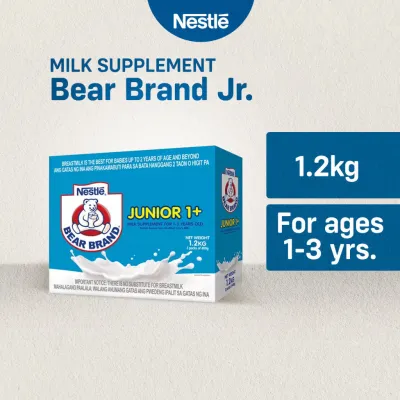

Prices are valid at publication and may change. Please refer to the product page for the latest price.
Brand Profiles and Core Benefits of Bearbrand Junior 1 to 3 and Competitors
Bear Brand Junior
Bear Brand Junior is positioned as a highly affordable, mass-market staple in Filipino households. It is widely accessible, from large supermarkets down to local neighborhood sari-sari stores, making it a practical choice for many families. Its marketing primarily focuses on providing essential vitamins and minerals—often referred to as resistance nutrients—such as Iron, Zinc, and Vitamin C. These nutrients are designed to support basic physical growth and everyday immunity for active toddlers who are beginning to explore their environments.
Nido
Nido has a long-standing heritage in the Philippines and is highly regarded for its focus on general physical development and immune support. It is particularly famous for its creamy taste profile, which many toddlers readily accept, making it a reliable option when transitioning from breastmilk or infant formula. The brand often highlights its inclusion of specific prebiotic fibers or immune-supporting nutrients designed to protect toddlers as they interact more closely with other children.
Enfagrow
Enfagrow occupies a premium market position, targeting parents who prioritize cognitive and brain development. The brand heavily emphasizes its scientific formulations, specifically marketing clinical levels of DHA (Docosahexaenoic Acid), ARA (Arachidonic Acid), and specialized lipid profiles like MFGM (Milk Fat Globule Membrane). These components are designed to support brain connections and visual acuity during the critical window of rapid cognitive growth between ages 1 and 3.
NAN
NAN is a premium, scientifically driven brand that focuses heavily on gut health, digestion, and systemic immune support. Developed with a legacy of clinical research, NAN formulations typically feature optimized protein blends (such as partially hydrolyzed whey) and specific probiotic strains like Lactobacillus reuteri. This focus makes it a go-to option for parents looking to reduce digestive discomfort, ease bowel movements, and build a strong gut microbiome from an early age.
Nutritional Comparison: How to Read the Labels
Key Nutrients for Toddler Development
When evaluating toddler milks, parents should focus on a few critical nutrients that support the rapid physical and mental changes occurring between ages 1 and 3. Iron is vital for brain development and preventing iron-deficiency anemia, which can sometimes occur as toddlers transition to solid foods. Calcium and Vitamin D work synergistically to build strong bones and teeth, which is particularly important during active growth spurts. DHA and ARA are essential fatty acids that contribute to the structural development of the brain and retina.

Checking Percent Daily Value and Serving Sizes
Rather than relying on static nutritional tables that can become outdated when manufacturers update their recipes, parents should learn to read the nutrition facts panel on the back of the packaging. Look at the “Percent Daily Value” (%DV) or the specific milligrams of nutrients per serving. Keep in mind that serving sizes and scoop densities vary across brands. A brand that appears to have higher nutrient levels per 100 grams might actually deliver less per prepared glass if its recommended scoop size is smaller.
Evaluating Added Sugars and Protein Sources
It is highly recommended to inspect the ingredient list for added sugars, which are sometimes used to enhance taste and appeal to picky eaters. Look out for ingredients like sucrose, corn syrup solids, maltodextrin, or liquid glucose. While these provide quick energy, a lower added-sugar content is generally preferred to establish healthy eating habits and protect developing teeth. Additionally, compare the protein source and content; some brands use specialized, easy-to-digest protein blends, while others use standard cow’s milk solids.
Verifying Age-Stage Labeling
Always ensure you are looking at the correct age-stage labeling on the front of the pack. For toddlers aged 1 to 3, you will typically look for “Stage 3” or products explicitly labeled for “1-3 years.” These formulations are specifically designed with a nutrient density that matches the dietary gaps of this age group, which differ significantly from the needs of infants under 12 months or older children over 3 years old.
Price and Value: Calculating the True Cost
Calculating Cost per Serving
To understand the true financial commitment of a toddler milk, looking at the retail price of the tin or box is not enough. Parents should calculate the cost per serving. To do this, check the packaging for the total net weight and the recommended weight of powder per serving (usually expressed in grams per scoop multiplied by the number of scoops per glass). Divide the total package weight by the serving size to find the number of servings per pack, then divide the retail price by that number of servings. This reveals the actual cost of feeding your toddler each day.
Budget vs. Premium Tiers
There is a distinct price divide among these four brands. Bear Brand Junior and Nido represent the budget-friendly and mid-range tiers, offering excellent value for families who want reliable nutritional support without a heavy financial burden. Enfagrow and NAN sit in the premium tier, reflecting their specialized research, imported ingredients, and advanced processing technologies. Parents must decide if the specialized benefits, such as brain-development lipids or advanced probiotics, justify the higher ongoing cost per serving for their specific household budget.
Smart Buying Strategies in the Philippines
To maximize value, compare prices across different retail channels in the Philippines. Major local supermarkets, physical pharmacies, and official brand stores on e-commerce platforms frequently offer bundle deals, mega-size boxes, or promotional discounts. Buying in larger packaging sizes (such as 1.2kg or 1.6kg packs) almost always yields a lower cost per gram than buying small boxes or individual sachets. However, always ensure you have a clean, dry, and pest-free storage space at home to keep bulk purchases fresh.
Digestion, Taste, and Dietary Considerations
Managing Picky Eaters and Taste Preferences
Toddlers are notorious for their shifting taste preferences, and a milk that one child loves might be rejected by another. Before investing in a large, expensive tin of premium milk, it is highly advisable to purchase the smallest available box or sachet pack. This trial run allows you to test your toddler’s acceptance of the taste and texture without risking financial waste. If your child rejects a brand, do not force it; instead, try transitioning them slowly by mixing a small amount of the new milk with their previous familiar milk over several days.
Supporting Digestive Comfort and Transitions
Transitioning to a new milk brand can sometimes cause temporary changes in your toddler’s digestion, such as mild constipation, gas, or slightly loose stools. This is often just the digestive system adapting to a new protein structure or prebiotic blend. Brands like NAN are specifically formulated to ease this transition by using highly digestible proteins and active probiotics that support gut motility. If you notice mild digestive changes, monitor your child closely, ensure they are drinking plenty of water, and give their digestive tract a week to adjust.
Crucial Safety Boundaries
If your toddler exhibits severe symptoms such as persistent vomiting, chronic diarrhea, blood in the stool, severe eczema, skin rashes, or breathing difficulties, stop using the milk immediately and consult your pediatrician. Standard toddler milks—including Bear Brand Junior, Nido, Enfagrow, and NAN—are based on cow’s milk protein and are completely unsuitable for children with diagnosed Cow’s Milk Protein Allergy (CMPA) or severe lactose intolerance. These medical conditions require specialized, hypoallergenic, or lactose-free formulas prescribed under strict medical supervision.
How to Make Your Final Decision
To choose the right toddler milk for your 1-3 year old, follow this structured, step-by-step decision process:
- Consult your pediatrician: Discuss your toddler's growth chart, dietary habits, and any physical symptoms to rule out allergies and confirm if they require specific nutritional support.
- Establish your monthly budget: Calculate the true cost per serving for each brand and determine what is sustainable for your household over the next two years.
- Identify your child's primary need: Determine whether your toddler requires basic nutritional gaps filled (Bear Brand Junior), an easily accepted taste for transition (Nido), support for cognitive milestones (Enfagrow), or gentle care for a sensitive digestive system (NAN).
- Conduct a small-scale trial: Purchase a small box or sachet of your chosen brand to monitor your toddler's taste acceptance and digestive tolerance over a week.
Always keep in mind that for children aged 1 to 3, solid foods should be the primary source of nutrition. Toddler milk is designed to act as a safety net, filling in minor nutritional gaps rather than replacing balanced, wholesome daily meals.
Frequently Asked Questions (FAQ)
Can I mix Bear Brand Junior with other milk brands?
No, you should avoid mixing different milk brands or formulas in the same bottle or cup. Each brand has a unique nutrient concentration, powder density, and specific preparation instructions. Mixing them can alter the water-to-powder ratio, leading to concentrated mixtures that can strain your toddler’s kidneys and digestive system, or diluted mixtures that do not provide adequate nutrition.
When should I transition my toddler from formula to regular cow's milk?
Most toddlers can transition to regular, full-cream cow’s milk around 12 to 24 months of age, provided they are growing normally and eating a diverse, balanced diet of solid foods. However, if your toddler is a picky eater, has specific nutritional gaps, or if your pediatrician recommends continued fortified support, specialized toddler milks can provide a helpful nutritional safety net during these transition years.
Community discussion
Share your experience or ask a question. Comments are reviewed before publication.