
Quick Answer: Is There a Single "Best" Toddler Milk?
Choosing the right powdered milk for your toddler between the ages of 1 and 3 is a major decision for many parents in the Philippines. With so many options lining supermarket shelves, it is easy to feel overwhelmed by competing claims of brain development, physical growth, and immune support. The short answer is that there is no single “best” powdered milk that fits every child universally. The ideal choice depends entirely on your toddler’s unique dietary gaps, taste preferences, and your household’s monthly budget.
Each of the three major brands has carved out a specific position in the market to cater to different parenting priorities. Bear Brand Junior is widely recognized as an accessible, fortified option designed to provide essential daily nutrients at a budget-friendly price point. Nido is a popular choice for parents seeking a rich, creamy, whole-milk taste profile that appeals to picky eaters. Enfagrow is positioned as a premium formulation, focusing heavily on specialized developmental ingredients and advanced nutrient blends.
Before making any changes to your child’s diet or switching between milk brands, it is highly recommended to consult your pediatrician. A healthcare professional can assess your toddler’s growth chart, identify any specific nutritional deficiencies, and guide you on whether a fortified milk powder is necessary alongside their daily solid foods.
Products mentioned in this guide
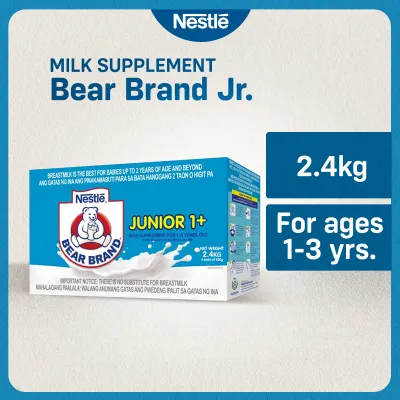
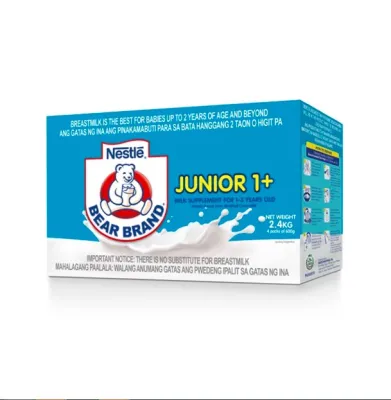
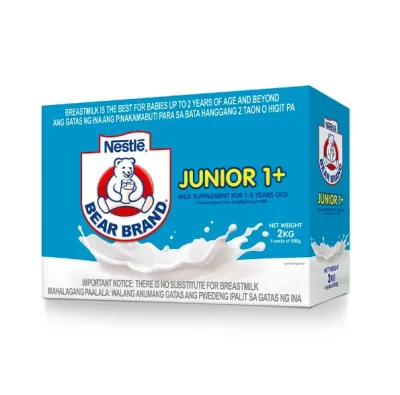
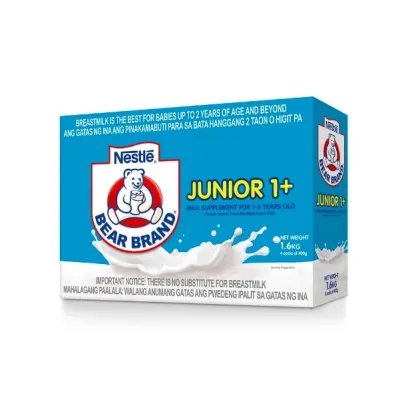

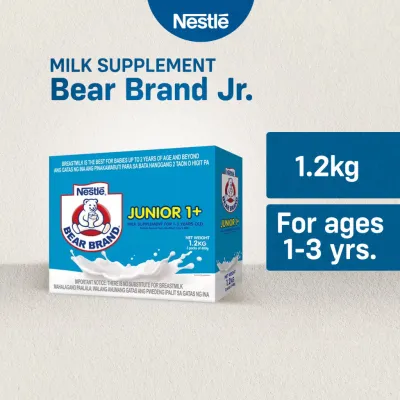
Prices are valid at publication and may change. Please refer to the product page for the latest price.
Comparing Nutritional Profiles and Growth Benefits
When evaluating Bear Brand Junior, Nido, and Enfagrow, the most reliable tool at your disposal is the Nutrition Facts label printed on the back of the packaging. Toddlers aged 1 to 3 are in a rapid stage of physical and cognitive development, meaning their daily nutrient requirements are distinct from those of infants or older children. To make an informed comparison, you should focus on several key nutrient groups.

Bone Development and Physical Growth Calcium and Vitamin D are the cornerstones of healthy bone and teeth formation. When comparing labels, look at the percentage of the Recommended Energy and Nutrient Intake (RENI) that a single serving provides. Vitamin D is essential because it facilitates the absorption of calcium in the body. Some formulations may also include other micronutrients like Zinc and Vitamin C to support normal immune function, which is particularly important as toddlers begin exploring their environments more actively.
Cognitive Support and Brain Development Iron is a critical nutrient during the toddler years, as it supports cognitive development and helps prevent iron-deficiency anemia—a common concern when children transition to solid foods. Additionally, look for the presence of Docosahexaenoic Acid (DHA) and Arachidonic Acid (ARA). These are omega-3 and omega-6 fatty acids that play a role in brain and eye development. Premium formulations often highlight higher levels of DHA, so checking the exact milligrams per serving on the label will help you compare their nutritional density.
Understanding the Milk Base It is also helpful to identify whether the product uses a whole milk base or a fortified skim milk base. Whole milk bases naturally contain milk fats, which contribute to a creamier taste and provide natural energy sources. Skim milk bases, on the other hand, have the fat removed and are typically fortified with vegetable oil blends (such as coconut, palm, or soy oils) to achieve the necessary fat and calorie profile. Neither base is universally superior; some toddlers digest skim-based formulas more easily, while others thrive on the rich energy profile of whole milk.
Checking for Added Sugars Carefully read the ingredient list for added sugars, which may appear under names like sucrose, corn syrup solids, maltodextrin, or fructose. While these ingredients provide quick energy and enhance flavor, some parents prefer to limit added sugars to prevent a strong preference for sweet tastes early in life. Always verify the current packaging of the specific batch you are buying, as manufacturers frequently update their recipes, ingredient sources, and nutritional percentages.
Price Points and Value for Money
Managing household expenses is a primary consideration for families in the Philippines. Because toddler milk is a daily necessity, small differences in price can add up significantly over a month or a year. To find the most cost-effective option, you must look beyond the retail price of the box or tin and calculate the actual cost per serving.
How to Calculate Cost per Serving To determine the true value of a milk powder, use this simple formula:
- Divide the total price of the package by the total weight in grams to find the cost per gram.
- Multiply the cost per gram by the recommended serving size (in grams) indicated on the preparation instructions.
This calculation allows you to compare a budget-friendly pouch directly with a premium tin, as serving sizes and powder densities vary between brands.
Packaging Formats and Bulk Buying These brands are available in a wide range of packaging sizes to suit different budgets and storage needs. You will find single-serve sachets, which are highly convenient for travel or trying out a new brand without a large financial commitment. For regular home use, sizes typically range from 150g, 300g, and 400g boxes to larger 900g or 1.2kg tins and foil pouches. Generally, purchasing larger bulk packs or tins offers a lower cost per gram, but you must balance this with how quickly your child consumes the milk to avoid spoilage.
Where to Find the Best Deals Prices can fluctuate based on where you shop. Local supermarkets and major drugstores often offer stable pricing, while official brand stores on e-commerce platforms frequently run promotional sales, bundle discounts, and voucher events. When shopping online, always ensure you are purchasing from verified official stores to guarantee product authenticity and proper storage conditions prior to shipping.
Taste, Mixability, and Daily Routine
Even the most nutritionally complete milk is of no use if your toddler refuses to drink it. Practical daily factors like taste, texture, and ease of preparation play a massive role in your daily routine.
Flavor and Sweetness Preferences Toddlers develop distinct taste preferences early on. Some brands offer a sweeter, highly palatable flavor profile that appeals immediately to picky eaters, while others maintain a more neutral, natural milk taste. If you plan to transition your child to regular fresh cow’s milk in the future, choosing a brand with a lighter, less sweet profile can make that eventual transition much smoother.
Mixability in Tropical Climates In the humid tropical climate of the Philippines, milk powder is highly susceptible to absorbing moisture from the air. This can lead to clumping inside the container and make the powder harder to dissolve. When preparing a serving, observe how easily the powder mixes with warm or room-temperature water. A powder that dissolves quickly without leaving stubborn clumps at the bottom of the cup or clogging the bottle nipple saves time during busy mornings and ensures your child gets the full nutritional value of the serving. Always store opened milk powder in a tightly sealed, airtight container in a cool, dry place away from direct sunlight.
Tips for a Smooth Transition If you decide to switch from one brand to another, a sudden change can sometimes lead to refusal or mild digestive adjustments, such as temporary changes in stool consistency. To avoid this, introduce the new milk gradually. You can start by replacing just one of their daily milk servings with the new brand. Alternatively, you can gradually mix small amounts of the new powder with the old powder over a period of a week, slowly increasing the proportion of the new brand until the transition is complete.
Decision Framework: Which Powdered Milk Should You Choose?
To help you make the final decision for your toddler, consider how each brand aligns with your family’s specific priorities, budget, and lifestyle.
Choose Bear Brand Junior if:
- You are looking for a highly accessible, budget-friendly option that fits comfortably into a strict monthly grocery budget.
- You want a reliable, fortified milk that provides essential daily vitamins and minerals to supplement your child's solid food intake.
- You prefer a brand that is widely available in local neighborhood stores, making it easy to purchase quick replacements when you run low.
Choose Nido if:
- Your toddler prefers a rich, creamy, traditional milk flavor and tends to reject lighter or less flavorful options.
- You want a versatile milk powder that can also be used occasionally in family cooking, baking, or dessert recipes.
- You are looking for a balanced mid-range option that offers a solid mix of essential nutrients and good value for money.
Choose Enfagrow if:
- You prioritize premium formulations with a specific focus on specialized developmental nutrients, such as higher levels of DHA for brain support.
- You are willing to allocate a larger portion of your monthly budget to premium toddler nutrition.
- Your toddler accepts the taste profile of premium formulations and you prefer the convenience of advanced packaging designs, such as secure tins with dedicated scoop holders.
Verify First if Your Child Has Special Dietary Needs Before purchasing any standard powdered milk, it is crucial to verify if your child has lactose intolerance, a cow’s milk protein allergy, or other medical dietary restrictions. Standard commercial toddler milks are not suitable for children with these conditions. If your toddler experiences persistent digestive issues, skin rashes, or chronic fussiness after drinking milk, stop use immediately and consult your pediatrician. They can recommend specialized hypoallergenic, lactose-free, or soy-based formulas tailored to your child’s specific medical needs.
Frequently Asked Questions (FAQ)
Can I mix two different brands of powdered milk together?
Mixing two different brands of powdered milk in the same serving is generally not recommended. Each brand is formulated with a specific concentration of nutrients, and their respective scoops are calibrated precisely for their unique powder density. Mixing them can make it difficult to measure the correct water-to-powder ratio, which may result in a drink that is either too concentrated or too diluted. This can put unnecessary strain on your toddler’s developing digestive system and kidneys. If you need to transition your child to a new brand, it is safer to alternate separate servings throughout the day rather than blending the powders together in a single cup.
How many servings of powdered milk should a 1 to 3-year-old drink daily?
For toddlers aged 1 to 3, pediatric guidelines generally recommend around 2 to 3 servings of dairy or milk per day, which typically equates to about 350 to 500 milliliters in total. It is important not to exceed this amount, as overconsumption of milk can fill up your toddler’s small stomach and reduce their appetite for solid foods. Solid foods should now be their primary source of nutrition, helping them learn to chew and experience different textures. Drinking too much milk can also interfere with the absorption of iron from their food, potentially leading to iron deficiency. Always refer to the serving suggestions on your specific product’s packaging and consult your pediatrician to determine the ideal daily intake for your child’s growth.
Community discussion
Share your experience or ask a question. Comments are reviewed before publication.