
Choosing between two popular milk drinks for your growing child requires balancing nutritional needs with your household budget. In the Philippines, where families often navigate varying retail prices and climate-related storage challenges, making an informed choice is essential. There is no single option that suits every family; instead, the right selection depends on a careful comparison of product labels, your child’s daily food intake, and the actual cost per serving at your local store.
To make a practical decision, parents should look beyond the front of the packaging. You need to verify the nutritional values listed on the back, calculate the cost per individual serving based on current retail prices, and check for reliable local availability. This guide provides a step-by-step framework to help you evaluate these factors systematically.
Comparing Nutritional Profiles on the Label
When standing in the milk aisle of a supermarket, the nutrition facts panel is your most reliable tool. Both of these junior milk options are formulated for children transitioning past the toddler stage, but their specific nutrient concentrations can vary. Parents must examine the label to see how each brand supports their child’s current diet.
Products mentioned in this guide
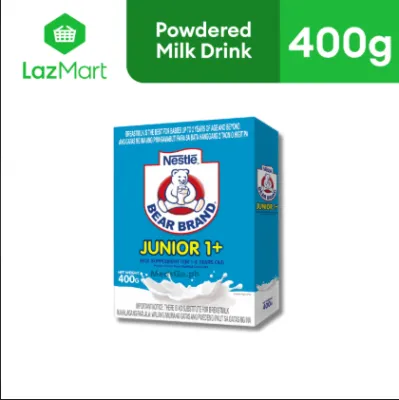
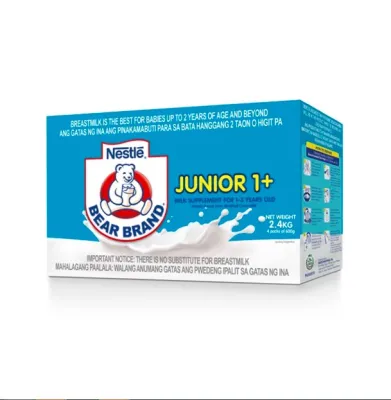
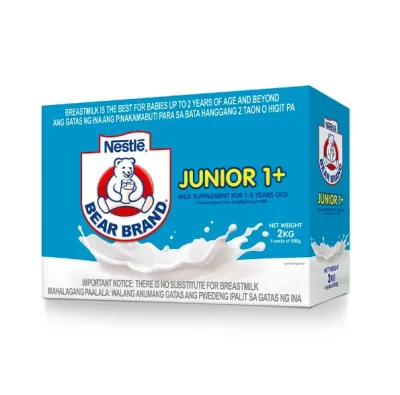
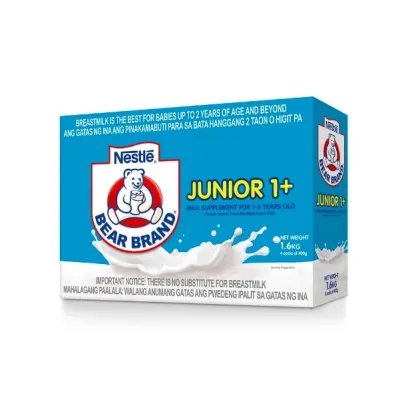
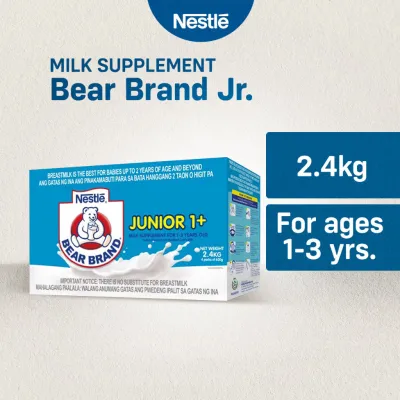
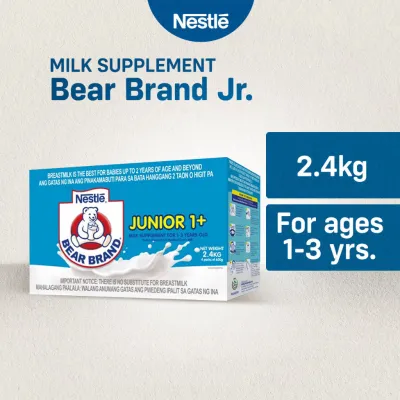

Prices are valid at publication and may change. Please refer to the product page for the latest price.
Start by checking the levels of essential minerals like calcium and iron. Calcium is crucial for supporting bone development during active growth phases, while iron plays a vital role in cognitive development and preventing anemia. Look at the Percent Daily Value (%DV) or the recommended energy and nutrient intake (RENI) percentages listed on the packaging to see how much of the daily requirement one serving provides.
Vitamin D is another critical nutrient to verify on the label, as it aids in calcium absorption. In tropical climates like the Philippines, children may get sun exposure, but dietary vitamin D remains an important safeguard. Compare the international units (IU) or micrograms (mcg) of Vitamin D per serving between the two brands to ensure adequate support.
Beyond vitamins and minerals, pay close attention to the carbohydrate section of the label, specifically looking for added sugars. Some milk formulations use sucrose, corn syrup solids, or oligofructose to enhance taste or provide energy. Checking the ingredient list and the “Total Sugars” line helps you identify which product aligns better with your goal of managing your child’s sweet preference and dental health.
Always compare the recommended serving sizes listed on the preparation instructions. One brand might specify a serving size of 35 grams of powder, while another might recommend 40 grams. This difference affects not only the concentration of nutrients your child receives in a single glass but also how quickly you will empty the pack.
Remember that junior milk is designed to complement, not replace, a diverse diet of solid foods. If your child is already eating a wide variety of iron-rich foods or calcium-dense meals, a standard milk formulation may be perfectly sufficient. Conversely, if your child is a selective eater, you may want to choose the option that offers higher percentages of the specific nutrients they might be missing.
Before making any changes to your child’s milk regimen, consult your pediatrician. A qualified professional can assess your child’s growth charts, identify any specific nutritional gaps, and recommend the exact nutrient profile you should look for on the milk label.
Evaluating Price and Cost-Per-Serving Value
Comparing the upfront shelf price of two milk packages can be highly misleading. A larger box might seem more expensive at first glance, but it may actually offer a lower cost per gram of powder. To find the true economic value for your household, you must calculate the cost per serving.

To perform this calculation, first locate the net weight of the package, which is typically printed in grams on the front or bottom of the box. Next, find the recommended serving size in grams on the preparation instructions. Divide the total net weight by the serving size to determine the approximate number of servings contained in that single package.
Once you know the number of servings per pack, divide the retail price of the package in Philippine Pesos (₱) by the number of servings. This simple formula—Retail Price divided by Servings per Pack—gives you the exact cost per serving. Comparing these final figures allows you to see which brand fits more sustainably into your monthly grocery budget.
While buying in bulk or purchasing larger pack sizes generally reduces the cost per serving, you must consider local environmental factors. The high humidity and warm temperatures in the Philippines can affect opened powdered milk. If a large package is left open for too long, moisture can seep in, leading to clumping, spoilage, or loss of freshness.
If you choose to buy larger bulk packs to save money, ensure you have airtight containers ready for storage. If you do not have a reliable way to keep the powder dry and cool, purchasing smaller, individually sealed packs or moderate-sized boxes may actually prevent waste and save money in the long run.
Additionally, track how quickly your child consumes the milk. If your child only drinks one glass a day, a massive bulk pack might sit open for several weeks, increasing the risk of spoilage. Match the package size to your child’s actual consumption rate to balance upfront savings with product freshness.
Checking Availability and Purchasing Options
Consistent availability is a crucial factor when choosing a junior milk brand. Abruptly switching between different milk brands because your preferred choice is out of stock can sometimes cause mild digestive adjustments or resistance from a child accustomed to a specific taste. You want to select a brand that you can easily find during your regular shopping trips.
Both brands are widely distributed across major retail channels in the Philippines, including large supermarket chains, local grocery stores, and neighborhood pharmacies. Additionally, official brand stores on major online marketplaces and ecommerce platforms offer a convenient way to purchase milk without leaving home, often providing home delivery options.
When purchasing online, it is vital to buy exclusively from official flagship stores or authorized distributors. This precaution helps ensure that the milk has been stored in temperature-controlled environments and is genuine. Counterfeit products or poorly stored milk exposed to extreme heat can pose serious health risks to your child.
Whether buying in-store or online, always inspect the physical packaging before opening. Check that the safety seals are completely intact and that there are no punctures, tears, or damp spots on the cardboard box or inner foil pouch. In humid tropical climates, even a tiny pinhole can allow moisture and pests to compromise the powder.
Always verify the expiration date printed on the packaging. Avoid purchasing boxes that are close to their expiration date, especially if you plan to buy in bulk. Proper storage at home—keeping the milk in a cool, dry pantry away from direct sunlight—is equally important to maintain the quality and safety of the product until the very last scoop.
Decision Framework: Which Junior Milk Fits Your Family?
To make your final decision, use a structured approach that weighs your child’s nutritional needs against your household’s practical constraints. Neither brand is a universal winner; instead, each serves different family priorities and situations.
Consider Bear Brand Junior if:
- Your primary goal is finding a budget-friendly daily milk option that fits comfortably within a strict household budget.
- Your child already eats a well-balanced diet of solid foods and does not require highly specialized nutrient supplementation.
- You prefer a brand that is highly accessible in local neighborhood stores and smaller retail outlets.
Consider Nido 3+ if:
- You are looking for specific nutrient ratios or added ingredients, such as specific prebiotic fibers or specialized micronutrient blends, to support a selective eater.
- Your pediatrician has recommended a formulation with a particular vitamin or mineral concentration that matches this brand's label.
- You have reliable access to larger supermarkets or official online stores where this specific product line is consistently stocked.
Verify first if:
- Your child has a known allergy to cow's milk protein or is lactose intolerant, as standard junior milks are dairy-based and will not be suitable.
- The product packaging explicitly matches your child's current age bracket, as formulations are carefully adjusted for specific developmental stages.
- You have consulted a healthcare professional to ensure that introducing or changing a junior milk aligns with your child's overall growth and developmental plan.
Frequently Asked Questions (FAQ)
When should a child transition from toddler formula to junior milk?
Children typically transition to junior milk around their third birthday, which is why many packages are labeled for ages three and up. This transition period often coincides with a child eating a wider variety of family meals and relying less on liquid nutrition for their daily calories.
Signs of readiness include a well-established routine of eating solid foods three times a day, along with healthy snacks. If your child is growing well and meeting developmental milestones, they may be ready to transition from highly specialized toddler formulas to a standard junior milk.
However, every child develops at their own pace. It is highly recommended to consult your pediatrician before making the switch. They can evaluate your child’s growth chart and dietary intake to confirm if transitioning to a junior milk is appropriate for their specific developmental stage.
Can junior milk replace a balanced diet for growing children?
No, junior milk is a nutritional supplement and should never be used as a replacement for a balanced diet of solid foods. As children grow past toddlerhood, they require the diverse textures, fibers, and macronutrients that only whole foods can provide to support healthy digestion and jaw development.
Relying too heavily on milk can fill a child’s stomach, suppressing their appetite for regular meals and potentially leading to nutritional imbalances, such as iron deficiency. Milk intake should be kept within recommended daily limits, typically around two glasses a day, to ensure they still have an appetite for nutrient-dense solid foods.
If you notice your child refusing meals in favor of drinking milk, consider adjusting their serving sizes or offering milk only after they have eaten their solid foods. Consult a pediatrician or a pediatric nutritionist if you struggle to establish a healthy balance between milk consumption and solid meals.
Community discussion
Share your experience or ask a question. Comments are reviewed before publication.