
Quick Answer: Which Junior Milk is Right for Your Child?
Choosing the right junior milk for your child in the Philippines is not about finding a single, universally “best” brand. Instead, the ideal choice depends entirely on your child’s specific nutritional gaps, their individual taste acceptance, and your family’s daily household budget. While Bear Brand Jr, Nido, and Enfagrow are all popular options on supermarket shelves, they serve different roles depending on their formulation and price point.
To make the best decision, you must look beyond marketing slogans and examine the actual nutrition facts printed on the packaging. By comparing the exact nutrient levels per serving and calculating the true cost per glass, you can find a milk that supports your child’s growth without straining your finances. This guide will walk you through reading labels, calculating costs, and choosing the right option for your toddler’s needs.
What to Look For When Reading Junior Milk Labels
Before comparing specific brands, it is crucial to understand what junior milk—often labeled as growing-up milk—actually does. These products are formulated as nutritional supplements to support a balanced solid-food diet, not as complete meal replacements. As toddlers transition to solid foods, they often go through picky eating phases, which can lead to minor nutritional gaps that these milk formulations aim to fill.
Products mentioned in this guide
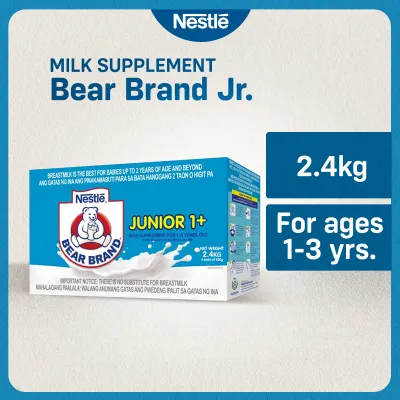
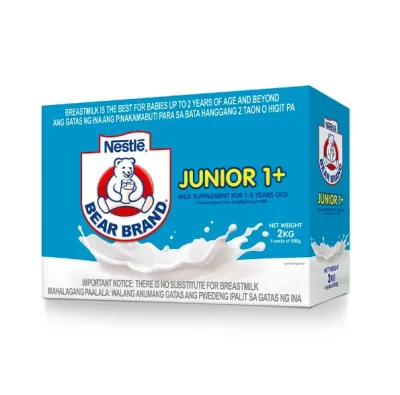
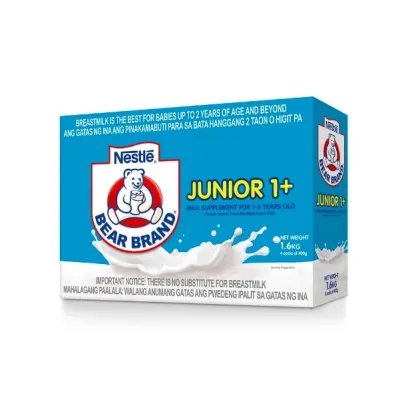
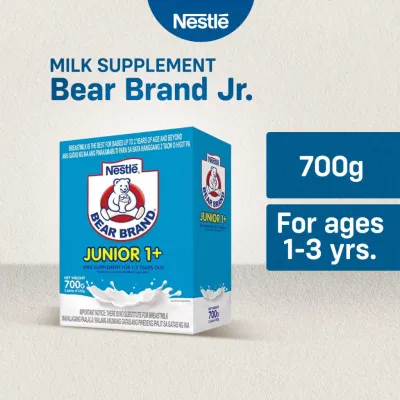
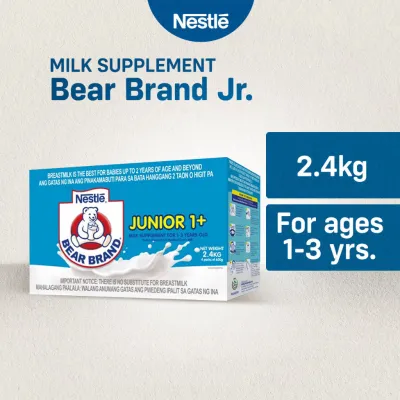
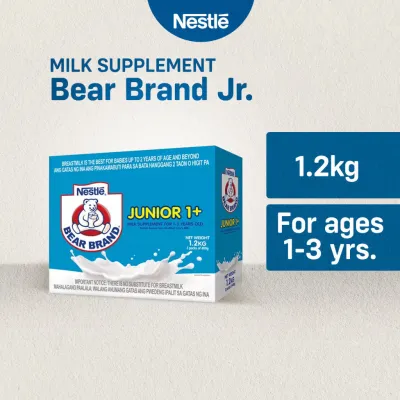
Prices are valid at publication and may change. Please refer to the product page for the latest price.

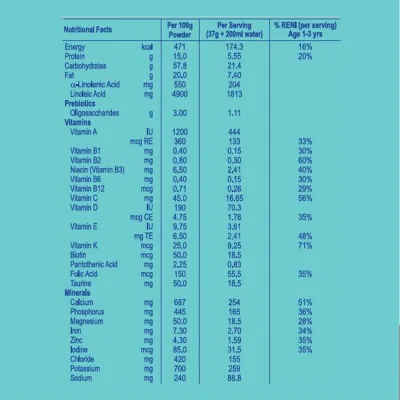
When holding a milk box or tin, your first step should be checking the micronutrient panel. Look closely at the percentages and absolute values of essential nutrients like calcium, iron, zinc, and vitamin D. Calcium is vital for developing strong bones and teeth, while iron and zinc support cognitive development and immune function. A good junior milk should provide a meaningful percentage of the daily recommended intake for these specific nutrients in each serving.
Another critical factor is the presence of added sugars, which can impact your child’s long-term dental health and dietary habits. In the humid, tropical climate of the Philippines, sweet drinks can be highly appealing to toddlers, but excessive sugar intake can lead to energy crashes and a preference for sweet foods over nutritious meals. To identify added sugars, look at the ingredient list, where items are listed in descending order by weight. If ingredients like sucrose, corn syrup solids, maltodextrin, or fructose appear near the top of the list, the product contains a higher proportion of added sugars. Always compare the total carbohydrate and sugar content per serving across different brands to make a healthier choice.
Bear Brand Jr vs Nido vs Enfagrow: Comparing the Labels
To make an objective comparison between Bear Brand Jr, Nido, and Enfagrow, you must look directly at the packaging data of the specific variants available in local stores. Marketing campaigns often highlight unique ingredients, but the nutrition facts table and the ingredient list provide the raw, unregulated truth about what goes into your child’s cup. Because formulations can change, always verify the labels of the exact boxes or tins you are planning to purchase.
Nutritional Fortification and Added Sugars
When evaluating the nutrient matrices of these three brands, pay close attention to the exact milligram or microgram values of key fortifications per serving. For instance, look at the amount of Docosahexaenoic Acid (DHA), an omega-3 fatty acid often highlighted in premium formulations like Enfagrow. Compare this value against the DHA content in Nido or Bear Brand Jr to see if the difference justifies the price gap. Similarly, check the levels of iron and vitamin C, as vitamin C helps the body absorb iron more efficiently.
Equally important is the sugar profile of each milk. Some brands may use lactose (the natural sugar found in milk) as their primary carbohydrate source, while others may add sucrose or corn syrup solids to enhance flavor and solubility. In the Philippines, where sweet-style foods are common, choosing a junior milk with lower added sugars can help prevent early childhood tooth decay and encourage a preference for natural flavors. Carefully read the ingredient list of each brand to spot these hidden sugars and compare the “Total Sugars” line on the nutrition facts panel to see how much sugar is packed into each glass.
Digestibility and Taste Acceptance
No matter how nutritionally complete a junior milk appears on paper, it will not benefit your child if they refuse to drink it or if it upsets their stomach. Taste preferences and gut tolerance are highly individual, and what works perfectly for one toddler might cause digestive discomfort for another. Because of this, it is highly recommended to purchase smaller packs, boxes, or single-use sachets first before investing in large, expensive tins.
When introducing a new junior milk brand, closely monitor your child for any observable signs of digestive intolerance. Keep an eye out for changes in stool consistency, such as sudden diarrhea or constipation, as well as physical discomforts like bloating, excessive gas, or unusual fussiness after feeding. If you observe any of these signs, or if your child develops skin rashes or vomiting, stop using the milk immediately and consult your pediatrician to rule out allergies or lactose sensitivity.
Age Stages and Serving Sizes
As children grow, their nutritional requirements shift significantly, which is why manufacturers design different formulations for specific age brackets. Always check the recommended age range printed clearly on the front of the packaging to ensure you are buying the correct stage for your child. Feeding a toddler a formulation meant for an older child, or vice versa, can lead to an imbalance in nutrient intake.
Additionally, do not assume that one scoop of powder from one brand is equivalent to a scoop from another. Recommended serving sizes, scoop volumes, and the amount of water required vary widely across Bear Brand Jr, Nido, and Enfagrow. Some brands may require four scoops per glass, while others might require up to six. This variation not only affects the concentration of nutrients your child receives but also plays a massive role in how quickly you will empty a single pack.
Calculating the True Cost Per Serving
Many parents make the mistake of comparing junior milk brands solely by the retail price of the box or tin. However, because package weights and recommended scoop sizes vary, a cheaper upfront price does not always translate to a lower cost over time. To manage your family budget effectively, you need to calculate the true cost per serving using a simple formula.
To find this, use the following calculation:
Cost per Serving = Total Pack Price (₱) / Number of Servings per Pack
To determine the number of servings in a pack, look at the nutrition facts panel for the “Servings Per Container” line. If this is not listed, you can calculate it yourself by dividing the total net weight of the package (in grams) by the weight of a single serving (also in grams) as specified in the preparation instructions. For example, if a 900g pack requires 30g of powder per serving, it contains exactly 30 servings. If the pack costs ₱450, your cost per serving is ₱15.
When performing this calculation, remember to factor in the physical scoop size and the number of scoops required per glass. A brand that seems highly economical might require more scoops per serving, meaning you will run through the package much faster than a slightly more expensive brand that uses smaller or fewer scoops.
To optimize your household expenses, keep an eye on local supermarket promotions, wholesale clubs, and official brand stores on legitimate online marketplaces. Buying in bulk or purchasing bundle packs often yields a lower cost per gram, but always ensure you can store the milk properly. In the humid Philippine climate, open milk powder can easily absorb moisture and clump, so only buy bulk quantities that you can store in airtight containers and consume before the expiration date.
Decision Framework: How to Choose Based on Your Priorities
To finalize your choice, it helps to align your decision with your family’s specific priorities, your child’s health needs, and your pediatrician’s guidance. Use the following conditional framework to guide your purchase:
- Choose Bear Brand Jr if: Your primary goal is to find an affordable, everyday nutritional supplement that focuses on basic micronutrient fortification—such as iron, zinc, and vitamin C—to support a child who already eats a relatively balanced solid-food diet, and your household budget requires a highly economical cost per serving.
- Choose Nido if: You are looking for a mid-range option that balances cost with specialized ingredients, such as specific prebiotics or immune-support nutrients, and your child prefers a creamier taste profile without experiencing any digestive issues.
- Choose Enfagrow if: Your pediatrician has recommended a formula with a highly specific nutrient profile, such as higher levels of DHA for cognitive support, and your family budget comfortably accommodates a premium price per serving.
- Verify first if: Your child has a history of food allergies, lactose intolerance, or other specialized medical conditions. In these cases, never rely on standard junior milks without first consulting a qualified pediatrician or pediatric gastroenterologist. They can recommend specialized, hypoallergenic, or lactose-free formulas tailored to your child's medical needs.
Once you have selected a brand based on these priorities, start by purchasing the smallest available packaging size. Introduce the milk gradually, monitor your child’s digestion and appetite for solid foods, and ensure they continue to enjoy a diverse diet of fruits, vegetables, and proteins.
Frequently Asked Questions (FAQ)
Can junior milk replace regular meals for toddlers?
No, junior milk cannot and should not replace regular, solid meals. It is designed strictly as a nutritional supplement to help fill minor dietary gaps. As toddlers grow, they need to develop oral motor skills and healthy eating habits by consuming a variety of solid foods. Signs that your child is getting adequate nutrition include steady weight gain, active energy levels, and normal developmental milestones. If your child consistently refuses solid foods in favor of drinking milk, consult your pediatrician to address potential feeding difficulties or behavioral habits.
How do I know if my child is intolerant to a specific milk brand?
Signs of milk intolerance or allergy can manifest shortly after consumption or develop over a few days. Common observable symptoms include skin reactions like hives or eczema, digestive distress such as vomiting, severe diarrhea, painful bloating, or excessive gas, and respiratory issues like wheezing or chronic nasal congestion. If you observe any of these symptoms after introducing a new junior milk brand, stop using the product immediately and seek professional medical advice from your pediatrician to identify the exact cause and find a safe alternative.

Community discussion
Share your experience or ask a question. Comments are reviewed before publication.