
Finding the perfect diaper for an active baby requires balancing absorbency, structural fit, and skin compatibility. When comparing Bean Cloud XL with established household names like Pampers, Huggies, and budget-conscious alternatives like Equator, there is no single universal winner. Instead, the ideal choice depends on your baby’s unique body shape, skin sensitivity, and your family’s daily routine. In tropical climates like the Philippines, where high humidity and heat can quickly lead to skin irritation, selecting a diaper that keeps moisture away from the skin while maintaining a secure, comfortable fit is paramount.
Comparing the Contenders: Brand Positioning and XL Specifications
Understanding how each brand positions its products helps narrow down your choices before you even look at a diaper shelf. Pampers and Huggies are global legacy brands with extensive research and development histories, offering highly standardized sizing and specialized lines for different developmental stages. Bean Cloud represents a newer wave of diaper brands, often distributed through online marketplaces, focusing on ultra-thin profiles and modern aesthetic designs. Equator is positioned as a highly economical choice, designed primarily to offer basic protection at a lower price point, making it a frequent choice for daytime use where changes are more frequent.
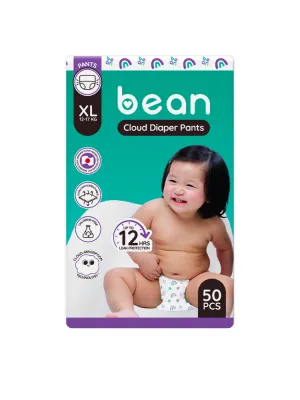
Sizing is not completely uniform across these brands, making it essential to verify the manufacturer’s stated weight range for the XL size on each package. One brand’s XL might cover 12 to 17 kilograms, while another might specify 13 to 18 kilograms. A baby’s physical build—whether they have chunky thighs or a slender waist—also dictates how a specific brand’s XL fits. Checking these metrics prevents premature leaks caused by a diaper that is either too small or too loose.
Products mentioned in this guide
![[Bundle of 2] bean Cloud Diapers Pants 3XL (30s) - 60 pcs](https://img.lazcdn.com/g/p/dd88d21bd75ebe74052b7d6f2d9c426f.jpg_400x400q80.jpg_.webp)
![[Bundle of 4] bean Cloud Diapers Pants Large (9-14 kg) - 120 pcs](https://img.lazcdn.com/g/p/5af92d049d8b5987c2b223db9c0b4a20.png_400x400q80.png_.webp)
![[Bundle of 2] Cloud Diaper Pants XL - Big Pack (100s)](https://img.lazcdn.com/g/p/44163b961f25b6a29b8f7baea641e724.jpg_400x400q80.jpg_.webp)
Prices are valid at publication and may change. Please refer to the product page for the latest price.
Manufacturers design diapers with specific use cases in mind, which are typically detailed in their product descriptions. Some lines are optimized for overnight use with enhanced absorbent cores, while others prioritize thinness and flexibility for active daytime play. Reviewing these intended use cases ensures you do not accidentally use a light daytime diaper for a long night’s sleep.
To manage your household budget effectively, calculate the cost per unit rather than comparing package prices directly. Take the total price of the pack in Philippine Pesos (₱) and divide it by the number of diapers inside. This baseline cost-per-diaper helps compare the true value of premium options like Pampers or Bean Cloud against budget-friendly choices like Equator, allowing you to plan your monthly expenses accurately.
Evaluating Absorbency: Core Materials and Leak Guards
Absorbency relies heavily on the core construction of the diaper. Modern disposable diapers use a combination of fluff pulp and Superabsorbent Polymer (SAP). SAP consists of small spheres that absorb liquid and turn it into a gel, preventing wetness from squeezing back out under pressure. Premium brands often use advanced SAP distribution channels to prevent sagging and clumping. When examining Bean Cloud XL, look at whether the core is designed as a thin composite sheet or a traditional pulp-mix core. Traditional cores in brands like Pampers and Huggies often utilize proprietary channel designs to distribute liquid evenly from front to back.

Wetness indicators are a convenient feature to check for when comparing these brands. These chemical strips run down the center of the diaper and change color when exposed to moisture. Verify if the specific line of the brand you are purchasing includes this feature, as some basic or budget lines may omit it to reduce manufacturing costs.
Leak guards and standing leg cuffs serve as the secondary line of defense against messes. These are the elasticized barriers that wrap around the baby’s thighs. They should be made of hydrophobic non-woven fabric that repels liquid, forcing it back into the absorbent core. When comparing brands, look for double-layered cuffs that offer a snug but gentle seal around the legs.
Regardless of a diaper’s maximum absorbency capacity, pediatricians generally recommend changing a diaper every two to three hours during the day, or immediately after a bowel movement. In warm, humid environments, leaving a wet diaper on for extended periods increases the risk of diaper dermatitis, regardless of how advanced the absorbent core is. Reviewing manufacturer guidelines on maximum wear time helps set realistic expectations for overnight use.
Assessing Fit and Comfort: Waistbands, Cuffs, and Skin Contact
Fit is determined largely by the waistband and side panels. Active babies who are crawling, cruising, or walking require a diaper that moves with them. Look at the elasticity of the waistband. Some diapers feature a 360-degree elastic waistband, often found in pants-style diapers, while others rely on stretchable tape tabs. A wide, high waistband helps prevent blowouts at the back, especially when the baby is sitting or active. Compare the stretch tension: a waistband that is too tight can leave red marks and cause discomfort, while one that is too loose will sag and leak.
The materials touching the baby’s skin must be exceptionally soft to prevent chafing. Manufacturers often use thermal-bonded or spunbond non-woven fabrics for the topsheet. Breathability is equally critical; the backsheet should feature micro-pores that allow heat and moisture vapor to escape while keeping liquid water contained. In tropical climates, a highly breathable backsheet is vital to prevent heat rash.
Dermatological and hypoallergenic claims on packaging should be verified carefully. Look for certifications from recognized dermatological bodies or clear ingredient lists that confirm the absence of elemental chlorine, latex, parabens, and added fragrances. If your baby has highly sensitive skin, introduce any new brand gradually to monitor for localized allergic contact dermatitis.
Decision Framework: Matching the Right Diaper to Your Baby
To make the best decision, match your baby’s daily routine and physical characteristics to the strengths of each brand. Consider Bean Cloud XL if you prefer an ultra-thin, lightweight diaper for daytime wear, particularly if your baby has a body shape that fits well within their specific XL dimensions and you prefer purchasing through online marketplaces.
Opt for Pampers or Huggies if you require a highly reliable, widely tested diaper for overnight use or long outings. Their established distribution networks mean you can easily find replacements in local supermarkets or convenience stores during emergencies.
Choose Equator if your primary goal is managing costs during high-frequency daytime changing schedules. Using a more economical diaper for quick daytime changes and saving premium brands for overnight wear is a practical strategy used by many parents.
Always prioritize your baby’s skin health. If you notice persistent redness, chafing, or rash that does not resolve with standard barrier creams, consult a pediatrician to identify potential material sensitivities before purchasing diapers in bulk.
Frequently Asked Questions (FAQ)
How do I know if the XL size is the right fit for my baby?
Look for physical indicators. First, check for red marks or deep indentations on your baby’s thighs, hips, or waist after removing the diaper; these suggest the diaper is too tight and it is time to size up. Second, perform the two-finger test: you should be able to slide two fingers comfortably under the fastened waistband. Finally, if you experience frequent leaks or blowouts despite proper application, the diaper’s volume capacity or physical dimensions may no longer match your baby’s growth stage.
Why do diapers leak even when they are not fully saturated?
Leaks often occur due to application errors rather than a lack of absorbency. Always ensure that the inner leg cuffs are flared outward rather than tucked inward against the skin, as tucked cuffs create a direct path for moisture to escape. Symmetrical fastening is also crucial; the adhesive tapes must be secured evenly on both sides to maintain a balanced seal. Lastly, if your baby’s weight is near the upper limit of the manufacturer’s XL range, their body shape or movement style may cause the diaper to shift, necessitating a transition to a different size or fit style.
Community discussion
Share your experience or ask a question. Comments are reviewed before publication.