
Choosing between Bean Cloud, Pampers, and Huggies depends on your baby’s specific skin sensitivity, movement level, and your family’s budget. Since diaper performance varies significantly by individual baby, there is no single universal winner. In the tropical climate of the Philippines, where high humidity and heat are constant factors, finding the right diaper is crucial for keeping your baby comfortable and rash-free. Parents must balance absorbency, fit, and breathability to ensure their little one can move freely without experiencing leaks or skin irritation.
This guide provides a practical framework to help you evaluate these three popular brands based on product labels, packaging claims, and observable signs. By understanding what to look for on the packaging and how to monitor the diaper’s performance during daily use, you can make an informed decision tailored to your child’s unique needs. Rather than relying on generic recommendations, focusing on physical indicators and structured checks will help you find the most reliable option for your household.
Understanding Each Brand's Design Focus
Every diaper brand approaches baby comfort and leak protection with a slightly different design philosophy. Understanding these core focuses helps you narrow down which brand might align best with your baby’s current developmental stage and your daily routine.
Products mentioned in this guide
![[Bundle of 2] bean Cloud Fit Taped Diapers Small (4-8 kg) - 60 pcs](https://img.lazcdn.com/g/p/478688985ce425555446352d186aea3a.png_400x400q80.png_.webp)
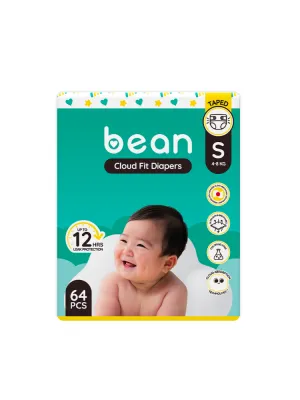
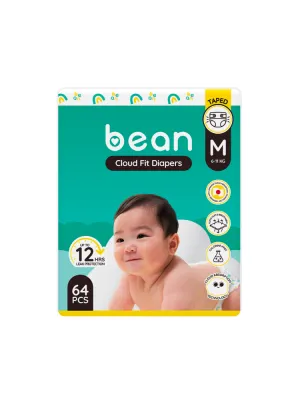
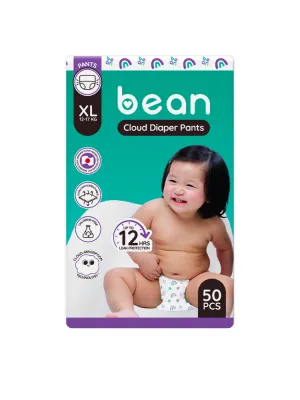
![[Bundle of 2] bean Cloud Diapers Pants Large (9-14 kg) - 60 pcs](https://img.lazcdn.com/g/p/d5ee28d7dae8a8b43cbed3a2a82f26df.png_400x400q80.png_.webp)
![[Bundle of 3] bean Cloud Diapers Pants Large (9-14 kg) - 90 pcs](https://img.lazcdn.com/g/p/3c9b8b1d907f55a21f8b7257de1e78c1.png_400x400q80.png_.webp)
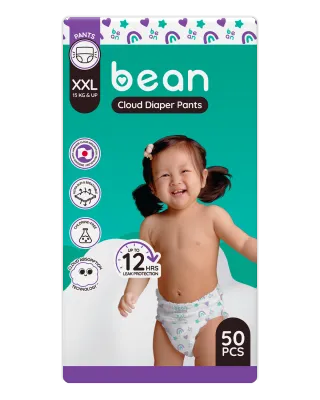
![[Bundle of 2] bean Cloud Diapers Pants XXL (15 kg and up) - 60 pcs](https://img.lazcdn.com/g/p/cdbf74ddada50ebb5000a953c49c965e.png_400x400q80.png_.webp)
Prices are valid at publication and may change. Please refer to the product page for the latest price.
Bean Cloud diapers generally focus on providing ultra-soft materials and lightweight structures. When evaluating this brand, parents should check the product packaging for claims regarding premium materials, softness, and specific design features aimed at sensitive skin. Look for mentions of breathable outer sheets and hypoallergenic linings, which are particularly beneficial in warm climates where heat and sweat can easily trap moisture against a baby’s delicate skin.
Pampers is known for offering a variety of product lines tailored to different stages and budgets. When shopping, guide yourself to identify their specific product lines, such as their premium tiers or standard dry options, and check the labels for features like wetness indicators and stretch technologies. Their design focus often emphasizes thinness and efficient liquid distribution, which aims to keep the diaper lightweight even when wet.
Huggies focuses heavily on secure fit and robust leak barriers, making them a popular choice for active babies. Instruct yourself to look for specific series features on the pack, such as pocketed waistbands designed to contain runny messes, or specific absorbent core technologies that pull wetness away quickly. Their designs often feature thick, stretchy waistbands and prominent leg cuffs to accommodate constant crawling, rolling, and walking.
How to Evaluate Absorbency and Leak Protection
Absorbency is the primary function of any diaper, but how a diaper handles liquid depends on its internal technology and how well it fits your baby’s body. To assess how effectively Bean Cloud, Pampers, or Huggies performs, you can perform several simple, observable checks during use.

First, check the packaging for the stated absorbent core technology and the manufacturer’s maximum wear time recommendations. Many brands advertise up to twelve hours of dryness, but these claims are tested under standardized conditions. In reality, your baby’s liquid intake, age, and activity level will dictate the actual wear time. Use the manufacturer’s guidelines as a starting point rather than an absolute rule.
Next, observe the diaper’s physical weight and sagging after a few hours of use. A high-quality absorbent core should distribute liquid evenly rather than letting it pool in one spot. If you notice the diaper sagging heavily between your baby’s legs while the front or back remains dry, the core may lack efficient distribution channels. Excessive sagging can pull the waistband down, creating gaps that lead to leaks.
Inspect the leg cuffs and waistband elasticity closely while your baby is moving. The elastic barriers around the thighs, often called double leak guards, should stand upright and wrap snugly around the legs without being too tight. If you notice gaps when your baby sits or crawls, liquid is highly likely to escape. A secure, flexible waistband is equally important, especially for babies who sleep on their backs and are prone to blowouts.
Finally, note any wetness indicator lines on the outside of the diaper. Verify if these lines accurately reflect the diaper’s internal saturation during your trial. A reliable wetness indicator changes color clearly when moisture is present, helping you avoid unnecessary changes while ensuring your baby does not sit in a fully saturated diaper for too long.
Assessing Fit, Comfort, and Skin Reactions
A diaper can have excellent absorbency, but if it does not fit well or causes skin irritation, it is not the right choice for your baby. Monitoring fit and skin health requires daily observation and a clear understanding of your baby’s physical cues.
Evaluate the waistband stretch and fastener adjustability to ensure a snug but comfortable fit. When fastening tape diapers, or pulling up diaper pants, you should be able to fit two fingers comfortably between the waistband and your baby’s stomach. Check the skin around the waist and thighs after removing the diaper. If you see deep red marks or indentations, the diaper is either fastened too tightly or it is time to transition to a larger size.
Check the inner lining texture by touch before putting the diaper on your baby. Run your fingers over the material to assess its softness and look for any textured patterns designed to minimize skin contact with wetness. Additionally, review the material list on the packaging for potential irritants, lotions, or fragrance disclosures. For babies with highly sensitive skin, unscented diapers with minimal chemical additives are generally safer options to prevent contact dermatitis.
Monitor your baby’s skin closely for redness, rashes, or irritation after switching to a new brand. Note the specific conditions under which these reactions occur. For instance, if redness only appears after overnight use, the diaper may not be breathable enough for extended wear, or the absorbency limit is being exceeded. If irritation occurs within hours of putting on a fresh diaper, your baby may be sensitive to the specific materials or fragrances used in that brand.
Always verify the sizing charts on the packaging, as weight ranges and actual physical fit can vary significantly between different brands. A size medium in one brand might run smaller or narrower than a size medium in another. If your baby is at the lower end of a weight range but has chubby thighs, you may need to size up to ensure comfort and prevent chafing.
Calculating Value and Checking Availability in the Philippines
Managing diaper expenses is a long-term consideration for parents. Finding a balance between performance and cost requires calculating the true value of each pack and ensuring you can easily restock when needed.
To find the true cost, calculate the cost per piece (₱) by dividing the total pack price by the diaper count. Compare this rate across different pack sizes, such as small travel packs versus bulk mega packs, as well as across different product tiers within the same brand. Often, buying in bulk offers a lower cost per piece, but you should avoid purchasing large quantities until you are certain the brand fits your baby well and does not cause skin irritation.
Check local supermarkets, pharmacies, and official brand stores on major e-commerce platforms for consistent stock and bundle promotions. In the Philippines, diaper availability can sometimes fluctuate, so choosing a brand that is easily accessible in your local physical stores or through verified online flagship stores prevents last-minute emergencies. Buying from official stores also ensures you receive genuine products rather than counterfeit items.
Consider the frequency of changes required when calculating overall value. A lower-priced diaper might seem economical at first glance, but if it saturates quickly and requires twice as many changes as a premium option, you will consume the pack much faster. A slightly more expensive diaper with superior liquid retention may actually cost you less over the course of a month because you use fewer pieces per day.
Look for official authenticity markers and authorized seller badges when buying online. Counterfeit diapers may use substandard materials, lack proper absorbent polymers, or contain harsh chemicals that can harm your baby’s skin. Ensuring the product comes from a reputable source is essential for maintaining safety and performance.
Decision Framework: Matching the Diaper to Your Baby
To help you decide which brand to try first, consider how each option aligns with your baby’s physical characteristics and your family’s specific priorities.
Choose Bean Cloud if your priority is checking for ultra-soft materials and you prefer verifying premium skin-friendly claims directly on the packaging. This brand is highly suitable for parents who want a lightweight, soft diaper that minimizes friction against delicate skin, making it a strong candidate for newborns or babies prone to mild chafing.
Choose Pampers if you need widely available options with clear wetness indicators and want to compare their specific tiered product lines for day or night use. This brand is ideal for parents who value convenience, easy purchasing options across the Philippines, and the ability to choose between everyday value lines and premium overnight options.
Choose Huggies if your baby is highly active and you want to test their specific waistband and leg cuff designs for physical leak prevention. If your baby is constantly on the move, crawling, or climbing, the secure fit and pocketed waistbands of this brand can provide the structural support needed to prevent active leaks.
Regardless of the brand you choose, verify first if your baby has diagnosed skin conditions or severe allergies. Always consult a pediatrician before relying solely on marketing claims for sensitive skin, as professional medical guidance is essential for managing chronic skin issues.
Frequently Asked Questions (FAQ)
How often should I change my baby's diaper regardless of the brand?
As a general recommendation, check your baby’s diaper every 2 to 3 hours and change it immediately after a bowel movement. Leaving a soiled diaper on for too long is the leading cause of diaper rash, regardless of how absorbent the brand claims to be. Rely on the diaper’s physical weight and wetness indicators rather than a strict, fixed time limit to determine when a change is necessary. For overnight use, the frequency depends on your baby’s sleep patterns and the specific night-time diaper’s stated capacity on the label; if your baby sleeps comfortably without leaking, you can generally wait until morning to change them.
Can I mix different diaper brands for day and night use?
Yes, mixing different diaper brands is generally safe as long as your baby does not show adverse skin reactions to either material. Many parents find it practical to use a more cost-effective, lightweight diaper for frequent daytime changes when they can monitor and change the baby quickly. They then switch to a higher-capacity, premium diaper for overnight use to ensure uninterrupted sleep. When introducing a new brand into your daily rotation, monitor your baby’s skin closely for a few days to ensure they tolerate both materials well.

Community discussion
Share your experience or ask a question. Comments are reviewed before publication.