
Finding the right diaper pants in the Philippines requires balancing comfort, absorbency, and cost, especially given the country’s high humidity and warm climate. While Bean Cloud, Pampers, and Huggies are all popular options among local parents, the best diaper pants for your baby depend entirely on their unique body shape, skin sensitivity, and your daily budget. There is no universal winner; instead, success lies in matching a diaper’s specific design features to your baby’s physical needs and monitoring how their skin reacts during daily wear.
Understanding the Core Differences in Fit and Design
Diaper pants rely heavily on the stretchiness of the waistband to stay secure while your baby crawls, walks, or plays. Parents should physically inspect the waistband of Bean Cloud, Pampers, and Huggies to see how easily they stretch and whether the gathers are soft to the touch. A waistband that is too stiff can cause discomfort, especially when your baby sits down after a heavy meal.
Leg cuffs are equally important for preventing leaks and blowouts. Double leak guards around the thighs should sit flat against the baby’s skin rather than bunching up. When evaluating different brands, check if the elastic gathers around the legs are flexible enough to accommodate your baby’s movements without leaving deep marks.
Products mentioned in this guide
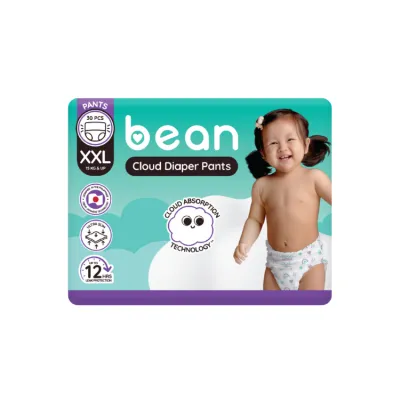
![[Bundle of 2] bean Cloud Diapers Pants Large (9-14 kg) - 60 pcs](https://img.lazcdn.com/g/p/d5ee28d7dae8a8b43cbed3a2a82f26df.png_400x400q80.png_.webp)
![[Bundle of 3] bean Cloud Diapers Pants Large (9-14 kg) - 90 pcs](https://img.lazcdn.com/g/p/3c9b8b1d907f55a21f8b7257de1e78c1.png_400x400q80.png_.webp)
![[Bundle of 2] bean Cloud Diapers Pants XXL (15 kg and up) - 60 pcs](https://img.lazcdn.com/g/p/cdbf74ddada50ebb5000a953c49c965e.png_400x400q80.png_.webp)
![[Bundle of 5] bean Cloud Diapers Pants XXL (15 kg and up) - 150 pcs](https://img.lazcdn.com/g/p/dc1a949def23842e0242c51a6b5383cc.png_400x400q80.png_.webp)
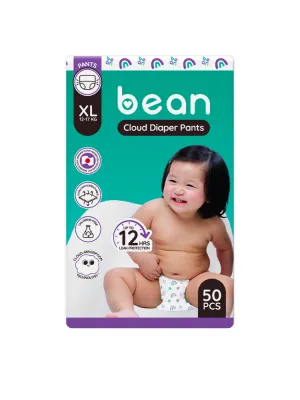
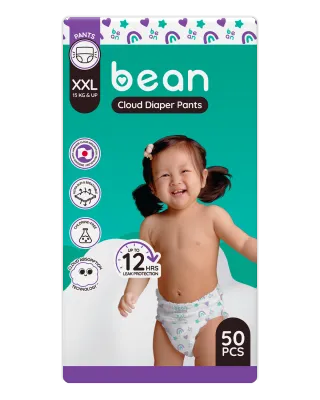
Prices are valid at publication and may change. Please refer to the product page for the latest price.
Every manufacturer provides a weight guideline on their packaging, but weight is only one part of the equation. A baby with chubby thighs might require a larger size than a baby of the same weight with a leaner build. Parents should cross-reference their baby’s current weight and physical proportions with the specific brand’s size chart before purchasing.
Observable signs of a poor fit are the most reliable indicators that a diaper is not right for your baby. Look out for red marks around the waist or thighs, which indicate the elastic is too tight. Conversely, gaps between the diaper and the skin around the legs suggest the diaper is too loose, which will inevitably lead to leaks during active play.
Evaluating Absorbency and Skin Comfort
In a tropical climate, heat and moisture can quickly build up inside a diaper, increasing the risk of diaper rash. Parents should examine the product packaging for key features such as wetness indicators, breathable outer covers, and specific core materials designed to lock away moisture. These features help keep your baby dry and comfortable throughout the day.

Dermatological testing labels and hypoallergenic claims on the packaging are helpful indicators of skin-friendliness, especially if your baby has sensitive skin. However, these labels are only a starting point, as every baby’s skin reacts differently to various materials, elastics, and fragrances.
To assess real-world performance, observe the diaper’s surface dryness after overnight or heavy use. Gently touch the inner lining during a change; a high-performing diaper core should keep the surface relatively dry to the touch. Additionally, check if the diaper sags heavily or clumps up when wet, as this can restrict your baby’s mobility and cause chafing.
If you notice persistent redness, bumps, or chafing, these are clear signs of skin irritation. In such cases, discontinue using that specific brand immediately. Keep the skin clean and dry, and consult a pediatrician to address potential contact dermatitis or allergic reactions.
Comparing Price and Value per Diaper
Managing household expenses means looking closely at the cost per piece rather than the total price of a pack. To calculate this, divide the total price of the diaper pack in ₱ by the number of diapers inside. This simple calculation reveals the true cost and helps you compare Bean Cloud, Pampers, and Huggies accurately across different retailers.
While buying bulk packs or mega-packs from local supermarkets or official online stores usually offers a lower cost per piece, it carries a risk for new users. If your baby suddenly outgrows the size or develops a skin reaction, you may be left with unused diapers. It is wiser to start with smaller packs when testing a new brand.
Additionally, consider the frequency of changes required by each brand. A slightly cheaper diaper that requires more frequent changes to prevent leaks or dampness may end up costing more in the long run than a slightly more expensive diaper that keeps your baby dry for longer periods. Balance the upfront cost per diaper with the actual performance you observe during daily use.
Decision Framework: Which Brand Should You Choose?
Choosing between these three brands requires a systematic approach based on your baby’s physical build, skin tolerance, and your family’s shopping habits.
Consider Bean Cloud diaper pants if you are looking for a specific sizing profile that matches your baby’s current measurements and if the brand is easily accessible through your preferred local online marketplaces. This brand may appeal to parents who prioritize a lightweight design for daytime wear in warm weather.
Opt for Pampers diaper pants if your baby’s body shape aligns well with their standard, widely distributed fit. Pampers is highly accessible in most physical supermarkets and convenience stores across the country, making it a convenient choice for families who travel frequently or prefer not to rely solely on online deliveries.
Select Huggies diaper pants if your baby is highly active and requires a robust waistband design or reinforced leg guard structures to prevent leaks during movement. The physical build of Huggies often suits babies who need a more structured, secure wrap around the hips and thighs.
Regardless of the brand you choose, always verify the material list on the packaging if your baby has a history of sensitive skin. If you suspect an allergy to specific elastics, fragrances, or adhesives, consult a healthcare professional before committing to a specific brand.
Practical Tips for Testing and Transitioning
Transitioning to a new diaper brand should always be done gradually to protect your baby’s skin and your budget. Start by purchasing the smallest available trial pack or travel pack of Bean Cloud, Pampers, or Huggies. This minimizes financial waste if the diaper does not fit well or causes skin irritation.
During the first few days of the trial, closely monitor your baby during active play and sleep. Check for any leaks, sagging, or blowouts, which are clear indicators of an improper fit or inadequate absorbency. Inspect the skin during every diaper change for any signs of redness, especially around the waistband and thigh cuffs.
If your baby develops a persistent rash, hives, or extreme discomfort, stop using the new diaper pants immediately. Revert to your previous trusted brand or leave the skin bare to breathe, and seek professional medical advice from a pediatrician if the irritation does not subside within a few days.
Frequently Asked Questions (FAQ)
How do I know if my baby needs to size up in diaper pants?
Your baby may need a larger size if you notice deep red marks or indentations on their thighs or waist after wear. Frequent leaks, blowouts, or difficulty pulling the diaper pants up over your baby’s hips are also clear physical signs that it is time to transition to the next size up on the manufacturer’s chart.
Can I mix different diaper brands for day and night use?
Yes, mixing diaper brands is a practical and cost-effective strategy for many parents. You might choose a highly absorbent, structured diaper pants brand for overnight use to ensure uninterrupted sleep, while opting for a lighter, more breathable, and budget-friendly brand during the day when changes are more frequent. Always monitor your baby’s skin health to ensure both brands are well-tolerated.
Community discussion
Share your experience or ask a question. Comments are reviewed before publication.