
Choosing the right diaper for your baby is rarely about finding a single, universally perfect brand. Instead, it is a practical process of matching a diaper’s specific design, fit, and cost to your baby’s current developmental stage, skin sensitivity, and your household budget. While newer options like Bean Cloud introduce specific material claims to the market, established household names like Pampers and Huggies offer extensive size ranges and specialized sub-lines, and Equator often appeals to budget-conscious daily routines. Because independent, standardized performance tests are not universally available for every batch, finding the ideal match requires looking past marketing slogans. This guide focuses on how to verify packaging claims, evaluate physical features, and apply a conditional decision framework to choose the right option for your baby’s daily needs in a warm, humid climate.
Key Factors to Compare When Choosing a Diaper
To make an informed choice, parents must look at objective criteria rather than relying solely on brand popularity. In tropical climates where heat and humidity are constant factors, diaper performance directly impacts your baby’s comfort and skin health. Evaluating a diaper involves analyzing four primary pillars: absorbency, material feel, structural fit, and overall value.
Absorbency and wetness indicators are the first line of defense against leaks and skin irritation. When examining diaper packaging, look for descriptions of the core material, such as superabsorbent polymers (SAP) or specialized distribution layers designed to pull moisture away from the skin. A reliable wetness indicator—typically a line on the outside of the diaper that changes color when wet—helps caregivers identify exactly when a change is needed, preventing prolonged exposure to moisture.
Products mentioned in this guide
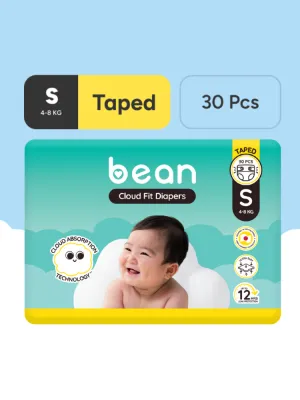
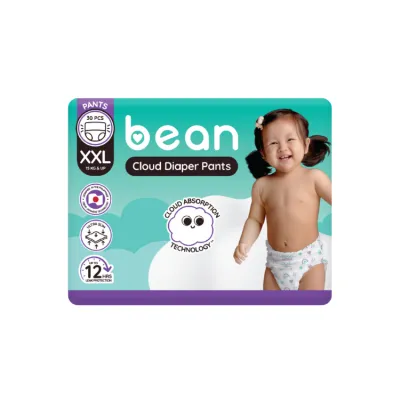
![[Bundle of 2] bean Cloud Diapers Pants Large (9-14 kg) - 60 pcs](https://img.lazcdn.com/g/p/d5ee28d7dae8a8b43cbed3a2a82f26df.png_400x400q80.png_.webp)
![[Bundle of 3] bean Cloud Diapers Pants Large (9-14 kg) - 90 pcs](https://img.lazcdn.com/g/p/3c9b8b1d907f55a21f8b7257de1e78c1.png_400x400q80.png_.webp)
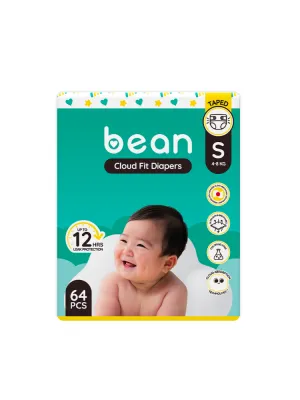
Prices are valid at publication and may change. Please refer to the product page for the latest price.
Softness and breathability are equally critical, especially in warm weather where trapped heat can quickly lead to discomfort. Parents should check material labels for terms like “breathable outer cover” or “cottony-soft sheets.” At home, you can perform a simple touch test by running your fingers along the inner lining and stretching the waistband to ensure there are no rough edges or stiff plastics that could chafe your baby’s delicate skin.
Fit and leak protection depend heavily on the diaper’s physical construction. A well-designed diaper features highly elastic waistbands and double-layered leg cuffs that gently hug your baby’s thighs without leaving deep red marks. Always refer to the manufacturer’s weight range guidelines printed on the packaging, keeping in mind that a baby’s unique body shape—such as chubby thighs or a round tummy—can affect how a diaper fits even if they fall within the recommended weight limit.
Finally, calculating the cost per piece is essential for managing a household budget. Rather than comparing the total price of a pack, divide the retail price in ₱ by the number of diapers inside. This simple calculation reveals the true value of each diaper, allowing you to compare standard daily-use options with premium overnight variants accurately.
Evaluating the Contenders: What to Check on the Packaging
Because independent laboratory tests are not publicly available for every diaper batch, parents must become adept at reading packaging labels and inspecting physical products. Each brand presents distinct design philosophies and material specifications that cater to different parenting priorities.

Bean Cloud Diapers
When evaluating Bean Cloud diapers, pay close attention to the specific material and construction claims printed on the packaging. This brand often highlights ultra-thin designs and advanced core technologies. Check the ingredient or material list on the box for mentions of hypoallergenic materials, breathable backsheets, or specialized top sheets designed to minimize friction against sensitive skin.
Proper sizing is crucial for newer brands that may have different cut patterns compared to traditional market leaders. Verify the exact weight ranges for each size on the Bean Cloud packaging, as some parents find that newer brands can run slightly smaller or larger than expected. When opening a new pack, observe the physical thickness of the diaper; an ultra-thin profile can be highly beneficial for airflow in humid weather, but you should verify that the core texture feels uniform and that the waistband offers sufficient stretch without feeling flimsy.
Pampers, Huggies, and Equator
Established brands like Pampers and Huggies offer a wide array of sub-lines, which requires careful differentiation. When browsing these brands, check the packaging for specific variants such as premium “sensitive skin” lines, “active play” designs, or heavy-duty “overnight” options. These sub-lines utilize different materials and core thicknesses to target specific times of the day or developmental milestones.
Compare the physical construction of these established options against budget-friendly alternatives like Equator. Look closely at the leg cuff designs and waistband flexibility; premium lines often feature wider, more elasticized barriers to contain messes during active movement. Additionally, check if the wetness indicator is present across all sizes, as some budget lines or larger sizes in standard lines may omit this feature to keep costs down.
The price per piece differences in ₱ between these brands can be substantial. Standard daily-use tiers from Equator or basic lines from Pampers and Huggies are generally priced for frequent daytime changes. In contrast, premium overnight tiers command a higher price per piece in ₱ due to their enhanced absorbent cores and specialized materials. Noting these differences helps you decide whether to use a single brand all day or mix and match based on the time of day.
Decision Framework: Matching the Diaper to Your Baby's Needs
No single diaper brand is the absolute best choice for every family. The right decision depends on your baby’s skin sensitivity, daily activity levels, and your financial plan. By matching these factors to the strengths of each brand, you can establish a comfortable and cost-effective diapering routine.
Consider trying Bean Cloud diapers if you are interested in testing a newer brand’s specific material claims, such as an ultra-thin core or specialized softness, and your baby does not have a history of severe skin sensitivities. This option is particularly appealing for parents seeking lightweight designs that prioritize airflow during hot, humid days.
Opt for Pampers or Huggies if your priority is wide availability, consistent sizing, and a diverse selection of specialized sub-lines. These brands are highly reliable if you need a dedicated, highly absorbent diaper for overnight sleep or if your baby is crawling and walking, requiring advanced stretch and leak guards that stay secure during constant movement.
Choose Equator if managing your household budget is your primary constraint. Because babies require frequent changes throughout the day to maintain hygiene and prevent diaper rash, a highly cost-effective option like Equator is ideal for daytime use, where diapers are changed every few hours regardless of how full they are.
Before making any major brand transition, always verify if your baby has a history of contact dermatitis or highly reactive skin. Introducing a new material or adhesive can sometimes trigger localized irritation. If your baby has extremely sensitive skin, it is highly recommended to consult a pediatrician before switching to an entirely new brand or material to ensure the transition is safe and comfortable.
Purchasing Safely and Verifying Authenticity
Ensuring the authenticity of your baby’s diapers is critical for preventing skin irritation and chemical sensitivities. Counterfeit or poorly stored diapers can harbor moisture, mold, or harsh chemical residues that pose risks to your baby’s health.
To guarantee you are receiving genuine products, prioritize purchasing from official brand stores, authorized supermarkets, and verified flagship stores on major e-commerce platforms. Avoid buying from unverified third-party sellers who offer unusually low prices, as these products may be counterfeit, expired, or stored in damp warehouses that compromise the diaper’s materials.
Upon receiving a new delivery, inspect the packaging integrity immediately. Check for sealed outer plastic, clear batch codes, and legible manufacturing dates. When you open the pack, the diapers should have a clean, neutral scent and a consistent texture. If you notice a strong chemical odor, unusual stiffness, or if the absorbency differs significantly from previous batches, stop using the diapers immediately and contact the manufacturer’s customer service for verification.
Frequently Asked Questions (FAQ)
How do I know if a diaper brand is causing a rash?
Distinguishing between standard diaper rash and a reaction to a specific diaper material requires careful observation. Monitor when the redness or irritation appears; if a rash develops suddenly after switching to a new brand, the materials or fragrances in that specific diaper may be the cause. Conversely, if the rash correlates with dietary shifts, teething, or prolonged periods between changes, it is more likely caused by moisture or friction. Always ensure your baby’s skin is completely dry before putting on a new diaper, and consult a pediatrician if the rash persists, worsens, or shows signs of infection.
Should I size up if my baby gets frequent leaks?
Frequent leaks are often a sign that it is time to adjust the diaper size rather than a failure of the brand’s absorbency. Check your baby’s actual weight and thigh circumference against the guidelines printed on the diaper box. If your baby is near the upper limit of the weight range, or if you notice deep red marks around their thighs or waist, sizing up is usually the best solution. Additionally, ensure the leg cuffs are fully pulled out and flared after fastening, and that the waistband is snug but allows two fingers to fit comfortably. If leaks only occur at night, consider using a dedicated overnight variant in the next size up.
Community discussion
Share your experience or ask a question. Comments are reviewed before publication.