
Choosing a breast pump in the Philippines is a highly personal decision that directly impacts your daily comfort and breastfeeding longevity. With the rise of modern, wearable technology, options like the Bean breast pump have become popular alternatives to traditional, tubed electric pumps. However, the ideal device is not about finding a universally superior brand; instead, it is about matching a pump’s specific features to your daily routine, physical comfort, and budget. By understanding how to compare these devices, you can make an informed investment that supports your milk expression goals.
Defining Your Pumping Goals and Daily Routine
Your daily schedule is the most critical factor when choosing between different breast pump styles. If you are returning to an office environment or frequently commuting through busy transit systems in tropical heat, a wearable, hands-free pump offers significant advantages. These compact devices fit directly inside your nursing bra, allowing you to express milk discreetly without being tethered to a wall outlet or holding bottles in place.
Conversely, if you primarily pump at home or have a dedicated, private lactation room at your workplace, a traditional double electric pump might serve you better. These models often feature larger, more robust motors that can handle frequent, heavy-duty use. If you are exclusively pumping—meaning your baby receives all their milk via bottles—you will need a durable motor designed for multiple daily sessions. Occasional pumpers, who only need to relieve engorgement or build a modest freezer backup, can often rely on simpler, highly portable wearable models.
Products mentioned in this guide

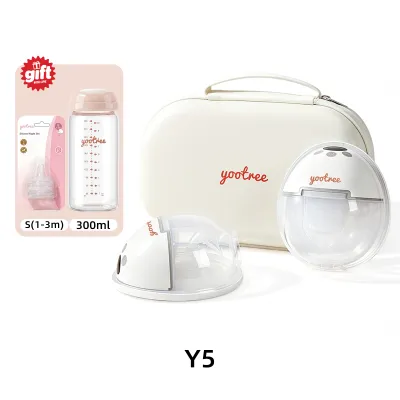
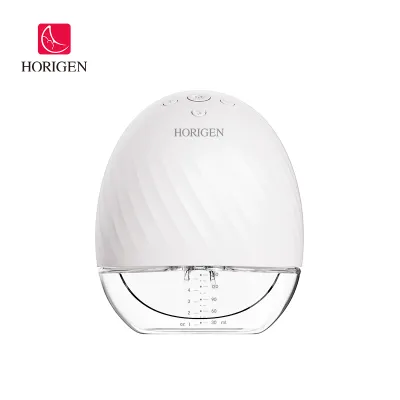
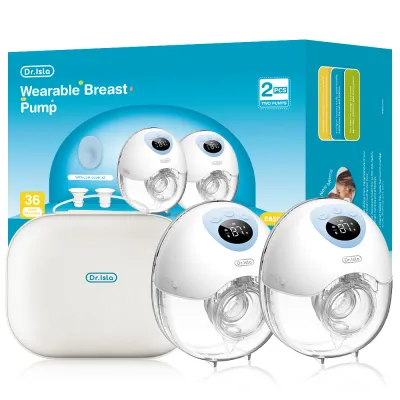
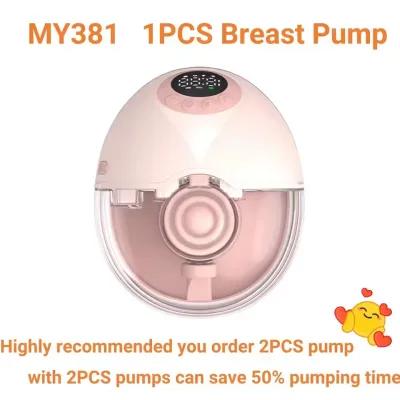
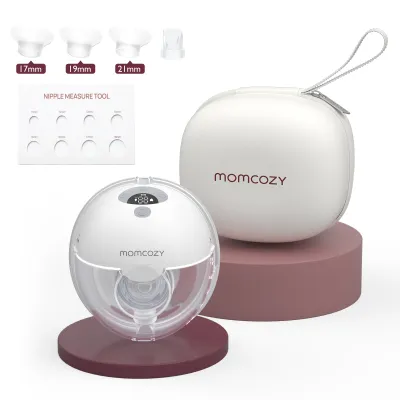
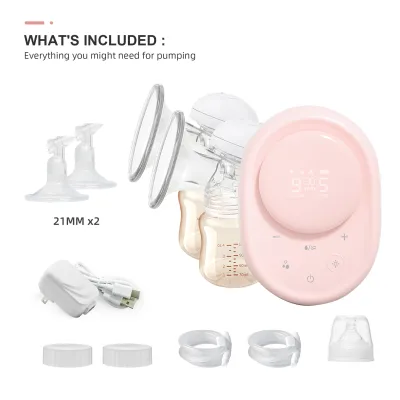
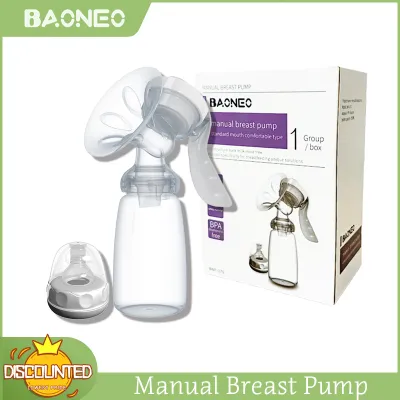
Prices are valid at publication and may change. Please refer to the product page for the latest price.
Noise level is another practical consideration for busy moms. If you need to pump during virtual meetings, in a shared office space, or next to a sleeping baby, look for pumps that specify low decibel levels in their product manuals. Wearable pumps generally operate more quietly than large tabletop models, but they may still produce a soft humming sound that you should factor into your environment.
Feature Comparison: Bean Breast Pump vs. Market Alternatives
When comparing the Bean breast pump to other brands on the market, physical specifications and compatibility should guide your evaluation. Flange sizing is the foundation of comfortable and efficient pumping. A flange that is too large or too small can cause friction, pain, and clogged milk ducts. Many wearable pumps come with a standard 24mm or 27mm flange, but you must check if the manufacturer offers smaller sizing inserts (such as 17mm, 19mm, or 21mm) or if the tunnel design accommodates third-party silicone inserts.

Battery performance is another area where wearable and portable pumps vary widely. Because wearable pumps rely entirely on internal rechargeable batteries, you should check the manufacturer’s rated battery capacity, usually listed in milliampere-hours (mAh). A higher capacity generally translates to more pumping sessions per charge. Additionally, verify the charging interface; USB-C ports offer the greatest flexibility, allowing you to recharge using standard phone chargers, laptops, or car adapters while on the go.
Hygiene and safety should never be compromised, especially in warm, humid climates like the Philippines where moisture can quickly lead to mold. Always verify that the pump utilizes a closed-system design. A closed system features a physical barrier, such as a silicone diaphragm, that prevents expressed milk and condensation from entering the tubing or the motor unit. This design keeps the motor clean, prevents cross-contamination, and ensures that the milk remains safe for your baby. Open-system pumps lack this barrier and require meticulous cleaning of the internal tubing, making them less practical for busy lifestyles.
Evaluating Suction Performance and Comfort
Suction strength and cycle patterns directly influence how quickly and comfortably you can express milk. Most modern electric breast pumps feature dual-phase technology. The first phase is the stimulation or massage mode, which uses fast, light suction cycles to mimic a baby’s rapid sucking at the start of a feed, triggering your milk ejection reflex (letdown). The second phase is the expression mode, which transitions to slower, deeper suction cycles to efficiently draw out the milk.
When looking at product manuals, check the range of adjustable suction levels. A pump with multiple micro-settings allows you to fine-tune the pressure to your exact comfort level on any given day. Suction pressure is measured in millimeters of mercury (mmHg), with personal-use pumps typically ranging from 100 mmHg to 300 mmHg. It is a common misconception that stronger suction yields more milk; in reality, excessive suction causes pain, which triggers stress hormones that can actively inhibit your milk letdown.
Prioritize safety by checking for official electrical and material certifications on the product packaging. Ensure that all parts coming into direct contact with breast milk are certified BPA-free. If you experience persistent pain, skin chafing, or bruising during or after a pumping session, stop using the device immediately. These symptoms often indicate an incorrect flange size or excessive suction settings, and you should consult a certified lactation consultant or healthcare professional to adjust your setup.
Assessing Value, Warranty, and Replacement Parts
The true cost of a breast pump extends beyond its initial retail price in Philippine Pesos (₱). When comparing the Bean breast pump to other brands, look closely at what is included in the starter kit. A package that includes spare valves, multiple flange sizes, storage bottles, and a travel pouch offers higher immediate value than a bare-bones pump that requires you to purchase these essential accessories separately.
Warranty coverage is a critical safeguard for your investment. Electric pump motors are complex electronic devices that can occasionally malfunction. Review the manufacturer’s warranty terms, paying close attention to the duration of the coverage and the specific process for claiming a replacement or repair. Brands with official local distributors in the Philippines generally offer faster, more reliable customer support and warranty processing compared to overseas sellers where shipping times can disrupt your pumping schedule.
Furthermore, consider the long-term availability and cost of replacement parts. Wearable components like silicone duckbill valves, diaphragms, and tubing are consumables that naturally stretch, wear down, or tear over time. Before purchasing any pump, search reputable e-commerce platforms and authorized brand stores to ensure that replacement parts are affordable and consistently in stock. If a brand’s replacement parts are difficult to source locally, a minor tear in a cheap valve could render your entire pump unusable for weeks.
Decision Framework: Which Pump Fits Your Situation?
To finalize your decision, create a checklist based on your daily routine and physical needs. The Bean breast pump is highly suitable if you prioritize a lightweight, wearable design that slips easily into your nursing bra, and if its battery capacity matches your typical time away from a power outlet. It is an excellent option for moms who need to pump discreetly at work, during commutes, or while managing household chores.
On the other hand, alternative brands—especially established double electric tabletop models—may be a better fit if you require hospital-grade suction metrics, have highly sensitive breast tissue that requires specialized flange shapes, or prefer the security of a brand with physical service centers in major Philippine cities. These traditional models are often preferred by exclusive pumpers who prioritize motor durability and rapid double-pumping efficiency over portability.
Before making your final purchase, check if you have specific anatomical considerations, such as flat or inverted nipples, which might require specialized flange inserts or specific suction patterns. Additionally, verify if your employer’s health initiatives, local HMO plans, or health insurance policies offer any subsidies or reimbursements for specific categories of breast pumps, as this can significantly offset your out-of-pocket expenses.
Frequently Asked Questions (FAQ)
How often should I replace breast pump parts like valves and membranes?
Silicone parts such as duckbill valves, backflow protector membranes, and tubing lose their elasticity over time due to regular stretching and frequent washing. For exclusive pumpers, it is generally recommended to replace duckbill valves every 1 to 2 months, and backflow membranes every 2 to 3 months. If you pump occasionally, these parts can last between 4 to 6 months. Always inspect your parts regularly for tiny tears, warping, or a cloudy appearance, as even microscopic damage can cause a noticeable drop in suction power. Refer to your pump’s user manual for the manufacturer’s recommended replacement schedule.
Can I use a standard power bank to charge my portable breast pump?
You can often use a standard power bank to charge a portable breast pump, but you must first verify the voltage and amperage requirements printed on the pump’s charging port or in the user manual. Most portable pumps require a standard 5V input. Using an incompatible fast-charging power bank or a charger with incorrect voltage can overheat the pump’s internal lithium-ion battery, permanently degrade its capacity, or damage the motherboard. To protect your device and keep your warranty valid, always use the charging cable supplied by the manufacturer and check the power bank’s output specifications before connecting it.

Community discussion
Share your experience or ask a question. Comments are reviewed before publication.