
Comparing Bbay wipes to other baby wipe brands for sensitive skin requires looking closely at ingredient transparency, material texture, and moisture retention rather than relying on generic labels. While Bbay wipes offer an accessible option for daily diapering, their suitability for highly reactive skin depends on how your baby’s unique skin barrier reacts to their specific formulation compared to ultra-minimalist water-based alternatives. Parents must weigh these physical and chemical properties to find a balance that prevents irritation without compromising on cleaning efficiency.
In a warm and humid climate like the Philippines, baby skin is highly susceptible to heat rash, chafing, and diaper dermatitis. Excess moisture trapped in skin folds, combined with the friction of frequent diaper changes, can quickly compromise a baby’s delicate skin barrier. Choosing the right wipe is not just about cleaning messes; it is about maintaining the skin’s natural defenses under challenging environmental conditions.
Key Factors to Evaluate for Sensitive Skin Wipes
Evaluating baby wipes requires looking past front-of-pack marketing claims and focusing on verifiable product characteristics. The first and most critical factor is ingredient transparency. Parents should look for brands that clearly list every component on the packaging, allowing them to identify potential allergens such as drying alcohols, parabens, phenoxyethanol, and synthetic fragrances. A transparent ingredient list helps you make informed decisions based on your baby’s specific skin sensitivities.
Products mentioned in this guide
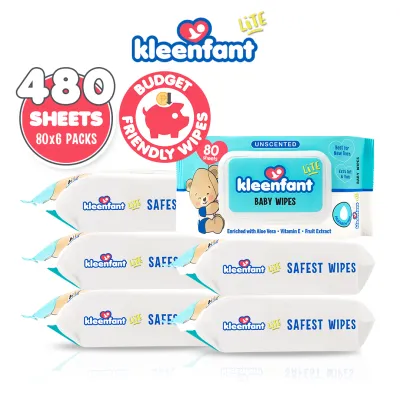
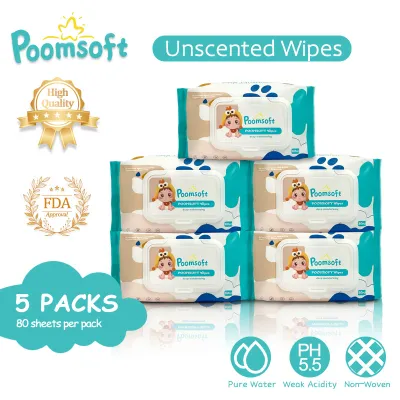
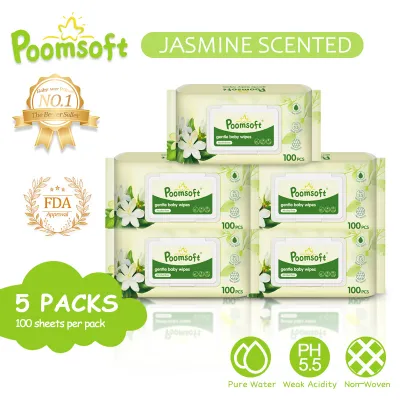
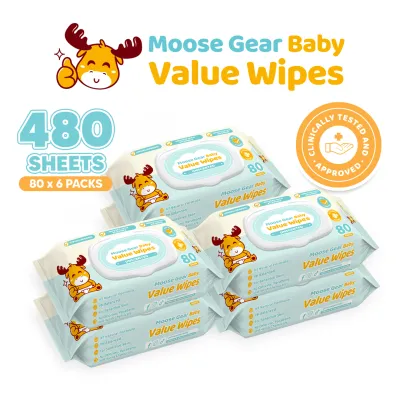
![[Bundle of 6] bean Baby Wipes Fragrance Free 6 x 100 sheets](https://img.lazcdn.com/g/p/e8f0200d9e122dde52d016c8672d9a03.png_400x400q80.png_.webp)
![[Bundle of 6] bean Baby Wipes Powder Scent 6 x 100 sheets](https://img.lazcdn.com/g/p/275f2e2c0e18c2d656e9599c12c03b05.png_400x400q80.png_.webp)
Prices are valid at publication and may change. Please refer to the product page for the latest price.
The material and texture of the wipe play a significant role in physical skin irritation. Wipes are typically made from either plant-based fibers, such as viscose or cotton, or synthetic polyester blends. Plant-based fibers generally offer a softer texture and better liquid absorption, which helps lift messes with minimal friction. Synthetic blends may be highly durable and stretch-resistant, but they can sometimes feel rougher on compromised skin, leading to micro-tears and redness during repeated wiping.
Moisture levels and pH balance are equally vital for preserving the skin barrier. A baby’s skin has a naturally acidic pH, which helps protect against harmful bacteria and yeast. Wipes formulated to match this natural pH support the skin’s defense mechanisms. Furthermore, the wipe must have the right level of liquid saturation; wipes that are too dry require excessive rubbing, while those that are overly wet can leave a damp residue that promotes fungal growth in tropical humidity.
Comparing Bbay Wipes Against Popular Alternatives
When evaluating Bbay wipes alongside other popular alternatives in the local market, parents must weigh physical performance against chemical gentleness. Different brands prioritize different aspects of the wipe, from ultra-minimalist water formulations to sheets enriched with soothing botanical extracts.

Ingredient Profiles and Fragrance-Free Claims
Verifying claims like “hypoallergenic” or “dermatologically tested” requires a close look at the actual ingredient deck on the back of the pack. These terms are not universally standardized, meaning one brand’s definition of gentle may still include ingredients that trigger reactions in highly sensitive individuals. Parents should cross-reference the ingredient lists of Bbay wipes and competing brands to identify any potential sensitizers.
Many baby wipes include soothing agents like aloe vera, chamomile, or vitamin E to help calm irritated skin. While these botanical extracts can benefit normal skin, they can occasionally act as allergens for babies with active eczema or highly reactive skin barriers. In contrast, some competing brands offer ultra-minimalist formulas containing 99% water and a single, mild food-grade preservative. For babies with highly compromised skin, a shorter, simpler ingredient list is often safer because it minimizes the number of potential chemical triggers.
Preservatives are necessary in wet wipes to prevent the growth of harmful mold and bacteria once the package is opened. However, the type of preservative used matters significantly. Parents should compare the preservative systems of Bbay wipes against other brands, looking for mild alternatives and avoiding older, harsher preservatives like methylisothiazolinone, which has a well-documented history of causing contact allergies in sensitive individuals.
Moisture Levels, Texture, and Wipe Durability
The physical performance of a wipe during diaper changes directly impacts how gentle it is on the skin. A high-quality wipe should be thick enough to act as a barrier between your hand and the mess, preventing breakthrough while ensuring a clean sweep. Embossed or honeycombed textures are particularly effective because they trap residue easily, reducing the number of passes required to clean the skin.
Moisture retention is another critical point of comparison. Wipes that dry out quickly inside the packaging become abrasive and lose their cleaning efficacy, forcing parents to use more pressure. Conversely, wipes that are too wet can leave the diaper area damp, which is highly problematic in humid environments. Comparing how well Bbay wipes maintain their moisture from the first sheet to the last sheet against other brands helps determine their practical value.
Durability and stretch are also important trade-offs to consider. Ultra-soft, 100% biodegradable plant fibers are incredibly gentle on the skin but may tear more easily when pulled from the dispenser or during a heavy cleanup. Synthetic-reinforced wipes offer excellent tensile strength and rarely tear, but they may not glide as smoothly over irritated skin. Parents must decide whether their priority is maximum softness or high tear resistance for daily use.
How to Check Labels and Spot Potential Irritants
To protect your baby’s skin, develop a habit of reading the ingredient list on the back of the package before making a purchase. Ingredients are listed in descending order of concentration, meaning the first few items make up the bulk of the liquid formula. Typically, water is the primary ingredient, followed by humectants like glycerin or propylene glycol, which help keep the skin hydrated.
When scanning the label, look out for red-flag ingredients that are best avoided for sensitive skin. These include simple alcohols (often listed as alcohol denat or ethanol), which strip natural oils and dry out the skin. Synthetic fragrances or perfumes should also be avoided, as they are among the most common causes of allergic contact dermatitis. If your baby has extremely sensitive skin, look for formulations that explicitly omit essential oils, as these natural scents can still cause irritation.
Even when using a highly rated wipe, parents must monitor their baby’s skin closely after diaper changes. If you notice persistent redness, swelling, dry patches, or a bumpy rash that does not improve with standard diaper cream, stop using the wipes immediately. Switch to using clean, dry cotton cloths or cotton balls moistened with plain water. If the irritation persists for more than a few days, or if you notice signs of infection like blisters or pus, consult a pediatrician for professional guidance.
Decision Framework: Which Wipe Fits Your Baby's Needs?
Choosing between Bbay wipes and alternative brands depends on your baby’s specific skin responses, your daily routine, and your cleaning preferences. There is no single option that suits every infant, so a conditional approach is the most practical way to make a decision.
- Choose Bbay wipes if: Your baby has normal to mildly sensitive skin, tolerates their specific ingredient profile without redness, and you need a reliable, cost-effective wipe for routine daily cleanups.
- Choose alternative water-based wipes if: Your baby has highly reactive skin, frequent diaper rashes, or diagnosed eczema, and requires an ultra-minimalist formula with zero botanical extracts or added fragrances.
- Verify first if: Your baby has an active, severe skin condition or broken skin. In these cases, consult a pediatrician or pediatric dermatologist before using any commercial wet wipe, as they may recommend using sterile water and cotton pads temporarily.
Before committing to bulk purchases on online marketplaces, it is highly advisable to buy small trial packs of 10 or 20 wipes. This allows you to conduct a patch test on a small area of your baby’s arm or leg over a few days. Observing how your baby’s skin reacts to a small sample prevents waste and ensures you do not end up with a large stock of wipes that cause irritation.
Frequently Asked Questions (FAQ)
Can I use Bbay wipes on my baby's face and hands?
You should check the manufacturer’s packaging for specific instructions regarding facial use. The skin on a baby’s face, particularly around the mouth and eyes, is thinner and more sensitive than the skin on the diaper area. If the wipes contain added fragrances, essential oils, or certain botanical extracts, it is best to avoid using them on the face to prevent eye irritation or accidental ingestion. For hands and face, look for wipes specifically labeled as safe for facial use, or use a clean, damp washcloth.
Are water-based wipes always better for sensitive skin than botanical wipes?
Water-based wipes are not universally better, but they generally carry a lower risk of triggering allergic reactions. Wipes formulated with 99% water and a minimal preservative system contain fewer chemical compounds, reducing the likelihood of contact dermatitis. Botanical wipes containing ingredients like chamomile, aloe vera, or calendula can be highly soothing for babies with normal skin, but those very same plant extracts can act as active allergens for infants with compromised skin barriers or specific botanical sensitivities.
How should I store baby wipes to maintain their moisture and prevent bacterial growth?
To keep baby wipes fresh and safe, always seal the plastic lid or resealable sticker tightly immediately after pulling out a sheet. Store the packages in a cool, dry place away from direct sunlight, especially in warm tropical climates. Avoid leaving wipe packs in hot areas, such as inside a parked car, as high temperatures can dry out the liquid and compromise the preservative system, potentially allowing harmful bacteria or mold to grow inside the pack.

Community discussion
Share your experience or ask a question. Comments are reviewed before publication.