
A basket-style or structured baby carrier can be safe for a newborn, but only if it is specifically designed or adapted to support an infant’s fragile anatomy. Unlike older babies who can sit upright independently, newborns lack neck control, have highly flexible airways that can easily collapse, and possess developing hip joints that require precise positioning. Before placing your newborn in any structured carrier, you must verify that the product is rated for your baby’s current weight and developmental stage, and that it keeps their airway completely clear and unobstructed.
In tropical climates like the Philippines, choosing and using a baby carrier requires extra vigilance. High humidity and heat can quickly cause a newborn to overheat, especially when nestled closely against your body inside a structured carrier. Understanding how to balance physical support with proper ventilation is essential for keeping your baby safe and comfortable during daily activities.
Understanding Basket Carriers and Newborn Needs
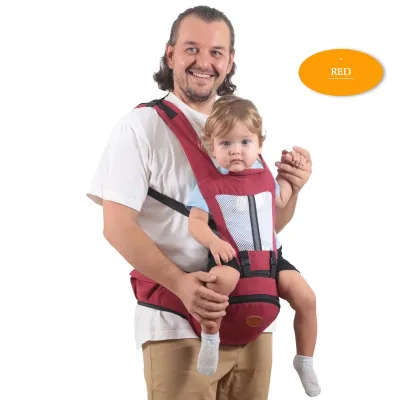
To make an informed decision, it is important to distinguish basket-style or structured carriers from soft wraps and ring slings. Structured carriers, often referred to as soft structured carriers (SSCs) or basket-style carriers, typically feature rigid or semi-rigid frames, padded shoulder straps, a structured waist belt, and a defined seat bucket. While these features provide excellent weight distribution for the wearer and great support for older babies, they do not automatically conform to a newborn’s tiny, delicate body the way a soft fabric wrap does.
Products mentioned in this guide


Prices are valid at publication and may change. Please refer to the product page for the latest price.
A newborn baby has unique physical vulnerabilities that demand specialized support. At birth, an infant’s spine is shaped like a gentle C-curve, and they do not have the muscle strength to hold their head upright. If a carrier’s seat is too wide, it can force the baby’s legs into a straight, dangling position that puts stress on their developing hip joints, potentially leading to hip dysplasia. Conversely, if the carrier body is too tall or lacks proper head support, the baby’s head can slump forward toward their chest, which can dangerously restrict their breathing.
Because of these physical factors, a carrier’s suitability must always be judged by your baby’s developmental stage and physical measurements rather than chronological age alone. A baby who is one month old but was born prematurely or has a lower birth weight will have very different support needs compared to a larger, full-term newborn of the same age. You must assess whether the carrier can be adjusted to fit your baby’s current size perfectly, ensuring that their head is fully supported and their legs are kept in a safe position.
Critical Safety Checks for Head, Neck, and Airway
When placing your newborn in a structured carrier, your primary focus must be on maintaining an open airway and supporting their head and neck. A newborn’s airway is about the width of a drinking straw and is highly flexible, meaning that if their chin slumps down toward their chest, the airway can easily kink and restrict their oxygen intake. To prevent this, the carrier must feature a firm, padded headrest or a dedicated newborn insert that supports the back of the head and neck without pushing the head forward.

You can verify proper airway clearance by performing a quick visual and physical check every time you secure your baby. The baby’s face must always be visible to you simply by looking down, and their nose and mouth must remain completely free of fabric, straps, or your clothing. A helpful rule of thumb is the “two-finger rule”: you should always be able to fit at least two fingers between your baby’s chin and their chest to ensure their airway remains open and uncompromised.
In addition to airway safety, you must check your baby’s hip and spine alignment inside the carrier. A safe newborn position is often described as the “M-position” or “frog-leg position,” where the baby’s knees are spread naturally, bent, and positioned higher than their bottom. The seat of the carrier must support the baby’s thighs from knee crease to knee crease without forcing the lower legs to turn inward or outward. This positioning supports the natural C-curve of the spine and promotes healthy hip joint development.
Reading Manufacturer Labels and Weight Limits
Before using any basket-style carrier, you must carefully read the manufacturer’s product labels, user manual, and safety warnings. Do not rely solely on promotional images or general product names, as these do not guarantee safety. Look specifically for the minimum weight limit, which is typically printed on a fabric tag sewn into the carrier or detailed in the instruction booklet. Many structured carriers have a minimum weight requirement of 3.2 kilograms (around 7 pounds) or more, which some newborns may not meet.
It is crucial to differentiate between broad marketing claims and actual tested safety specifications. A product description online might claim a carrier is “suitable from birth,” but the fine print in the manual may state that a separate newborn insert is required for babies under a certain weight. If the manufacturer specifies that an insert is necessary, you must never use the carrier without it, as the insert is designed to raise the baby higher in the carrier and provide the necessary lateral support.
When purchasing a carrier or an insert, verify whether the required accessories are included in your purchase or must be bought separately. In the Philippines, where families often purchase baby gear from various online marketplaces or local baby boutiques, it is easy to accidentally buy a secondhand or discounted carrier that is missing its original newborn insert. Always double-check that you have all the official, manufacturer-approved components before attempting to carry your newborn.
Warning Signs and When to Stop Using the Carrier
As a caregiver, you must remain highly attentive to your baby’s physical and behavioral cues while they are in the carrier. Some warning signs of airway restriction or physical distress are subtle and do not involve crying. For example, if you hear your baby making grunting, snoring, or whistling sounds, this is an immediate sign that their airway is partially obstructed, and you must remove them from the carrier immediately to reposition them.
Other physical red flags include changes in skin tone, such as paleness or a bluish tint around the lips, as well as excessive sweating or rapid breathing. In hot and humid tropical conditions, overheating is a significant risk that can lead to lethargy and respiratory distress. If your baby feels excessively hot to the touch, or if their skin appears flushed and damp, take them out of the carrier, move to a cooler or air-conditioned space, and allow them to cool down.
You must also watch for postural warning signs, such as the baby consistently sliding down into the body of the carrier, their head repeatedly falling forward, or their face becoming pressed against your chest. If you cannot maintain the correct “close enough to kiss” position—where you can easily kiss the top of your baby’s head simply by tipping your head forward—the carrier is not adjusted correctly. If you cannot achieve a secure, safe fit despite following the manual’s instructions, stop using the carrier and consult a pediatrician or a certified babywearing consultant for guidance.
Frequently Asked Questions (FAQ)
Do premature babies need special clearance before using a structured carrier?
Yes, premature babies or infants with low birth weight or underlying medical conditions require professional medical clearance before being placed in any structured baby carrier. A preemie’s chronological age does not accurately reflect their muscle development, neck strength, or airway stability. Because premature infants are at a higher risk for respiratory difficulties and positional apnea, you must consult your pediatrician to determine when your baby is developmentally ready and strong enough for a structured carrier.
How long can a newborn safely stay in a basket-style carrier at one time?
There is no universal time limit, but you should prioritize frequent visual checks and regular breaks based on your baby’s comfort and developmental needs. For newborns, it is generally recommended to limit carrier sessions to short intervals, taking the baby out every 30 to 45 minutes to stretch, change their position, and check their skin temperature. Regular breaks allow you to inspect their skin for any red marks from straps, ensure they are not overheating in humid weather, and give their developing spine and hips a rest from the upright position.
Community discussion
Share your experience or ask a question. Comments are reviewed before publication.