
Choosing how to organize and carry your baby’s essentials is one of the most practical decisions you will make as a parent. The debate between buying a standalone bag organizer for baby things to slip into an existing bag versus investing in a dedicated, built-in diaper bag comes down to a clear trade-off: wardrobe flexibility versus specialized, ergonomic utility.
A bag insert is the ideal choice if you want to keep using your favorite personal bags—such as a designer leather tote, a casual canvas handbag, or a partner’s standard backpack—and want the freedom to swap between them in seconds. On the other hand, a built-in diaper bag is highly recommended if you prioritize ergonomic weight distribution, heavy-duty durability, and integrated, specialized features like insulated bottle compartments and wipeable, weather-resistant materials. Neither option is universally superior; the correct choice depends entirely on your daily routine, your physical comfort, and how you prefer to carry your baby gear.
Bag Inserts vs. Built-In Organizers: Core Differences Explained
To make an informed choice, it is essential to understand how these two systems function structurally. A bag organizer for baby things is a self-contained, multi-pocketed caddy designed to sit inside the main compartment of an existing bag. It provides a grid of pockets, elastic loops, and zippered sections to keep diapers, wipes, and bottles upright. However, the insert itself has no carrying straps or protective outer shell; it relies entirely on your existing bag for structural support, closure, and transport. If your outer bag is soft or lacks a stable base, the insert may shift or sag under a heavy load.
Products mentioned in this guide
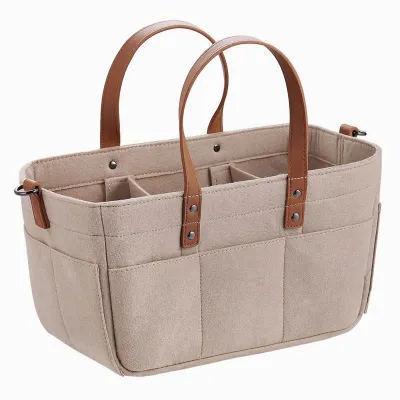
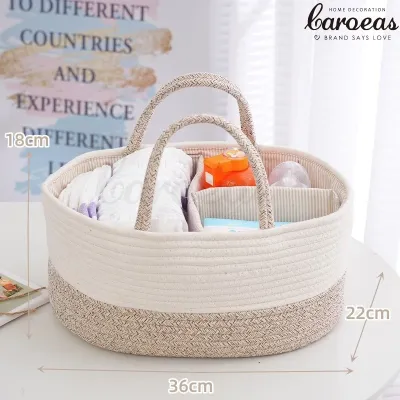
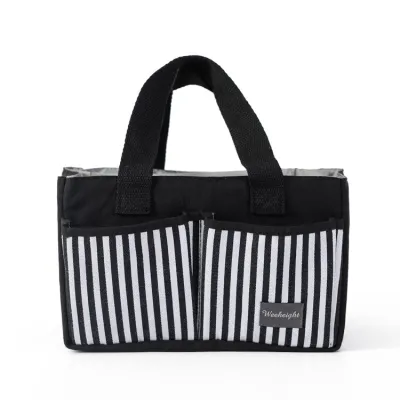
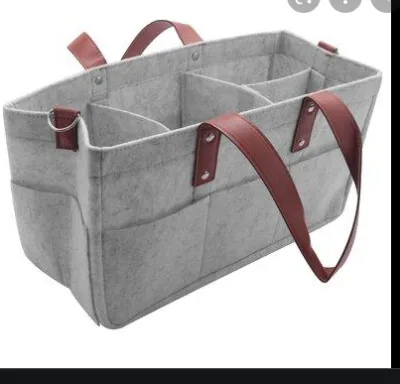
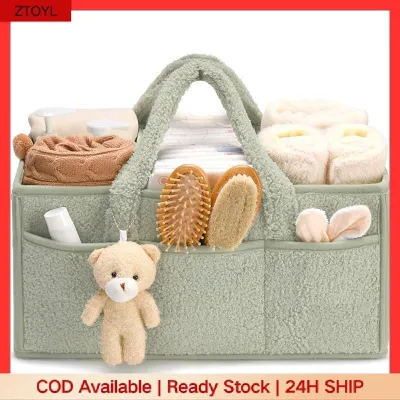
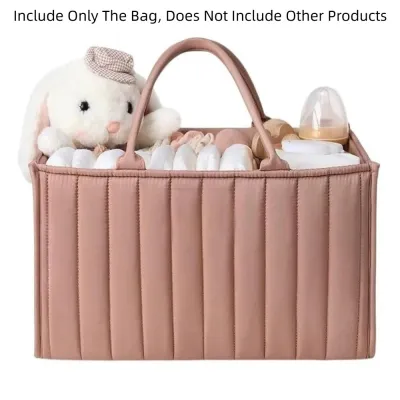
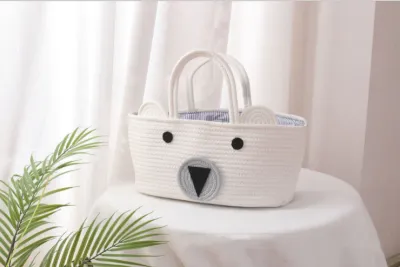
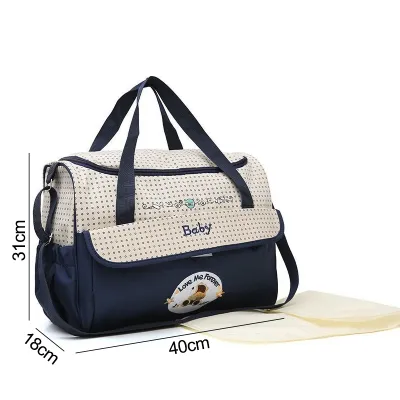
Prices are valid at publication and may change. Please refer to the product page for the latest price.
In contrast, a built-in diaper bag is engineered from the ground up specifically for parenting duties. Every pocket, zipper, strap, and seam is integrated directly into the bag’s structural design. These bags are manufactured using heavy-duty fabrics designed to withstand daily wear, heavy loads, and frequent cleaning. Because the organization is built directly into the walls of the bag, the overall structure remains stable even when packed to capacity. Understanding this fundamental difference in structural roles is key to evaluating how each option performs during daily use.
4 Key Factors to Compare Before You Buy
To determine which system will serve you best, you must evaluate how each option handles the practical, physical, and environmental demands of daily parenting. Consider these four essential performance dimensions before making your purchase.

Flexibility and Everyday Versatility
For many parents, the primary appeal of a separate bag organizer for baby things is the ability to maintain their personal style. If you have a collection of high-quality handbags, work totes, or backpacks, a removable insert allows you to transform any of them into a fully functioning baby bag instantly. This setup is particularly convenient for working parents who need to transition seamlessly from a professional office environment to baby care duty without the hassle of unpacking and transferring individual items from one bag to another. You simply lift the entire loaded insert out of your work tote and drop it into a weekend backpack.
This modular approach also simplifies co-parenting and sharing childcare duties. If you and your partner prefer different styles of bags—such as one preferring a sleek shoulder tote and the other a sporty backpack—you can share a single insert. The insert acts as a mobile packing station that can be passed back and forth, ensuring that whoever has the baby always has the exact same organization system on hand. Conversely, a built-in diaper bag locks you into a single aesthetic, size, and carrying style. While modern diaper bags are increasingly stylish and neutral, they cannot match the sheer variety and adaptability of using your own wardrobe.
Weight, Bulk, and Carrying Comfort
When packing for a baby, the weight of diapers, full water flasks, formula dispensers, baby food jars, and spare clothes adds up rapidly. Carrying this load daily can place significant physical strain on your neck, shoulders, and back. A separate bag insert inherently adds an extra layer of fabric, zippers, and padding inside your bag, which increases the baseline weight of your carry. Furthermore, if you place a heavy insert into a standard fashion tote with thin, unpadded leather or chain straps, the straps can cut painfully into your shoulders during long walks.
Built-in diaper bags are specifically engineered to distribute heavy loads comfortably across your body. High-quality diaper backpacks feature wide, contoured, and padded shoulder straps, breathable mesh back panels to prevent heat buildup, and occasionally chest straps to stabilize the load. They also frequently include integrated stroller straps or D-rings, allowing you to hang the bag securely from your stroller handlebar to offload the weight entirely. If you plan to carry baby gear for extended periods, walk long distances, or navigate public transit, the superior ergonomics of a built-in diaper bag are highly beneficial for preventing chronic physical fatigue.
Accessibility and Compartment Efficiency
When you are managing a diaper blowout or a hungry, crying baby in a public restroom, quick access to your gear is critical. Built-in diaper bags excel in this scenario because their pockets are sewn directly into the structural frame of the bag. This design allows pockets to stay open and accessible, even when the bag is resting on a flat surface. Many built-in models feature specialized, dedicated compartments, such as side pockets with built-in slit dispensers for baby wipes, waterproof wet-dry compartments for soiled clothes, and insulated pockets lined with thermal materials to keep milk bottles at the proper temperature.
While a high-quality bag organizer for baby things offers numerous pockets, its accessibility depends heavily on the outer bag. If the outer bag is made of a slouchy, unstructured material like soft canvas or thin leather, the sides of the bag may collapse inward, compressing the insert and making it difficult to slide items in and out with one hand. Additionally, inserts generally feature open-top pockets that lack specialized insulation or wet-dry separation. If you choose an insert, you may need to purchase separate insulated bottle sleeves or wet bags to handle specialized storage needs safely.
Cleaning, Spills, and Humid Weather Care
In a tropical climate characterized by high humidity and sudden rain showers, bag maintenance requires careful attention. Spilled breast milk, infant formula, or baby food can quickly sour and become a breeding ground for bacteria and mold if not cleaned immediately. Built-in diaper bags are typically constructed from water-resistant, wipeable synthetic fabrics like high-density polyester, nylon, or Oxford cloth. These materials allow you to easily wipe away spills with a damp cloth or baby wipe, and they dry quickly, reducing the risk of musty odors and mold growth.
If you use an insert, you must consider the material of both the insert and the outer bag. Many popular bag inserts are made of thick felt, which is excellent for structure but highly absorbent. If a bottle leaks inside a felt insert, the liquid can soak through the felt and penetrate the inner lining of your expensive outer handbag, potentially causing permanent stains, warping leather, or creating persistent odors. If you prefer the insert route, look for models made of water-resistant nylon or polyester with a sealed, waterproof base. Always check the manufacturer’s care instructions for both the insert and your outer bag to ensure they can handle damp environments and frequent spot cleaning.
Quick Comparison: Bag Insert vs. Built-In Diaper Bag
The table below summarizes the key structural, functional, and practical differences between a standalone bag insert and a built-in diaper bag to help you weigh your options.
| Feature / Dimension | Standalone Bag Insert | Built-In Diaper Bag |
|---|---|---|
| Best For | Parents wanting to use existing personal or designer bags | Parents needing a dedicated, durable, and ergonomic gear hub |
| Bag Switching Flexibility | High; easily transfers between different totes and backpacks | Low; locked into a single bag design and style |
| Weight Distribution | Dependent on outer bag; can cause shoulder strain with thin straps | High; features padded straps, chest clips, and stroller attachments |
| Specialized Baby Features | Basic pockets; usually lacks integrated insulation or wet zones | High; includes insulated bottle pockets, wipe dispensers, and wet zones |
| Cleaning & Maintenance | Removable for washing; risk of spills soaking into the outer bag | Wipeable, water-resistant fabrics; easy to clean and fast-drying |
| Weather Protection | Relies entirely on the water resistance of the outer bag | Typically rain-resistant with covered zippers and durable coatings |
The Decision Framework: Which Setup Fits Your Parenting Style?
To finalize your decision, assess your daily routine, your existing wardrobe, and your physical carrying preferences against these practical guidelines.
Choose a Bag Insert if:
- You already own high-quality bags: If you have a collection of comfortable backpacks or spacious totes that you love, a separate organizer allows you to utilize them without buying redundant gear.
- You require professional versatility: If you need to transition from client meetings to daycare pickups, an insert lets you use a professional leather tote for work and keep your baby essentials hidden but organized.
- You share carrying duties frequently: If you and your partner prefer using your own distinct bags, swapping a single packed insert between bags is highly efficient.
- Verification Step: Before purchasing an insert, measure the interior length, width, and height of your primary outer bags. Ensure the insert's dimensions are slightly smaller than the outer bag's interior to prevent stretching the seams or causing unsightly bulges.
Choose a Built-In Diaper Bag if:
- You carry heavy loads regularly: If you frequently pack heavy items like thermos flasks, multiple glass bottles, change of clothes, and large wipe packs, you need the padded straps and ergonomic support of a dedicated diaper backpack.
- You want specialized convenience: If you value having dedicated, insulated compartments to keep milk cool or warm, quick-access wipe pockets, and integrated stroller attachments, a built-in bag is unmatched.
- You want a single, worry-free baby hub: If you prefer to keep your baby gear permanently packed and ready to go in a durable, easy-to-clean bag that you do not mind getting dirty or wet.
- Safety Check: Ensure that any diaper bag or insert you select uses BPA-free, lead-free, and phthalate-free materials for all inner linings and insulated compartments to protect your baby's items from chemical contamination.
Smart Packing Tips for Any Baby Bag Setup
Regardless of which organization system you choose, implementing smart packing strategies will maximize your efficiency and keep your baby gear organized.
First, utilize small, color-coded, modular zippered pouches for tiny items that easily get lost in deep pockets. Use one pouch for health and hygiene items (such as diaper cream, baby sanitizer, nail clippers, and a digital thermometer), another for feeding accessories (such as pacifiers, pacifier clips, and bibs), and a waterproof wet bag for soiled clothes. This prevents small items from migrating to the bottom of the bag and makes them easy to locate in an emergency.
Second, establish a strict daily restocking routine. At the end of every outing, empty any trash, remove soiled clothes, and immediately replenish diapers, wipes, and formula portions. This simple habit ensures that your bag is always ready for unexpected departures and prevents you from running out of critical supplies while away from home.
Finally, if you choose to use an insert, regularly inspect the handles and seams of your outer bag. Standard fashion totes and casual backpacks are often not engineered to carry the concentrated weight of baby gear. Look for signs of stitching strain, fraying, or cracking along the strap attachments. If you notice any structural wear, reduce the weight of your packed insert or transition to a dedicated diaper bag with reinforced stitching to prevent sudden strap failure while carrying your child.
Frequently Asked Questions (FAQ)
Can I use a regular tote bag insert for baby items?
Yes, you can use a standard fashion tote bag insert, but it may lack the practical features required for baby care. Standard fashion inserts are typically made of felt or delicate fabrics designed to hold cosmetics, keys, and tablets. They generally lack water-resistant linings, insulated bottle pockets, or easy-wipe materials. For baby gear, it is highly recommended to choose an insert specifically designed for baby items to ensure it can handle accidental milk spills, damp clothes, and temperature control for bottles.
Do built-in diaper bags always include a changing pad?
While many high-quality, built-in diaper bags include a matching, fold-out changing pad, this is not a universal standard. Some budget-friendly models or minimalist diaper bags omit this accessory to save space or reduce costs. Always review the manufacturer’s product specifications and included accessories list before purchasing. If a changing pad is not included, you will need to purchase a separate, compact, wipeable changing mat to ensure you can perform hygienic diaper changes on the go.

Community discussion
Share your experience or ask a question. Comments are reviewed before publication.