
Quick Answer: Matching the Bag to Your Travel Style
When preparing for a trip with an infant or toddler, selecting the right baby bag for travel can directly impact how smoothly you navigate your journey. There is no single “best” baby bag that universally fits every family; the ideal choice depends entirely on your specific travel scenario, your mode of transit, and your personal parenting style.
For parents who prioritize hands-free mobility, active walking, or navigating busy public transportation, a backpack diaper bag is often the most practical option. If your travel involves short outings, quick flights, or a need for rapid, top-down access to diapers and wipes, a structured tote bag serves as an excellent companion. For long-haul journeys, extended family trips, or situations where you must carry heavy loads of formula, water, and multiple changes of clothing without straining your shoulders, a rolling bag offers unmatched relief on smooth airport floors.
Understanding the unique advantages and limitations of each style allows you to match your gear to your itinerary. This guide breaks down the practical performance, design features, and real-world trade-offs of backpacks, totes, and rolling bags to help you make an informed decision for your next family adventure.
Products mentioned in this guide
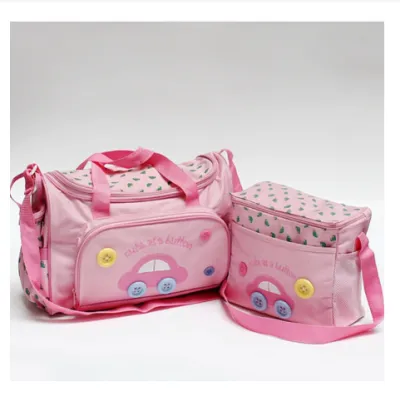
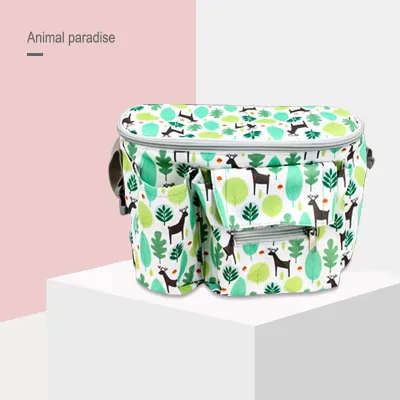
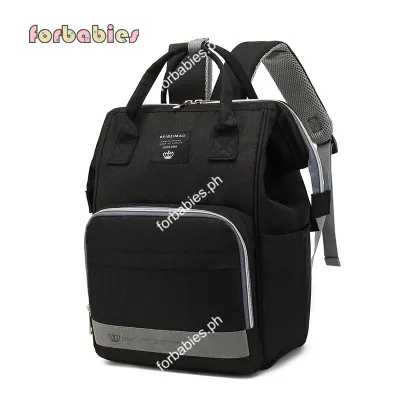
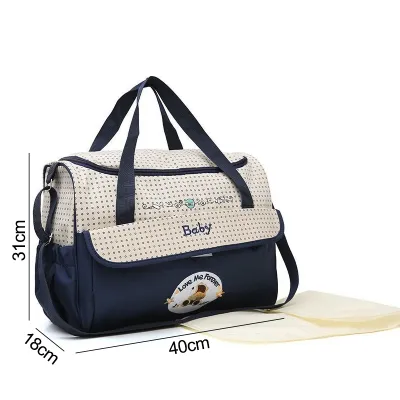
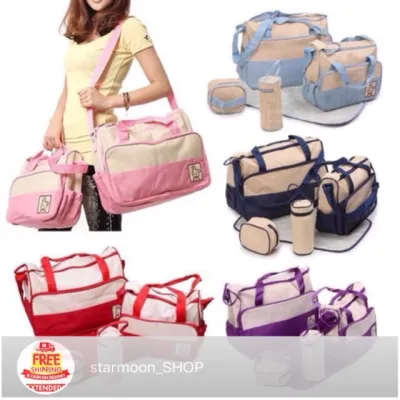
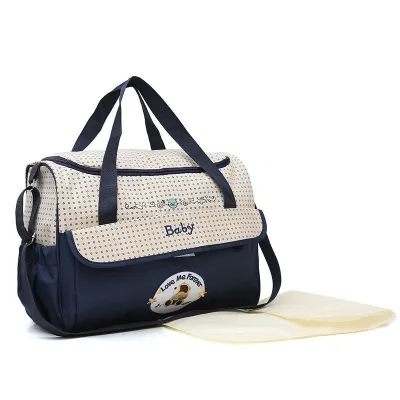
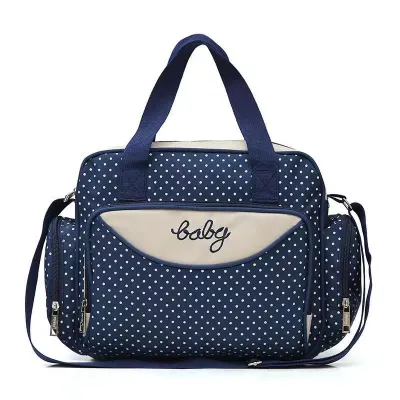
Prices are valid at publication and may change. Please refer to the product page for the latest price.
Comparing the Contenders: Backpacks, Totes, and Rolling Bags
Navigating a bustling airport terminal, boarding a flight, or exploring a new destination requires a bag that accommodates an extensive list of baby essentials. From extra diapers and wipes to feeding bottles, change of clothes, and soothing toys, the volume of items can quickly become overwhelming. The physical design of your travel bag dictates how easily you can access these items under pressure and how comfortable you will remain throughout the day.

In tropical climates like the Philippines, where high humidity and sudden rain showers are common, your choice of travel bag must also account for environmental factors. Carrying a heavy load against your body can contribute to heat discomfort, while navigating uneven streets or crowded malls requires a design that does not easily tip over or restrict your movement.
By examining backpacks, totes, and rolling bags through the lens of travel practicality, you can identify which configuration aligns with your physical comfort and packing requirements.
Travel Backpacks: Hands-Free Convenience
Backpack-style baby bags have surged in popularity among traveling parents, primarily because they prioritize physical balance and mobility. By distributing the weight of your baby gear evenly across both shoulders, a backpack minimizes localized strain on your neck and back, which is particularly beneficial during long walking tours or extended transits.
Pros of Travel Backpacks
- Balanced Weight Distribution: Dual padded shoulder straps ensure that even a fully loaded bag remains comfortable to carry over several hours, reducing the muscle fatigue associated with single-strap alternatives.
- Hands-Free Operation: Keeping both hands completely free allows you to carry your baby safely, push a stroller, manage travel documents, or navigate ticketing kiosks without constantly adjusting a slipping strap.
- Structured Internal Organization: Most travel-focused backpacks feature a multitude of specialized compartments, including dedicated waterproof pockets for wet clothes, insulated slots for bottles, and quick-access sleeves for wipes.
- Excellent Mobility: Whether you are boarding a crowded bus, climbing stairs, or walking through narrow airplane aisles, a backpack stays securely on your body, keeping your profile compact.
Cons of Travel Backpacks
- Slower Access to Contents: Retrieving an item from a backpack usually requires you to take the bag off your shoulders entirely, which can be inconvenient during an urgent diaper change or when searching for a pacifier in a cramped space.
- Heat Accumulation: Wearing a thick, padded backpack continuously in warm, humid weather can trap heat against your back, leading to perspiration and discomfort.
- Bulkiness in Tight Spaces: A heavily stuffed backpack can protrude significantly, making it easy to bump into other passengers in tight airplane aisles or crowded public transport.
Best For Travel Scenarios Backpacks are highly recommended for active travel itineraries that involve significant walking, frequent boarding of public transit, or navigating airports without a stroller. They are also ideal for solo parents traveling with a baby, where having both hands free is a safety necessity.
Tote Bags: Quick Access and Everyday Versatility
Tote-style baby bags offer a classic, open-access design that appeals to parents who want immediate entry to their supplies. Often designed to look like high-end handbags or casual utility bags, totes transition seamlessly from a diaper bag to a personal travel item.
Pros of Tote Bags
- Instant Top-Down Access: The wide top opening of a tote bag allows you to see all your contents at a glance, making it incredibly easy to grab a wipe, snack, or toy with one hand while holding your baby with the other.
- Stylish and Multi-Functional: Many travel totes feature elegant designs that do not look like traditional diaper bags, allowing them to serve as work bags or personal carry-ons long after your child outgrows diapers.
- Convenient Under-Seat Storage: Totes generally slide easily under airplane seats, keeping your absolute essentials within arm's reach throughout a flight without requiring you to open the overhead bin.
- Stroller-Friendly Hanging: With wide straps or dedicated loops, a tote can be quickly draped over a stroller frame for easy access during leisurely walks.
Cons of Tote Bags
- Asymmetrical Strain: Carrying a heavy tote on one shoulder for extended periods can cause shoulder pain, neck stiffness, and poor posture, as you must constantly tense your shoulder to keep the strap from slipping.
- Limited Hands-Free Capability: If you need to bend down to pick up your child or adjust a stroller, a tote bag has a tendency to swing forward, which can disrupt your balance or spill contents if the bag is not fully zipped.
- Less Specialized Organization: While some travel totes include pockets, many rely on a large, open main compartment, which can lead to items shifting and becoming buried at the bottom of the bag.
Best For Travel Scenarios Tote bags excel during short day trips, road trips, or as a secondary “in-flight” bag. They are perfect for relaxed itineraries where you spend most of your time pushing a stroller on smooth surfaces, allowing the stroller to carry the weight of the bag.
Rolling Bags: Heavy Loads and Airport Navigation
Wheeled or rolling baby bags are a specialized category designed for parents who need to transport a substantial volume of supplies without carrying any weight on their bodies. Operating similarly to carry-on suitcases, these bags utilize wheels and telescoping handles to glide effortlessly across flat surfaces.
Pros of Rolling Bags
- Zero Physical Strain: By transferring the entire weight of your baby gear to the ground, rolling bags completely eliminate shoulder, back, and neck strain, making them highly suitable for parents with physical limitations or those recovering from childbirth.
- Massive Packing Capacity: Rolling bags typically offer spacious, suitcase-like interiors that can accommodate bulkier items such as breast pumps, large cans of formula, multiple thermos flasks, and heavy winter wear if traveling to colder climates.
- Effortless Terminal Navigation: Walking through long airport corridors, security lines, and hotel lobbies is exceptionally smooth, as the bag rolls beside or behind you with minimal physical effort.
Cons of Rolling Bags
- Poor Terrain Versatility: Rolling bags become highly impractical when encountering stairs, steep curbs, gravel paths, or uneven sidewalks. In these situations, you must lift the bag by its handle, which can be awkward and heavy.
- Two-Handed Coordination Challenges: If you are pulling a rolling bag with one hand, you only have one hand left to push a stroller or guide a toddler, which can complicate navigation in busy transit hubs.
- Increased Empty Weight: The inclusion of wheels, a telescoping handle, and a rigid frame adds significant base weight to the bag, which can quickly eat into your airline carry-on weight limits.
- Larger Footprint: Rolling bags cannot be easily squished into tight spaces, such as under airplane seats or in packed car trunks, requiring dedicated overhead bin space or storage room.
Best For Travel Scenarios Rolling bags are best suited for long-haul flights with extended layovers, multi-destination international travel, or trips where you must pack heavy specialized equipment alongside daily baby essentials. They perform best in highly developed, accessible environments with smooth flooring and ramp access.
Key Features to Evaluate for Travel Scenarios
When selecting a baby bag for travel, looking beyond the exterior silhouette is essential. The internal engineering, material durability, and hardware reliability determine whether a bag will support you during transit or become a source of frustration.
Capacity and Organization
A great travel baby bag must maintain hygiene and order under hectic conditions. Look for a bag that offers a clear division of space to prevent cross-contamination between clean items and soiled gear.
- Insulated Bottle Pockets: Crucial for maintaining the temperature of milk, pre-boiled water, or liquid formula during long transit hours, especially in warm climates where spoilage can occur rapidly.
- Dedicated Wipe Dispensers: External pockets designed to hold a full pack of baby wipes with a dedicated opening allow you to pull a wipe instantly to clean spills, sticky hands, or dirty surfaces.
- Wet/Dry Separation: A zippered compartment lined with waterproof material (such as TPU or high-density nylon) is indispensable for storing soiled diapers, wet clothes, or damp bibs until you reach a laundry facility.
- Quick-Access Tech Sleeves: If you travel with a tablet, laptop, or electronic baby monitor, a padded, separate sleeve keeps these devices secure and easily accessible during airport security screenings.
Weight and Material
The base weight of your travel bag should be as low as possible to maximize your actual packing capacity. Choose materials that can withstand the rigors of travel, including being dragged across airport floors, placed under airplane seats, or exposed to unexpected weather.
- Lightweight Synthetics: High-density nylon and polyester are the gold standards for travel baby bags. They are naturally lightweight, highly durable, and offer excellent resistance to tears and abrasions.
- Water-Resistant Coatings: A water-resistant exterior fabric protects your interior contents from sudden tropical downpours or accidental liquid spills.
- Easy-to-Clean Linings: The interior lining should be fully wipeable, allowing you to clean up spilled milk, crushed snacks, or leaked creams with a simple damp cloth.
- Protective Base Feet: Metal or rubber feet on the bottom of the bag prevent the fabric from directly touching dirty airport floors or wet outdoor surfaces, extending the lifespan of your bag.
Stroller Compatibility
During long days of sightseeing or waiting at transit gates, hanging your bag on your stroller can provide welcome physical relief. However, this must be done with strict adherence to safety guidelines.
- Integrated Stroller Straps: Look for bags that feature built-in, reinforced clips or dedicated straps designed to secure the bag directly to the stroller frame.
- Safety Warning Against Tipping: Always check your stroller manufacturer's instructions regarding weight limits for the handlebars. Hanging a heavy baby bag on the handlebar of a lightweight stroller can cause the stroller to tip backward, especially when you lift your baby out of the seat. To prevent injury, always remove the bag from the handlebar before removing your child from the stroller.
Security and Comfort
Travel exposes your belongings to crowded spaces where security and comfort become paramount.
- Padded, Breathable Straps: For backpack designs, ensure the shoulder straps are wide, heavily padded, and lined with breathable mesh fabric to promote airflow and reduce sweat accumulation in humid conditions.
- Reinforced Grab Handles: Totes and backpacks should feature thick, double-stitched top handles that allow you to quickly grab the bag when exiting a vehicle or boarding a plane.
- Secure, Smooth-Gliding Zippers: High-quality metal or nylon coil zippers with easy-to-grab pulls prevent jamming during urgent moments and secure your belongings against accidental spills or opportunistic theft in crowded tourist areas.
Decision Framework: How to Choose the Right Bag for Your Trip
To simplify your selection process, evaluate your upcoming travel plans against these specific parenting profiles and transit scenarios.
Choose a Backpack if:
- You are traveling solo with your baby and must maintain complete physical control over your child, stroller, and travel documents simultaneously.
- Your itinerary involves frequent use of public transit, navigating stairs, walking on uneven sidewalks, or exploring crowded outdoor markets.
- You prefer a balanced load that minimizes physical fatigue and allows you to walk comfortably for several hours.
- You want a versatile bag that can also be worn by other family members or caregivers without looking out of place.
Choose a Tote if:
- You are taking a short domestic flight, a road trip, or a quick weekend getaway where you do not need to pack extensive backup supplies.
- You prioritize instant, one-handed access to your baby's essentials while holding them during transit.
- You want a stylish bag that easily doubles as your personal item or handbag, keeping your overall carry-on count low.
- You plan to spend most of your travel time in a stroller-friendly environment where the bag can rest securely in the stroller basket.
Choose a Rolling Bag if:
- You are embarking on a long-haul international journey with multiple layovers, requiring you to carry a massive volume of formula, diapers, changes of clothes, and feeding accessories.
- You suffer from chronic back, shoulder, or neck pain, or are recovering from a difficult delivery and must avoid carrying heavy loads on your body.
- Your travel environment consists primarily of modern, highly accessible spaces with smooth floors, ramps, and elevators (such as major international airports and hotels).
- You are traveling with a partner or helper who can assist with pushing the stroller while you manage the rolling luggage.
Verify Before You Buy
Before committing to any travel baby bag, always verify its dimensions against your specific airline’s personal item and carry-on size restrictions. This is particularly critical for rolling bags and structured backpacks, which cannot be easily compressed to fit into airline sizing boxes.
Additionally, pay close attention to the bag’s empty weight. Some heavily structured bags can weigh over 1.5 kilograms when empty, significantly reducing the amount of gear you can pack before exceeding standard carry-on weight limits (which often range from 7 to 10 kilograms, depending on the carrier).
If you are purchasing a premium travel diaper bag, prices in online marketplaces can range from ₱1,500 for durable local brands to over ₱5,000 for imported specialized travel brands. Investing in a high-quality bag with robust stitching and reliable hardware can save you from having to replace a broken zipper or torn strap mid-trip.
Frequently Asked Questions (FAQ)
Can I use a regular backpack instead of a specific baby travel bag?
Yes, you can absolutely use a standard travel or school backpack as a baby bag for travel, provided it has sufficient capacity and is made from durable, water-resistant materials. A standard backpack can be highly functional if you implement a structured packing system to compensate for the lack of built-in diapering compartments.
To make a regular backpack work effectively, utilize lightweight packing cubes, color-coded pouches, or clear zippered bags to organize different categories of gear. For example, dedicate one pouch exclusively to diapering supplies (diapers, wipes, changing pad), another to feeding essentials (bottles, formula, bibs), and a third to spare clothing. This prevents items from sinking to the bottom of the main compartment and ensures you can retrieve what you need quickly during transit.
Do airlines count a baby bag as a carry-on or a personal item?
Airline policies regarding baby bags (commonly referred to as diaper bags) vary significantly depending on the carrier, your ticket type, and whether your infant is traveling on a lap ticket or in their own booked seat.
On many full-service international airlines, parents traveling with an infant are permitted to bring one diaper bag for the baby free of charge, in addition to their own standard carry-on and personal item allowance. This diaper bag is typically subject to specific size and weight limits, often requiring it to fit under the seat in front of you.
However, budget carriers and low-cost airlines frequently enforce much stricter rules. Many budget airlines do not offer an additional free baggage allowance for infants traveling on lap tickets, meaning your baby bag must fit within your own purchased carry-on or personal item allowance. To avoid unexpected fees or boarding gate stress, always check the specific baggage policy of every airline on your itinerary before you head to the airport.
Community discussion
Share your experience or ask a question. Comments are reviewed before publication.