
Choosing between glass and plastic baby bottles involves balancing safety, durability, and daily convenience. For parents in the Philippines managing warm, humid climates and busy daily routines, BabyFlo offers both options to suit different stages of a baby’s development. While glass provides excellent heat resistance and long-term material stability, plastic offers lightweight portability and shatterproof safety that is highly practical for travel and self-feeding. The ideal choice depends on your baby’s age, your sterilization routine, and where the feeding takes place.
Understanding BabyFlo Glass and Plastic Options
When selecting feeding equipment, understanding the physical properties of the materials is the first step toward making an informed decision. BabyFlo offers bottles in both glass and plastic formats, each designed to meet specific feeding scenarios. Glass bottles are typically manufactured using high-quality borosilicate glass, which is engineered to withstand rapid temperature changes. This makes them highly resilient during the heating and cooling cycles common in daily sterilization.
On the other hand, plastic bottles from the brand are generally made from food-grade plastics such as polypropylene (PP). Polypropylene is a lightweight, semi-flexible plastic that is widely used in food packaging due to its durability and resistance to impact. Some plastic variants in the market utilize polyphenylsulfone (PPSU), which offers higher heat resistance, though standard PP remains a common and accessible option for daily use.
Products mentioned in this guide
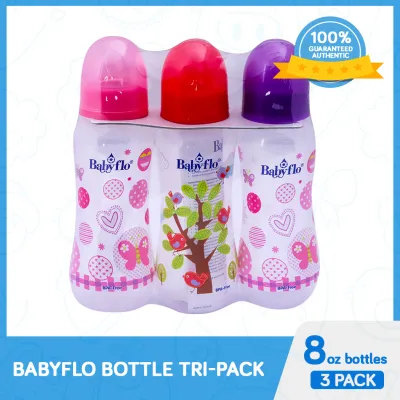
Prices are valid at publication and may change. Please refer to the product page for the latest price.
It is essential for caregivers to check the specific product packaging and labels rather than relying solely on the general material category. Manufacturers design different bottle shapes, neck widths, and nipple flow rates tailored to specific developmental stages. For instance, a newborn may require a slow-flow nipple paired with a smaller bottle capacity, while an older infant will need a fast-flow nipple and a larger container. Always verify the manufacturer’s age and weight recommendations printed on the packaging to ensure the bottle matches your baby’s current developmental stage.
Evaluating Safety and Health Features
Safety is the primary concern for any parent when preparing formula or breast milk. When evaluating plastic bottles, the first step is to verify that the material is free from harmful chemicals. Look for clear “BPA-free” and “BPS-free” labels on the packaging. Bisphenol A (BPA) and Bisphenol S (BPS) are chemical compounds historically used in plastics that can mimic hormones and potentially affect a child’s development. Modern food-grade plastics used by reputable brands are formulated without these compounds, but verifying the official certification symbols on the box remains a crucial safety check.

Sterilization is another critical safety aspect, especially in tropical environments where high humidity can accelerate bacterial growth on damp surfaces. Both glass and plastic bottles require regular sanitizing, but they respond differently to heat. Glass bottles have excellent heat tolerance, allowing them to undergo boiling, steam sterilization, or UV sanitizing without any risk of material warping or chemical leaching. However, caregivers must avoid extreme thermal shock, such as pouring boiling water directly into a freezing cold glass bottle, as this can cause the material to crack.
Plastic bottles have specific temperature thresholds that must not be exceeded. While they are generally safe for standard steam and boiling water sterilization, prolonged exposure to extreme heat can cause polypropylene to degrade, warp, or develop micro-scratches over time. Always consult the manufacturer’s instructions for the maximum temperature limit of your specific plastic bottle model. If you use a UV sterilizer, check if the plastic material is rated for UV exposure, as some plastics can discolor or become brittle more quickly under ultraviolet light.
Physical safety trade-offs are also inherent to each material. Glass bottles carry a risk of shattering if dropped on hard surfaces, such as tile floors common in many homes. A broken glass bottle poses an immediate cut hazard to both the caregiver and the baby. Conversely, plastic bottles are virtually shatterproof, making them much safer in active households. However, plastic is prone to scratching from bottle brushes or abrasive cleaning pads. These tiny scratches can become breeding grounds for bacteria and are difficult to clean thoroughly, requiring the bottle to be retired earlier than a glass equivalent.
Comparing Durability and Daily Convenience
Daily convenience often dictates which bottle you reach for during busy feeding times. The weight of the bottle plays a significant role in this dynamic. Glass bottles are noticeably heavier, which can tire a caregiver’s hand during long, late-night feeding sessions. Furthermore, as babies grow and attempt to hold their own bottles, the weight of glass makes self-feeding difficult and potentially dangerous if the baby drops the heavy bottle onto their face or body.
Plastic bottles are exceptionally lightweight, allowing older infants to practice self-feeding under close adult supervision. This lightweight nature also makes plastic a practical choice for travel. Packing a diaper bag for a day trip, a visit to relatives, or a doctor’s appointment requires minimizing weight. Carrying multiple plastic bottles is far easier on the shoulders than carrying several heavy glass ones.
Cleaning routines also differ between the two materials. Glass has a smooth, non-porous surface that does not easily absorb oils, odors, or colors from milk and formula. This makes it simple to see if any milk residue remains after washing. Plastic, being a more porous material, can absorb milk fats over time, leading to a cloudy appearance or a lingering sour milk smell if not cleaned immediately. When washing plastic bottles, caregivers must use soft sponge brushes rather than stiff nylon bristles to prevent scratching the inner walls.
In the tropical climate of the Philippines, high humidity means that washed bottles can take longer to air dry completely. Glass bottles dry relatively quickly because water droplets slide off the non-porous surface easily. Plastic bottles may retain moisture longer, requiring a well-ventilated drying rack to prevent mold or mildew from developing in the crevices of the collar and nipple threads.
Assessing Cost and Long-Term Value
When planning a budget for baby gear, understanding the long-term value of your purchase is just as important as the upfront cost. Generally, glass bottles carry a higher initial price tag compared to plastic options. This upfront cost can be a deterrent for families buying a complete starter set of six to eight bottles. However, glass offers excellent longevity. If handled carefully and protected from drops, a single glass bottle can last through infancy and even be sanitized for use with a younger sibling years later.
Plastic bottles are more affordable upfront, making them highly accessible for families who need to purchase multiple bottles at once. However, their operational lifespan is significantly shorter. Due to the wear and tear of daily washing, sterilization, and potential scratching, plastic bottles typically need to be replaced every few months. Over the course of a baby’s first year, the cost of repeatedly replacing worn-out plastic bottles can equal or exceed the initial investment of a few durable glass bottles.
To make an accurate financial decision, caregivers should check current prices on the brand’s official website or authorized online marketplaces. Avoid purchasing from unverified sellers to ensure you are receiving genuine, food-grade products that meet local safety standards. Factor in the cost of replacement nipples as well, as these wear out at a similar rate regardless of whether they are attached to a glass or plastic base.
How to Choose the Right BabyFlo Bottle for Your Routine
Deciding between glass and plastic does not have to be an all-or-nothing choice. Many families find that a hybrid approach works well, utilizing each material where its strengths are most valuable. To determine the most practical setup for your household, consider the following conditional guidelines.
Choose Glass if:
- You primarily feed your baby at home where the risk of dropping bottles on hard outdoor surfaces is minimal.
- You prioritize high heat resistance and want a material that can withstand frequent, high-temperature steam or boiling sterilization without degrading.
- You prefer a non-porous material that does not retain odors, stains, or a cloudy appearance over months of use.
- You want a long-term investment that can be reused for future children, provided the glass remains free of chips and cracks.
Choose Plastic if:
- You are frequently on the go, travel often, or need to pack a lightweight diaper bag for daily outings.
- Your baby is reaching the developmental stage of holding their own bottle and practicing self-feeding under your supervision.
- You want to minimize the risk of accidental breakage and the safety hazards associated with shattered glass in the home.
- You prefer a lower upfront cost and do not mind replacing the bottles periodically as they show signs of wear.
Verify First if:
- The specific bottle model is compatible with your existing breast pump adapters or preferred nipple shapes.
- Your home sterilizer has sufficient physical clearance and the correct temperature settings for the specific bottle height and material.
- The product packaging explicitly states compliance with local safety standards and confirms the item is completely BPA-free.
Frequently Asked Questions (FAQ)
Can I mix glass and plastic BabyFlo bottles for the same baby?
Yes, you can use both glass and plastic bottles interchangeably within your daily routine. Many parents prefer using glass bottles at home for night feeds and switching to plastic bottles when traveling or visiting family. If you choose to mix materials, ensure that the nipple shape, collar size, and flow rate remain consistent across both bottle types. Introducing a different nipple style suddenly can cause nipple confusion or feeding frustration for your baby. Always verify with the manufacturer’s guidelines to confirm if the nipples and collars are interchangeable between their glass and plastic product lines.
How do I know when to replace a plastic BabyFlo bottle?
Plastic bottles require regular inspection to ensure they remain safe for your baby. You should replace a plastic bottle immediately if you observe deep scratches on the inner walls, persistent cloudiness that does not wash away, discoloration, or a sour odor that remains after thorough sterilization. These physical changes indicate that the plastic is degrading and may harbor bacteria in microscopic crevices. Additionally, always follow the manufacturer’s recommended replacement timeline, which typically suggests replacing plastic feeding bottles every three to six months depending on the frequency of use and sterilization methods.
Community discussion
Share your experience or ask a question. Comments are reviewed before publication.