
Choosing the right baby toothpaste involves balancing effective cavity protection with ingredients that are safe for a child who has not yet learned how to spit. Because infants and toddlers naturally swallow much of what goes into their mouths, the ingredient profile of their oral care products requires careful scrutiny. Parents must look for gentle, food-grade components while actively avoiding harsh foaming agents, strong artificial flavorings, and unnecessary preservatives that could irritate delicate oral tissues. Navigating the transition from fluoride-free training gels to standard fluoride formulations depends heavily on your child’s developmental milestones and the guidance of a pediatric dentist. By learning to decode product labels and matching formulations to your baby’s age, you can establish a safe, comforting, and highly effective oral hygiene routine from the very first tooth.
Evaluating Active Ingredients for Cavity Protection
Active ingredients form the core of any toothpaste formulation, determining how effectively the product prevents tooth decay. For infants and toddlers, the choice of active ingredients is closely tied to their physical ability to spit out excess paste. Fluoride is widely recognized for its ability to strengthen developing enamel and prevent cavities, but its use in early childhood requires careful dosage management. Pediatric dental associations often recommend using a tiny smear of fluoride toothpaste—no larger than a grain of rice—as soon as the first tooth erupts, transitioning to a pea-sized amount around age three. However, because young babies cannot reliably spit, many parents opt for fluoride-free training toothpastes that utilize alternative cleaning agents to clean teeth safely during the early months.
When evaluating active ingredients on a product label, always check for age-specific formulations and the exact concentration of the active components. Fluoride-free options often rely on ingredients like xylitol, a plant-derived sweetener that helps reduce cavity-causing bacteria without the risks associated with swallowing fluoride. Other formulations may feature calcium phosphate-based compounds designed to support enamel mineralization gently. Because every child’s oral health needs and risk of tooth decay differ, it is essential to read the manufacturer’s packaging to verify the intended age range and usage instructions.
Products mentioned in this guide
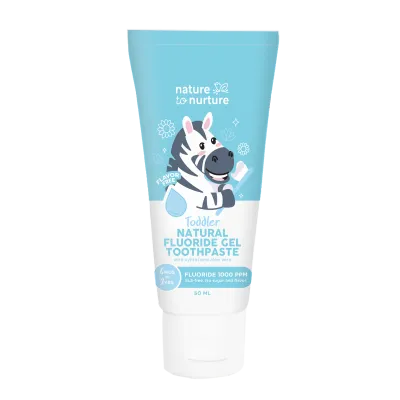
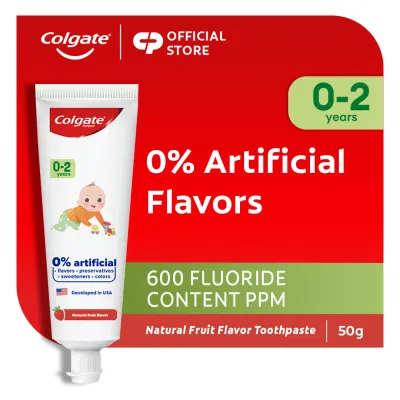
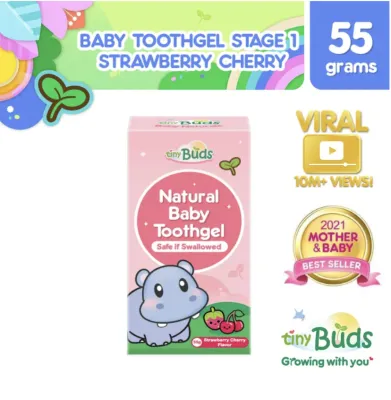
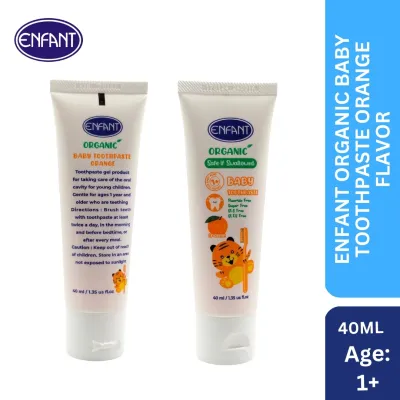
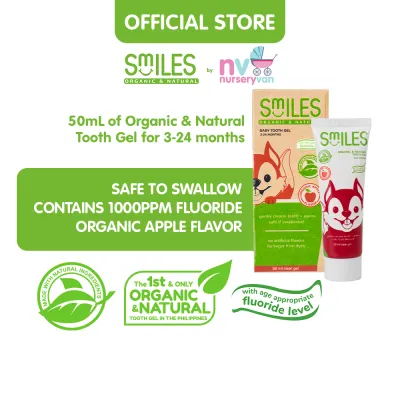

Prices are valid at publication and may change. Please refer to the product page for the latest price.
Consulting a pediatric dentist is the most reliable way to determine the right active ingredients for your baby. A professional can assess your child’s specific cavity risk, evaluate local water fluoridation levels, and provide personalized recommendations on when to introduce fluoride. This tailored guidance ensures that your baby receives adequate cavity protection while minimizing the risk of mild fluorosis, a cosmetic condition that can affect developing permanent teeth if too much fluoride is ingested during early childhood.
Identifying Irritants and Unnecessary Additives to Avoid
The delicate oral mucosa of an infant is highly sensitive, making it susceptible to irritation from ingredients commonly found in adult toothpastes. One of the primary additives to avoid is sodium lauryl sulfate (SLS), a foaming agent used to create a satisfying lather. While SLS is common in adult oral care, it can cause dry mouth, tissue irritation, and painful mouth sores in sensitive babies. Scanning the ingredient list for SLS-free formulations is a simple way to protect your baby’s mouth from unnecessary discomfort during brushing sessions.

Artificial additives such as synthetic dyes, chemical preservatives, and intense artificial sweeteners should also be excluded from your baby’s toothpaste. Ingredients like saccharin, sodium benzoate, or artificial colorants (such as Red 40 or Blue 1) serve no therapeutic purpose in oral hygiene. Instead, these additives are often used to improve the product’s shelf life, appearance, or taste, which can inadvertently encourage your baby to swallow the toothpaste like candy. Opting for products flavored with mild, natural fruit extracts or xylitol helps keep the brushing experience pleasant without exposing your child to unnecessary chemical loads.
Another critical factor to verify is the abrasiveness of the toothpaste, which is often measured by the Relative Dentin Abrasivity (RDA) scale. Baby enamel is significantly thinner and softer than adult enamel, meaning highly abrasive toothpastes can wear down the protective outer layer of their new teeth. While manufacturers do not always print the exact RDA number on the tube, you can look for terms like ‘low abrasivity,’ ‘gentle cleaning gel,’ or specific indications that the product is formulated safely for baby enamel. Avoid toothpastes containing harsh scrubbing particles, such as coarse silica or baking soda blends, which are too abrasive for developing teeth.
Matching Toothpaste Formulations to Your Baby’s Developmental Stage
Selecting the right toothpaste requires aligning the product’s ingredients with your baby’s physical development and teething progress. During the initial teething phase, when gums are tender and only a few incisors have emerged, a soothing, fluoride-free training gel is often the most practical choice. These gels are designed to clean the teeth gently while offering a mild, comforting sensation on irritated gums. As your baby grows and develops a stronger swallowing reflex, their oral care needs will shift, requiring a transition to formulations that offer more robust cavity protection.
Always follow the manufacturer’s age guidelines, dosage instructions, and supervision requirements printed on the product packaging. A product labeled for babies aged 0 to 2 years will have different ingredient concentrations and safety profiles compared to one formulated for children aged 3 to 6 years. Even when using a safe, age-appropriate toothpaste, parental supervision is vital to ensure that only the recommended amount is applied to the brush and that the child is encouraged to spit out the excess rather than swallow it.
Keep a close eye on your baby’s oral cavity for any signs of irritation or allergic reactions after introducing a new toothpaste. Symptoms such as redness around the lips, swelling of the gums, a sudden reluctance to brush, or dry, peeling skin around the mouth indicate that an ingredient may not agree with your child. If you observe any of these signs, stop using the product immediately, rinse your baby’s mouth with clean water, and consult a pediatrician or pediatric dentist to identify the offending ingredient and find a safer alternative.
Practical Label-Reading Checklist for Parents
To ensure you are purchasing a safe and effective product, develop a systematic approach to reading toothpaste labels before checking out at a local pharmacy or online marketplace. Start by locating the full ingredient list, which is typically printed on the back of the cardboard box or the crimp of the toothpaste tube. Do not rely solely on front-of-pack marketing claims like ‘baby-safe’ or ‘all-natural.’ Instead, verify the active ingredients, check for the absence of SLS and artificial dyes, and confirm that the product is explicitly formulated for your child’s specific age bracket.
Look for recognizable safety seals or endorsements from reputable dental organizations, such as the Philippine Dental Association or international pediatric dental bodies. While these seals provide an extra layer of reassurance, parents should verify their authenticity by checking official organization registries if they suspect a counterfeit product. In tropical climates like the Philippines, high humidity and warm temperatures can accelerate the degradation of toothpaste ingredients, making it equally important to check the expiration date and batch code printed on the packaging.
Proper storage is essential to maintain the stability and safety of the toothpaste ingredients. Store the tube in a cool, dry place away from direct sunlight, and ensure the cap is tightly sealed after every use to prevent bacterial contamination and ingredient separation. If you notice a change in the toothpaste’s texture, color, or smell, or if the liquid has separated from the paste, discard the tube immediately, as these are clear signs that the formulation has degraded and may no longer be safe or effective for your baby.
Frequently Asked Questions (FAQ)
Is it safe if my baby swallows a small amount of toothpaste?
Occasional ingestion of a tiny, recommended amount of baby toothpaste—such as a rice-sized smear—is generally safe and expected during the early stages of oral care. However, regular swallowing of larger amounts, especially fluoride-containing toothpaste, can lead to mild stomach upset or dental fluorosis over time. Always check the product label for specific age limits and swallowing instructions. If your child accidentally ingests a large, unusual quantity of toothpaste directly from the tube, contact a healthcare provider or a local poison control center immediately for guidance.
How do I transition from fluoride-free to fluoride toothpaste?
The transition to fluoride toothpaste typically begins when your child shows physical signs of readiness, such as the ability to spit out excess liquid consistently after brushing. This milestone often occurs around the age of three, though some pediatric dentists may recommend an earlier transition if your child is at a high risk for cavities. Consult your pediatric dentist to determine the ideal timing and fluoride concentration for your child’s needs. When making the switch, carefully adjust the dosage to a pea-sized amount and supervise brushing closely to ensure they do not swallow the paste.
Are natural or organic baby toothpastes inherently safer?
Marketing terms like ‘natural’ or ‘organic’ do not automatically guarantee that a toothpaste is safer or more effective for your baby. Parents must evaluate these products by reading the actual ingredient list to check for potential natural allergens, such as specific essential oils, herbal extracts, or coconut derivatives that could irritate sensitive mouths. Additionally, ensure the natural formulation still contains appropriate active ingredients for cavity protection if recommended by your dentist. Always verify that the product complies with standard manufacturing regulations and safety guidelines rather than relying solely on front-packaging claims.

Community discussion
Share your experience or ask a question. Comments are reviewed before publication.