
Establishing a healthy oral care routine for your baby is a vital step in their early developmental journey. While many parents focus on the arrival of the first tooth, oral hygiene actually begins much earlier. In the tropical, high-humidity climate of the Philippines, keeping your baby’s mouth clean is particularly important to prevent the buildup of milk residue and minimize the risk of oral discomfort. Selecting the right tongue cleaner for your baby involves understanding the different types available, evaluating safe materials, and learning the proper, gentle techniques to keep their mouth fresh and comfortable.
A clean mouth supports your baby’s overall comfort, feeding efficiency, and long-term oral health. Milk deposits can accumulate on an infant’s tongue after feeding, creating a white coating that can harbor bacteria if left unaddressed. By introducing a gentle tongue cleaning routine early on, you help your baby become accustomed to oral care, making the eventual transition to a regular toothbrush much smoother. However, navigating the wide variety of baby oral care products in the market requires a clear understanding of what makes a tool safe, hygienic, and appropriate for your little one’s specific developmental stage.
When to Start Cleaning Your Baby's Tongue and Why It Matters
Pediatricians and pediatric dentists generally recommend starting oral hygiene care for infants well before their first tooth erupts. This early care typically begins within the first few weeks of life. At this stage, the primary goal is to clean the gums and tongue after feedings to remove milk residue. Establishing this habit early desensitizes your baby’s mouth to oral stimulation, which significantly reduces resistance when it comes time to introduce a toothbrush and toothpaste later on.
Products mentioned in this guide
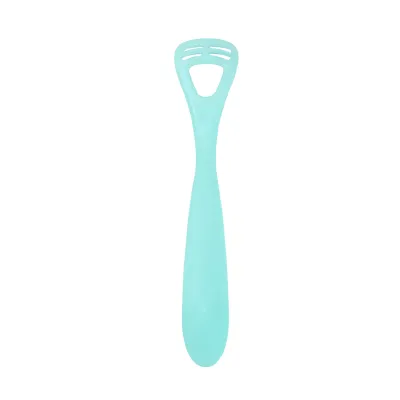
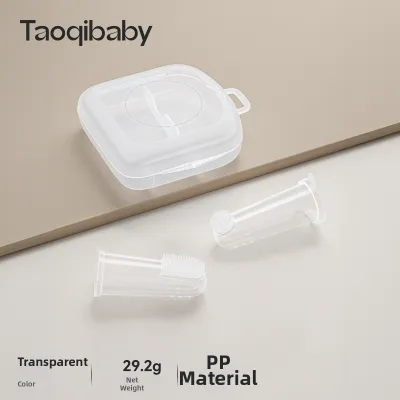
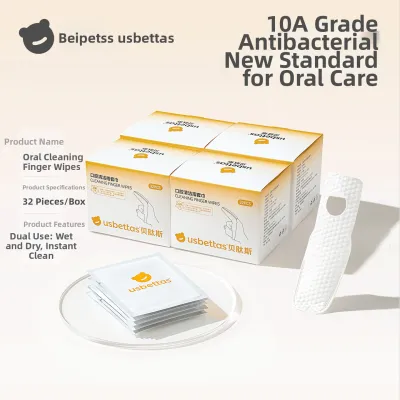
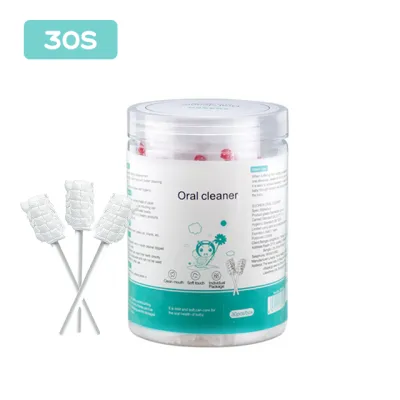

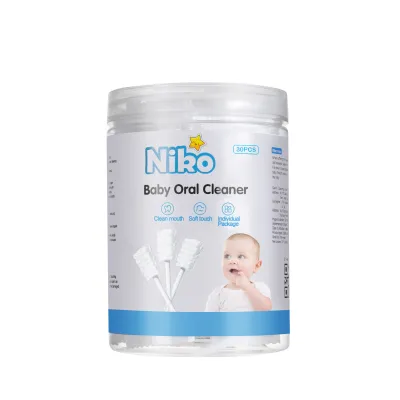
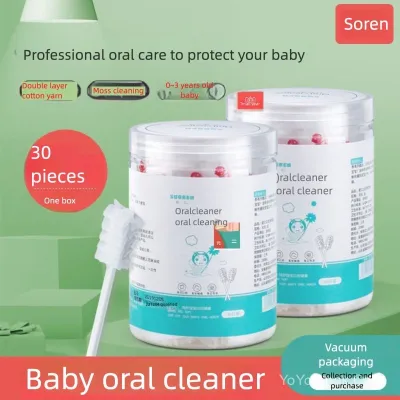
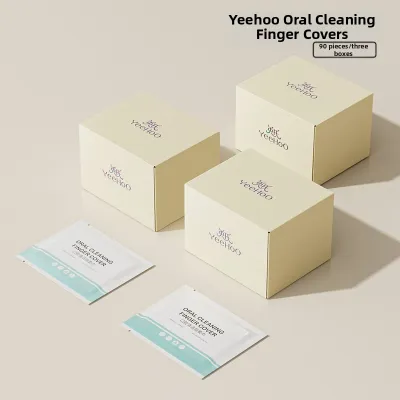
Prices are valid at publication and may change. Please refer to the product page for the latest price.
It is highly important for parents to distinguish between normal milk residue and conditions that require medical attention. Normal milk residue appears as a thin, light white coating on the tongue that usually shows up shortly after a feeding. This coating can be easily and gently wiped away with a soft, damp cloth or tongue cleaner. On the other hand, a thick, persistent white coating that covers not just the tongue but also the insides of the cheeks, gums, or roof of the mouth may indicate oral thrush. Oral thrush is a common fungal infection caused by an overgrowth of yeast. If you attempt to wipe these patches away and they do not budge, or if they leave behind red, raw, or bleeding spots, do not attempt to scrub them off.
Early oral hygiene routines directly contribute to your baby’s comfort and feeding success. A heavy buildup of milk residue can sometimes alter the taste of milk or cause minor discomfort, potentially affecting how well your baby latches or feeds. Keeping the tongue clean helps maintain healthy taste buds and ensures a fresh environment. Furthermore, a clean mouth reduces the presence of acid-producing bacteria that can affect emerging baby teeth even before they break through the gums.
While home oral care is beneficial, parents must recognize when to seek professional medical guidance. If your baby exhibits signs of oral discomfort, such as crying or pulling away during feedings, or if you notice persistent white patches, unusual redness, swelling, or an unpleasant mouth odor, stop using any tongue cleaning tools immediately. These symptoms require a formal evaluation by a pediatrician or a pediatric dentist. Relying solely on home cleaning when an infection is present can worsen the condition and cause unnecessary pain for your baby.
Key Features to Look for in a Baby Tongue Cleaner
Selecting an oral hygiene tool for an infant requires careful attention to safety, design, and usability. Because a baby’s oral cavity is incredibly delicate, the materials used in any tongue cleaner must meet strict safety standards. Parents must carefully inspect product packaging and manufacturer specifications to ensure the tool is entirely safe for oral use.

Material Safety and Certifications When choosing a tongue cleaner, prioritize materials that are certified non-toxic and safe for infants. Look for products made from 100% food-grade silicone, which is naturally hypoallergenic, durable, and free from harmful chemicals. Ensure the manufacturer explicitly labels the product as BPA-free, PVC-free, phthalate-free, and lead-free. Because these terms are highly dynamic and subject to manufacturer claims, always verify these details on the physical packaging or the brand’s official documentation before purchasing.
Design and Ergonomics The physical design of the tongue cleaner must minimize any risk of injury or choking. Look for tools that feature built-in safety shields or wide choke guards. These guards act as physical barriers that prevent the cleaner from being inserted too deeply into the baby’s mouth, which could trigger a severe gag reflex or cause choking. If you are choosing a finger-style brush, ensure the sleeve is designed to fit snugly on your finger without slipping, or choose a design that includes a secure finger ring or loop for added control. The cleaning surface itself should feature ultra-soft, rounded silicone micro-bumps or extremely fine, flexible bristles that clean without scratching the delicate tongue tissue.
Age Appropriateness A baby’s oral cavity changes rapidly during their first year. A tool that is perfect for a newborn may be completely inadequate or even unsafe for a teething eight-month-old. Newborns have highly sensitive, toothless gums and require the gentlest possible touch, such as sterile gauze or ultra-soft disposable wipes. As babies reach three to six months and begin the teething process, their gums become tender and swollen. During this stage, a textured silicone finger brush can provide a dual benefit by cleaning the tongue and gently massaging the gums. Always verify the manufacturer’s age recommendations on the packaging to ensure the size and texture match your baby’s current developmental stage.
Hygiene and Maintenance in Humid Climates In the tropical environment of the Philippines, high humidity levels accelerate the growth of mold, mildew, and bacteria on damp surfaces. Therefore, the ease of cleaning and sterilizing a tongue cleaner is a critical safety feature. Choose designs that are molded as a single piece of silicone, as multi-part designs can trap water and bacteria in the joints. Verify that the material can withstand high-temperature sterilization methods, such as boiling water, steam sterilizers, or UV sterilization, depending on the manufacturer’s approved care instructions. Avoid complex designs with deep crevices that are difficult to scrub or dry completely.
Comparing Types of Baby Tongue Cleaners: Silicone, Wipes, and Gauze
Parents in the Philippines have access to several different formats of baby tongue cleaners, each offering unique advantages and trade-offs. Understanding these differences allows you to choose the best option based on your baby’s age, tolerance, and your daily lifestyle.
Silicone Finger Brushes
Silicone finger brushes are sleeve-like devices that fit over a caregiver’s index finger, featuring small textured bumps or soft bristles on one side.
- Pros: These brushes are highly reusable, cost-effective, and durable. They give the caregiver excellent tactile control, allowing you to feel exactly how much pressure you are applying inside the baby's mouth. Additionally, the soft silicone bumps can provide soothing relief to sore, teething gums.
- Cons: They require thorough washing and sterilization after every single use. If your baby has already begun cutting teeth, they may bite down hard on your finger during the cleaning process, which can be painful for the caregiver.
- Safety Checks: Before use, verify that the sleeve fits your finger tightly so it cannot slip off inside the baby’s mouth. Always choose models that feature a wide safety guard or ring to prevent accidental deep insertion.
Silicone Tongue Wipes and Swabs
This category includes single-use oral wipes made of soft, non-woven fabric, as well as reusable or disposable swabs with textured silicone heads on long handles.
- Pros: Single-use tongue wipes are pre-sterilized, individually wrapped, and incredibly convenient for travel, outdoor trips, or quick cleanups after feeding while on the go. Swabs with long handles keep your fingers safe from biting babies while allowing precise reach.
- Cons: Single-use wipes generate ongoing recurring costs and contribute to environmental waste. Reusable silicone swabs require meticulous sterilization and must be handled with extreme care to avoid inserting them too far back.
- Suitability: These are ideal for newborns and younger infants who have very small mouths or highly sensitive gums and may reject the bulkier feel of a caregiver's finger wrapped in gauze or a silicone sleeve.
Gauze and Cloth Wraps
Using sterile medical gauze or a dedicated reusable cotton cloth wrapped around a clean finger is the traditional method of infant oral care.
- Pros: This method is highly accessible, affordable, and extremely soft. It allows the caregiver to easily navigate the tiny contours of a newborn's mouth and apply the gentlest possible pressure.
- Cons: Wrapping gauze securely requires some practice to prevent it from unraveling inside the mouth. Reusable cloths must be laundered with extreme care using baby-safe, fragrance-free detergents and dried completely to ensure they do not harbor bacteria.
- Hygiene Considerations: If using gauze, always opt for single-use, sterile medical-grade gauze pads. If using reusable cotton cloths, ensure they are washed separately, rinsed thoroughly to remove all soap residue, and dried in a clean, well-ventilated space—ideally under direct sunlight or in a heated dryer—to combat the humid Philippine climate.
Comparison of Baby Tongue Cleaner Types
To help you decide which option fits your routine, here is a comparison of the three primary types of tongue cleaners:
| Cleaner Type | Recommended Age | Reusability | Sterilization Method | Key Safety Check |
|---|---|---|---|---|
| Silicone Finger Brushes | 3 months and older | Reusable | Boiling, steam, or UV (per manufacturer) | Ensure snug fit on finger; check safety guard |
| Silicone Wipes & Swabs | Newborn to 6 months | Single-use (wipes) or Reusable (swabs) | Pre-sterilized (wipes); Steam/UV (swabs) | Check handle security; do not insert too deep |
| Gauze & Cloth Wraps | Newborn and older | Single-use (gauze) or Reusable (cloth) | Pre-sterilized (gauze); Hot wash & dry (cloth) | Ensure wrap is secure so it does not unravel |
How to Safely Clean Your Baby's Tongue: A Step-by-Step Guide
Cleaning your baby’s tongue requires a gentle, patient approach. Because infants have a highly sensitive gag reflex and delicate oral tissues, rushing the process can cause distress or injury. Follow these step-by-step instructions to ensure a safe and comfortable experience for your little one.
Step 1: Preparation and Inspection Before you begin, wash your hands thoroughly with warm water and antibacterial soap for at least 20 seconds. Choose a calm, quiet moment when your baby is relaxed. It is best to wait at least 30 to 45 minutes after a feeding before cleaning their tongue; doing it immediately after a feed can easily trigger their gag reflex and cause them to spit up or vomit. Carefully inspect your tongue cleaning tool for any signs of damage, tears, loose parts, or mold. If using gauze or a reusable cloth, moisten it slightly with clean, drinking-safe warm water (cooled boiled water or distilled water is highly recommended).
Step 2: Positioning Your Baby Hold your baby securely in a comfortable position. A cradle hold in your arm, supporting their head and neck, works exceptionally well. Alternatively, you can sit down and lay your baby across your lap with their head resting gently near your knees. Ensure their head is stable and slightly elevated to prevent choking. Speak to your baby in a soft, soothing voice to keep them calm and relaxed throughout the process.
Step 3: Encouraging the Mouth to Open To get your baby to open their mouth, gently touch their lower lip with your clean finger or the tip of the tongue cleaner. This action triggers their natural rooting reflex, causing them to part their lips and open their mouth slightly. Avoid forcing your finger or the tool past closed lips, as this can frighten your baby and make future oral care sessions much more difficult.
Step 4: Gentle Wiping Technique Once your baby’s mouth is open, gently insert the tongue cleaner. Place the textured surface or damp gauze on the tongue, starting slightly toward the back but avoiding the very back of the throat to prevent gagging. In a single, smooth, and gentle motion, sweep the cleaner forward toward the tip of the tongue. Use very light pressure; never scrub, scrape, or rub back and forth vigorously. Turn the tool or gauze to a clean side and repeat the sweep once or twice if necessary to remove visible milk residue. Gently wipe the gums and the insides of the cheeks as well to complete the oral cleanup.
Step 5: Monitoring Boundaries and Stopping Always pay close attention to your baby’s reactions. If your baby begins to cry, struggle, gag, or show signs of severe distress, stop the cleaning immediately. Never force the process. If you encounter resistance, or if you notice any bleeding or redness on the tongue or gums, halt the session. Forceful scraping is never appropriate for infants and can easily damage their delicate oral mucosa. The goal is gentle, surface-level removal of loose residue, not aggressive cleaning.
How to Clean, Sterilize, and Replace Tongue Cleaners
Maintaining the hygiene of your baby’s oral care tools is just as important as the cleaning process itself. Because these tools are introduced directly into your baby’s mouth, any bacterial or fungal buildup on the device can pose a health risk. This is especially critical in the Philippines, where high humidity levels can promote rapid microbial growth on damp surfaces.
Daily Cleaning Routine Immediately after each use, rinse the tongue cleaner thoroughly under warm running water to remove any remaining milk residue or saliva. Wash the tool carefully using a mild, fragrance-free, baby-safe dishwashing liquid. Use your clean fingers to gently clean the silicone bristles or textured bumps, ensuring no residue is trapped in the crevices. Rinse the tool completely under clean water to ensure all soap residue is entirely removed, as leftover soap can irritate your baby’s mouth.
Sterilization Protocol To eliminate harmful pathogens, you must sterilize reusable tongue cleaners regularly. However, you should strictly follow the manufacturer’s label for approved sterilization methods, as different materials have different heat tolerances. Many high-quality silicone finger brushes can be sterilized by placing them in boiling water for 3 to 5 minutes, or by using a dedicated steam or UV sterilizer. Never use sterilization methods that are not explicitly approved by the brand, such as microwaving a non-microwave-safe tool, as this can melt the plastic, release harmful chemicals, or degrade the silicone.
Drying and Storage in Humid Environments Proper drying is a critical step that is often overlooked. In humid tropical climates, storing a damp tongue cleaner in a closed plastic case or a dark drawer creates an ideal breeding ground for mold and bacteria. After cleaning and sterilizing, place the tool on a clean, dry drying rack in a well-ventilated area that is free from dust and household pests. Allow the tongue cleaner to air-dry completely before storing it. If you use a travel case, ensure both the case and the tool are 100% dry before closing it.
Recognizing When to Replace the Tool Reusable tongue cleaners do not last indefinitely. You must inspect the tool carefully before every single use for any signs of wear and tear. Look for observable conditions that require immediate replacement, such as:
- Tiny tears, cracks, or punctures in the silicone, which can trap bacteria or pose a choking hazard if a piece tears off.
- Persistent discoloration or staining that does not wash away.
- A sticky or tacky texture, which indicates the silicone is beginning to degrade.
- Unpleasant, persistent odors that remain even after thorough sterilization.
- Any loose or missing parts on multi-piece designs.
As a general rule, even if no visible wear is present, reusable silicone finger brushes should be replaced every 2 to 3 months to maintain optimal hygiene and safety.
Frequently Asked Questions (FAQ)
Can I use a regular baby toothbrush for my baby's tongue?
Standard baby toothbrushes are designed with nylon or soft synthetic bristles that are specifically structured to clean hard tooth enamel once teeth begin to erupt. Using these bristles on a newborn’s or young infant’s highly delicate tongue can cause micro-abrasions, irritation, and discomfort. It is highly recommended to use dedicated tongue cleaners, soft silicone finger brushes, or sterile gauze designed specifically for soft oral tissues. Always verify the manufacturer’s intended use and age guidelines on the product packaging before using any toothbrush in your baby’s mouth.
How often should I clean my baby's tongue?
For most healthy infants, cleaning the tongue once or twice a day is generally sufficient to manage milk residue and maintain fresh breath. A common and practical routine is to clean the mouth during their morning bath and again before bedtime. You may need to adjust this frequency based on your baby’s specific milk intake (formula-fed babies often have thicker residue than breastfed babies), the amount of visible buildup, and direct advice from your pediatrician. Avoid cleaning too frequently, as over-cleaning can irritate the delicate oral lining.
What should I do if my baby's tongue bleeds during cleaning?
If you notice any bleeding from your baby’s tongue or gums during or after cleaning, stop the process immediately. Use a clean, damp piece of sterile gauze to apply very gentle pressure to the area to help stop the bleeding. Do not attempt to scrub or clean the area again. Monitor your baby closely and consult a pediatrician or pediatric dentist promptly. Bleeding can occur due to improper or overly forceful cleaning techniques, an accidental scratch from a fingernail, or an underlying medical issue such as a severe case of oral thrush that has made the delicate tissues highly sensitive and prone to bleeding.
Community discussion
Share your experience or ask a question. Comments are reviewed before publication.