
Evaluating teething gel ingredients is one of the most critical steps in managing your infant’s early oral care. When those first tiny teeth begin to push through delicate gum tissue, the resulting swelling and soreness can cause significant discomfort. In warm, tropical climates like the Philippines, this physical distress is often compounded by heat and humidity, leaving infants particularly fussy, restless, and prone to dehydration from excessive drooling. To help ease this transition, many parents search for baby teething gel relief, hoping to soothe their child’s sore gums quickly.
However, not all oral care gels are formulated with the same level of safety. An infant’s developing body processes chemical compounds very differently than an adult’s, and their thin, highly vascular oral mucosa absorbs topical substances rapidly into the bloodstream. What might be a harmless soothing agent for an older child or adult can pose serious, even life-threatening health risks to a baby. Understanding which ingredients provide gentle, physical relief versus those that carry strict regulatory warnings is essential for making safe purchasing decisions.
Before introducing any new topical product, teething gel, or dietary supplement to your baby’s oral care routine, always consult a pediatrician or a qualified pediatric dentist. This guide outlines the key soothing ingredients to look for, the dangerous additives to avoid entirely, and the practical steps you can take to keep your baby comfortable and safe during the teething phase.
Products mentioned in this guide
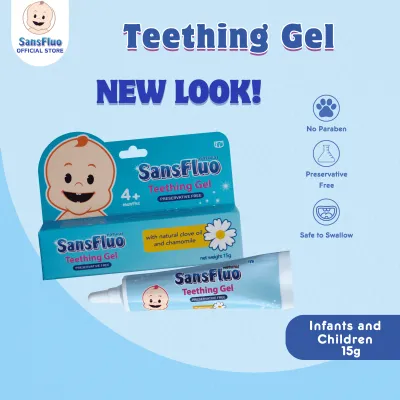
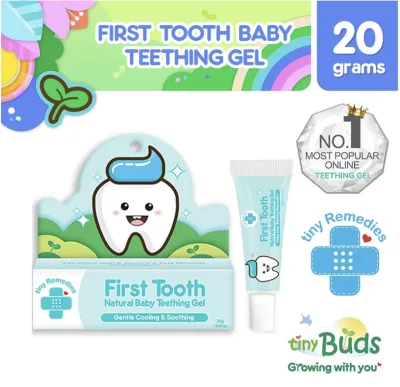
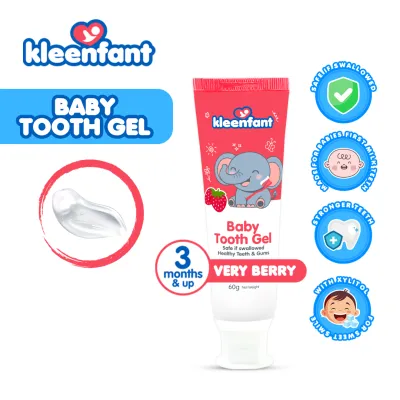
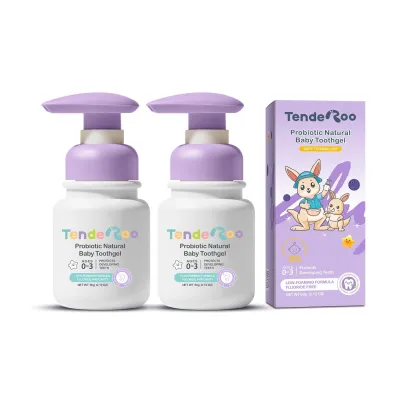
Prices are valid at publication and may change. Please refer to the product page for the latest price.
Soothing Ingredients to Look For in Baby Teething Gels
When evaluating baby teething gels, the primary goal should be gentle soothing and physical protection rather than complete sensory numbing. Safe formulations are designed to cool the gums, reduce minor irritation, and create a temporary barrier against acidic saliva. They do not rely on strong chemical anesthetics to block pain pathways, which can introduce systemic risks to an infant’s delicate organs.
Before purchasing any product, parents must carefully check the manufacturer’s age recommendations and usage instructions on the packaging. Even natural or plant-based ingredients can occasionally trigger allergic reactions or skin sensitivities in highly sensitive infants. Always consult a pediatrician to confirm that a specific gel is appropriate for your baby’s developmental stage, weight, and overall health status.
Botanical Extracts and Plant-Based Soothers
Many modern teething gels utilize botanical extracts to provide mild calming and cooling effects. Chamomile (Matricaria recutita) is one of the most common plant-based ingredients found in gentle oral care products. Historically used for its mild soothing properties, chamomile helps ease the localized tension in the gums without introducing synthetic chemicals. Aloe vera is another frequently included botanical, valued for its hydrating, cooling, and skin-conditioning properties that help take the edge off warm, irritated gum tissue.
While plant extracts are widely used, some traditional remedies carry hidden dangers. Clove oil, which contains the active compound eugenol, is a classic example of an ingredient that requires extreme caution. Although eugenol is sometimes used in adult dental care for its strong numbing and antiseptic qualities, it must be strictly avoided in infant products unless it is present in a highly diluted, pediatrician-approved formulation. In concentrated amounts, clove oil can cause severe irritation to the oral mucosa and poses a risk of toxicity to an infant’s liver and respiratory system.
To ensure safety, look for products that provide clear concentration disclosures for all botanical ingredients on the label. Avoid any teething gel that lists vague terms like “proprietary herbal blend” or “natural soothing complex” without specifying the exact plants used and their respective amounts. Transparency is your best tool for verifying that the product does not contain hidden allergens or excessively high concentrations of active botanicals.
Mild Cooling and Protective Agents
In addition to plant extracts, safe baby teething gels often incorporate mild, non-medicated agents that provide physical comfort by coating the gums. Vegetable glycerin is a common base ingredient that helps the gel maintain a smooth, thick consistency. Glycerin binds to moisture and adheres gently to the oral tissue, creating a temporary protective barrier that shields raw, exposed gums from the constant friction of saliva and emerging tooth edges.
Plant-based cellulose, such as hydroxyethylcellulose, is another safe structuring agent used to give teething gels their staying power. This ingredient helps the gel resist being washed away immediately by the baby’s saliva, allowing the soothing components to remain in contact with the gums slightly longer. These physical barriers offer a non-chemical way to reduce the constant itchiness and irritation that makes babies want to bite down on hard objects.
Xylitol is frequently added to infant oral care products as a sugar substitute. Derived from plants, xylitol provides a mild, pleasant sweetness that makes the gel acceptable to infants without promoting tooth decay. In fact, xylitol is widely recognized for its dental health benefits, as it does not feed the cavity-causing bacteria in the mouth. However, parents must still verify that the product is explicitly labeled sugar-free and confirmed safe for the baby’s specific age group, as some formulations containing xylitol may also include unsuitable preservatives.
Harmful Ingredients You Must Avoid in Teething Gels
Avoiding dangerous active and inactive ingredients is the single most critical step when shopping for baby teething gel relief. Many products historically marketed for infant teething have since been linked to severe adverse reactions, leading pediatric associations and global health authorities to issue urgent safety warnings. As a caregiver, you must read both the active and inactive ingredient lists on every package to ensure none of these high-risk compounds are present.

Topical Anesthetics Like Benzocaine and Lidocaine
Topical numbing agents, particularly benzocaine, pose the most significant risk to infants and must never be used for teething relief. Benzocaine is a local anesthetic that works by blocking nerve signals in the body. In infants, however, benzocaine absorption through the gums has been directly linked to a rare but life-threatening condition called methemoglobinemia. This disorder severely reduces the amount of oxygen carried through the bloodstream, leading to symptoms such as pale, gray, or blue-colored skin, rapid heart rate, shortness of breath, and extreme fatigue. Because of this severe risk, regulatory bodies like the US Food and Drug Administration (FDA) have issued strict warnings against using benzocaine-containing products for children under two years of age.
Lidocaine is another powerful local anesthetic that should be completely avoided in infant oral care. When applied to a baby’s gums, lidocaine is easily swallowed along with saliva. This can numb the back of the throat and the tongue, severely impairing the baby’s natural gag reflex. A compromised gag reflex increases the risk of choking on saliva, breast milk, or formula, and can make feeding highly dangerous. Furthermore, accidental ingestion of excessive lidocaine can lead to systemic toxicity, affecting the baby’s cardiovascular and central nervous systems.
To protect your infant, avoid any teething product that contains ingredients ending in the “-caine” suffix, such as benzocaine, lidocaine, or prilocaine. These substances are highly potent medical anesthetics and should only be administered under the direct supervision and explicit prescription of a qualified medical professional.
Salicylates and Aspirin Derivatives
Choline salicylate and other salicylate derivatives are active ingredients occasionally found in older or imported oral pain-relief gels. Salicylates are chemically related to aspirin and are used to reduce pain and inflammation. However, giving any form of salicylate to infants or children carries a severe risk of triggering Reye’s syndrome.
Reye’s syndrome is a rare but extremely serious condition that causes acute swelling in the brain and liver. It most commonly occurs in children who are recovering from a viral infection, such as a cold, flu, or chickenpox, and who have been exposed to salicylates. Because infants frequently experience minor viral illnesses as their immune systems develop, exposing them to salicylate-containing teething gels is highly dangerous. Always check the active ingredients list to ensure no salicylates are present in any oral care product you purchase.
Artificial Additives, Sugars, and Preservatives
Beyond active medications, the inactive ingredients in teething gels deserve close inspection. Added sugars, such as sucrose, glucose, fructose, or corn syrup, should never be present in a baby oral care gel. Because teething gels are applied directly to the gums where new teeth are erupting, any sugar content will coat the emerging enamel. This creates an ideal environment for harmful bacteria to thrive, leading to rapid-onset early childhood caries, commonly known as baby bottle tooth decay.
Parents should also steer clear of products containing parabens (such as methylparaben or propylparaben), which are synthetic preservatives used to extend shelf life but have faced scrutiny regarding their potential endocrine-disrupting properties. Artificial colors and dyes, such as Red 40 or Yellow 5, provide no therapeutic benefit and can sometimes trigger allergic reactions or skin sensitivities in sensitive infants. Opt instead for products with minimal, clean, and highly transparent ingredient lists that prioritize safety over cosmetic appearance or artificial flavoring.
How to Read Labels and Choose a Teething Gel Safely
Navigating the baby care aisle requires a systematic approach to reading product packaging. Do not rely solely on front-of-pack marketing claims, which can often be misleading or incomplete. Instead, turn the product over and carefully examine the drug facts, ingredient lists, and manufacturer warnings.
- Age Verification: Always check the minimum age limit specified by the manufacturer. Many teething gels are formulated only for babies older than 3 or 6 months. Never use a product on an infant younger than the stated age limit unless explicitly directed by your pediatrician.
- Decoding "Natural" and "Homeopathic" Claims: Be aware that terms like "natural," "organic," or "homeopathic" do not automatically guarantee safety, purity, or regulatory approval. Some homeopathic products are not subjected to the same rigorous safety testing as conventional medicines, making it essential to read the full ingredient list regardless of these labels.
- Packaging and Hygiene: Look for teething gels packaged in tubes with tamper-evident seals to ensure the product has not been contaminated. Opt for designs with narrow applicator tips or hygienic pump dispensers. In the humid climate of the Philippines, keeping oral care products free from moisture and bacterial growth is crucial; avoid products packaged in open tubs or jars where you must dip your finger directly into the container.
- When to Stop: Establish clear criteria for when to discontinue using a teething gel. Stop application immediately if your baby shows any signs of an allergic reaction, such as a localized rash around the mouth, swelling of the lips or tongue, hives, or sudden breathing difficulties. You should also stop use and consult a doctor if your baby's fussiness increases, or if the gel provides no observable relief after the recommended maximum number of daily applications.
Safe, Non-Gel Alternatives for Teething Relief
Because of the inherent risks associated with topical oral gels, many pediatricians and pediatric dentists recommend physical, non-chemical methods as the first line of defense for teething discomfort. These natural techniques are highly effective, completely free of chemical side effects, and easily accessible to parents.
Solid silicone or rubber teething rings are excellent tools for physical relief. Chilling these toys in the refrigerator provides a soothing, cold sensation that helps constrict blood vessels in the gums, temporarily reducing inflammation and numbing the pain. However, you must never place teething toys in the freezer. Freezing makes the material excessively hard and cold, which can cause severe frostbite or physical bruising to your baby’s delicate gum tissue. Additionally, avoid liquid-filled teething rings, as they can easily puncture under pressure, releasing potentially contaminated liquid into your baby’s mouth.
A simple gum massage is another highly effective way to ease teething pain. Thoroughly wash your hands with soap and clean water, then use your clean index finger to apply gentle, firm pressure directly to your baby’s swollen gums. Alternatively, you can use a clean, damp washcloth that has been chilled in the refrigerator. The textured fabric of the washcloth combined with the cool temperature provides excellent sensory relief and allows the baby to bite down safely.
Excessive drooling is a classic sign of teething, but it can lead to secondary discomforts. In hot and humid environments, constant moisture on the baby’s chin, neck, and chest can quickly cause a painful drool rash. To prevent this, gently pat your baby’s chin dry with a soft, clean cloth throughout the day. Applying a thin layer of a safe, pediatrician-approved barrier ointment around the mouth and neck can also help protect the skin from moisture irritation.
Frequently Asked Questions (FAQ)
Can I use adult oral gels for my baby?
No, you must never use adult oral pain-relief gels on an infant. Adult formulations are designed for much larger bodies and contain significantly higher concentrations of active ingredients, including dangerous local anesthetics like benzocaine or lidocaine. They also frequently contain strong preservatives, artificial flavorings, and alcohol levels that can be highly toxic to an infant’s developing organs. Using adult products on a baby carries a severe risk of accidental overdose and life-threatening complications.
At what age can babies start using teething gels?
You must always consult the specific manufacturer’s packaging to verify the minimum age requirement, as formulations vary widely. Generally, pediatricians advise extreme caution when using any topical oral gel on infants under six months of age. For younger babies, physical soothing methods—such as gentle gum massage or chilled, solid teething rings—are highly preferred and much safer than introducing chemical substances to their sensitive oral tissues.
Are homeopathic teething gels and tablets safe?
Homeopathic teething products are often not regulated with the same rigorous safety, quality, and efficacy standards as conventional over-the-counter medicines. Over the years, several homeopathic teething tablets and gels have been subject to safety recalls due to inconsistent levels of active ingredients, such as belladonna, a toxic plant extract. Because of these formulation inconsistencies and the potential for adverse reactions, it is highly recommended to consult your pediatrician before introducing any homeopathic oral care products to your baby.
Community discussion
Share your experience or ask a question. Comments are reviewed before publication.