
Protecting your baby’s delicate skin from the intense tropical sun requires a careful approach that changes as your child grows. For newborns and infants under six months of age, standard pediatric guidelines advise keeping them out of direct sunlight altogether and avoiding the use of sunscreen. Once your baby reaches six months, their skin has matured sufficiently to handle specific, gentle sunscreen formulations, though physical shade and protective clothing remain your primary lines of defense.
Age Thresholds for Baby Sunscreen Use
An infant’s skin is significantly thinner than adult skin, making it highly sensitive to environmental factors. The stratum corneum, which acts as the skin’s outer barrier, is still developing during the first few months of life. This increased permeability means that any topical products applied to a newborn’s skin are absorbed much more readily into their systemic circulation.
Additionally, babies have a much higher surface-area-to-body-weight ratio compared to adults. This means that applying sunscreen over a large portion of a newborn’s body exposes them to a disproportionately high concentration of active ingredients.
Products mentioned in this guide
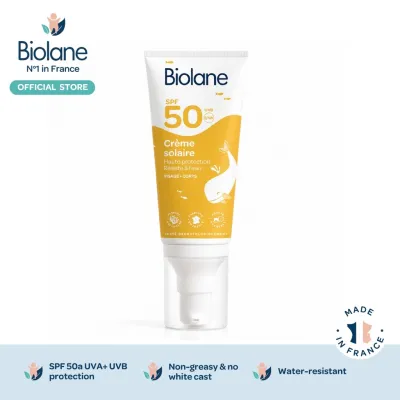
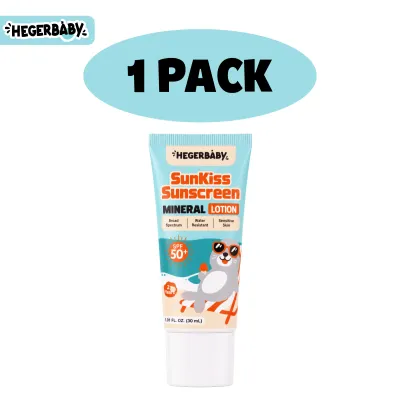
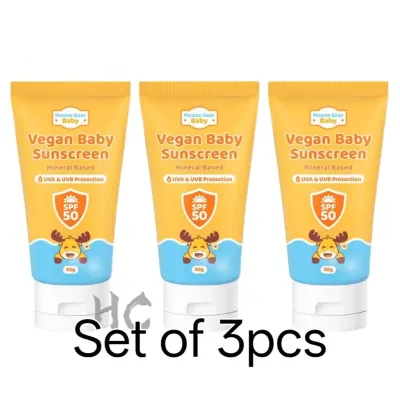
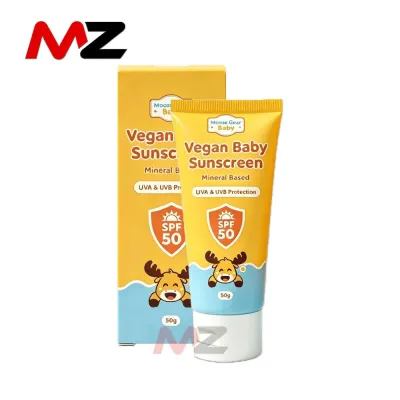
Prices are valid at publication and may change. Please refer to the product page for the latest price.
Another critical factor is heat regulation. Young infants do not sweat as efficiently as older children or adults, making them highly susceptible to overheating and heat stroke. Thick layers of sunscreen can potentially interfere with the skin’s natural ability to cool itself.
As your baby approaches the six-month mark, their skin barrier becomes more robust, and their body’s metabolic systems mature. This transition phase is the ideal time to introduce sunscreen. However, even at this stage, sunscreen should only be applied to small, exposed areas of the body that cannot be easily covered by clothing, such as the face and the backs of the hands.
Evaluating Sunscreen Formulations for Infant Safety
When choosing a sunscreen for an older infant, understanding the difference between physical and chemical formulations is essential. Physical mineral blockers, such as zinc oxide and titanium dioxide, sit on top of the skin’s surface. They act like tiny mirrors, physically reflecting and scattering harmful ultraviolet rays away from the body. Because these minerals are not absorbed into the skin, they are highly unlikely to cause allergic reactions or systemic irritation.

In contrast, chemical sunscreens utilize active ingredients like oxybenzone, avobenzone, octisalate, and homosalate. These compounds penetrate the skin and absorb ultraviolet radiation, converting it into heat which is then released from the body. For an infant’s highly permeable skin, these chemical absorbers pose a higher risk of irritation, contact dermatitis, and systemic absorption.
When reading product labels, prioritize formulations where zinc oxide or titanium dioxide are listed as the sole active ingredients. These are widely recognized as the gentlest options for sensitive young skin.
Caregivers should also carefully inspect the inactive ingredients list. Avoid products containing synthetic fragrances, parabens, phthalates, and alcohol, as these additives can strip moisture from the skin and trigger allergic reactions. Fragrance-free and hypoallergenic labels are helpful indicators, but verifying the actual ingredient list is always the safest practice.
Look for the term broad-spectrum on the packaging, which indicates that the product protects against both UVA rays and UVB rays. An Sun Protection Factor of 30 to 50 is generally recommended for infants. SPFs higher than 50 offer only marginally better protection while often requiring a higher concentration of active chemicals, so sticking to the SPF 30 to 50 range is usually ideal.
Safe Application and Skin Monitoring Practices
Before applying any new sunscreen to your baby’s entire body, performing a patch test is a crucial safety step. Apply a small, pea-sized amount of the product to a discrete area of your baby’s skin, such as the inner arm or the upper thigh. Monitor this spot over the next 24 to 48 hours for any signs of redness, swelling, itching, or tiny bumps. If a reaction occurs, discontinue use immediately and try a different formulation.
When applying sunscreen for outdoor activities, focus on specific, exposed zones while carefully avoiding sensitive areas. Keep the product away from your baby’s eyes, mouth, and nostrils to prevent accidental ingestion or painful stinging. It is also wise to avoid applying sunscreen to your baby’s hands, as infants frequently rub their eyes and put their fingers in their mouths.
Apply the sunscreen approximately 15 to 30 minutes before heading outdoors to allow the product to settle on the skin. Reapplication is just as important as the initial application. In humid tropical climates like the Philippines, sweat can quickly wash away even water-resistant formulas. Check the product label for specific reapplication intervals, which are typically every two hours, or immediately after your baby has been playing in water or sweating heavily.
Always monitor your baby’s skin during and after outdoor exposure. If you notice any signs of contact dermatitis, such as a sudden red rash, hives, or persistent scratching, wash the sunscreen off immediately with mild soap and cool water. Stop using the product and consult your pediatrician to identify the specific trigger and find a safer alternative.
Primary Sun Protection Alternatives for Newborns
For newborns and infants under six months, physical barriers are the only safe method of sun protection. Dressing your baby in lightweight, tightly woven clothing that covers their arms and legs is highly effective. Look for garments with a Ultraviolet Protection Factor rating, which indicates how much ultraviolet radiation the fabric blocks. A wide-brimmed hat that shades the face, ears, and the back of the neck is also essential, along with baby-sized sunglasses that offer ultraviolet protection to safeguard their developing eyes.
Creating a shaded environment is your primary defense when outdoors. Utilize stroller canopies, clip-on umbrellas, and natural shade from trees or buildings to keep your baby completely out of direct sunlight. When using a stroller canopy, ensure there is adequate ventilation; draping a heavy blanket over a stroller to block the sun can trap heat inside, rapidly raising the temperature to dangerous levels.
In hot and humid tropical climates, overheating is a significant risk for young infants. Monitor your baby closely for signs of heat stress, which include flushed skin, rapid breathing, extreme fussiness, or unusual lethargy. Feel the back of their neck or chest to check if they are excessively hot or sweaty, and adjust their clothing or move them to a cooler, air-conditioned space immediately if needed.
Timing your outdoor excursions is another highly effective strategy. Avoid taking your baby outside during peak ultraviolet index hours, which typically fall between 10:00 AM and 4:00 PM. Planning walks, park visits, or outdoor family gatherings for the early morning or late afternoon significantly reduces ultraviolet exposure and helps keep your baby comfortable in cooler temperatures.
Frequently Asked Questions (FAQ)
Can I use adult mineral sunscreen on my older infant?
While some adult mineral sunscreens share the same active ingredients as baby formulations, they often contain inactive ingredients that are unsuitable for infant skin. Adult products may include added fragrances, preservatives, or chemical enhancers designed to improve texture or water resistance, which can easily irritate a baby’s delicate skin barrier. Always check the product label for specific age restrictions, pediatric testing claims, or baby-safe designations before applying any sunscreen to your child.
What should I do if my baby gets a sunburn despite protection?
If your baby develops a sunburn, immediate and gentle care is necessary. Cool the skin by applying a clean, damp cloth soaked in cool water to the affected areas for a few minutes at a time. Avoid using heavy ointments, petroleum jelly, or products containing local anesthetics, as these can trap heat or cause allergic reactions. If your baby is under six months old, or if the sunburn is accompanied by blistering, fever, chills, extreme lethargy, or signs of dehydration, seek immediate medical attention from a pediatrician or healthcare professional.
Community discussion
Share your experience or ask a question. Comments are reviewed before publication.