
Preparing a nursery is one of the most exciting milestones for expectant parents, yet it often brings a wave of decision fatigue. Among the most significant choices you will face is whether to purchase a baby sleeping bed as a standalone item or to invest in a coordinated nursery furniture set that includes a changing table. This decision impacts not only your immediate budget but also your daily caregiving routines, the physical layout of your home, and how the space will adapt as your child grows.
A standalone baby sleeping bed offers maximum flexibility, allowing you to select a sleeping solution that fits your exact space and aesthetic preferences without being tied to other matching pieces. This approach is highly practical for families living in smaller homes, those who plan to room-share during the early months, or parents who prefer a minimalist lifestyle. On the other hand, a complete nursery furniture set provides an all-in-one solution that ensures visual harmony and integrated storage, streamlining the preparation process by delivering everything you need in a single purchase.
To make the right choice for your family, it is essential to evaluate how each option aligns with your living space, long-term financial plans, and daily operational needs. By understanding the functional differences, space requirements, and safety considerations of both setups, you can create a nurturing, organized, and safe environment for your baby.
Products mentioned in this guide
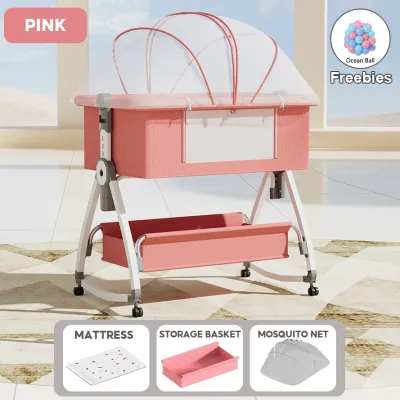
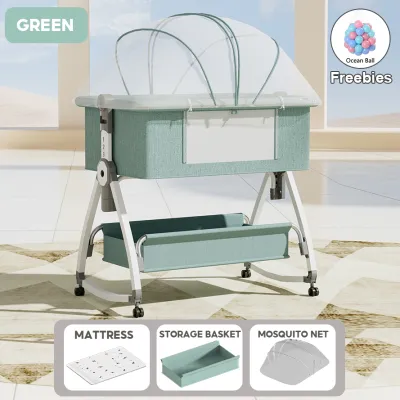
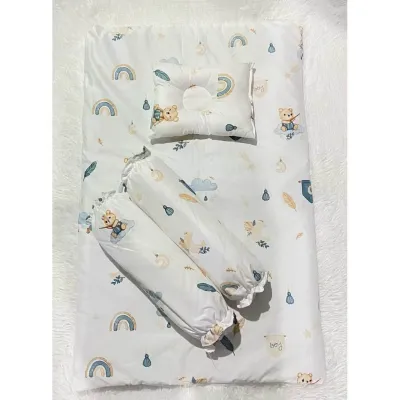
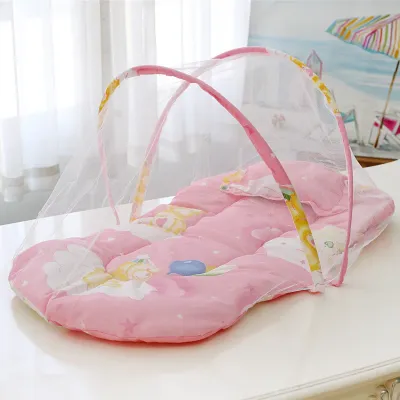

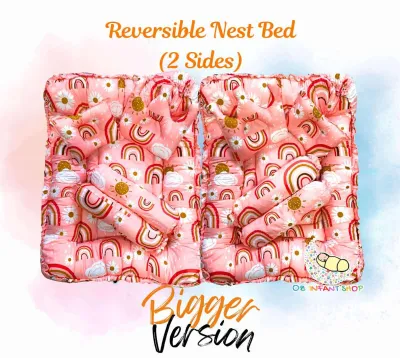
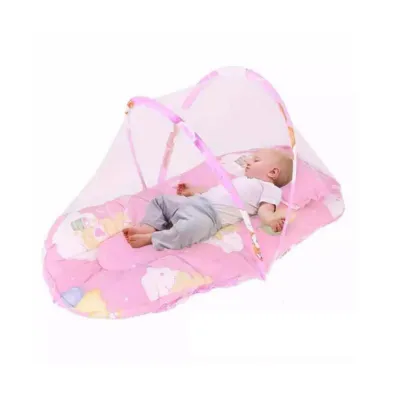
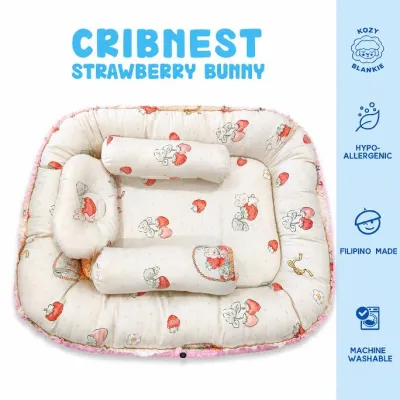
Prices are valid at publication and may change. Please refer to the product page for the latest price.
Core Differences in Function and Design
The primary distinction between a standalone baby sleeping bed and a nursery furniture set lies in their scope of utility and design cohesion. A standalone bed, typically a standard crib, bassinet, or convertible cot, is designed with a singular focus: providing a safe, comfortable, and dedicated sleep environment. Because it is sold independently, manufacturers often offer these beds in a vast array of styles, materials, and sizes, ranging from compact space-saving designs to robust convertible models that grow with your child. This independence allows you to pair the bed with existing household furniture or select eclectic pieces that reflect a personalized interior design style.
In contrast, a nursery furniture set is curated to establish a unified aesthetic throughout the room. These sets typically bundle a baby sleeping bed with a matching changing table, a chest of drawers, or a wardrobe. The design elements—such as wood grain, paint finish, hardware, and structural lines—are identical across all pieces, creating a polished and cohesive look without requiring hours of shopping to match different brands. The inclusion of a changing table in these sets introduces a dedicated, ergonomically designed workspace for diaper changes and post-bath dressing, complete with integrated shelving or drawers to keep essentials within arm’s reach.
While the coordinated design of a furniture set is visually appealing, it does limit your ability to customize individual pieces. For instance, if you find a set with a crib you love but the accompanying changing table lacks the specific drawer configuration you prefer, you must either compromise on functionality or look for alternative options. Standalone pieces, conversely, empower you to prioritize specific features for each item, such as choosing a highly breathable, lightweight crib alongside a heavy-duty, multi-functional dresser that will remain useful well into your child’s school years.
Space Planning and Room Layout
Before making any furniture purchases, measuring your available space and planning the room layout is a critical step. In tropical climates where warmth and humidity are constant factors, maintaining excellent air circulation around your baby’s sleeping area is vital for comfort and safety. A standalone baby sleeping bed occupies a relatively small footprint, making it much easier to position away from direct sunlight, air conditioning drafts, and damp exterior walls. This flexibility is particularly beneficial if you plan to keep the baby in your master bedroom for the first six months, as a compact standalone crib or bassinet can easily fit alongside your own bed.

A full nursery furniture set, however, demands a substantial amount of dedicated floor space. Placing a matching crib, changing table, and dresser into a small or awkwardly shaped room can quickly lead to overcrowding. This not only restricts your movement during late-night feedings but can also block natural airflow, making the room feel stuffy and uncomfortably warm. If you are working with a compact nursery, cramming multiple large furniture pieces into the space can create safety hazards, such as drawers that cannot open fully or furniture placed too close to windows and electrical outlets.
For families living in urban apartments or condominiums, a standalone bed paired with multi-functional furniture is often the most practical layout strategy. For example, you can place a secure, contoured changing pad on top of an existing low dresser, effectively combining two essential functions into a single footprint. This approach preserves valuable floor space, leaving room for a comfortable nursing chair or a safe play area as your baby begins to crawl. If you do opt for a full set, ensure you map out the dimensions of each piece on the floor using painter’s tape before purchasing to verify that you will have at least two to three feet of clear walking space between items.
Budgeting and Long-Term Value
Financial planning is another major factor in this decision, and parents must carefully weigh upfront costs against long-term utility. Purchasing a standalone baby sleeping bed requires a much lower initial outlay of ₱, which can be highly advantageous for families managing tight budgets or those who prefer to allocate their resources toward high-quality mattresses, organic bedding, or baby safety gear. This piecemeal approach also allows you to spread out your expenses over time, buying only what you need as your baby reaches different developmental stages.
A nursery furniture set represents a significant upfront investment in ₱, but it often offers a discounted package price compared to buying each matching piece individually. If you plan to have multiple children or intend to use the furniture for a decade or more, a high-quality set can deliver excellent long-term value. Many premium sets are designed with convertibility in mind; the crib can transition into a toddler bed, daybed, or full-sized headboard, while the changing table can be repurposed as a standard shelving unit or toy storage chest once diapering days are over.
However, parents should be realistic about the durability of these pieces and their child’s changing needs. In humid environments, wood and composite materials can be subject to wear, warping, or finish degradation over time if not properly maintained. If a convertible crib in a set becomes damaged or worn during the infant years, the long-term value of the entire set is compromised. Additionally, as children grow, their tastes and storage requirements change; a pre-teen may prefer a different style of furniture than the matching nursery set purchased before their birth, potentially cutting the expected lifespan of the furniture short.
Safety Standards and Verification
Regardless of whether you choose a standalone bed or a full furniture set, safety must always be your primary consideration. When evaluating any baby sleeping bed, caregivers must verify that the product complies with current safety standards, such as those established by recognized international testing bodies. Key physical features to check include sturdy, wobble-free construction, non-toxic and lead-free finishes, and slat spacing that is no wider than 6 centimeters to prevent a baby’s head or limbs from becoming trapped. The mattress must fit snugly within the frame, leaving no gaps wider than two fingers along the edges to eliminate suffocation risks.
For changing tables, stability and fall prevention are the most critical safety aspects. A secure changing table should feature protective barrier rails on all four sides, measuring at least 5 centimeters high, to prevent an active infant from rolling off the surface. It should also include a sturdy safety strap to secure the baby during diaper changes. Because furniture tip-overs pose a severe hazard as babies learn to pull themselves up, any dresser or changing table included in a nursery set must be securely anchored to the wall using heavy-duty furniture straps.
Because safety guidelines, manufacturing practices, and product recalls are updated frequently, parents should never rely solely on a brand’s reputation or aesthetic appeal. Always inspect the physical product or detailed specifications to verify that there are no decorative cutouts in the headboard or footboard that could catch a baby’s clothing. Regularly check all hardware, screws, and joints to ensure they remain tight and secure over months of use. Most importantly, remember that safety features are designed to assist caregivers, not replace them; never leave your baby unattended on a changing table or elevated surface, even for a brief moment.
Decision Framework: Which Option Fits Your Needs?
To determine which path is right for your family, consider the following decision framework based on your living space, lifestyle, and long-term plans.
You should choose a standalone baby sleeping bed if:
- You are working with a limited budget and want to minimize upfront expenses in ₱.
- Your nursery space is small, or you plan to share a bedroom with your baby for the first several months.
- You prefer a minimalist or eclectic home decor style and enjoy mixing different furniture pieces.
- You live in a temporary rental and want lightweight, easily transportable furniture that can adapt to future homes.
- You plan to use alternative diapering setups, such as a portable changing mat on the floor or a secure pad on an existing dresser.
You should choose a nursery furniture set with a changing table if:
- You have a spacious, dedicated nursery room and want a cohesive, professionally designed look.
- You prefer the convenience of a single, comprehensive purchase that eliminates the need to shop for matching pieces.
- You highly value the ergonomics of a dedicated, waist-high changing station with integrated storage for diapers, wipes, and clothing.
- You are looking for a long-term investment and plan to convert the crib and changing table into toddler and youth furniture.
- You have the budget to invest a larger amount of ₱ upfront for high-quality, matching wooden furniture.
By carefully analyzing your daily routines and physical space, you can select a setup that minimizes stress and maximizes comfort for both you and your baby.
Frequently Asked Questions (FAQ)
Can I use a regular dresser as a changing table instead of buying a set?
Yes, using a regular dresser as a changing table is a highly popular and practical alternative. To do this safely, you must verify that the dresser is at an ergonomic height for you, is completely stable, and is anchored securely to the wall to prevent tipping. You will need to purchase a contoured changing pad with a non-slip bottom and safety straps, securing it firmly to the top of the dresser according to the manufacturer’s instructions.
What mattress size fits a standard baby sleeping bed?
A standard full-size baby sleeping bed typically requires a mattress that is approximately 130 centimeters long by 70 centimeters wide, with a thickness of no more than 15 centimeters. However, because dimensions can vary slightly between European, American, and local manufacturers, you must always check the specific measurements specified in your bed’s instruction manual. Ensure there is a tight fit with no gaps where a baby could become wedged.
Is it safe to buy second-hand nursery furniture sets?
Buying second-hand nursery furniture can be safe and cost-effective, but it requires meticulous inspection. You must verify that the furniture has not been recalled, contains all its original hardware (never substitute missing parts with random screws), and has no structural damage or loose joints. Ensure the crib’s slat spacing is safe and that the paint finish is non-toxic and lead-free, especially on older models manufactured before modern safety regulations were established.
Community discussion
Share your experience or ask a question. Comments are reviewed before publication.