
A baby sleep tapper is a mechanical device designed to mimic a caregiver’s gentle patting motion, often using a small motorized pad that moves rhythmically to soothe an infant to sleep. While the promise of hands-free soothing is highly appealing to exhausted parents, placing a baby sleep tapper inside the crib generally contradicts established pediatric safe sleep guidelines. The primary concern is that introducing any mechanical, electronic, or loose object into an infant’s immediate sleep environment increases the risk of physical hazards.
The foundational rule of infant sleep safety is remarkably simple: the crib must remain completely bare. This means the sleep space should contain only a firm, flat mattress and a tightly fitted sheet, with no loose blankets, pillows, bumper pads, stuffed toys, or electronic gadgets. While a sleep tapper is marketed as a helpful tool to ease transitions and extend naps, placing it next to or underneath a sleeping baby directly violates this bare-crib standard.
Furthermore, no commercial sleep aid placed inside a crib has been scientifically proven to prevent Sudden Infant Death Syndrome (SIDS). In fact, relying on unverified in-crib gadgets can introduce unintended physical risks that far outweigh any temporary soothing benefits. In tropical climates like the Philippines, where high humidity and warm temperatures are a daily reality, maintaining an unobstructed, well-ventilated sleep space is crucial for your baby’s safety and thermal comfort.
Products mentioned in this guide
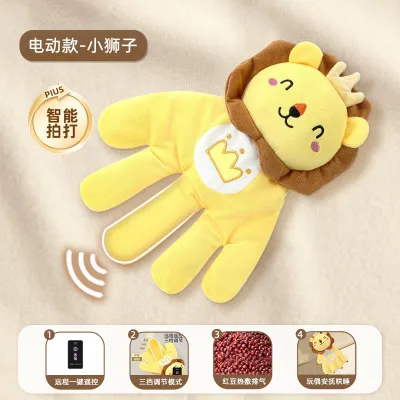
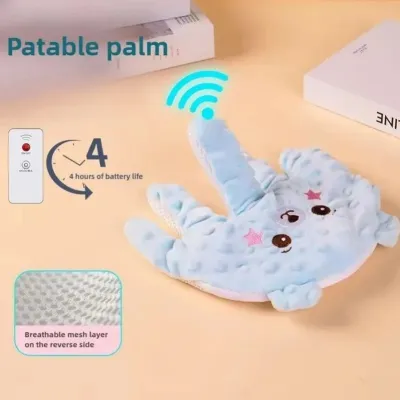
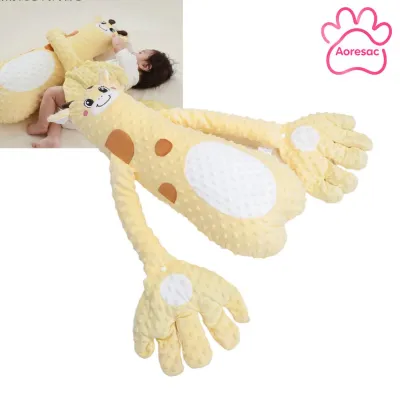
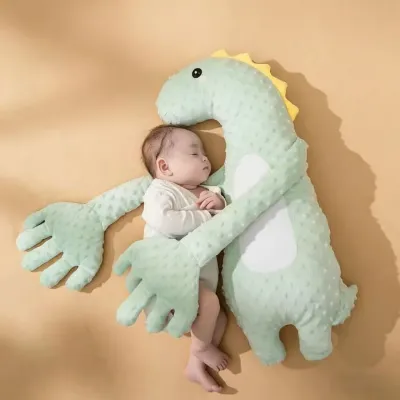
Prices are valid at publication and may change. Please refer to the product page for the latest price.
Physical Risks of In-Crib Mechanical Devices
To understand why pediatric experts advise against placing these devices in the crib, it is helpful to break down the specific physical hazards they introduce. Introducing a mechanical object into a small, enclosed sleep space creates several potential points of failure that can compromise your baby’s safety.
Suffocation and Airway Obstruction The most immediate danger associated with any loose or soft object in the crib is suffocation. A baby sleep tapper often features a soft fabric cover or a plush exterior designed to feel gentle against the baby’s skin. However, if the baby rolls over, shifts during sleep, or accidentally presses their face against the device, their airway can easily become blocked. Young infants, particularly those under six months of age, lack the motor skills, neck strength, and coordination required to push an obstructing object away or turn their heads to restore their breathing.
Entrapment and Strangulation Many mechanical sleep tappers require power cords to operate, while others use attachment straps to keep them in place. Any cord or strap introduced into or near the crib poses a severe risk of strangulation or entrapment. Even battery-operated, cordless models often contain small detachable parts, battery compartment covers, or zipper pulls that can become choking hazards if they break or loosen over time. A baby’s hands and feet are highly active during sleep, and they can easily become entangled in loose straps or cords.
Overheating and Thermal Stress In a warm and humid environment like the Philippines, managing a baby’s body temperature is a critical aspect of safe sleep. Mechanical tappers rely on internal motors and batteries to generate their rhythmic motion. These electronic components naturally produce localized heat during operation. When placed in an enclosed crib, especially underneath a baby or wrapped in fabric, the device can cause localized overheating. Overheating is a well-documented risk factor for SIDS, as infants cannot regulate their body temperature as efficiently as adults.
Sleep Disruption and Startle Reflex While designed to soothe, mechanical movements can sometimes have the opposite effect. Unpredictable vibrations, sudden changes in the tapping rhythm, or the abrupt stopping of the device when a timer expires can startle a baby. This sudden startle reflex can cause the baby to shift abruptly into an unsafe sleep position, such as rolling onto their stomach before they are developmentally ready to roll back. It can also disrupt their natural sleep cycles, leading to fragmented sleep and increased irritability.
Evaluating a Baby Sleep Tapper Against Safe Sleep Guidelines
When deciding whether to use a new baby product, it is essential to cross-reference its design and placement with universally recognized safe sleep frameworks. Pediatric health organizations around the world emphasize a simple, evidence-based approach to infant sleep, often summarized as the ABCs of safe sleep. Evaluating a baby sleep tapper against these core pillars reveals clear conflicts.

Alone The “A” in the ABCs stands for Alone. This means your baby should sleep in their own designated sleep space without any other people, pets, or objects. The sleep environment must be free of pillows, quilts, comforters, sheepskins, stuffed animals, bumper pads, and mechanical devices. Placing a sleep tapper in the crib with your baby directly violates this principle by introducing a foreign object that can shift, fall over, or interfere with the baby’s movement.
Back The “B” stands for Back. Babies should always be placed on their backs to sleep for every sleep session, both day and night. When a mechanical device is placed next to a baby to simulate patting, it can sometimes encourage the baby to lean or tilt toward the device. This lateral pressure can cause the baby to roll onto their side or stomach prematurely, which is an unsafe sleep position for infants who cannot yet roll independently in both directions.
Crib The “C” stands for Crib. The baby should sleep in a safe, approved crib, bassinet, or playard that meets current safety standards. The mattress must be firm, flat, and non-yielding. A mechanical tapper placed under the mattress sheet or directly on the sleep surface compromises this flat surface. It can create uneven areas, soft spots, or slight inclines. If an infant’s head tilts forward due to an uneven surface, it can compress their narrow airway, leading to positional asphyxia, a silent and life-threatening condition.
Before using any sleep aid, caregivers must carefully read the manufacturer’s instruction manual. Pay close attention to age limits, weight restrictions, and specific placement warnings. Many manufacturers of these devices include warnings in fine print, such as “do not place inside the crib” or “keep out of reach of children.” These warnings are legally and practically significant; they indicate that the device was not designed or certified for unsupervised use inside an active sleep environment. Marketing claims that promise “longer sleep” or “better naps” do not override medical safety guidelines or replace the absolute need for a secure, bare sleep space.
Safer Alternatives to Soothe Your Baby to Sleep
If you are struggling with a baby who wakes frequently or has difficulty settling down to sleep, it is entirely natural to look for tools to help. Fortunately, there are several evidence-aligned, safe soothing methods that do not compromise your baby’s crib safety or violate pediatric guidelines.
White Noise Machines A white noise machine is an excellent alternative to a mechanical tapper. It works by producing a consistent, soothing background sound that masks household noises, traffic, or sudden disruptions. To use a white noise machine safely, always place it outside the crib, at least a few feet away from the baby’s sleep space. Ensure the volume is set to a low, gentle level, similar to the sound of a soft shower or running water, and keep any power cords completely out of the baby’s reach.
Wearable Blankets and Sleep Sacks For babies who find comfort in a cozy, secure feeling, wearable blankets or sleep sacks are highly recommended. Unlike traditional loose blankets, which pose a significant suffocation hazard, a sleep sack is worn over the baby’s sleepwear and cannot ride up over their face. In the Philippines, look for lightweight, breathable fabrics such as single-layer cotton or muslin. These materials provide the comforting weight of a blanket while allowing excellent airflow to prevent your baby from overheating in tropical temperatures.
Pacifiers Offering a clean pacifier at naptime and bedtime is another safe and effective way to satisfy your baby’s natural sucking reflex and help them self-soothe. Scientific research has consistently linked pacifier use during sleep with a reduced risk of SIDS. If you are breastfeeding, it is generally recommended to wait until breastfeeding is well-established before introducing a pacifier. Do not attach the pacifier to a clip, ribbon, or string while the baby is sleeping, as these attachments pose a strangulation hazard.
Safe Swaddling Swaddling can be a highly effective way to calm a fussy newborn and prevent their startle reflex from waking them. However, swaddling must be done safely and discontinued at the correct developmental stage. Use a lightweight, breathable swaddle blanket or an approved swaddle sack, ensuring it is snug around the chest but loose around the hips to allow healthy joint development. You must stop swaddling your baby as soon as they show any signs of attempting to roll over, which can happen as early as two months of age.
Consistent Bedtime Routine Establishing a predictable bedtime routine is one of the most powerful ways to help your baby transition to sleep. A simple routine might include a warm bath, a gentle massage, dimming the lights, and quiet feeding. Try to place your baby down in their crib when they are drowsy but still awake. This helps them build independent sleep skills, teaching them to fall asleep without relying on constant external motion or physical intervention.
What to Do If You Already Use a Sleep Tapper
If you have already purchased or are currently using a sleep tapper inside your baby’s crib, the safest course of action is to remove the device from the sleep space immediately. While it can be difficult to change a routine that seems to be working, protecting your baby from potential physical hazards is the absolute priority.
Once you have removed the device from the crib, take the time to review the product’s official user manual, safety warnings, and any online recall notices. Understand the manufacturer’s intended boundaries; many of these products are designed solely for supervised use during awake time, tummy time, or while the baby is being held by an adult, rather than for unsupervised overnight sleep.
If your baby is experiencing severe sleep challenges, frequent night wakings, or extreme fussiness, consider discussing these concerns with your pediatrician or a certified pediatric sleep consultant. Sleep regressions, growth spurts, and teething are normal developmental phases that pass with time. Your pediatrician can help rule out any underlying medical issues, such as infant reflux or allergies, and offer safe, personalized guidance tailored to your baby’s developmental stage. Relying on professional medical advice is always safer than trusting unverified in-crib gadgets.
Frequently Asked Questions (FAQ)
Can I attach a sleep tapper to the outside of the crib rails?
Attaching a mechanical sleep tapper to the outside of the crib rails might seem like a safe compromise, but it still introduces potential risks that require careful evaluation. First, you must check if the device is explicitly designed, tested, and approved by the manufacturer for rail attachment. If it is not, the vibrations from the motor can transfer directly to the crib structure. Over time, these continuous vibrations can loosen the crib’s screws, joints, and hardware, compromising its structural integrity. Additionally, you must ensure that the device, its attachment straps, and any power cords are positioned completely out of your baby’s reach, even when they stand up or stretch their arms through the rails. A still, completely bare crib remains the safest standard for infant sleep.
Do vibrating mattresses or crib pads reduce SIDS risk?
No, vibrating mattresses, specialized crib pads, cardiorespiratory monitors, and mechanical sleep tappers have not been scientifically proven to reduce the risk of SIDS. Major pediatric health organizations, including the American Academy of Pediatrics, emphasize that there is no medical evidence supporting the claim that these commercial devices prevent sleep-related infant deaths. The gold standard for SIDS prevention remains a firm, flat, and non-vibrating sleep surface, combined with placing your baby on their back in a bare crib. Relying on vibrating devices can create a false sense of security, potentially leading caregivers to neglect essential safe sleep practices. Always prioritize established, evidence-based safety guidelines over commercial product marketing.
Community discussion
Share your experience or ask a question. Comments are reviewed before publication.