
Selecting a safe baby sitting chair requires looking beyond cute designs and focusing on structural features that actively protect a developing infant. A secure baby sitting chair support system must feature a robust harness to prevent falls, a wide and low-profile base to eliminate tip-over risks, an ergonomic backrest that matches the baby’s developmental stage, and breathable, non-toxic materials that withstand daily wear. Because infants lack fully developed core strength and balance, the chair must act as a reliable physical aid, keeping them upright without putting undue pressure on their spine or restricting their breathing. Parents should prioritize models with verifiable safety mechanisms, adjustable configurations, and clear manufacturer guidelines to ensure a secure environment for play and early feeding.
Harness and Restraint Systems for Fall Prevention
A reliable restraint system is the primary line of defense against falls, which can occur in a matter of seconds when an infant begins to wiggle, stretch, or lean. When evaluating a baby sitting chair, the harness configuration dictates how well the child is secured during active movement. A three-point harness, which secures the baby around the waist and through the crotch, is generally suitable for older infants who already possess stable head control and moderate trunk stability. However, for younger babies or highly active infants who tend to twist or lean forward, a five-point harness offers superior security by adding shoulder straps that anchor the upper body, preventing the child from leaning out of the seat or tipping forward.
Beyond the number of straps, the presence of a rigid or heavily reinforced crotch post is a critical safety feature. This post prevents a dangerous physical hazard known as “submarining,” where a baby slides downward under the waist strap, potentially trapping their head or neck. A fabric strap alone can sometimes twist or compress, whereas a solid, integrated crotch post keeps the baby’s hips firmly positioned against the backrest. When inspecting a chair, ensure this post is smooth, padded, and positioned comfortably to prevent chafing while still performing its structural duty.
Products mentioned in this guide
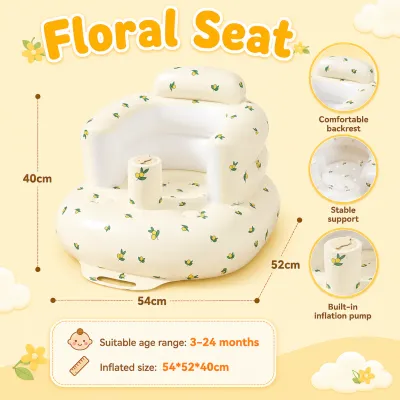
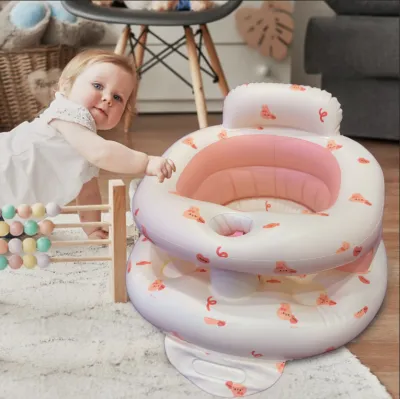
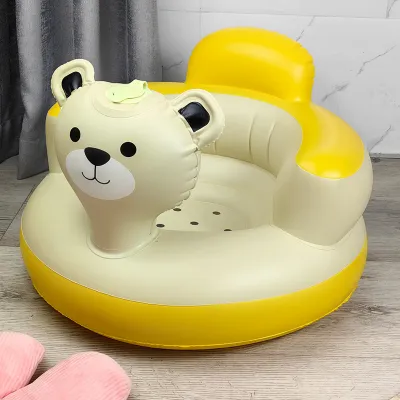
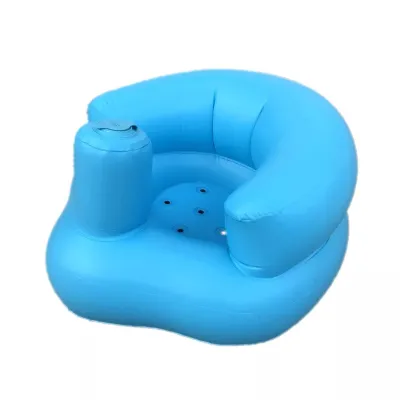
![[Bside Tool Store] Infant Safety Seat Sofa Cover Without Cotton Plush Baby Learning Sit Chair Toys{not contain cotton}](https://img.lazcdn.com/g/p/a232bc2ecc7cfeb353c9bac3f412dacd.jpg_400x400q80.jpg_.webp)

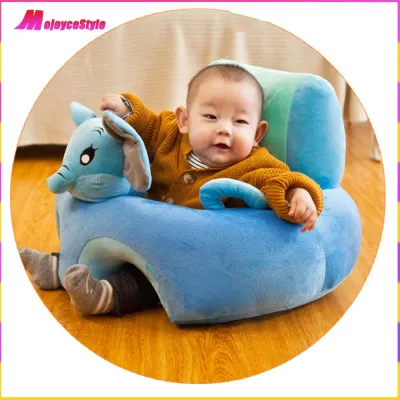

Prices are valid at publication and may change. Please refer to the product page for the latest price.
The buckle mechanism itself requires close inspection before purchase or use. Parents should test the buckle to ensure it locks with a distinct, audible click, indicating that the prongs are fully engaged. The release mechanism must be stiff enough to prevent a curious toddler or sibling from accidentally opening it, yet smooth enough for an adult to operate quickly with one hand in an emergency. Look for durable, high-density plastics that do not bend or show stress marks when pressure is applied, as weak buckles can fail over time under the repetitive strain of daily fastening.
Base Stability and Tip-Over Prevention
The physical footprint of a baby sitting chair determines how well it resists tipping when the baby shifts their weight or kicks their legs. A safe chair must feature a wide, low-profile base where the center of gravity remains low to the ground, even when the baby is sitting fully upright. If the seat is elevated, the base must flare outward significantly to distribute the weight over a larger surface area. Avoid chairs with narrow bases or top-heavy designs, as a sudden, forceful kick against a nearby wall or table can easily destabilize the entire structure.

Floor surfaces play a major role in how a sitting chair behaves during use. In many homes, especially in tropical climates like the Philippines, floors are commonly made of smooth ceramic tiles, polished concrete, or varnished hardwood. On these slick surfaces, a lightweight plastic or fabric chair can easily slide when the baby moves, potentially moving the chair toward hazards. To prevent this, look for chairs equipped with robust, non-slip rubber feet or continuous grip pads along the bottom edge. These rubberized elements create friction, keeping the chair firmly anchored in its original position during active play.
Even the most stable base cannot overcome the dangers of improper placement. A fundamental safety rule of baby sitting chairs is that they must only be used on flat, level floor surfaces. Placing a sitting chair on elevated surfaces like sofas, beds, dining tables, or kitchen counters is extremely dangerous, as the baby’s natural movements can cause the chair to slide off the edge. Additionally, always position the chair well away from high-traffic walkways, doorways, and potential hazards like electrical cords, low shelves, or heavy drapes that the baby might reach for and pull down.
Backrest Angle and Posture Support
An infant’s spine and neck muscles develop gradually, meaning a sitting chair must offer the appropriate level of physical support for their specific developmental stage. For younger infants who are just beginning to transition from lying down to sitting, adjustable recline options are essential. A semi-reclined position supports the head and neck, preventing the chin from dropping toward the chest, which can restrict the baby’s delicate airway. As the baby gains head control, the chair can be gradually adjusted to a more upright position to encourage active muscle engagement.
When a baby is placed in an upright sitting position, the backrest must provide firm, continuous support along the entire length of the spine. Soft, saggy fabric seats that lack internal structural support can cause the baby to slouch or slump to one side. This poor posture not only strains developing muscles but can also compress the chest cavity, making breathing more difficult. Look for chairs with contoured backrests that mimic the natural curve of a baby’s back, keeping their hips tucked back and their torso aligned.
Before placing a baby in any sitting chair, parents must verify the manufacturer’s recommended age, weight, and developmental milestones. Some chairs are designed strictly for babies who can already sit upright unassisted, while others feature supportive inserts for younger infants. Never assume a chair is suitable based on the baby’s age alone; physical milestones, such as the ability to hold the head steady without support, are far more reliable indicators of readiness. Always consult the product manual to ensure the baby meets all criteria for the specific seat configuration.
Material Safety and Structural Integrity
The physical materials used to construct a baby sitting chair must be durable enough to withstand daily use while remaining completely safe for direct contact with sensitive baby skin. When examining the frame, look for sturdy construction with secure, tight-fitting joints that do not wobble or flex under pressure. Run your hands along all edges, corners, and hinges to verify the complete absence of sharp plastic flashing, rough wooden splinters, or exposed metal screws. Any folding mechanisms or adjustable joints must feature locking sleeves or safety covers to prevent tiny fingers from getting pinched.
Fabric selection is another critical factor, particularly in warm, humid environments where sweat and moisture can quickly accumulate. Heavy, non-breathable synthetic fabrics can trap heat, leading to discomfort and skin irritation like heat rashes. Opt for chairs with breathable, moisture-wicking fabrics or mesh panels that promote airflow around the baby’s back and thighs. Additionally, check the manufacturer’s labels to ensure the fabrics and foam padding are free from harmful chemical treatments, flame retardants, and heavy metals, and verify that the fabric covers are easily removable and machine-washable for proper hygiene.
The density of the seat padding directly affects both comfort and safety. High-quality sitting chairs utilize high-density foam that supports the baby’s weight without compressing completely. If the padding is too soft or thin, the baby may “bottom out,” sitting directly on the hard plastic or wooden frame beneath, which can cause discomfort and pressure points. Press down firmly on the seat cushion with your hand; it should compress slightly to cushion the baby but quickly spring back to its original shape, indicating resilient, supportive foam.
Safe Usage Boundaries and When to Stop Using
Every baby sitting chair has strict operational limits designed to prevent structural failure or physical instability. Parents must locate the product label or consult the user manual to identify the maximum weight and height limits specified by the manufacturer. Exceeding these limits can place excessive stress on the frame joints, straps, and buckles, increasing the risk of sudden breakage. Regularly weigh and measure your baby to ensure they remain well within the safe operating parameters of the chair.
Beyond numerical limits, a baby’s physical development is the ultimate guide for when to transition out of a sitting chair. Once a baby begins attempting to stand up, lean excessively over the sides, or climb out of the harness, the chair is no longer safe to use. These movements shift the center of gravity upward and outward, making even the most stable base prone to tipping. If you observe your baby trying to pull themselves up or twist out of the restraints, it is time to discontinue use immediately and transition them to floor play or a more secure high chair.
To maintain long-term safety, establish a routine of regular inspections for wear and tear. Over weeks of daily use, straps can become frayed, buckles can accumulate dirt or food crumbs that interfere with locking, and frame joints can loosen. Check all stitching along the harness straps, test the buckle release multiple times, and tighten any visible screws or fasteners according to the manufacturer’s instructions. If you notice any cracked plastic, torn fabric, or malfunctioning buckles, stop using the chair immediately and contact the manufacturer for replacement parts rather than attempting temporary home repairs.
Frequently Asked Questions (FAQ)
Can a baby sitting chair be used for sleeping?
No, a baby sitting chair should never be used as a dedicated sleep space. When an infant falls asleep in an upright or semi-reclined position, their heavy head can easily drop forward onto their chest. Because their neck muscles are still weak, this chin-to-chest position can compress their airway, leading to positional asphyxia, a silent and dangerous condition. If your baby falls asleep while sitting in the chair, gently transfer them immediately to a firm, flat sleep surface, such as a crib, bassinet, or playpen, where they can sleep safely on their back.
Is it safe to place a baby sitting chair on a table or counter?
No, it is highly dangerous to place a baby sitting chair on any elevated surface, including tables, kitchen counters, beds, or sofas. Even if the baby is securely buckled, their natural movements, kicks, and shifts in weight can cause the chair to slide or tip over the edge. The impact of a fall from counter height onto a hard floor can cause severe injuries. To ensure absolute safety, always place the sitting chair directly on the floor, keeping it well away from stairs, steps, open doors, hot appliances, and dangling electrical cords.
Community discussion
Share your experience or ask a question. Comments are reviewed before publication.