
Quick Answer: Which Infant Seat Is Best for a Newborn?
Choosing the right seat for your newborn involves balancing your baby’s unique soothing preferences, your home’s layout, and your daily parenting routine. There is no single “best” option that works universally for every family. Instead, the ideal choice depends on what you hope to achieve: effortless portability, hands-free automated soothing, or a compact, manual middle ground.
Before comparing features, you must prioritize the most critical safety rule: none of these infant seats are approved for safe, unsupervised sleep. While they are excellent tools for keeping an awake baby content, they do not replace a firm, flat sleep surface.
To help you decide, here is how their primary purposes differ at a glance:
Products mentioned in this guide
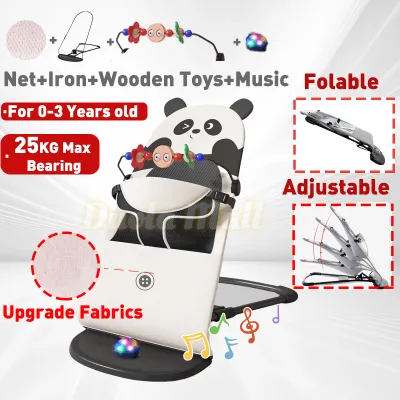
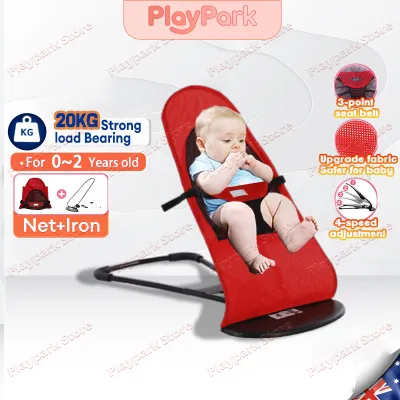
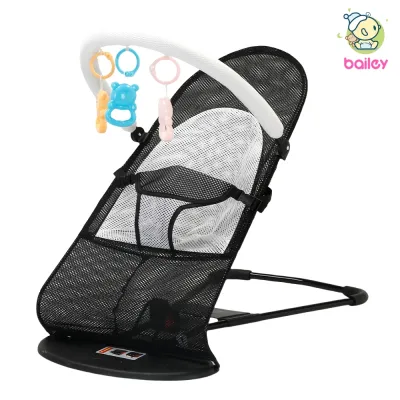
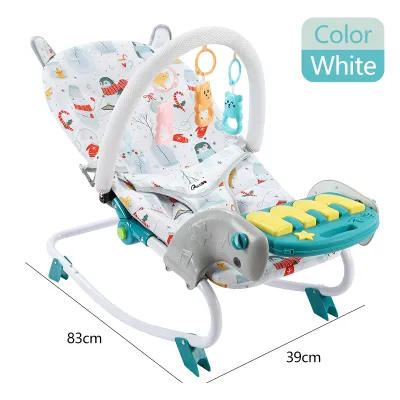
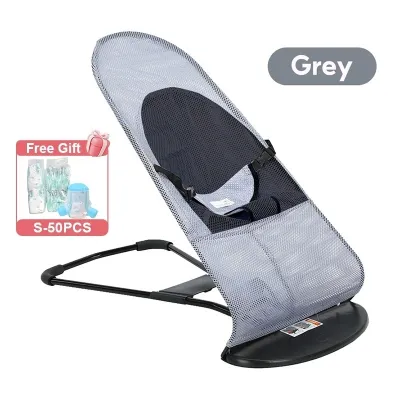
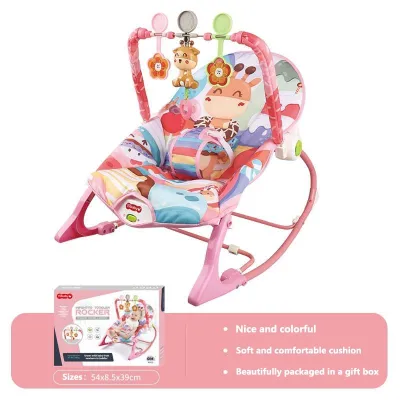
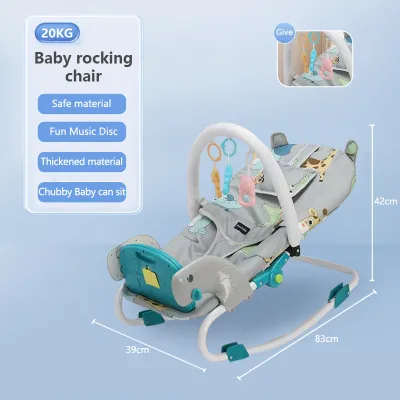
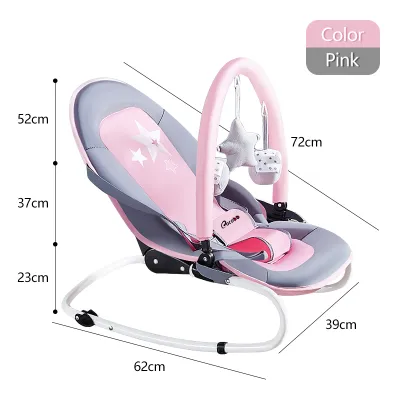
Prices are valid at publication and may change. Please refer to the product page for the latest price.
- Baby bouncers excel in lightweight portability, using your baby's own natural movements or your gentle taps to create a springy, responsive bounce.
- Baby swings provide continuous, automated, hands-free motion via a motorized frame, making them ideal for babies who require constant movement to settle.
- Baby rockers offer a manual, gentle back-and-forth gliding motion on curved rails, often featuring compact frames and optional battery-operated vibration settings.
Rocker vs. Swing vs. Bouncer: Core Differences Explained
Understanding the mechanical differences and design principles of these three options is the first step in determining which one will integrate seamlessly into your household.

Baby Bouncers
Baby bouncers sit very low to the ground and operate on a simple, springy frame. They do not rely on motors or plugs; instead, they are powered entirely by the baby’s own physical movements—such as kicking their legs or waving their arms—or by a caregiver’s gentle hand or foot tap.
Because they lack heavy motors or complex frames, bouncers are exceptionally lightweight and highly portable. Most models can be folded completely flat, allowing you to slide them under a couch or pack them into a car trunk for travel. This minimalist design makes them a favorite for parents who need a safe, secure spot to place their baby while moving from room to room.
Baby Rockers
Baby rockers share a similar low-profile footprint with bouncers, but they utilize a curved base instead of a springy frame. This curved design allows the seat to rock back and forth in a smooth, manual motion, mimicking the classic feel of a traditional rocking chair.
Rockers typically feature slightly more structured padding than minimalist bouncers, providing a cozy, nest-like environment. Many models also include a small, battery-operated vibration unit built into the seat frame to help soothe fussy infants. While some rockers can be locked into a stationary position, they still require physical effort from a caregiver to maintain the rocking motion.
Baby Swings
Baby swings are motorized, suspended seats designed to deliver continuous, automated motion without requiring constant physical intervention from a parent. These units are significantly larger, heavier, and more complex than bouncers or rockers. They operate using either a power outlet or multiple batteries to sway the seat in various directions, such as front-to-back, side-to-side, or in complex multi-directional patterns.
Because of their sturdy, wide-standing frames and motorized components, baby swings are generally stationary fixtures. They require a dedicated patch of floor space and are not easily moved from room to room. However, their ability to provide consistent, hands-free motion for extended periods makes them highly effective at calming infants who crave constant rhythm.
Safety First: Newborn Guidelines and Sleep Rules
When introducing any infant gear into your home, safety must be your absolute priority. Newborns have unique physiological vulnerabilities that require strict adherence to manufacturer guidelines and pediatric safety recommendations.
The "Awake and Supervised" Rule
Rockers, swings, and bouncers are strictly designed for awake, supervised use. They are not safe for sleep. Because these seats keep infants at an incline, a sleeping baby’s heavy head can easily fall forward onto their chest. This position can kink their soft, developing trachea, leading to positional asphyxiation—a silent and rapid hazard.
If your newborn falls asleep while in a bouncer, rocker, or swing, you must transition them to a safe sleep environment as soon as possible. Safe sleep guidelines dictate that infants should always sleep on their back on a firm, flat, and level surface, such as a crib, cot, or bassinet, free of loose blankets, pillows, or plush toys.
Newborn Neck and Head Support
Newborns lack the neck muscle strength to support their own heads. When selecting a seat, you must verify that the model is rated for newborns and offers an adequate recline angle to prevent the baby’s head from slumping forward.
Always check the manufacturer’s documentation for minimum age, weight, and height requirements. If the seat includes a specialized newborn insert or head support cushion, verify that it is an official, manufacturer-approved accessory designed specifically for that model. Never add aftermarket pillows or rolled blankets to prop up your baby’s head, as these can introduce suffocation risks.
Harness Usage
Every time you place your baby in a bouncer, rocker, or swing, you must secure them using the integrated safety harness. Most infant seats feature either a 3-point or a 5-point harness system.
Even if your newborn cannot yet roll or push themselves up, sudden startle reflexes or sliding can cause them to slip down, potentially trapping their neck or limbs. Ensure the straps are snug against your baby’s body and that the buckle is fully clicked into place, even if you are only placing the seat on the floor right next to you.
Container Time Limits
While infant seats are highly convenient, babies should not spend excessive amounts of time in them. Overusing seated infant gear—often referred to by pediatricians as “container syndrome”—can contribute to positional plagiocephaly (flat head syndrome) because of the continuous pressure on the back of the baby’s soft skull.
Spending too much time restricted in a seat can also delay motor milestone development. To support healthy physical growth, limit your baby’s time in any seated container to short intervals, such as 15 to 30 minutes per session, and prioritize plenty of supervised floor play and tummy time throughout the day.
Placement Safety
Infant seats must always be placed directly on the floor. Never place a bouncer, rocker, or swing on elevated surfaces such as kitchen countertops, dining tables, beds, or sofas.
Even a very young infant can generate surprising momentum through kicking and twisting. These movements can cause the seat to slide, tip over, or fall off elevated surfaces, resulting in severe injury. Additionally, placing a seat on a soft surface like a bed or sofa can cause the seat to tip into loose cushions, posing a suffocation risk.
Comparing Key Features for the Newborn Stage
To help you visualize how these three options stack up against each other, consider the practical features that will impact your daily routine during your baby’s first few months.
| Feature | Baby Bouncer | Baby Rocker | Baby Swing |
|---|---|---|---|
| Primary Motion | Responsive, vertical bouncing | Manual, back-and-forth rocking | Automated, continuous swaying |
| Power Source | None (manual/baby-powered) | None or small battery for vibration | AC wall adapter or heavy batteries |
| Portability | High (lightweight, often folds flat) | Moderate (relatively light, semi-portable) | Low (heavy, bulky, stationary) |
| Footprint | Compact and space-saving | Compact to medium | Large and wide-standing |
| Price Range | Broad (₱1,500 to ₱12,000+) | Broad (₱1,800 to ₱8,000+) | Mid to High (₱4,000 to ₱15,000+) |
Soothing Effectiveness
For many parents, the choice comes down to how their specific baby prefers to be comforted. Motorized swings excel at providing continuous, rhythmic, hands-free motion that mimics the swaying sensation of the womb. This automated movement can be highly effective at calming colicky or fussy newborns.
Bouncers and rockers, on the other hand, rely on manual or baby-led motion. A bouncer responds directly to your baby’s kicks, which can be highly engaging and soothing for an alert, active infant. Rockers require you to manually push the seat, offering a classic, gentle glide that is ideal for babies who prefer a slower, more predictable movement.
Portability and Space
Your living environment plays a major role in which seat is most practical. In homes where space is limited, a bulky, wide-legged motorized swing can quickly crowd your living area.
If you need to move the seat frequently—such as carrying it into the bathroom so you can take a quick shower, or moving it to the kitchen while you prepare meals—a lightweight bouncer or compact rocker is highly superior. Their small footprints and easy-to-carry frames allow you to keep your baby close and supervised wherever you go in the house.
Power and Maintenance
Because baby swings rely on motors, they require proximity to an electrical outlet or a steady supply of batteries. In the Philippines, where seasonal weather can occasionally cause power fluctuations or outages, having a manual backup option or a seat that runs independently of electricity is highly practical.
Maintenance is another key factor, especially in tropical climates. High humidity and warm temperatures mean babies can sweat easily, making removable, machine-washable fabric covers a necessity. Before purchasing, verify how easily the fabric seat cover can be detached from the frame for regular washing to prevent sweat buildup, spit-up stains, and mildew.
Longevity and Weight Limits
None of these infant seats are long-term furniture investments. Most models are designed strictly for the first few months of life.
You must check the specific manufacturer’s label for the exact weight and developmental limits of your chosen model. Generally, babies outgrow these seats as soon as they reach the maximum weight limit, or when they hit physical milestones such as attempting to sit up unassisted, rolling over, or trying to climb out of the harness.
The Decision Framework: Which Seat Fits Your Family?
To make your final decision, evaluate your daily lifestyle, your budget, and your physical space against the following scenarios.
Choose a Bouncer if:
- You have limited living space: You need a compact seat that can be tucked away easily when not in use.
- Portability is your top priority: You want to easily carry the seat from room to room with one hand so you can keep an eye on your baby while attending to household chores.
- Your baby enjoys self-soothing: Your infant is responsive to their own movements and enjoys the gentle, springy bounce created by their own kicks.
Choose a Rocker if:
- You want a cozy middle ground: You prefer a seat that is more structured and padded than a minimalist bouncer, but still highly portable compared to a swing.
- You enjoy manual interaction: You find comfort in sitting nearby and gently rocking your baby with your hand or foot while reading, working, or watching television.
- You want built-in vibration: Your baby is highly responsive to steady, gentle vibrations, which are common features in many rocker models.
- Your budget is moderate: You want a reliable soothing tool without investing in a costly, high-end electronic swing.
Choose a Swing if:
- Your baby demands constant motion: Your newborn is highly active or fussy and only settles when walked, rocked, or swayed continuously.
- You have ample floor space: You have a dedicated, spacious area in your home where a wide-standing, stationary swing can safely reside near a power outlet.
- You need hands-free assistance: You require a reliable, automated tool to keep your supervised baby calm for short intervals while you attend to other tasks nearby.
Verify First if:
- Your baby has medical conditions: If your newborn has severe infant reflux, developmental delays, or was born prematurely, consult your pediatrician before using any inclined infant seat. A medical professional can provide specific guidance on safe positioning, appropriate recline angles, and daily usage limits tailored to your baby's health needs.
Safe Usage and Knowing When to Transition
As your baby grows, their physical capabilities will change rapidly. Ensuring safe usage requires ongoing vigilance and timely transitions to other developmental activities.
Signs to Stop Using
You must stop using your bouncer, rocker, or swing immediately when your baby displays any of the following signs:
- They reach the maximum weight or height limit specified by the manufacturer.
- They learn to sit up unassisted.
- They begin attempting to roll over or push themselves up onto their hands and knees.
- They show signs of trying to climb out of the harness, which can cause the seat to tip over.
Transitioning to Floor Time
As your baby outgrows their infant seat, focus on transitioning them to active floor play. Placing a clean, padded play mat on the floor provides the ideal environment for tummy time, rolling practice, and eventual crawling.
Floor play allows your baby to use their muscles dynamically, building the core, neck, and shoulder strength necessary for major physical milestones. While infant seats are helpful tools for brief periods of rest, the floor is where your baby’s physical development truly thrives.
Cleaning and Maintenance
To keep your infant seat safe and hygienic, perform regular maintenance checks. Inspect the harness straps for fraying, ensure the plastic buckles click securely, and check the frame joints for any signs of loosening or wear.
In humid tropical climates, moisture can easily collect underneath the fabric seat cover. Periodically remove the cover and wash it according to the manufacturer’s care label. Ensure the fabric is completely dry before reassembling it onto the frame to prevent the growth of mold or mildew, keeping the seat clean and safe for your baby’s sensitive skin.
Frequently Asked Questions (FAQ)
Can a newborn sleep in a rocker, swing, or bouncer?
No. Unsupervised or prolonged sleep in these inclined seats is unsafe for newborns. Because of their incline, a sleeping baby’s head can tilt forward, potentially blocking their airway. If your baby falls asleep in an infant seat, always transfer them to a firm, flat sleep surface, such as a crib or bassinet, as soon as it is safe to do so.
Are vibrations in rockers and bouncers safe for newborns?
Gentle, low-frequency vibrations built into manufacturer-approved infant seats are generally considered safe for soothing awake newborns. However, you must always follow the manufacturer’s age and weight guidelines. Discontinue using the vibration feature immediately if your baby shows any signs of discomfort, overstimulation, or distress.
Do I need both a swing and a bouncer?
No, you do not need both. While they serve a similar purpose of providing a safe spot for your awake baby, they excel in different areas—swings for automated motion and bouncers for compact portability. Evaluate your budget, available floor space, and whether your baby prefers continuous mechanical swaying or responsive, baby-led bouncing before making a single purchase.
Community discussion
Share your experience or ask a question. Comments are reviewed before publication.