
Protecting a curious toddler from electrical hazards is a top priority for any parent, but standard baby-proofing measures often overlook the unique dangers of wet environments. In a tropical and humid climate like the Philippines, water and electricity are a volatile mix. While standard plastic outlet caps might keep dry fingers out, they offer no defense against splashes, leaks, or heavy humidity. To truly secure your home, you must identify where water exposure meets your child’s natural curiosity and install a dedicated socket cover waterproof enclosure in those high-risk areas.
By systematically mapping out your home’s water zones, you can prevent dangerous electrical contacts. This guide outlines exactly which rooms require these specialized covers, how to assess moderate-risk areas, and what safety specifications to look for when shopping.
Why Standard Socket Covers Fall Short in Wet Areas
Standard plastic plug inserts—the small, flat caps that push directly into outlet slots—are designed solely to prevent children from inserting foreign objects. While useful in dry living rooms, they fail completely when exposed to moisture. A toddler’s fine motor skills develop rapidly between the ages of 1 and 3, and many children quickly learn how to pry these simple inserts out of the wall, rendering them useless.
Products mentioned in this guide
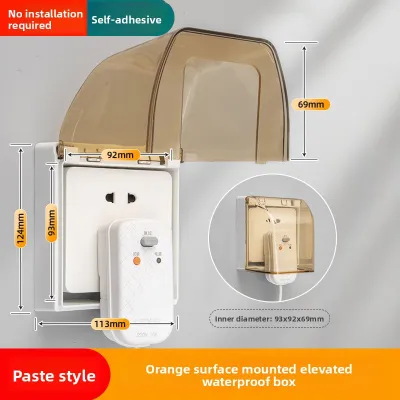
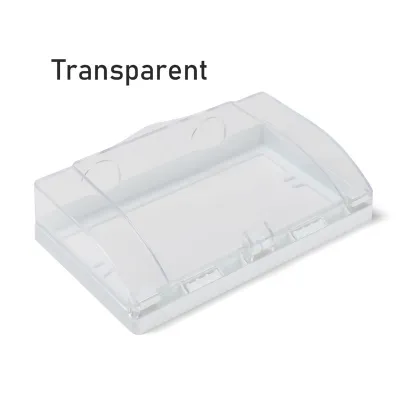
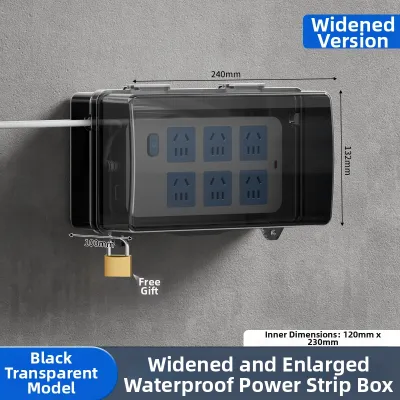
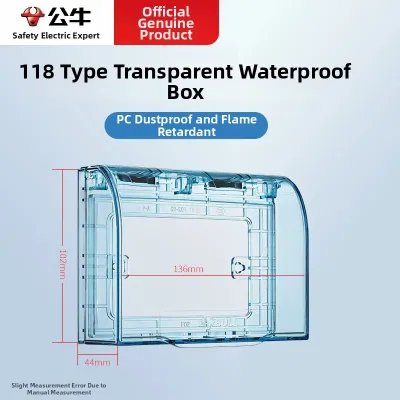
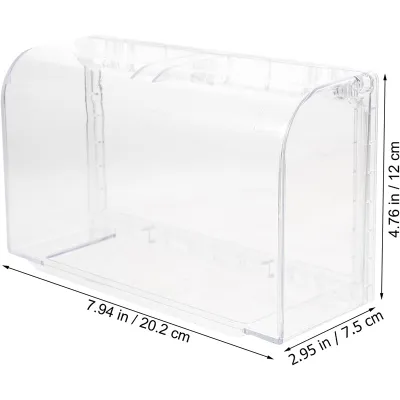
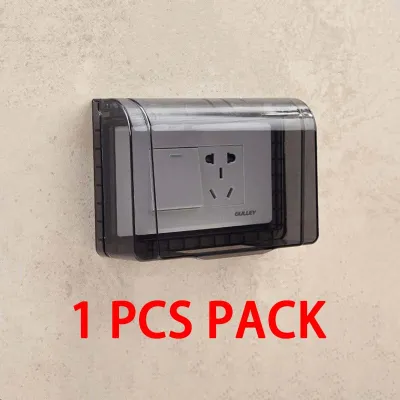
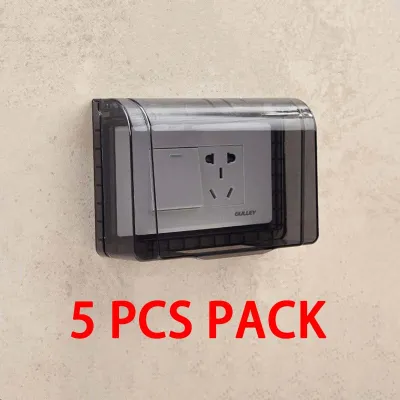
Prices are valid at publication and may change. Please refer to the product page for the latest price.
Furthermore, standard inserts do not create a liquid-tight seal. If water splashes onto the outlet faceplate, it can easily seep through the gaps of a standard plastic insert and reach the live contacts inside. This creates an immediate short-circuit hazard that can shock anyone nearby or damage your home’s electrical system.
True waterproof socket covers feature a completely different design. These are robust, box-like enclosures that install over the entire outlet faceplate. They utilize hinged protective flaps, deep housings, and rubber gaskets to seal out moisture. This design ensures that even if water is sprayed directly at the outlet, the liquid runs off the exterior housing without reaching the internal wiring.
Wet hands pose another significant danger that standard inserts cannot address. Toddlers frequently have damp fingers from playing, eating, or washing up. If a child touches a standard outlet cover with wet hands, the moisture can bridge the electrical current directly to their skin. Ground-level outlets are also vulnerable to water pooling during routine floor mopping or accidental drink spills, making sealed enclosures essential for low-lying sockets.
High-Risk Zones: Where Waterproof Covers Are Essential
Certain areas of the home are inherently wet, experiencing daily splashing, high humidity, and direct water contact. In these high-risk zones, standard outlets should be upgraded to waterproof enclosures immediately to protect crawling babies and active toddlers.

Bathrooms and Wet Kitchen Areas
Bathrooms represent the highest risk of water-related electrical accidents in the home. In many Philippine households, bathrooms are equipped with high-pressure bidet sprays, which can easily mist or splash water across the entire room. Sockets located near bathroom sinks, bidets, and showers are constantly exposed to direct splashes and wet hands.
Kitchens present a similar hazard, particularly around the kitchen sink, food preparation areas, and water dispensers. Toddlers love to play with water and mimic adult chores. A child splashing water at the kitchen sink or playing with a water dispenser can easily send a stream of water toward a nearby wall outlet.
Steam is a silent but persistent threat in both bathrooms and kitchens. Hot showers and boiling pots produce heavy steam that condenses into water droplets on cool wall surfaces. Over time, this condensation can accumulate inside unprotected socket gaps, leading to corrosion and silent electrical faults. To mitigate this:
- Check the seals: Ensure the rubber gaskets on your waterproof covers are intact and free of cracks.
- Verify closed flaps: Keep the protective flaps snapped shut whenever the outlet is not in active use.
- Supervise closely: Never leave a toddler unattended in a bathroom or kitchen, even if waterproof covers are installed.
Laundry Zones and Utility Sinks
Laundry areas, whether located in a dedicated utility room or an open-air “dirty kitchen,” are centers of high moisture. Sockets in these zones power heavy-duty appliances like washing machines, spin dryers, and water heaters, which draw significant electrical current.
These areas are prone to dripping clothes, spilled liquid detergents, and accidental overflows from utility sinks. Puddles can quickly form on the floor, creating a path for electrical currents if a low-lying outlet is compromised.
A crawling baby exploring the floor can easily come into contact with these wet surfaces. If you have an outlet situated near a washing machine or utility sink, a waterproof cover is vital to isolate the electrical connection from any standing water or damp air. Always consult the appliance’s safety manual for specific installation clearances.
Outdoor, Balcony, and Garden Sockets
Outdoor living spaces such as lanais, balconies, driveways, and open-air washing areas are highly popular in tropical regions. However, these spaces are directly exposed to intense weather elements, including sudden monsoon rains and extreme ambient humidity.
Toddlers playing outdoors with water toys, inflatable pools, or garden hoses can easily spray water toward exterior walls. A standard outdoor outlet cover that only protects against vertical rain is insufficient when a child is actively spraying water horizontally or upward.
Outdoor sockets require heavy-duty, weather-resistant enclosures that maintain a watertight seal even when an appliance cord is plugged in. Ensure these covers are rated for outdoor use and keep them locked or securely latched to prevent curious toddlers from opening them during outdoor playtime.
Moderate-Risk Zones: Assessing the Need for Waterproofing
While bathrooms and kitchens are obvious danger zones, other areas of the home present moderate risks that parents must carefully evaluate. These are spaces that are typically dry but contain localized water hazards or experience high toddler traffic.
Localized Water Sources
Walk through your living room, dining area, and nursery to identify localized water sources. Sockets located near the following items should be considered for waterproof upgrades:
- Aquariums and pet bowls: Water changes can cause spills, and pets can splash water from their bowls.
- Humidifiers and diffusers: These devices emit a continuous mist that can settle on nearby walls and outlets.
- Indoor plants: Watering indoor plants can lead to accidental spills or runoff near wall sockets.
Open-Plan Living Areas
Ground-level sockets in living rooms and dining areas are within easy reach of crawling babies. Daily household chores, such as wet mopping tiled floors, can leave damp residue near baseboard outlets. Accidental spills of milk, juice, or water during family meals can also run down walls and pool around low-lying sockets.
The 1-Meter Splash Zone Rule
To simplify your baby-proofing decisions, apply the 1-meter splash zone rule. If a wall outlet is within a toddler’s reach (typically below 1.2 meters from the floor) and sits within a 1-meter radius of any water source, it should be upgraded to a waterproof cover.
Always assess your home from a toddler’s eye level. Get down on your hands and knees to spot hidden outlets behind sofas, under dining tables, or near indoor plants. If a crawling baby can access the space, the outlet must be secured against both fingers and moisture.
How to Choose and Verify Waterproof Socket Covers
When shopping for a socket cover waterproof solution, it is important to look past generic marketing claims and focus on verified safety specifications. Not all covers are created equal, and choosing the wrong type can leave your home vulnerable.
Checking Labels and Ratings
Do not rely solely on packaging that claims to be “waterproof” or “baby-safe.” Instead, verify the product’s Ingress Protection (IP) rating. An IP rating consists of two numbers: the first measures protection against solid objects, and the second measures protection against liquids. For wet indoor areas like bathrooms and kitchens, look for a minimum rating of IP55, which protects against dust and water splashes from any angle. For outdoor areas, an IP66 rating is recommended to withstand heavy rain and direct water jets.
Plug Compatibility and Fit
Ensure the chosen cover is deep enough to accommodate bulky plugs. Heavy-duty appliances like washing machines or water heaters often have thick cords and large plug heads. If the waterproof cover’s flap cannot close and latch completely while the appliance is plugged in, the waterproof seal is broken, exposing the live outlet to moisture. Measure your appliance plugs before purchasing a cover to guarantee a secure fit.
Safety Boundaries and Installation
Installing a surface-mounted waterproof cover over an existing outlet faceplate can sometimes be done as a simple DIY project, but replacing the entire outlet box or dealing with damp wiring requires professional expertise.
- Consult an electrician: Always hire a licensed electrician to handle any electrical wiring, replace damaged socket faceplates, or install outdoor weatherproof boxes.
- Check manufacturer instructions: Read the installation and care guides for both the socket cover and the connected appliance to ensure compatibility.
- Stop use immediately: If you notice discoloration, scorch marks, buzzing sounds, or moisture inside an outlet, turn off the breaker immediately and call a professional. Never attempt to cover a damaged or damp outlet with a waterproof cover.
Frequently Asked Questions (FAQ)
Can I use a waterproof socket cover on a standard indoor wall outlet?
Yes, you can install surface-mounted waterproof covers over standard indoor wall outlets. This is highly recommended for outlets near water dispensers, indoor plants, or pet bowls. However, keep in mind that these covers are bulkier than standard faceplates. Ensure the added depth does not create a tripping hazard in narrow hallways, and verify that the enclosure does not block natural ventilation if it houses a plug for an appliance that generates heat.
Do waterproof covers stop a baby from pulling the plug out?
While the primary purpose of a waterproof cover is to block moisture, the hinged, latched flap also adds a significant physical barrier that makes it much harder for a toddler to pull a plug out. However, determined toddlers with developing motor skills may eventually figure out how to lift the latch. For maximum safety, ensure the cover is fully latched, supervise your child closely during play, and consider using secondary cord management or dedicated outlet lockboxes for high-power appliances that must remain plugged in constantly.
Community discussion
Share your experience or ask a question. Comments are reviewed before publication.